Japan’s Marine Group Soaplands Close Overnight — From Boom to Sudden Shutdown


A sudden closure announced via a single LINE message
At 9 p.m. on January 30, all 21 branches of the “Marine Group,” which operates soaplands across Japan, abruptly closed. A LINE message sent to the active cast as a business notice stated that the reason for the closure was financial difficulties. News of the sudden shutdown of a major chain spread immediately across social media, sending shockwaves through the industry.
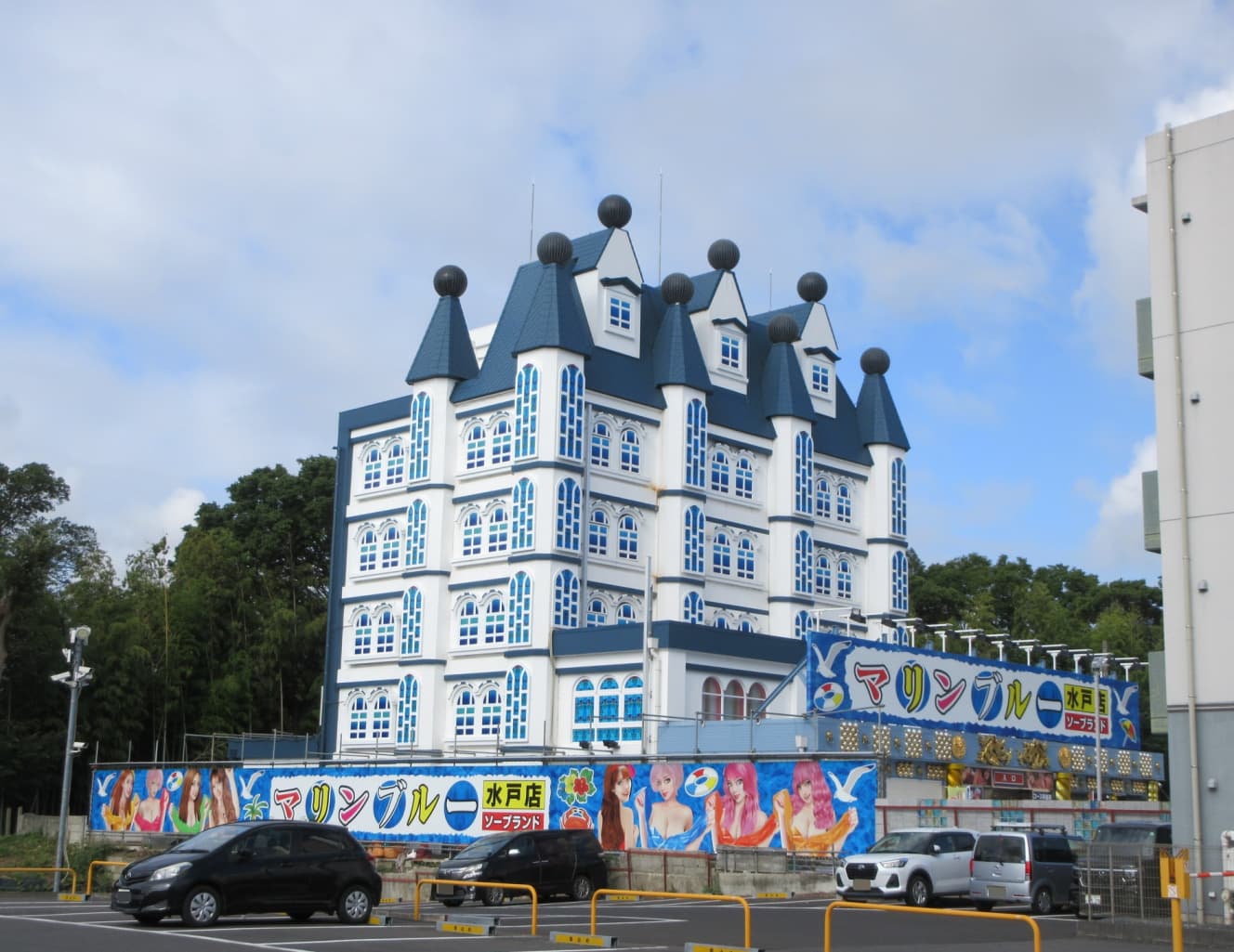
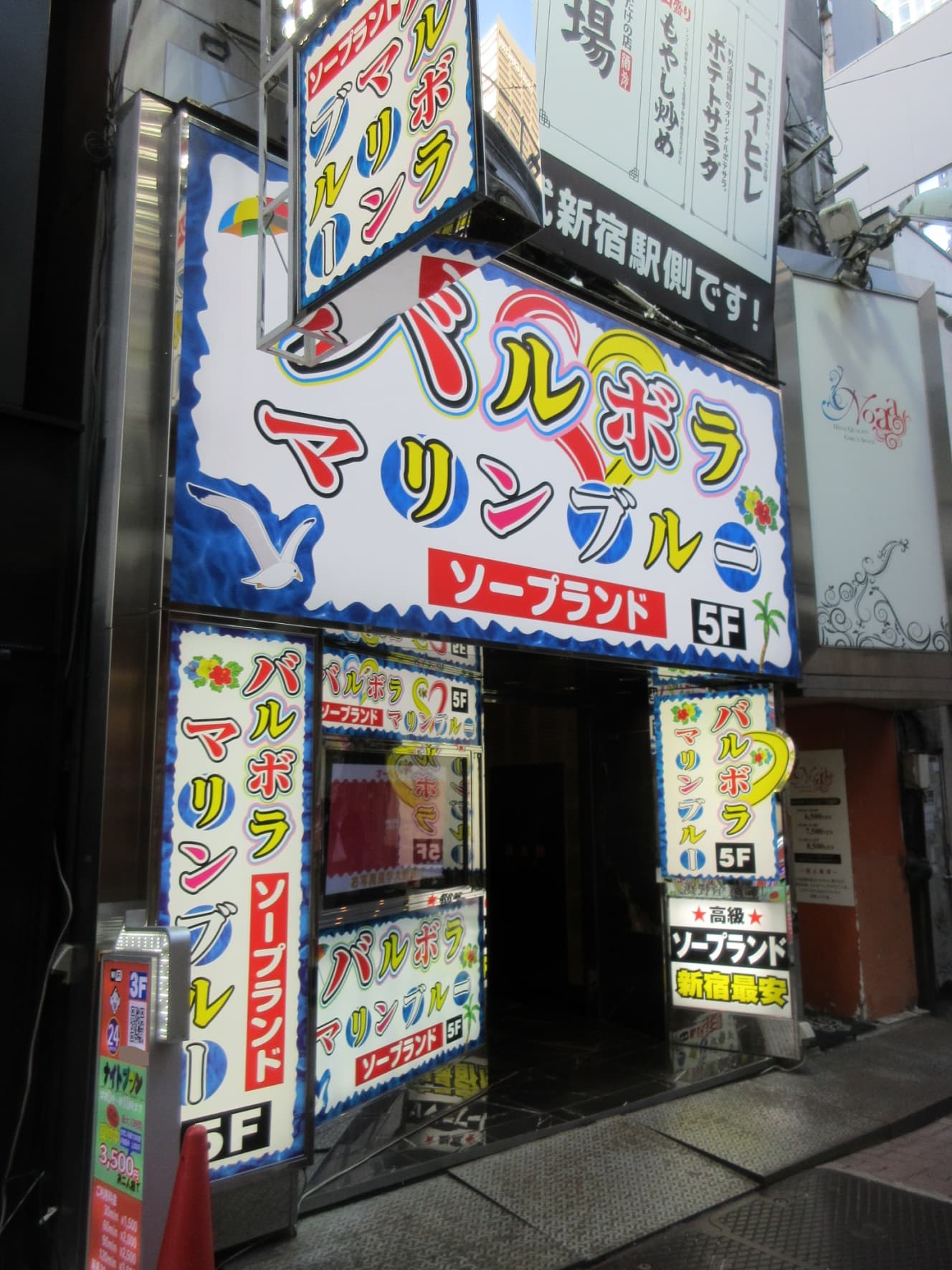
A simultaneous closure of 21 locations was unprecedented. Among them was the luxurious “Marine Palace Mito Branch,” which had cost 1 billion yen to build. This flagship store of the Marine Group first opened in May 2022 as “Marine Blue Mito Branch,” later changed its name to “Marine Mito Branch,” and in July 2025 began operating as “Marine Palace Mito Branch.”
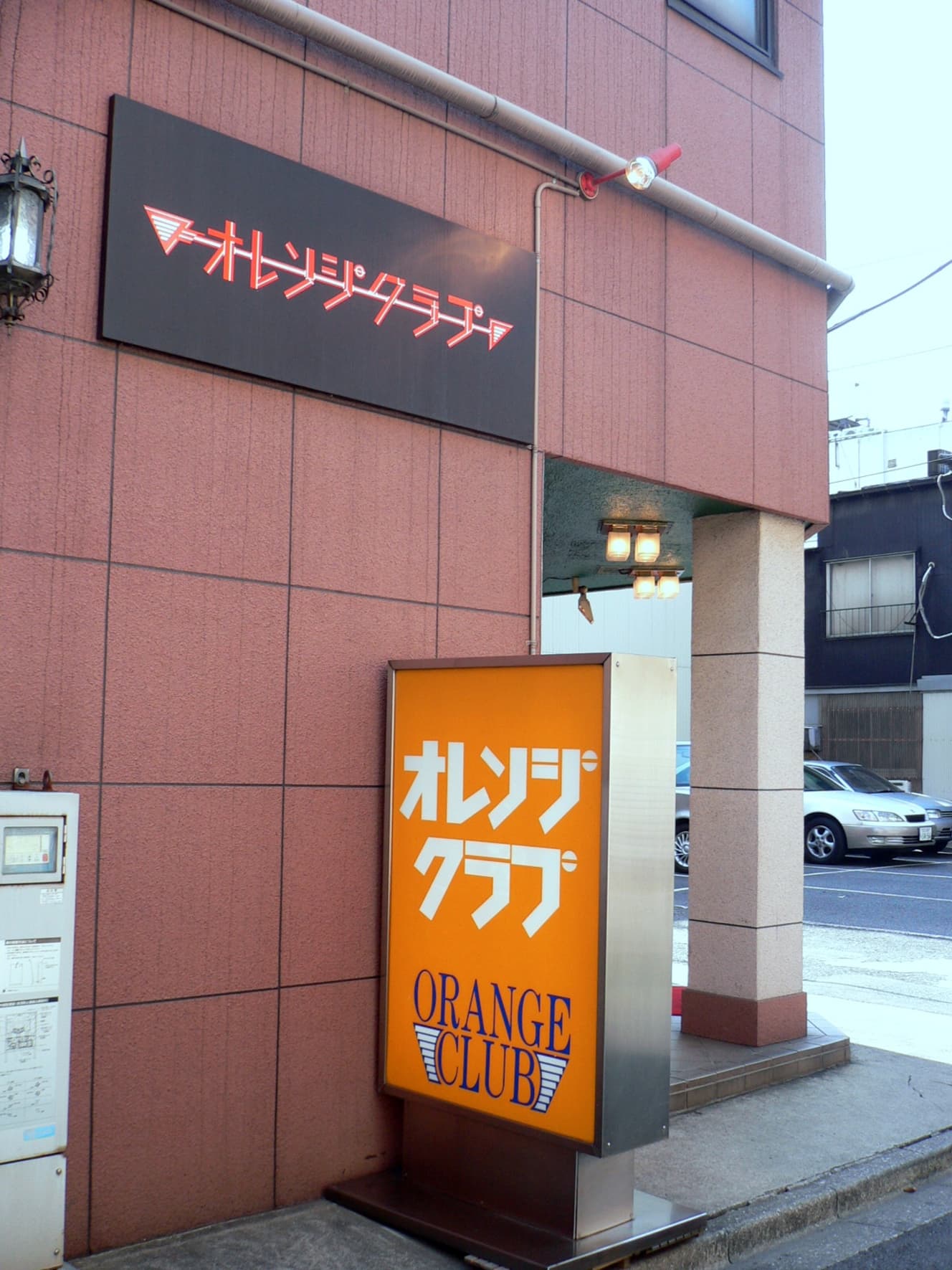
The last major simultaneous closure in the soapland industry was in 2012, when eight branches of the “Orange Group” in Tokyo’s Yoshiwara district shut down. That case was due to violations of the Anti-Prostitution Law (providing premises), and authorities judged that previous vested rights granted under the prior management company were nullified by the business merger. At that time, about 630 soapland workers lost their jobs.
Similarly, this sudden closure left many cast members and staff unemployed and struggling. Former cast members are desperately seeking new workplaces. Since many of the properties have already been put up for sale, reopening them as soaplands seems unlikely, and Fukui may soon see the disappearance of all such establishments in the prefecture.
During the COVID-19 pandemic, the Marine Group had bought struggling local soaplands and rapidly expanded to Fukui, Tsuchiura, Kumamoto, Ogoto, Himeji, and other areas with branches such as “Marine Blue Chiba Branch” and “Tulip Fukuhara Branch.” Observing this, many thought, “In such a tough era, a major company with strong capital is truly impressive.”
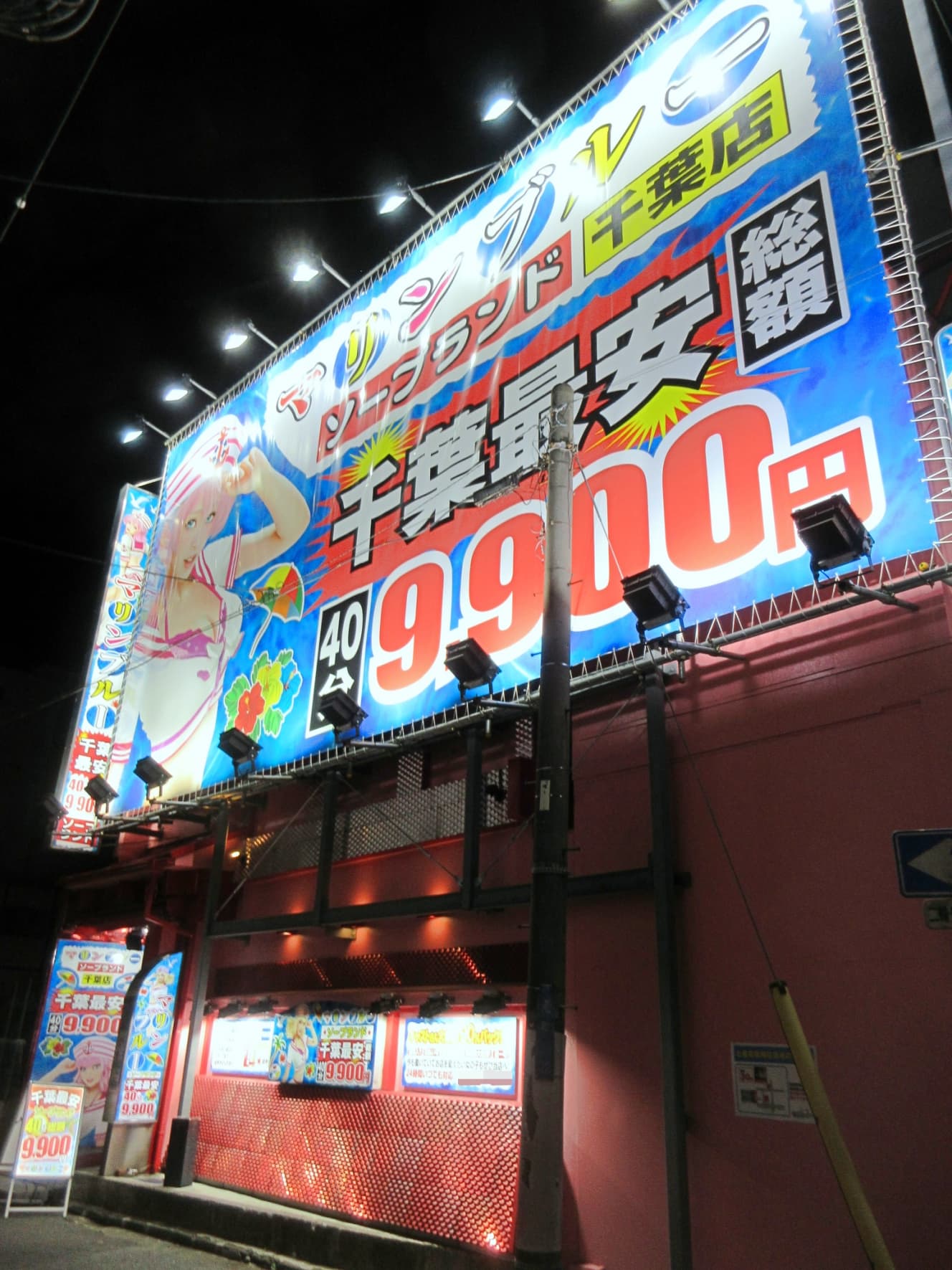
While most soaplands now have more subdued exterior colors, the Marine Group’s locations stood out with a flashy mix of red, blue, and yellow. Signs emphasized low prices, such as “Chiba’s Lowest Price: 40 minutes 9,900 yen total” and “Ikebukuro Lowest: 40 minutes 10,000 yen,” catching customers’ attention.
With their particularly eye-catching exteriors and low prices, the group attracted many customers, and everyone assumed it was the chain least likely to ever close.
Operated by the “King of Entertainment Districts”
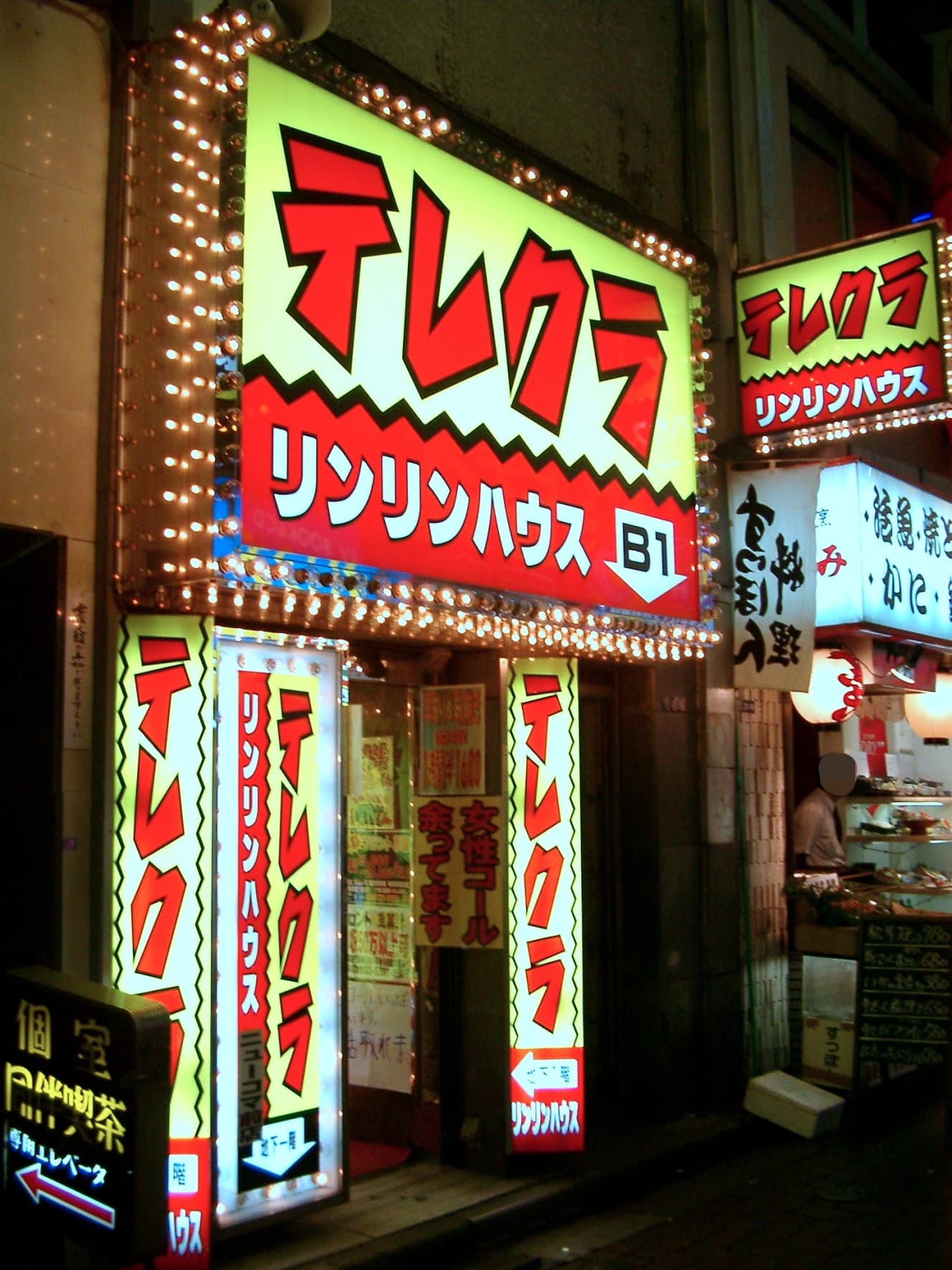
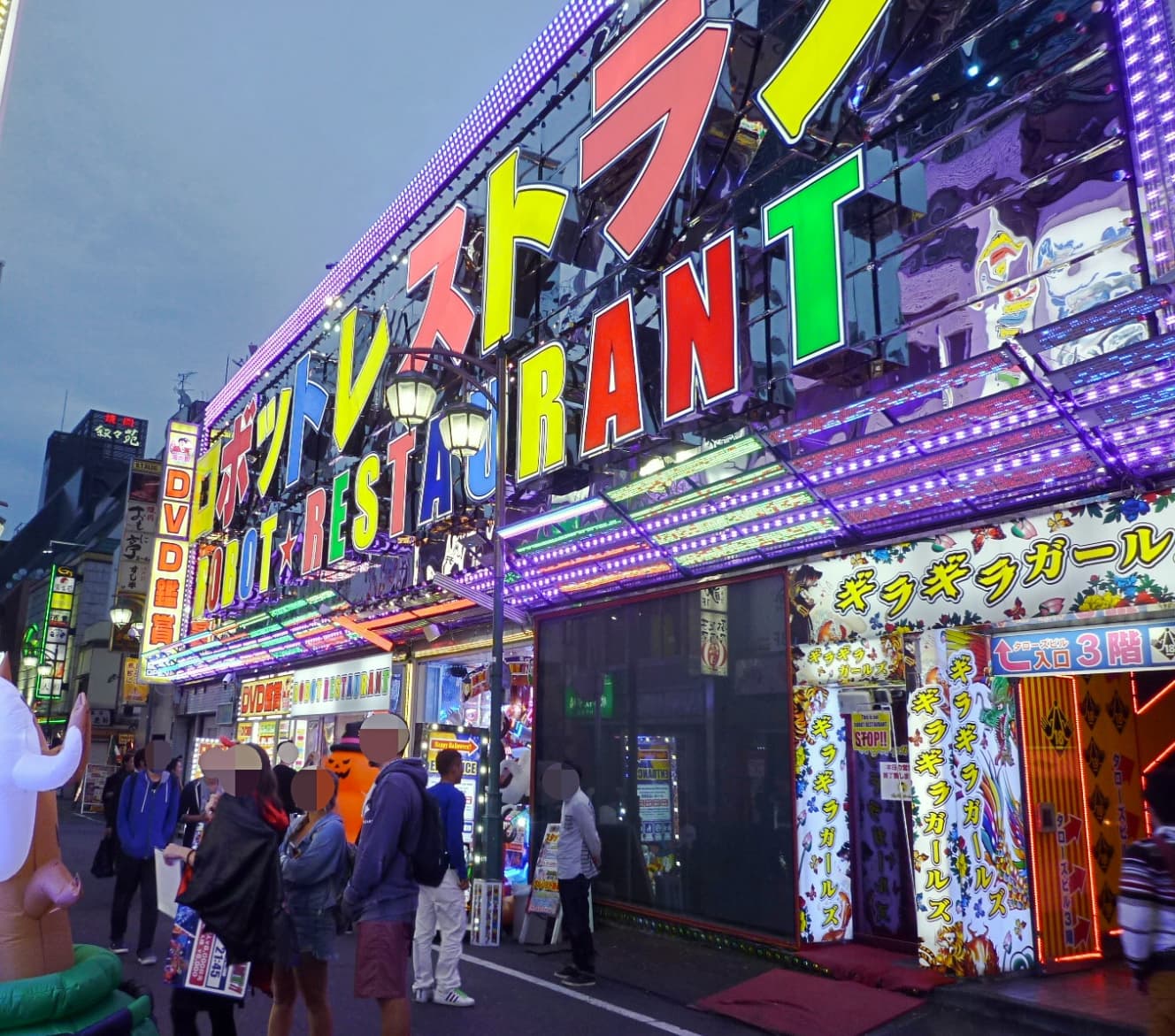
The Marine Group was run by Keiichi Morishita, head of the “Morishita Group,” also known as the “King of Entertainment Districts.” The group operated a diverse range of businesses, including the telecommunication club “Rin Rin House,” manga cafés like “Mambo,” private video booths “Kintaro,” the Kabukicho entertainment venue “Robot Restaurant,” and the ramen chain “Hakata Furyu.” Their business style was famously referred to as from the cradle to the grave of the night.
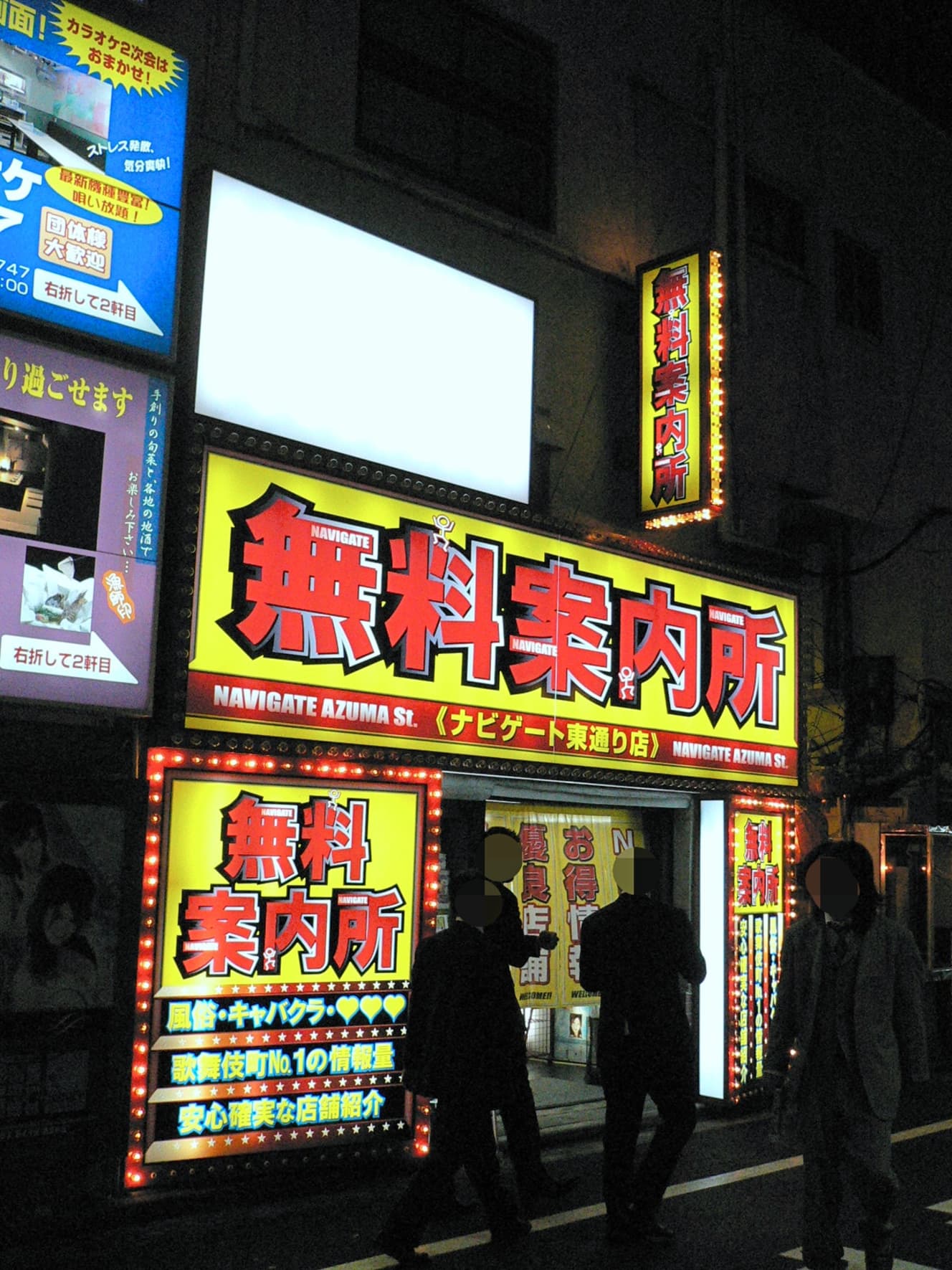
In the early 2000s, the Morishita Group was said to be the sole winner in Shinjuku’s Kabukicho. Customers captured at free information centers were funneled into the group’s own cabaret clubs, adult entertainment venues, hotels, video stores, and ramen shops, creating a system in which the majority of money spent in the entertainment district ended up with the Morishita Group.
Their business acumen also extended to delivery health services. After the 1999 revision of the Adult Entertainment Business Law legalized non-storefront adult services, conventional web advertising proved ineffective and attracting customers was difficult.
Morishita devised free information centers that advertised only his own affiliated delivery health services, functioning as reception offices, which proved extremely successful. They made large profits in buildings with the information center on the first floor, the reception office in the basement, and service rooms on upper floors.
However, this delivery health model was considered a storefront-style adult business, and in 2006 it was raided for violating the Adult Entertainment Business Law (operating in prohibited areas).
Morishita was arrested and prosecuted, receiving a sentence of six months in prison, suspended for five years, a fine of 500,000 yen, and a confiscation of 70.65 million yen in illegal profits, as ordered by the Tokyo District Court. He admitted to all charges and was forced to pledge a complete withdrawal from the sex industry in Kabukicho.
The reason for the sudden closures
About 20 years after the earlier crackdown, on January 28 of this year, police conducted a search of the Marine Chihime soapland in Sendai. It is said that women carrying accounts receivable from host clubs were being sent there. The Marine Group outwardly promoted itself as recruiting without using scouts, but the police believe there was a supply from scout groups and others.
Recently, police have been cracking down on soaplands and similar establishments to cut off the receiving end, aiming to prevent the expansion of scout groups that mediate women. Marine Chihime may have been subjected to a forced investigation as part of this effort to target criminal organizations.
All 21 Marine Group soaplands were closed just two days later. By immediately shutting down all locations, it seems the group erased the physical sites of the business, leaving nothing for the police to raid.
Morishita is said to have separated himself from arrest risk by acting as a landlord, owning the properties through his company and leasing them to affiliated operating companies that ran the business under separate management.
However, the January 28 raid showed that this strategy no longer worked. If he were arrested this time, the assets of the entire group could be confiscated. What Morishita feared may have been a confiscation of assets, a nightmare reminiscent of 20 years ago.
Even major players can no longer be trusted
With so many soaplands disappearing at once, a restructuring of the industry seems inevitable. This sudden mass closure adds to the growing anxiety among sex workers caused by the recent wave of police crackdowns.
At the end of last year, well-regarded soaplands and health establishments, once considered winners in the industry, were raided due to connections with scouts—a stark reminder of the risks. From the perspective of the workers, the belief that being employed at a major group’s store is safe or working at a popular, well-known shop ensures security is rapidly becoming a myth.
Just as corporate layoffs have shaken general society, the sex industry is entering an era where workers cannot rely on organizations. This is expected to accelerate the trend toward independent operations by sex workers.
More women may engage in underground forms of sex work, such as street-based services, using SNS or matching apps for sugar dating, or even working abroad. Direct dealings between clients and women without involving the shop—known as “uchi-biki” or “choku-biki”—are also expected to increase.
The stricter the crackdowns on gray-zone businesses like soaplands, the more the sex trade will move underground, increasing public safety risks and endangering the workers themselves.
Recently, calls for criminalizing the purchase of sex have grown louder. However, excessive regulation can restrict people’s freedom and hinder societal development. Today’s policymakers, it seems, need the wisdom to accept both the pure and the impure in order to govern effectively.
“FRIDAY Digital” welcomes tips and information from readers. Please submit your information via the form below or contact the official X account.
Information form: https://friday.kodansha.co.jp/tips
Official X: https://x.com/FRIDAY_twit

Interview, text, and photos: Akira Ikoma