Setagaya High-End Apartments Plagued by Defects — Legal Battle with Tokyu Land Escalates


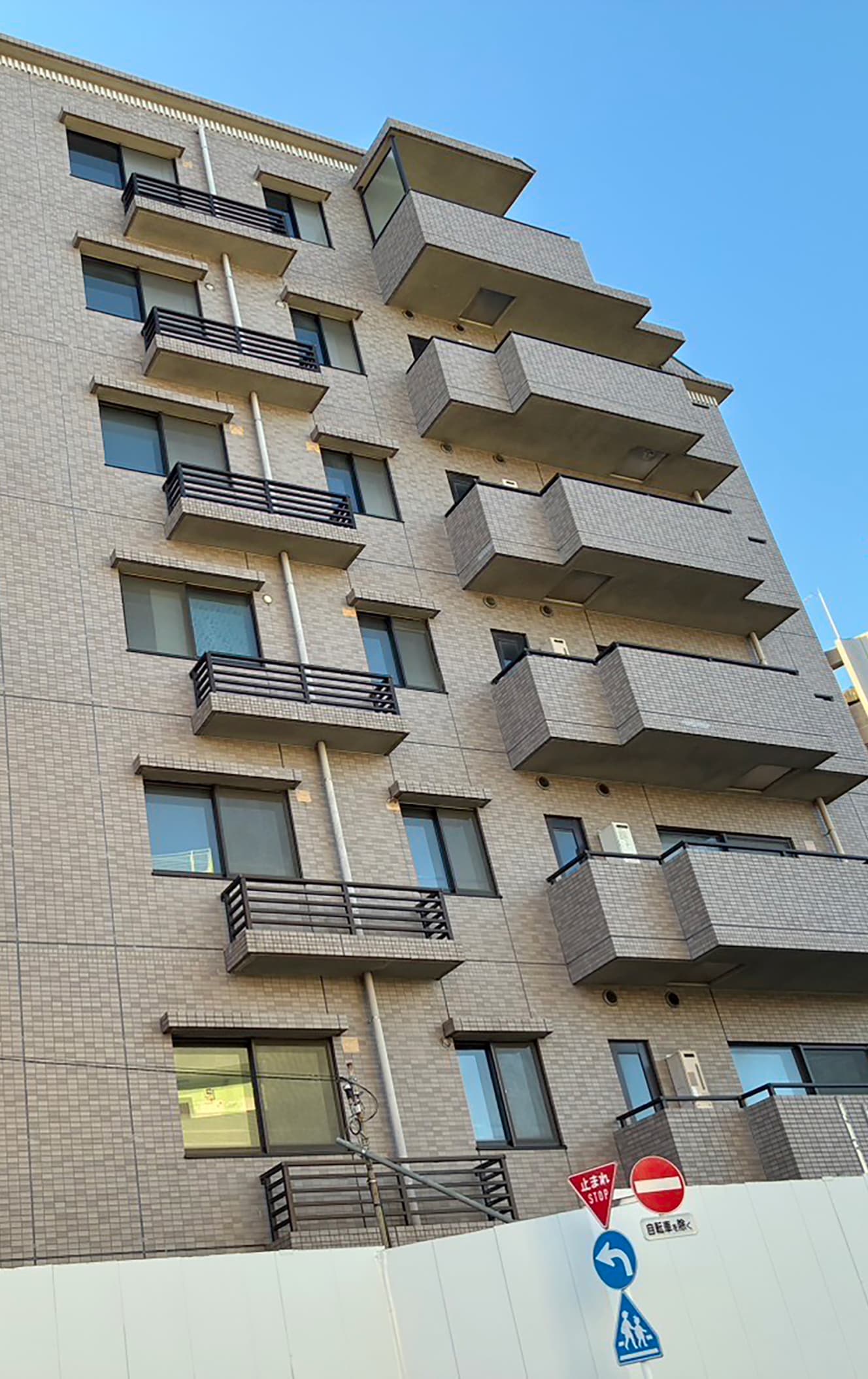
One impossible defect after another is discovered, from faulty piping to corroded rebar
An on-site report of the voices of anger
At 3 p.m. on January 19, the third oral hearing of a civil lawsuit was held in Courtroom 419 of the Tokyo District Court. The defendant was Tokyu Land Corporation, part of the Tokyu Group tracing its roots back to Denentoshi Co., Ltd., founded by Eiichi Shibusawa. The plaintiffs were residents of a condominium developed by the Tokyu Group.
The trouble took place at “Tokyu Doel Ars Setagaya Floresta (hereafter, Floresta).” An eight-story condominium completed by Tokyu Construction in 1998 and sold by Tokyu Land, it was well-located just a three-minute walk from Wakabayashi Station on the Tokyu Setagaya Line, and all 49 units were sold. Many families lived there.
However—following an anomaly discovered in 2018, the dream home turned into a defective condominium. Taro Sanmi, chairman of the Floresta management association, explained the sequence of events (the following quotes are from Sanmi):
“Residents on the first floor repeatedly contacted the management association, saying ‘mold has appeared on the floors and walls of the rooms.’ We immediately asked the Tokyu Land representative to inspect the underground pit (a space for piping and electrical cables), but they said, ‘It’s fine.’ However, the inspection lasted less than five minutes, which felt far too short, and we were suspicious.”
The mold problem did not improve, so in March 2019, the management association commissioned an external investigation of the underground pit. The results revealed shocking facts.
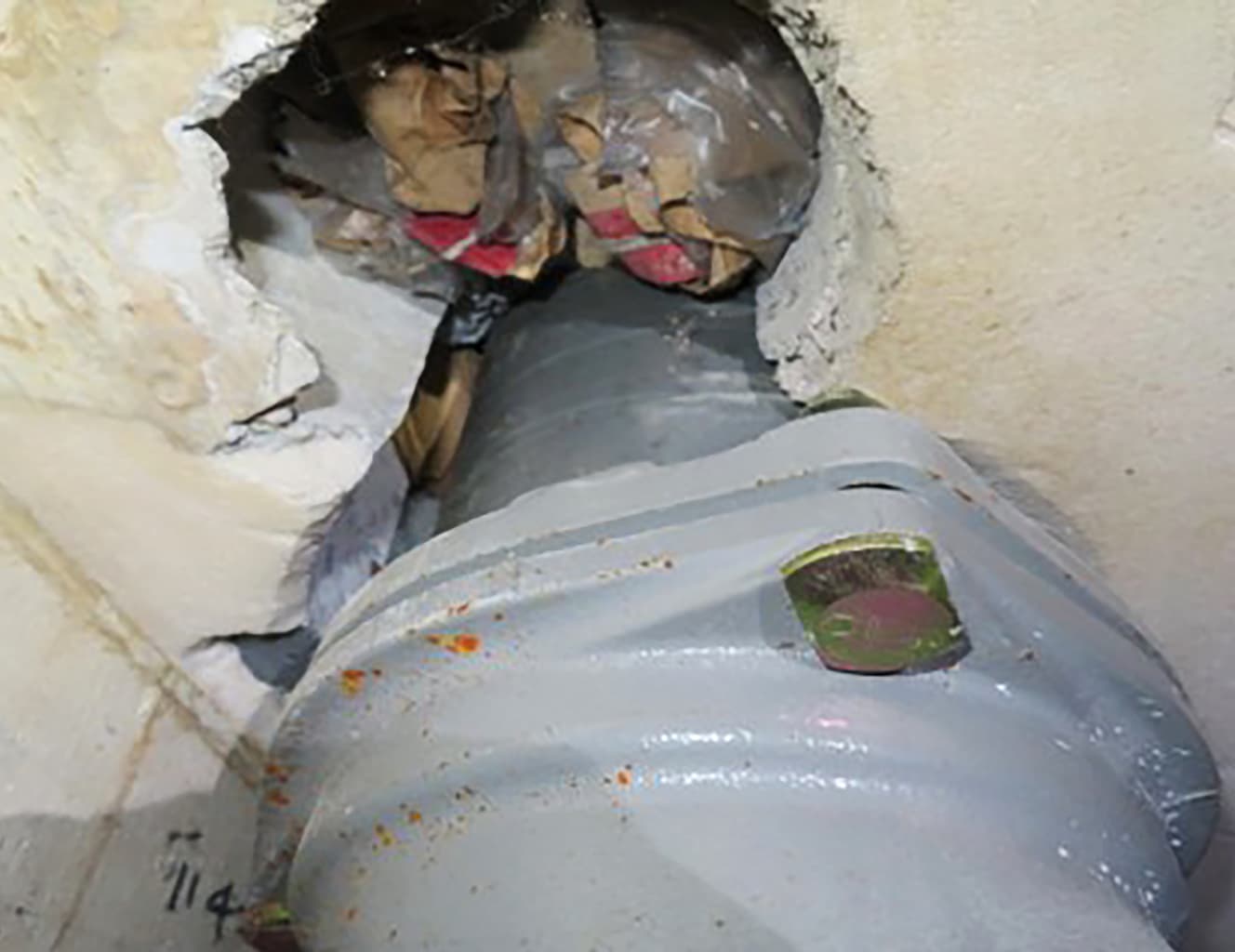
“There was a large puddle in the underground pit. Rainwater could enter, there were no ventilation pipes, and the water could not drain. This puddle was the cause of the mold in the first-floor residents’ rooms.
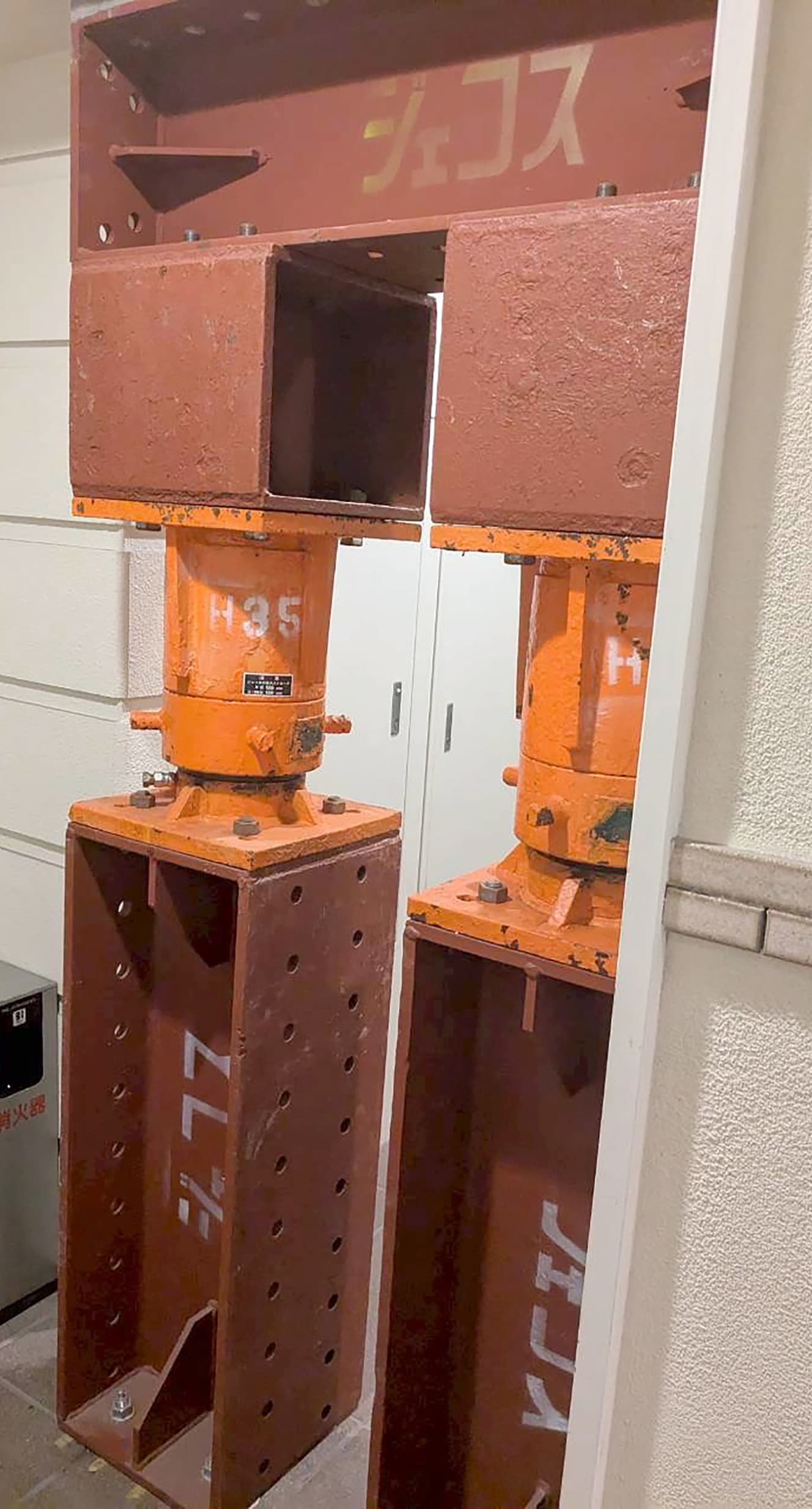
As the investigation continued, other defects were discovered. Rebar supporting the building had been forcibly cut to pass the piping, and the cut sections were corroded. Of the 183 seismic slits (gaps between walls and pillars to absorb earthquake shaking) specified in the original construction drawings, not a single one was constructed to the correct dimensions. It became clear that the building did not meet the seismic standards set by the Building Standards Act.”
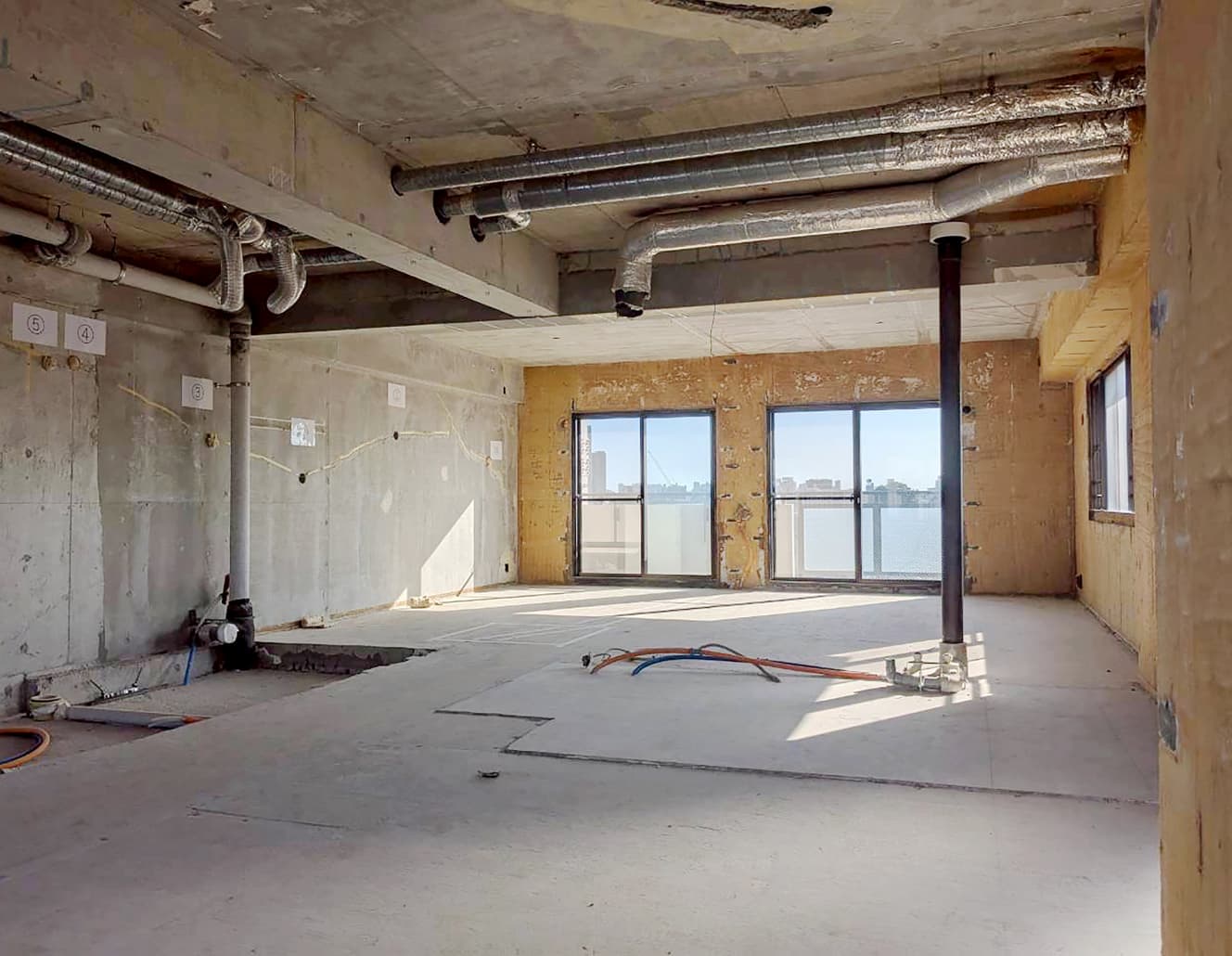
Following the re-inspection, Tokyu Land held a resident briefing in 2021. Tokyu acknowledged the defects and proposed rebuilding the condominium and relocating residents to temporary housing (with rent covered by Tokyu). However, after all residents temporarily vacated, yet another defect was discovered.
“When Tokyu Land conducted measurements for the rebuilding, it was found that the north-facing orientation of the building in the plans was off by 14 degrees compared to the actual measurement. If rebuilt according to the plans, the Building Standards Act’s height and shadow regulations would reduce the total number of units by 23.”
Even so, the association negotiated with Tokyu Land 120 times. In February 2024, a new rebuilding plan with a reduced number of units was drawn up by Tokyu and approved at the management association’s general meeting.
Just as residents thought the matter was finally settled, an unexpected situation arose.
“Tokyu Land sent a notice to residents announcing the cancellation of the rebuilding and the purchase of ownership rights, and a briefing session for residents was held. This occurred less than a month after the rebuilding plan was approved. The reason given was that, due to the reduction in units, it would be difficult to select returning residents.
The notice also stated that if residents did not comply with the purchase, legal measures would be taken to evict them from temporary housing. It felt like a threat.”
Tokyu Land’s claims on the sudden cancellation of the rebuilding
Faced with the abrupt notice, the management association strongly opposed it. Frustrated, the residents finally took the battle to court. Six residents, including Taro Sanmi, filed a lawsuit against Tokyu Land in June last year, claiming that there was an obligation to rebuild.
“Tokyu Land declared that they would unilaterally abandon the rebuilding plan they themselves had initiated, ignoring the residents’ wishes. Moreover, the purchase price offered by Tokyu Land made it difficult to buy a condominium of the same scale in Setagaya Ward. It was a sudden and forceful demand, and we could not possibly accept it.”
At the opening of the third oral hearing, Tokyu Land submitted a written response asserting that no agreement on the rebuilding had been reached, signaling a full confrontation.
Regarding the numerous defects and the sudden cancellation of the rebuilding, Tokyu Land’s public relations office responded as follows:
“As the condominium developer, we sold ‘Setagaya Floresta,’ which was constructed by a contractor. The building had received formal construction approval and completion inspection, so we recognized at the time that the construction had been carried out appropriately. Subsequently, based on reports from the contractor, we acknowledge that defects (editor’s note: including faulty piping and corroded rebar) have been reported.
Regarding the cancellation of the rebuilding: if your question suggests that there was unanimous consent from the residents at the February 2024 general meeting to execute the rebuilding plan, that is not the case.
As of the February 2024 general meeting, the rebuilding of ‘Setagaya Floresta’ had not been finalized. We recognized that a significant number of residents preferred a buyout rather than rebuilding, and in March 2024, we proposed purchasing their condominium units, among other measures.”
They also stated regarding the buyout offer: “We recognize that the offered amount far exceeded the market value of the properties being purchased.”
Sanmi expressed outrage at Tokyu Land’s response:
“In April 2021, we received a document stamped by then-president Masashi Okada, which clearly stated that the rebuilding will be carried out. Residents who agreed to sell were forced to do so because Tokyu set deadlines and strongly pressured them to leave temporary housing.
Floresta included residents in their 80s. They were suddenly notified that their final homes would be demolished and had no choice but to give them up. Residents who agreed to sell contacted us saying, ‘I don’t want any further dealings with Tokyu’ and ‘I’m sorry we couldn’t fight together.’ Everyone’s life plans were drastically disrupted.”
The bitter courtroom battle is scheduled to continue on April 14. The site of the dream remains untouched, standing alone in Setagaya Ward.
From “FRIDAY”, February 13, 2026 issue
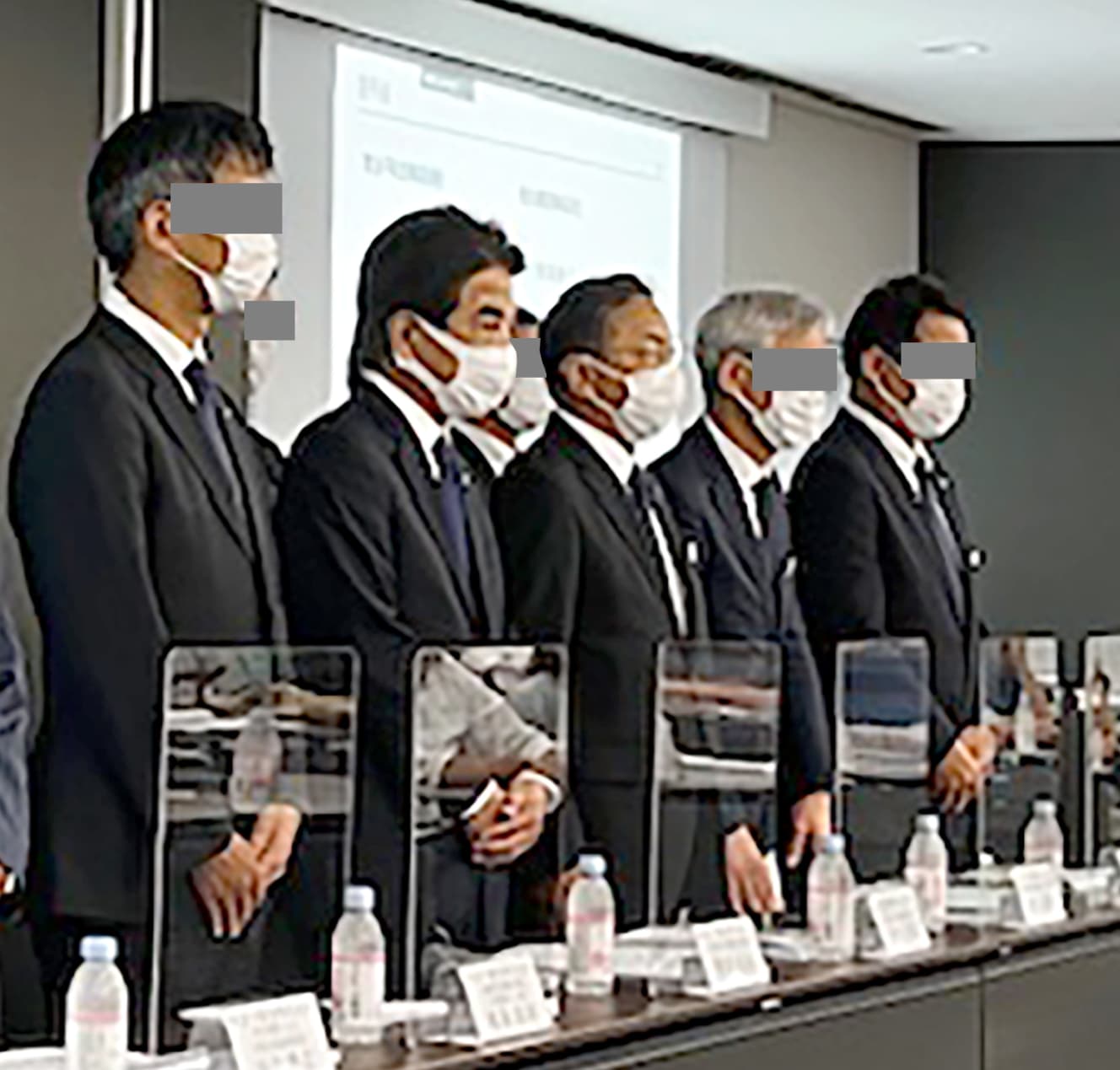
PHOTO: (Photos of the interior of the condominium and the residents' briefing session)