FamilyMart in the Marketing of “Convenience Store Onigiri War” that is becoming more upscale!
Latest Business Report [Part 1] The front line of gachinko confrontation! With rice and seaweed prices soaring, prices in the 200 yen range are commonplace, and some products exceed 300 yen...


With the help of Shohei Otani, he is in great shape.
The superstar with an annual income of approximately 16 billion yen chose a taste of his hometown.
On January 15, the American audio brand Beats released an interview with Shohei Otani, 31, of the Dodgers, who serves as an ambassador for the company, on its official Instagram page. When asked in the video about his favorite meal before a game, Ohtani paused for a moment and then answered with a smile, “Onigiri.
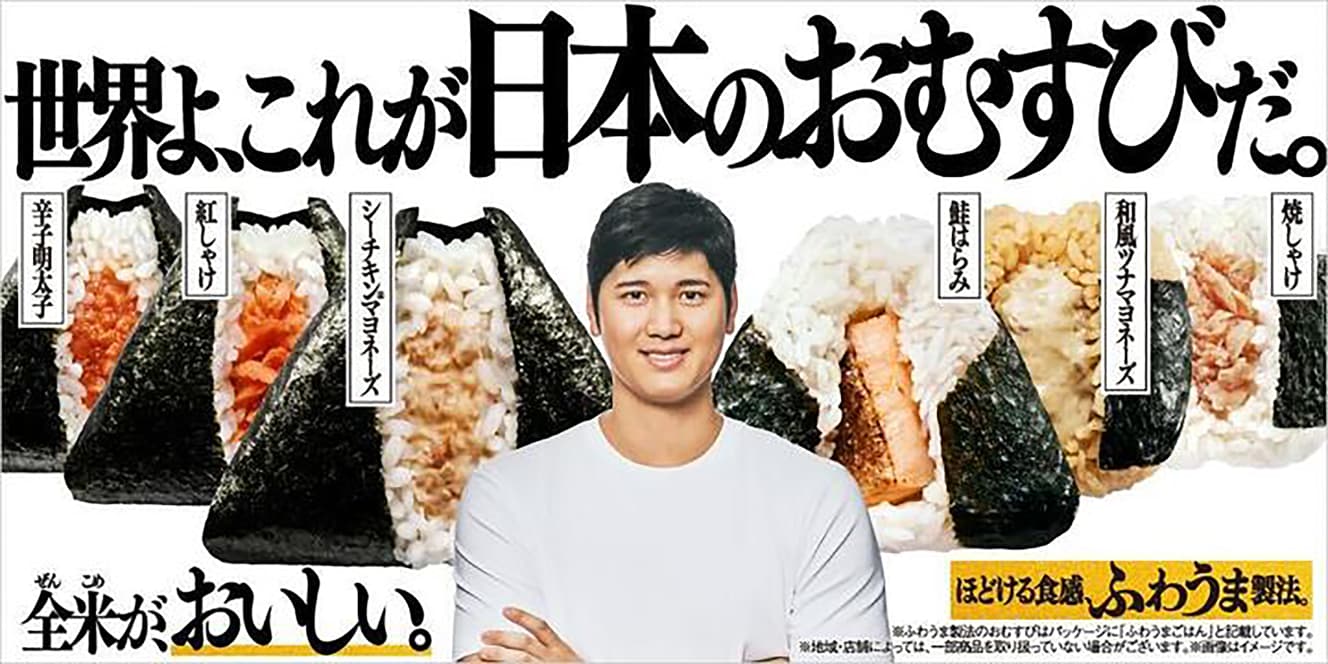
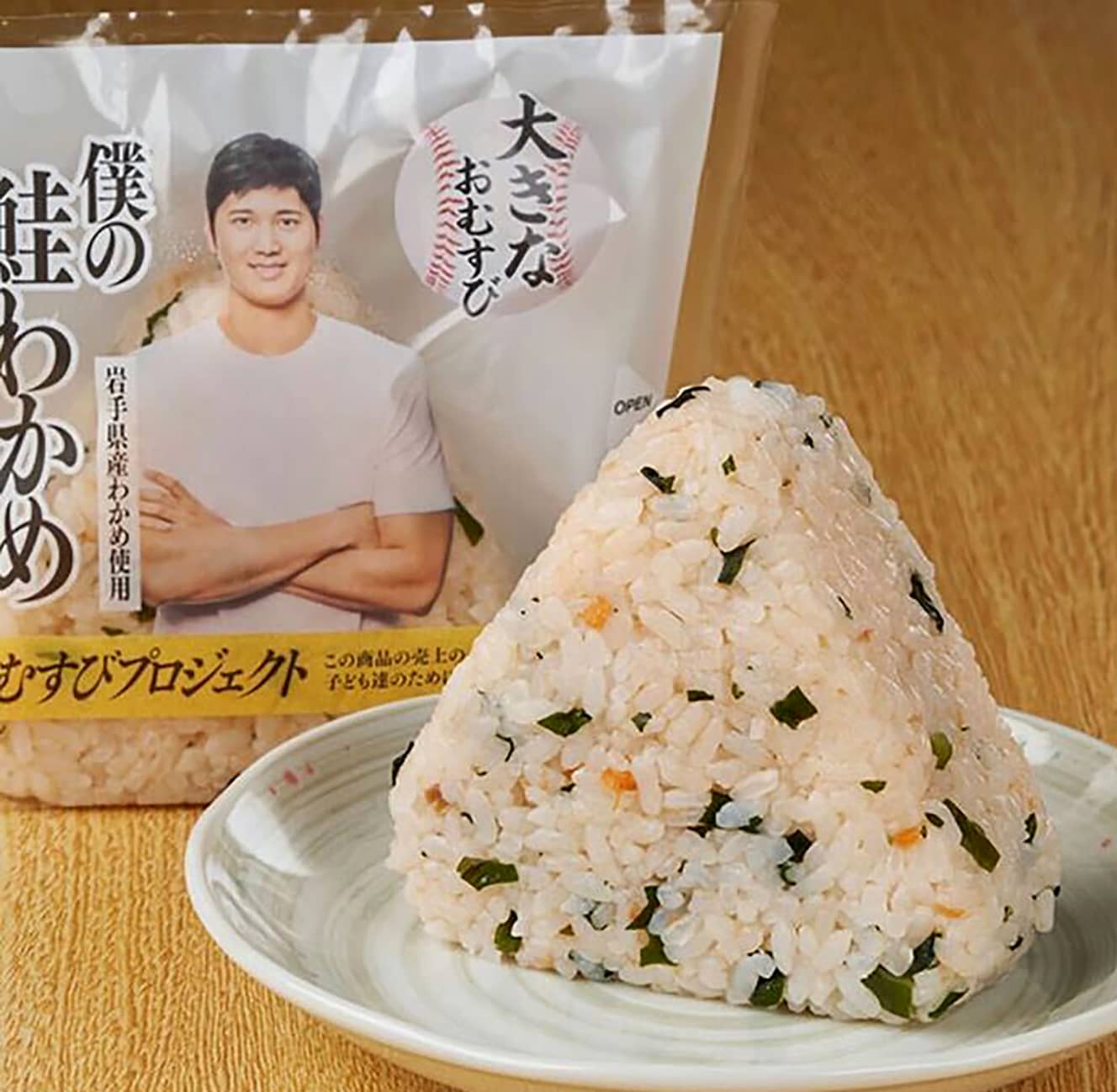
FamilyMart, which appointed Otani as its “Omusubi Ambassador” last February, is doing very well. Since Otani’s appointment, sales of onigiri per store have increased 120% over the previous year. The ” Big Omusubi Boku no Salmon Wakame ” ( Big Omusubi: My Salmon and Wakame), which features a large image of Otani with his arms crossed in the center of the package, is priced at a modest 320 yen including tax, but many salarymen have chosen to eat this dish, which contains a mixture of minced salmon and Iwate Prefecture’s wakame seaweed, as their lunch companion.
Convenience store onigiri, which once cost 100 yen plus consumption tax, now commonly exceed 200 yen. Two onigiri with a beverage now cost more than ¥500 for a high-end lunch. The cause, of course, is the soaring cost of raw materials. Compared to 2010, the current price of rice has doubled, and the price of seaweed has ballooned to 1.6 times. Convenience store researcher Shinji Taya said, “Today’s convenience store onigiri are made from the same ingredients as in the past.
Today’s convenience store onigiri can be divided into three categories: low-priced (less than 150 yen), standard (around 200 yen), and high-priced (300 yen or more). The best-selling category is the standard range, which accounts for 50-60% of sales. Among these, the centerpiece of each company’s lineup is the hand-rolled (the special film wrapping allows customers to enjoy the crispiness of the seaweed) type of tuna mayo. The price of tuna mayo from the three major companies ranges from 178 to 198 yen, just barely under 200 yen.
Considering the original cost of tuna mayo, it would not be surprising if the price exceeded 200 yen, but since many consumers base the price of onigiri on tuna mayo, the companies have managed to keep the price in the 100 yen range. It is like a bowl of beef on rice,” says Taya.
If Mr. Taya is right and the tuna mayo onigiri is the most popular product at all three companies, how on earth are the companies trying to differentiate themselves and win the three-way “onigiri war?
From standard to brand
As evidenced by the appointment of Otani as an ambassador, FamilyMart is making a difference with its marketing.
Only FamilyMart calls its rice balls ‘omusubi’ in a unified way. It seems to reflect the idea of offering plump omusubi made by people and the meaning of making it a product that brings people together. Currently, they are offering products such as “Salmon roe and salmon roe” (320 yen) supervised by the famous Tokyo restaurant “Bongo,” and in the past, they have marketed products supervised by the famous Japanese restaurant “San-i-Ryoron” run by Masahiro Kasahara, and they are skilled at creating a buzz,” said Yusuke Nakamura, representative director of the Onigiri Association.
In terms of standard products, it seems that the company is concentrating its efforts on its top two most popular items, tuna and salmon. In addition to “Temaki Sea Chicken Mayonnaise ” (198 yen), ” Nao Maki Japanese Style Tuna Mayonnaise ” (185 yen), which has an appetizing aroma of dashi (Japanese soup stock), is popular, and for salmon, ” Temaki Red Shake ” (235 yen), ” Nao Maki Yaki Shake ” (198 yen), ” Salmon Harami Omusubi ” (298 yen), ” Dashi Shoyu Mabushi Meshi SalmonMayonnaise Omusubi ” (178 yen) and four other varieties. Salmon and tuna mayonnaise lovers can compare the different flavors at just one store.
The most popular “Temaki Sea Chicken Mayonnaise” is the most expensive of the three companies’ tuna mayo rice balls, but this is also a reflection of the company’s brand strategy. Kazuo Shiratori, a professor at the University of Marketing and Distribution Sciences, said.
Famima is trying to elevate onigiri from a ‘standard, characterless product’ to a ‘brand product.'” In 2011, the company introduced the “fluffy texture method,” which reproduces a fluffy texture by containing air between the rice and gently molding it. By using Shohei Ohtani as a billboard for the company’s enhanced products, the company succeeded in increasing the number of consumers who “stop by the store for onigiri” by making them feel satisfied with the price. At the same time, we avoided excessive price hikes by reducing distribution costs, for example, by changing the delivery frequency from three times a day to twice a day.
Part 2: “Convenience Store Onigiri War” Lawson is frozen! 7-Eleven is the high street!
From the February 13, 2026 issue of FRIDAY