Why Migrants Sued a City Councilor’s Construction Company in Tokyo’s Most Desired Countryside City


Five households file lawsuits in a town of 30,000 people
There was an unexpected pitfall in her dream of country living.
“My house doesn’t have a certificate of inspection, so I can’t sell it, nor can I change its use to something like a lodging facility. I have no family or relatives here, so I just have to live in a defective house, carry stress, and continue paying the mortgage.”
This is the lament of Ms. A (56), a housewife who moved to Isumi City, Chiba Prefecture, nine years ago. After working hard in Tokyo for 30 years, she decided to move to Isumi in April 2017 as a semi-retirement location, thinking she wanted to relax, start a new business, and spend time golfing. She moved with her husband, six years her junior.
Isumi City faces the vast Pacific Ocean, has a mild climate with no winter snowfall, and is blessed with seafood. In the “2025 Edition – Best Countryside to Live: Overall Ranking” of Inaka Kurashi no Hon (Takarajimasha), it ranked first among the Tokyo metropolitan area. The city also promotes migration from urban areas and welcomes newcomers across the municipality.
Initially, Ms. A planned to have her new home in Isumi designed and built by a major housing manufacturer. However, before the move, she was actively courted by President B of local construction company X, who had handled renovations of a second-hand home she purchased and a wood deck.
“I’m a city councilor in Isumi, so I’ll always be there to support you. A big housing manufacturer will just hand over the house, but with a local company, you can have peace of mind.”
Persuaded by President B’s enthusiasm, Ms. A signed a contract with Company X. In April 2022, her home—including land and building—was completed for 49 million yen. She also commissioned Company X to build a new property for her business at the same time, but she laments, “From all of the buildings, defects and legal violations were found one after another.”
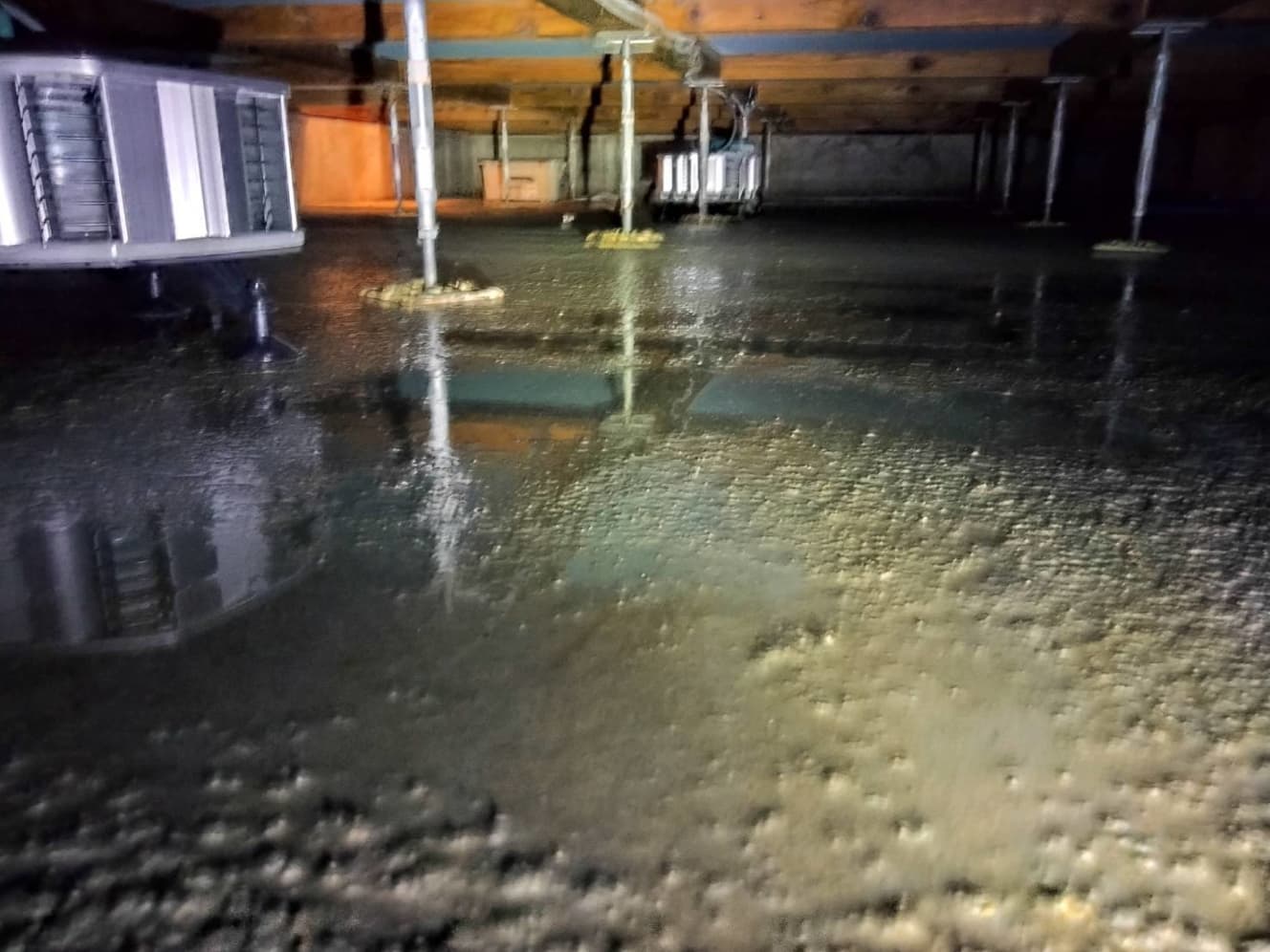
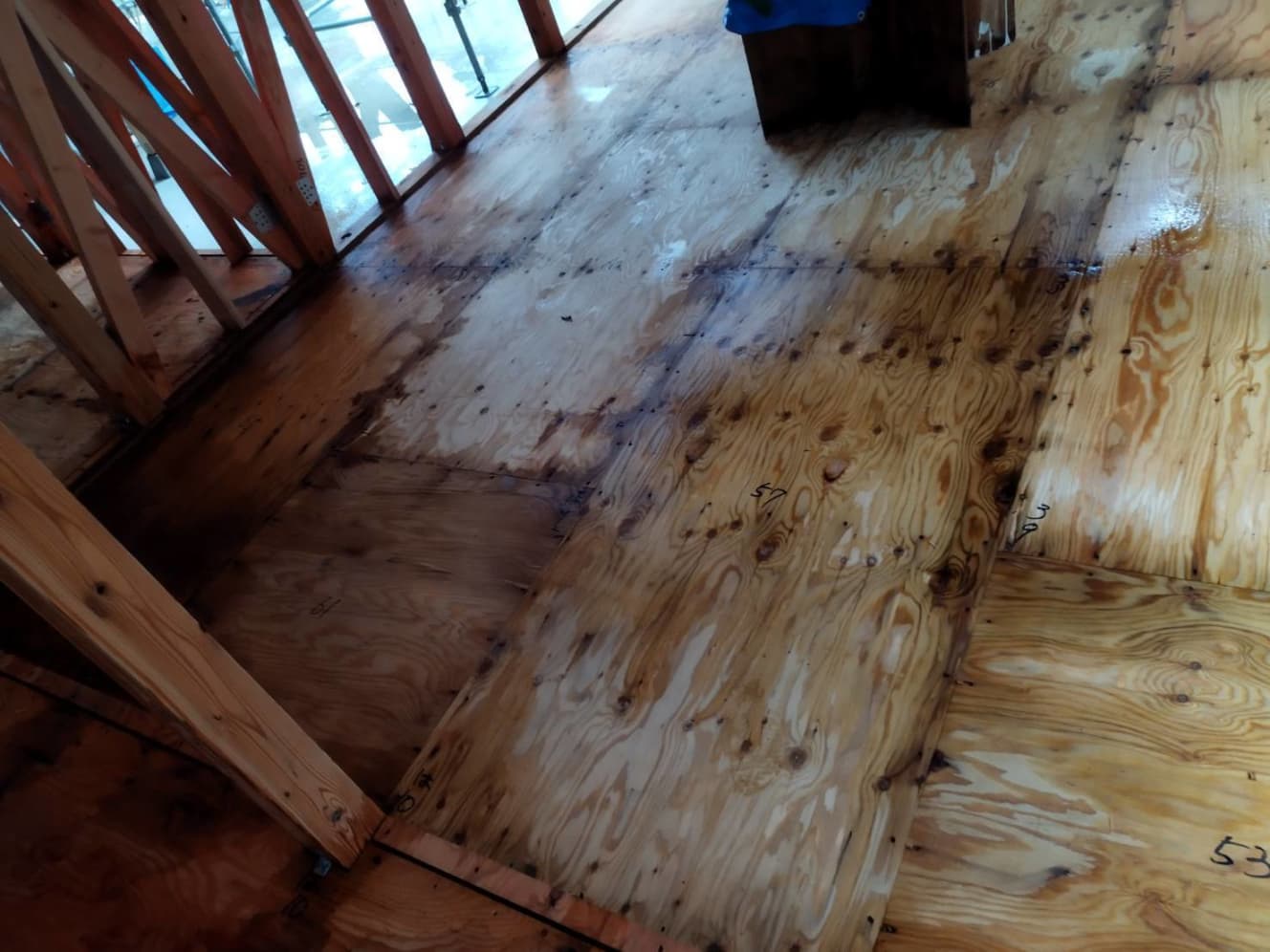
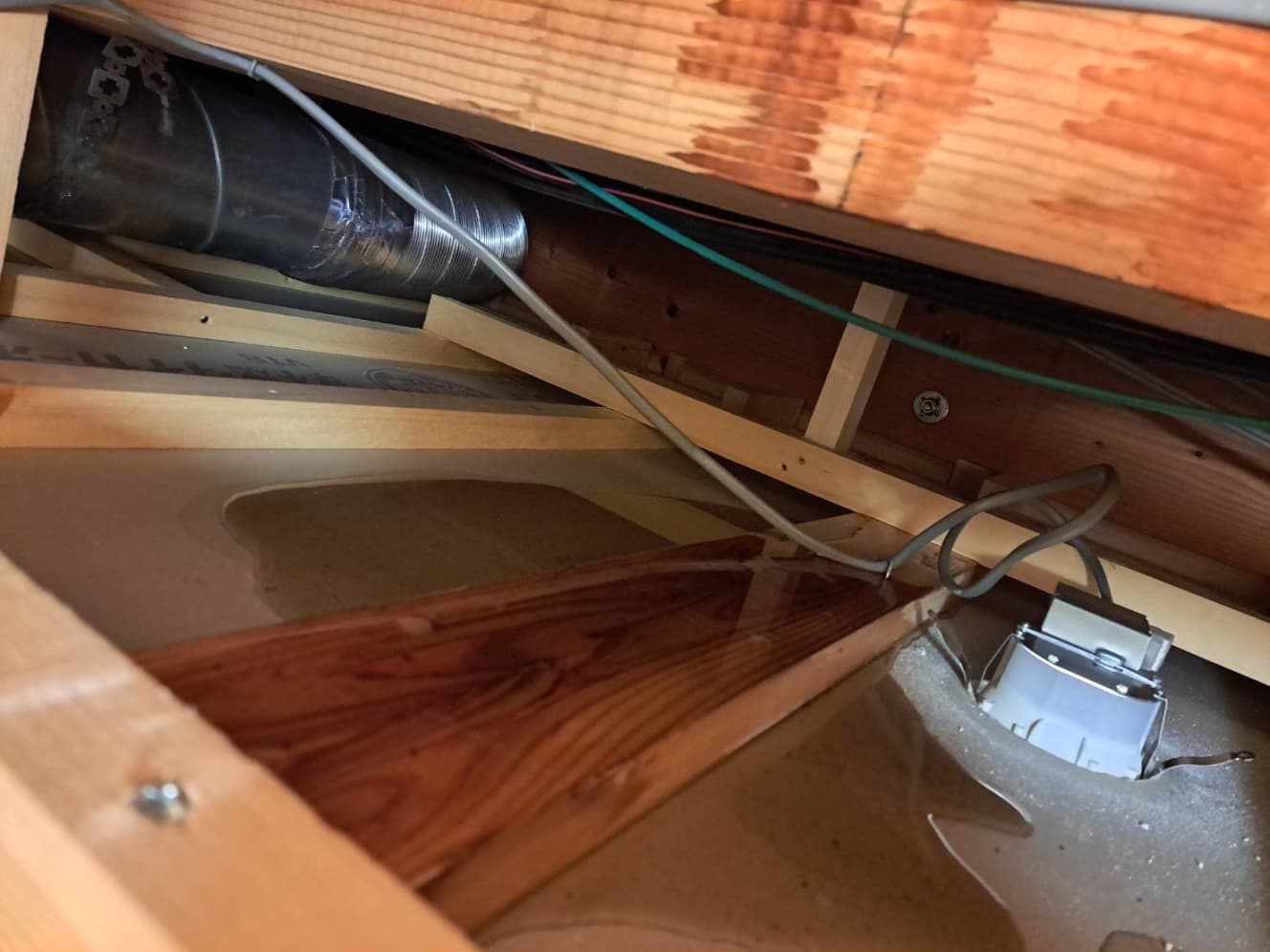
“For example, the embankment that was supposed to be 20 cm according to the blueprints was actually only 4 cm, so every time it rains heavily, we have to prepare for flooding from the neighboring rice fields. There were also multiple spots where insulation was missing. Because of that, my house is hot in the summer and cold in the winter. We also found areas where fireproof gypsum board had not been installed.” (Ms. A)
“The attitude of the administration is also being questioned,” say the lawyers for the plaintiffs
The biggest problem for Ms. A, as mentioned at the beginning, is that her house lacks a certificate of inspection. A certificate of inspection is a document proving that the building does not violate the Building Standards Act. Normally, it should be issued at the time of handover if proper procedures are followed, but Ms. A’s house has none.
“Due to shortcomings in building administration, once the handover period passes, a certificate of inspection cannot be issued, and legally, it cannot be reissued later. In that case, the building is considered illegal, making resale or changing its use impossible. Ms. A’s house, without a certificate of inspection, is therefore an illegal building, meaning extensions, renovations, large-scale remodeling, or refurbishment are not allowed.”
This is pointed out by Kenichi Iwayama, a first-class architect at the Japan Building Inspection Research Institute. Iwayama, an expert in housing inspections who has examined defective homes for over 25 years, reviewed all the drawings, certificates of inspection, and contracts of the five households that filed the class-action lawsuit and also conducted on-site investigations of the properties. Iwayama expressed his anger:
“There were many cases resembling intentional shortcuts, like uninstalled gypsum boards in ceilings that the general public would not check, similar to construction shortcuts seen in mass-produced homes in the Showa era. It looks like construction materials were cut in unseen areas to save money. Even though Mr. B, the company president at the time, is also a city councilor, he shows a lack of compliance, with fire certification violations and fire prevention ordinance breaches. I can only call this shoddy construction.”

Tadanori Onizuka, the lawyer representing the plaintiffs, continued:
“With a method that seems to prey on new residents, the city of Isumi, which promotes migration from urban areas, cannot ignore such cases. Doing so would hinder the city’s development and damage its reputation. Since this concerns the credibility of Isumi City, the attitude of the administration is also called into question.”
Are Ms. A’s claims and Iwayama’s observations true? How does Mr. B, now a defendant, perceive being sued collectively by customers? He answered:
“The three people who filed this lawsuit built their houses eight years ago. Other than that, there have been no complaints. Normally, if there’s a problem, we first contact the parties involved and try to resolve it through discussion. Only if that fails does it become a lawsuit.
But this time, the complaint came suddenly with no prior contact, and then a press conference about the lawsuit. So, we cannot talk. I feel this is not about problem-solving but something else. We are perplexed.”
—There are allegations of shoddy construction.
“Once it becomes a matter like that, a lawyer is involved, so I cannot answer.”
Mr. B’s attorney, Takuo Akino, responded in writing to FRIDAY Digital:
Regarding the three newly filed lawsuits, they have not yet received the complaint and therefore cannot comment. Regarding the earlier lawsuit with Ms. A, they stated: “We recognize that none of the pointed-out items constitute defects, and we have asserted as such.”
For example, the claim that ducts in Ms. A’s house violate the fire prevention ordinance was denied: “We believe it contradicts the legal interpretation of the ordinance and is not valid.” Regarding the unissued certificate of inspection, they countered: “The primary cause stems from circumstances on Ms. A’s side” (Ms. A is named in the document).
The two sides’ claims directly contradict each other. At the end of the interview, Ms. A murmured:
“I just wanted to live quietly in the countryside. I can’t go a day without wondering if moving to this town was really the right choice.”
Isumi City’s website proclaims: “A town full of happiness, security, and smiles – Isumi.” How do these words resonate with newcomers like Ms. A?
Interview and text by: Daisuke Iwasaki PHOTO: Courtesy of Mr. A