“Half the Seats at Risk?”—The Last Strategic Move of PM Takaichi in an Unconventional Election


There was also a gaffe when someone said, “The operation of the Foreign Exchange Special Account is booming.”
During the lower house election (voting on February 8), the Centrist Reform Alliance, expected to play a pivotal role, has found itself in a tough battle.
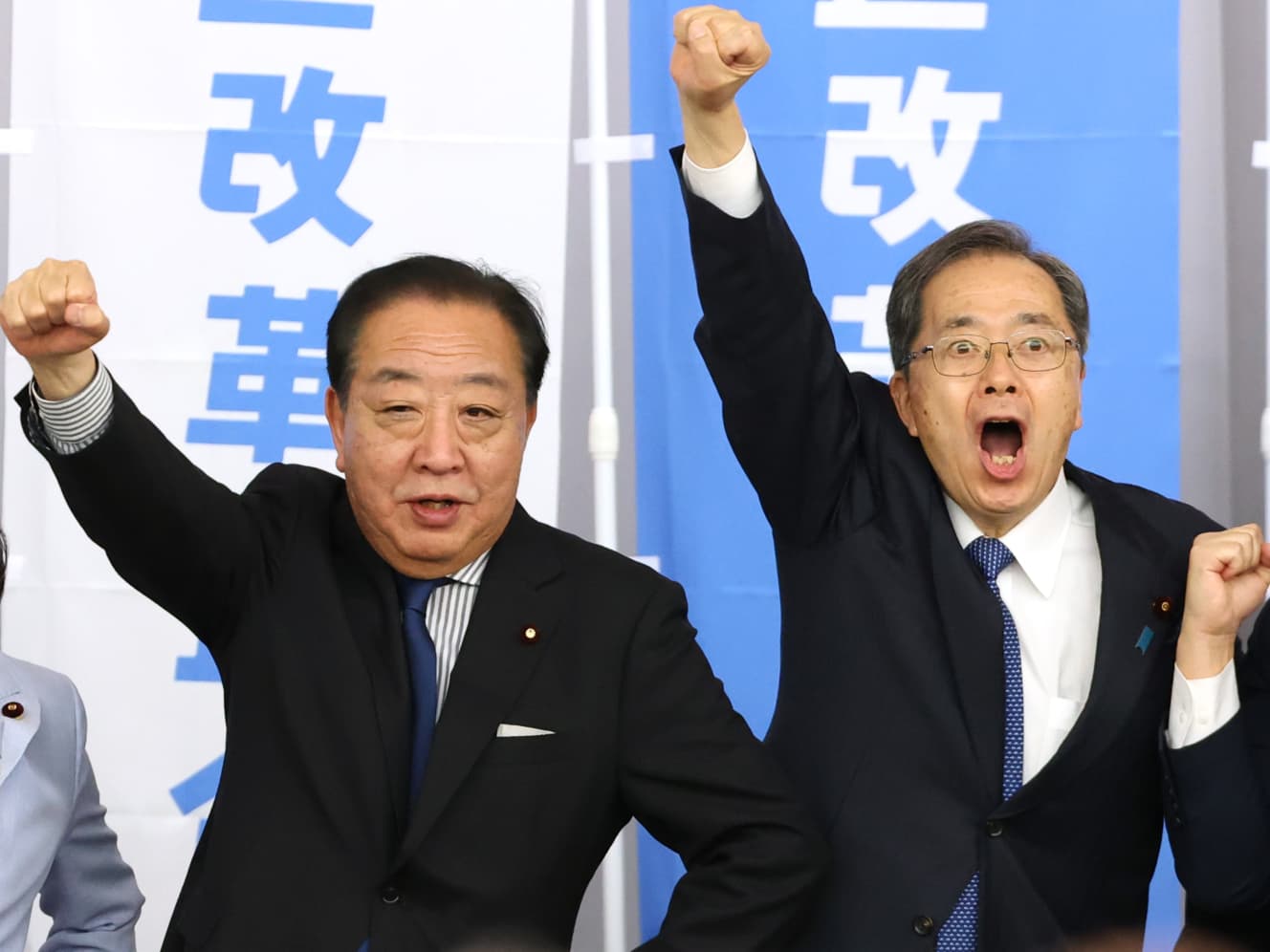
Following Prime Minister Sanae Takaichi’s (64) sudden dissolution of the lower house, the Komeito Party, which left the coalition, joined forces with the largest opposition party, the Constitutional Democratic Party. The alliance was formed with Tetsuo Saito (73) of Komeito and Yoshihiko Noda (68) of the CDP serving as co-leaders.
“Abolishing the 26-year coalition with the LDP was shocking, but teaming up with the CDP, who were yesterday’s enemies, was even more surprising,” said a political insider. Initially, the alliance appeared confident, hoping to leverage Komeito’s organizational votes from its Soka Gakkai base and serve as a vehicle for anti-Takaichi sentiment.
However, a February 2 survey by the Asahi Shimbun left Centrist Reform members pale. With the LDP under Takaichi and Nippon Ishin no Kai projected to exceed 300 seats, the centrist alliance risked losing half its pre-election 167 seats, according to insiders.
“Even the Yomiuri Shimbun’s survey reported a landslide for the LDP and struggles for the centrist alliance. Then Asahi’s numbers, showing a potential halving of seats, had an unprecedented impact, shocking the alliance’s members,” the insider added.
This election is a super-short campaign, lasting only 12 days from the announcement on January 27 to the vote, and the harsh winter conditions have drawn criticism.
During the peak of exam season, street speeches and election car noise have been reported as nuisances. Prime Minister Takaichi herself faced scrutiny from weekly magazines for alleged unusual ties with the former Unification Church. On January 31, she also stated amid rising consumer prices:
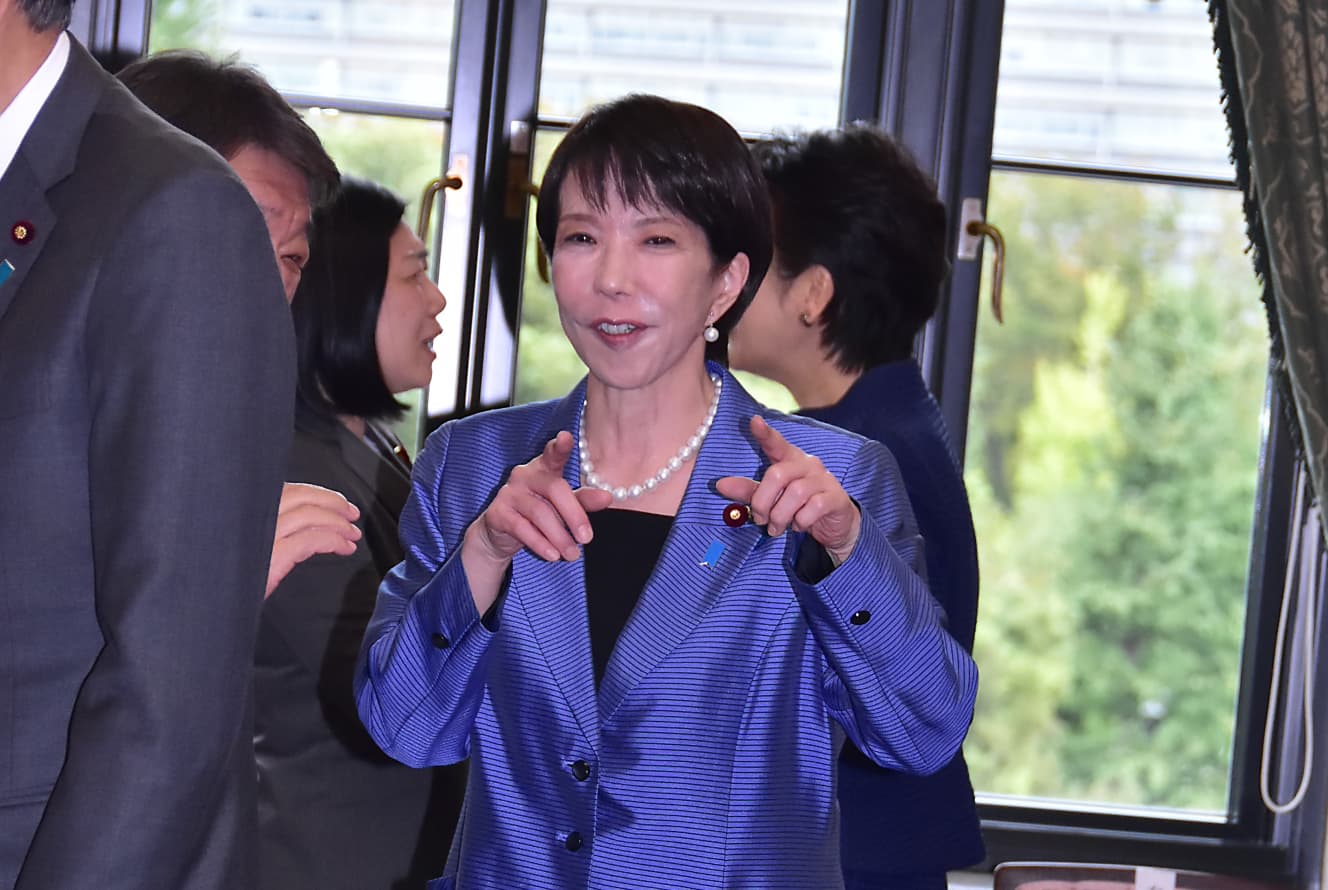
“For export industries, this is a great opportunity. The Foreign Exchange Special Account is doing very well.”
This comment was perceived as tacit approval of a weak yen, prompting her later clarification:
“This is not emphasizing the benefits of a weak yen.”
Nonetheless, the LDP under Takaichi remains overwhelmingly strong. A national political reporter noted:
“The Asahi survey period was from January 31 to February 1. It’s unclear if Prime Minister Takaichi’s weak yen comment and the party leaders’ debate no-show on February 1 were fully reflected. Even so, the LDP’s landslide momentum is unlikely to change.”
A strategy fully centered on the Takaichi brand
The struggles of the centrists were visible from the early stages of the campaign. Some candidate camps reported that audience reactions were lukewarm and the party name hasn’t caught on. There were even cases where candidates were refused handshakes when approaching voters.
“This election has completely turned into a campaign to support Prime Minister Takaichi,” said political commentator Harumi Arima in an interview with this site.
“When Takaichi announced the dissolution, she declared it a general election to decide if Sanae Takaichi should be Prime Minister, and that’s exactly what’s happening. The street-level enthusiasm may even surpass the postal election under then-Prime Minister Junichiro Koizumi in 2005. Takaichi’s street speeches explicitly appeal with ‘Please support me,’ and intentionally or not, she rarely mentions the word ‘Liberal Democratic Party.’ It’s truly an election campaign that showcases the ‘Takaichi brand,’ and the public is responding with enthusiasm.”
However, in past elections, reporting a decisive mid-campaign lead sometimes caused votes to shift to rival camps or lowered voter turnout. Arima, however, believes this will not happen in the current general election.
“In the past, when a landslide lead was reported, voters would think, ‘Maybe I don’t need to vote’ or ‘It might be bad to let them win too easily,’ which could lead to slower-than-expected turnout. But this time, that’s unlikely. Takaichi enjoys strong support among younger generations, who vote almost like liking a trending post on social media.
‘It’s exciting, so I’ll vote,’ ‘It’s trending, so I’ll vote for Takaichi’ — that’s how voting behavior works in the social media era. In fact, in the Kawaguchi mayoral election in Saitama (Feb. 1), which gained attention for foreigner-related issues, turnout nearly doubled from 21% to 40%. Despite snow and the exam season this time, turnout is expected to increase, making the election even more favorable for the LDP.”
Facing predictions of overwhelming advantage for the LDP, the newly formed centrist party couldn’t even achieve “1+1=2.” Instead of expanding, it now faces a fierce battle for survival.
At this stage, there is also information circulating:
“Soka Gakkai has issued a full mobilization directive to all members. As the final move, we’ll see how far this can push the vote.” (insider source)
Whether there will be a major turnaround remains uncertain — and the situation is likely to remain unpredictable until election day.
PHOTO.: Yoshio Tsunoda/Afro (1st), Takeshi Kinugawa (2nd)