The Disease Behind Yamamoto’s Resignation and the Hidden Toll of Overwork in Parliament


Irreversible damage to bones, kidneys, and immunity
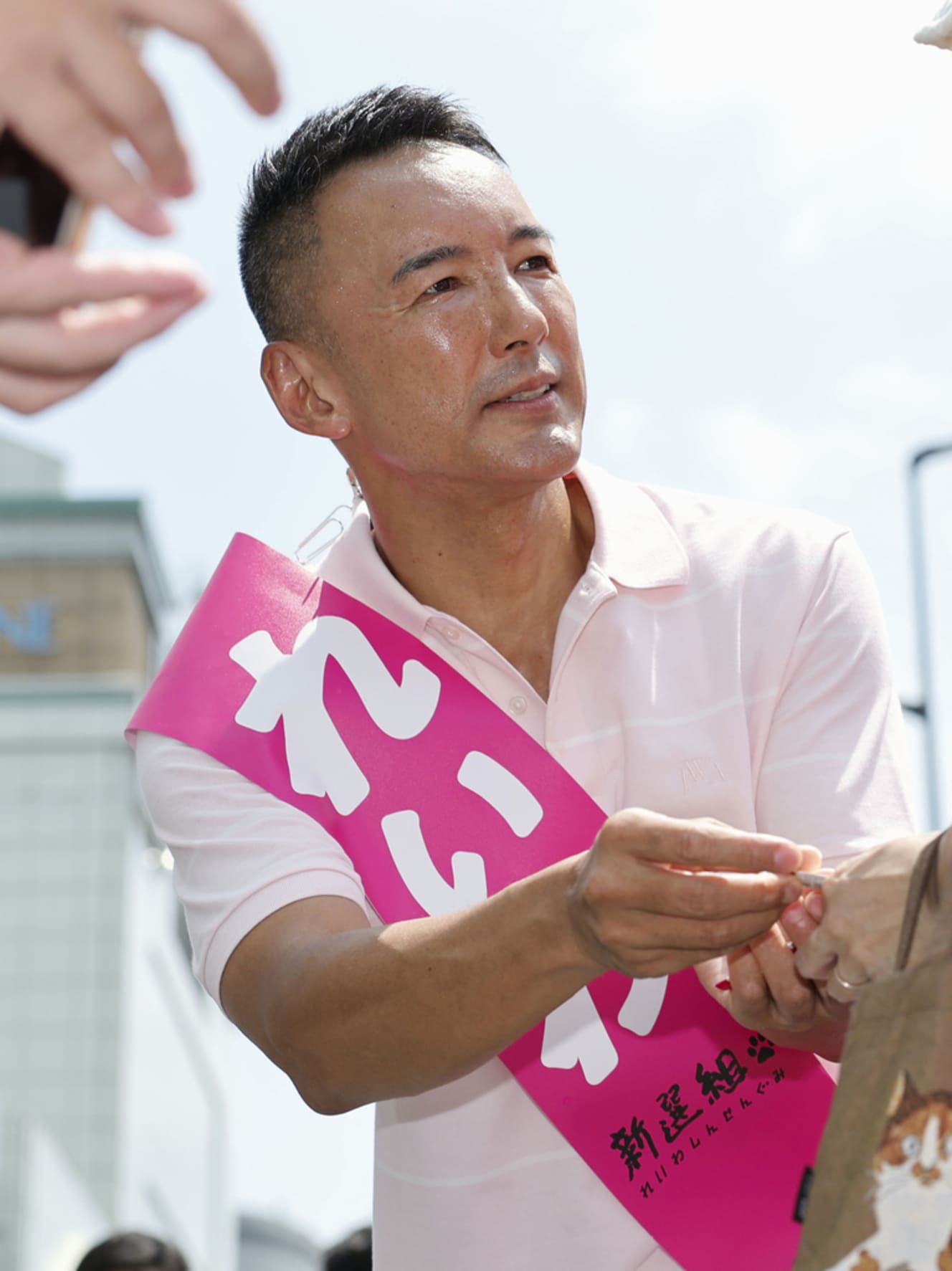
Reiwa Shinsengumi leader Taro Yamamoto (51) decided to resign from his parliamentary position due to health concerns. The underlying issue was a condition described as one step short of multiple myeloma, putting him at risk of developing this blood cancer. Being forced to step back from frontline national politics at the prime of his career has sent a quiet shock through the political world.
Multiple myeloma is a blood cancer in which plasma cells in the bone marrow become cancerous and produce large amounts of abnormal immune proteins (M proteins). As it progresses, it can weaken bones, leading to fractures, and cause anemia, kidney dysfunction, and severe infections due to weakened immunity, seriously affecting the entire body.
Dr. Yoshimasa Goto, director of the medical corporation Gorokai, explains (quotes are Dr. Goto’s):
“Multiple myeloma often shows few symptoms in its early stages, with signs like fatigue, back or waist pain, or mild anemia—symptoms that are easily attributed to age or overwork. However, once it progresses, it can leave irreversible damage to bones, kidneys, and immunity.
When Mr. Yamamoto says one step short, medically this likely refers to a precursor state such as MGUS (monoclonal gammopathy of undetermined significance) or asymptomatic multiple myeloma. In such cases, it is not cancer itself, but it carries a risk of progressing to multiple myeloma in the future.
Even with MGUS, about 1% progress to multiple myeloma each year. In asymptomatic myeloma, the early years carry an even higher progression rate, requiring strict monitoring with regular blood tests and imaging. ‘One step short’ is by no means a reassuring state; it is a stage where one should significantly reconsider lifestyle and work demands.”
This highlights the harsh environment of political work.
Long hours, lack of sleep, domestic and international travel, and extreme mental stress are known to disrupt immunity and hormone balance, increasing the risk of cancer and cardiovascular disease. Furthermore, Japan’s political world faces an aging structure, with many politicians in their late 70s to 80s occupying positions at the core of power.
Limits of Health and Responsibility
Medically, people in this age group are high-risk for a rapid increase in the incidence of cancer, heart attacks, strokes, kidney failure, and cognitive decline. Dr. Ryosho Goto points out:
“On top of aging, chronic stress and lack of sleep can weaken the immune surveillance system, increasing the risk of malignant tumors, including blood cancers. From a medical perspective, the lifestyle of politicians cannot be considered a health-friendly environment.”
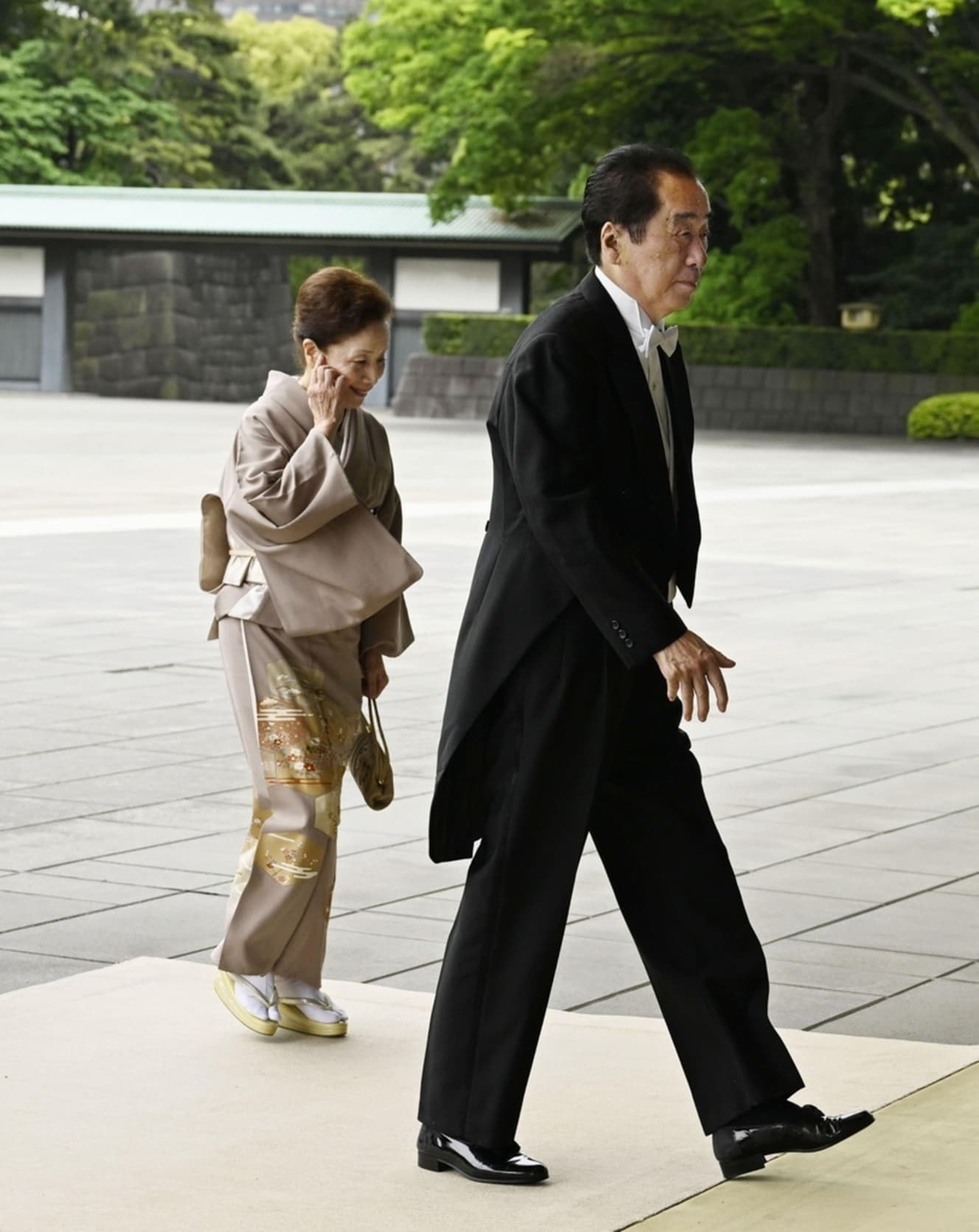
Just recently, former Prime Minister Naoto Kan (79) publicly announced that he has dementia, and former Prime Minister Yoshihide Suga (77) also declared his retirement from politics. Both can be seen as examples of showing a way of stepping back with awareness of their frontline responsibilities.
However, politicians who frankly reveal their health status and limitations and decisively decide their future are not common.
For politicians, disclosing health issues can lead to a drop in approval ratings or disadvantages in elections. Illness or health concerns may be portrayed as weakness, potentially causing them to lose votes. Therefore, in many cases, minor health issues have been concealed, covered over with phrases like pushing through with willpower or continuing out of a sense of responsibility.
Yet, the risk of someone in charge of steering the nation continuing to make critical decisions while not in optimal health is incalculable.
While 51-year-old Taro Yamamoto judged that he cannot face national politics in the best condition and relinquished his seat, there are still politicians of advanced age carrying out crucial national decision-making. In this reality, the dual burdens of overwork and aging appear stacked like a time bomb over the entire parliament.
Yamamoto’s illness and decision, Kan’s public disclosure of dementia, and Suga’s retirement announcement are all choices that confront the limits of health and responsibility head-on, and they can be seen as actions demonstrating integrity and accountability as politicians.
PHOTO: Kyodo News