“Island Residents Can’t Even Get Onboard”—The Dark Side of Elite Lounge Access


Originally for the Wealthy Japan’s Bizarre Reality
In Japan, the training boom for airplanes and hotels has become well-established. This kind of training refers to actions aimed at achieving elite status by accumulating achievements such as flight segments for airplanes or number of stays for hotels. These elite statuses are awarded to frequent users over the course of a year.
Originally, these programs are intended for the wealthy who use business class or suites, or heavy users who frequently travel for work. However, in Japan, an unusual situation persists, and various problems have emerged.

Training Monks Fill Okinawa Routes During Off-Season
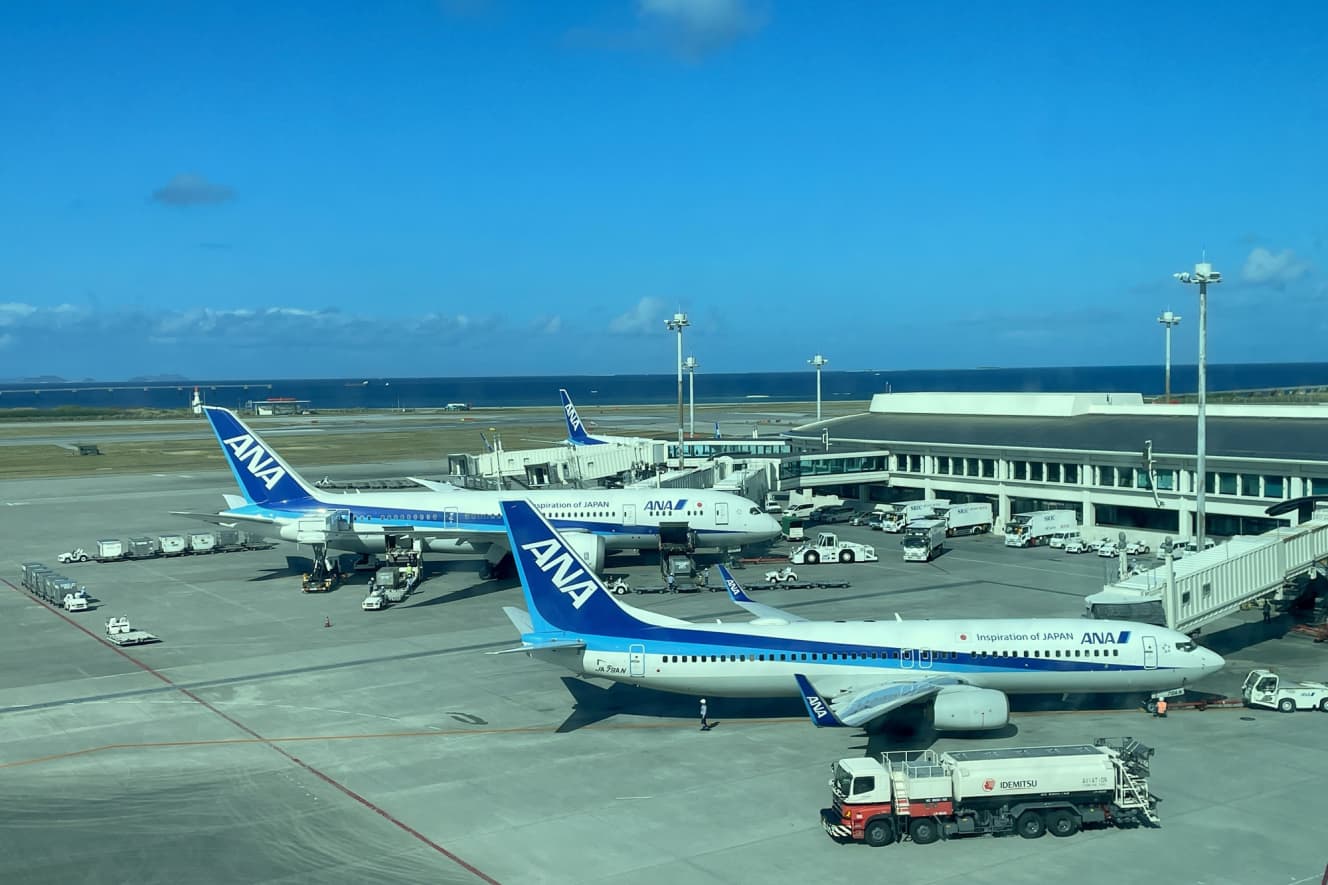
At the beginning of the year, seats on flights such as Haneda–Naha and Haneda–Ishigaki were seen fully occupied by so-called training monks. January is typically an off-season for tourism in Okinawa.
Flight achievements are generally reset every year. Starting from January 1, elite members aiming to maintain the highest “Diamond” status begin their start dash, targeting this off-season when fares are cheaper. Routes like Naha and Ishigaki are popular because longer flight distances allow accumulation of more “Premium Points” (ANA) or “FLY ON Points” (JAL). Some even fly multiple round trips between Haneda–Naha and then Naha–Miyako or Ishigaki.
Some Japanese programs allow semi-permanent retention of elite status. For example, ANA has the Super Flyers Card (SFC), and JAL has the JAL Global Club (JGC). Naha Airport is one of the main hubs for training, with flights to remote islands being a standard way to rack up segments.
Frequent thefts Cultural decline in the premium member lounges
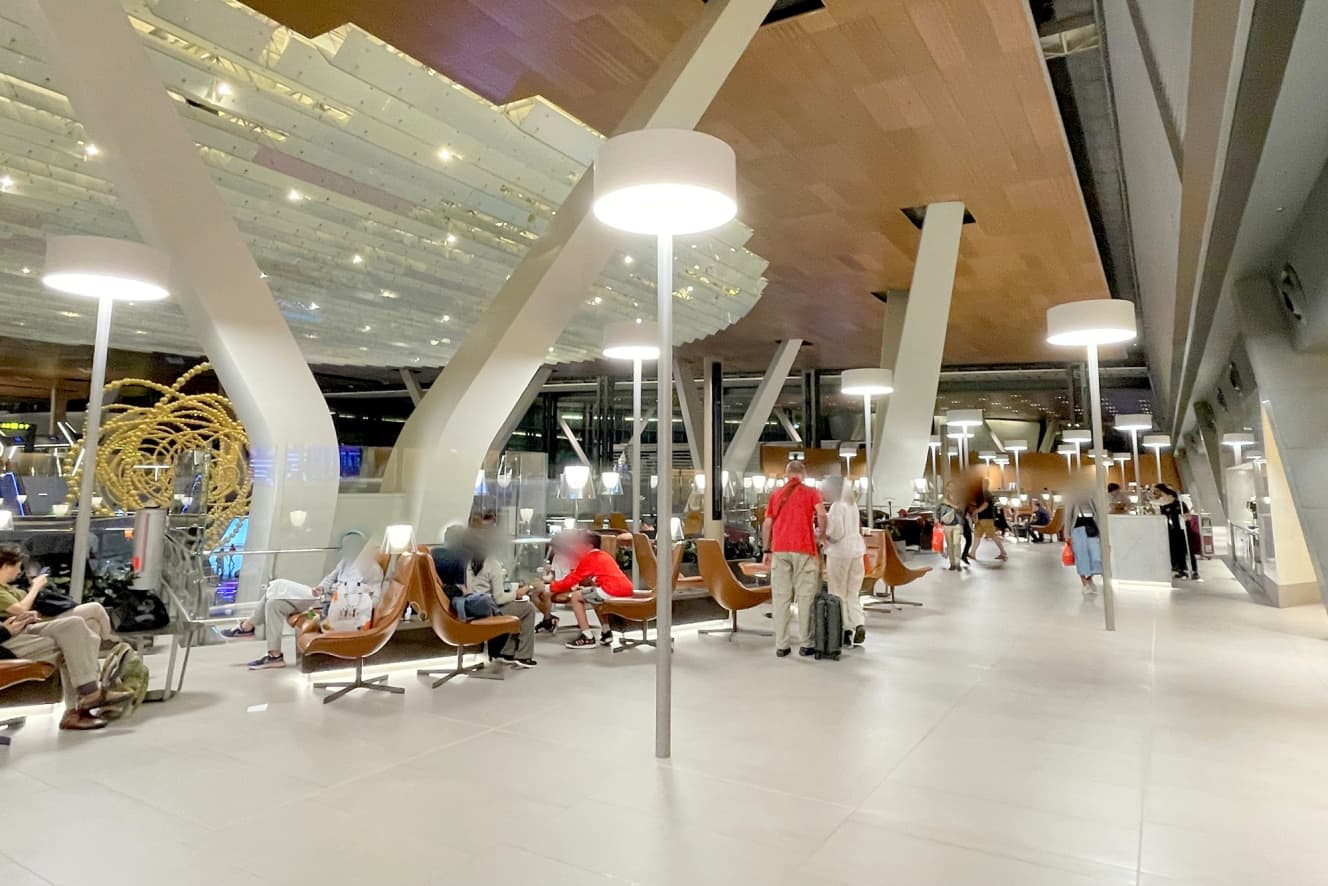
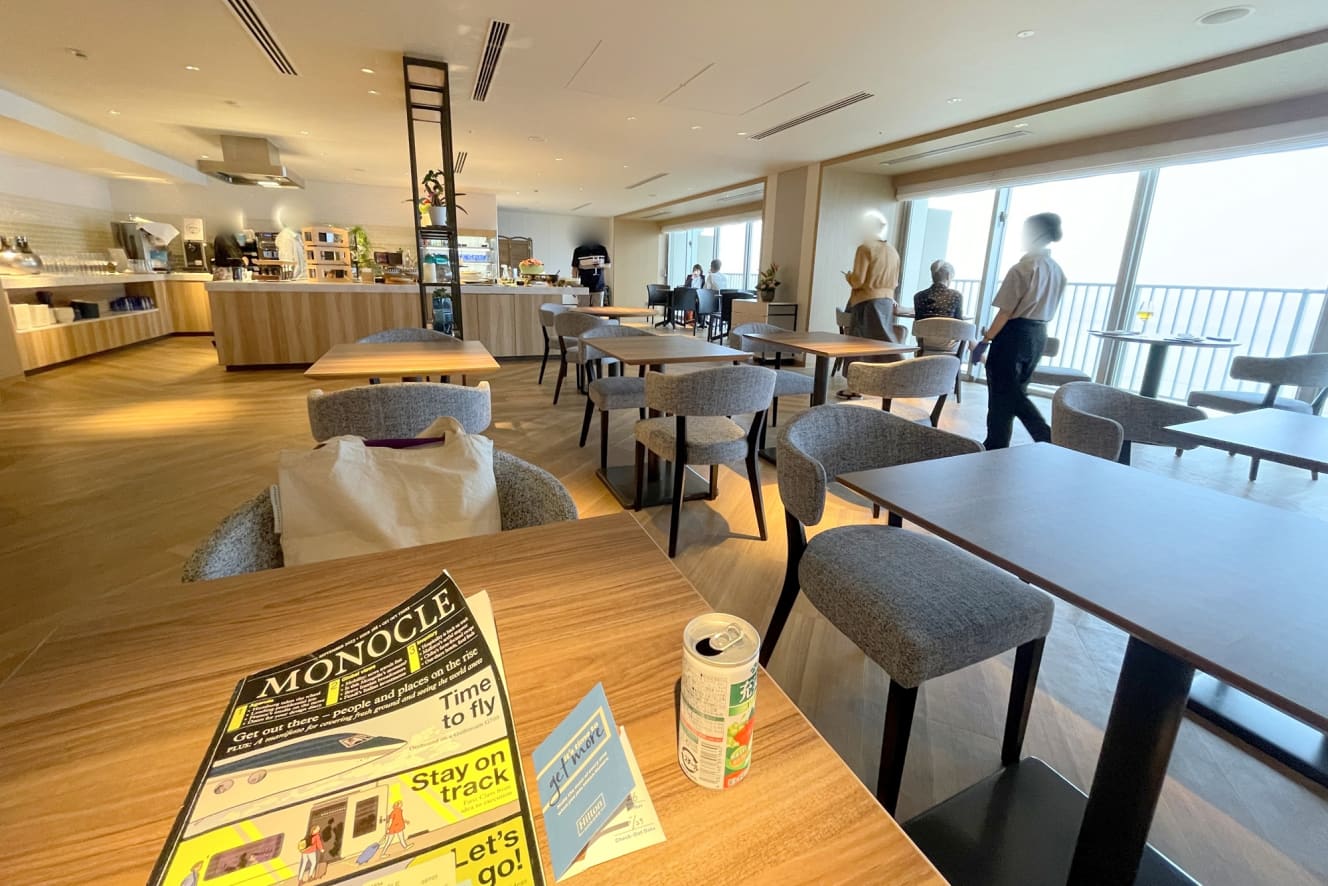
At major domestic airports such as Haneda, Itami, New Chitose, and Fukuoka, there are lounges for premium members and passengers in business class or higher. Recently, both ANA and JAL lounges have become extremely crowded. On top of that, there are noticeable declines in customer etiquette compared to ten years ago—people stuffing large amounts of snack bags into their bags, or even taking onigiri and other items from higher-tier lounges.
Once obtained, SFC (Super Flyers Card) and JGC (JAL Global Club) status can be maintained with only an annual fee of around 10,000 yen. The so-called “SFC training” and “JGC training” have become a boom in recent years, with YouTubers, influencers, and popular celebrities featuring them on TV. During the COVID-19 pandemic, ANA and JAL frequently ran double points campaigns, and over the past decade, the number of SFC and JGC members has sharply increased. This surge has contributed to the cultural decline seen in the lounges.
The decline in manners isn’t limited to airports; hotel lounges reserved for guests have also seen deteriorating etiquette. Like with airlines, hotels award status based on stay history, and many people combine it with airline training to maintain their status. Hotels’ premium guest rooms and lounges are also crowded and noisy during peak times, making it difficult for guests to enjoy a relaxed experience, according to numerous reports.
Lounge Hyenas Gobbling Free Meals
The poor manners of Japanese travelers in lounges don’t end there. In recent years, repeated restrictions on the use of the “Priority Pass,” which grants access to lounges at domestic and international airports, are partly due to abnormal usage.
For example, at Singapore Changi Airport, there are about ten lounges and restaurants accessible with a Priority Pass. Normally, one might use only one lounge per trip, but some people lounge-hop to multiple locations in a single trip and post their experiences on Instagram or YouTube, flooding the internet.
At Kansai International Airport’s domestic terminal, the restaurant Japan Traveling Restaurant by BOTEJYU offers meals worth 3,400 yen, prompting people to deliberately visit both on their way to and from the airport. At ALL DAY DINING GRANDE AILE in Haneda Airport Garden, the lunch buffet (worth 3,850 yen) was almost entirely occupied by Priority Pass users when the author visited.
It’s still fresh in memory that the Rakuten Premium Card, which previously allowed unlimited lounge access with Priority Pass, changed its rules in January ’25 to allow only five free visits per year and no access to restaurants or other facilities. As an alternative to Rakuten, the Saison Gold American Express Card and its variants lowered the Priority Pass membership rank from November ’25, requiring $35 per visit. Other cards still allow lounge access at airports, but restrictions on restaurants and refresh facilities have become widespread.

For example, some people travel using LCCs (low-cost carriers) and maximize their Priority Pass access to airport lounges. At hotels, they stay in the cheapest rooms and largely rely on the lounge for meals.
Those who behave this way move from lounge to lounge like hyenas. Taking full advantage of the privilege of lounge access, they consume as much food and drink as possible—essentially scavenging for free meals. A mindset of since it’s free, I have to eat and drink or it’s a waste is sometimes evident. Even taking items out of the lounge, which is normally prohibited, is disregarded by some.
The anguished cries of island residents whose lifelines are taken away
People known as training monks or training nuns who repeatedly take the same flight segment in a day may seem to act strangely to outsiders. However, they pay no small fares to fly, and for the airline, they are still paying customers.
A recent article, released on January 20, sparked discussion. On the Okinawan island of Tarama, it was reported that islanders cannot get on flights, prompting the village of Tarama to request improvements from Okinawa Prefecture and the airline.
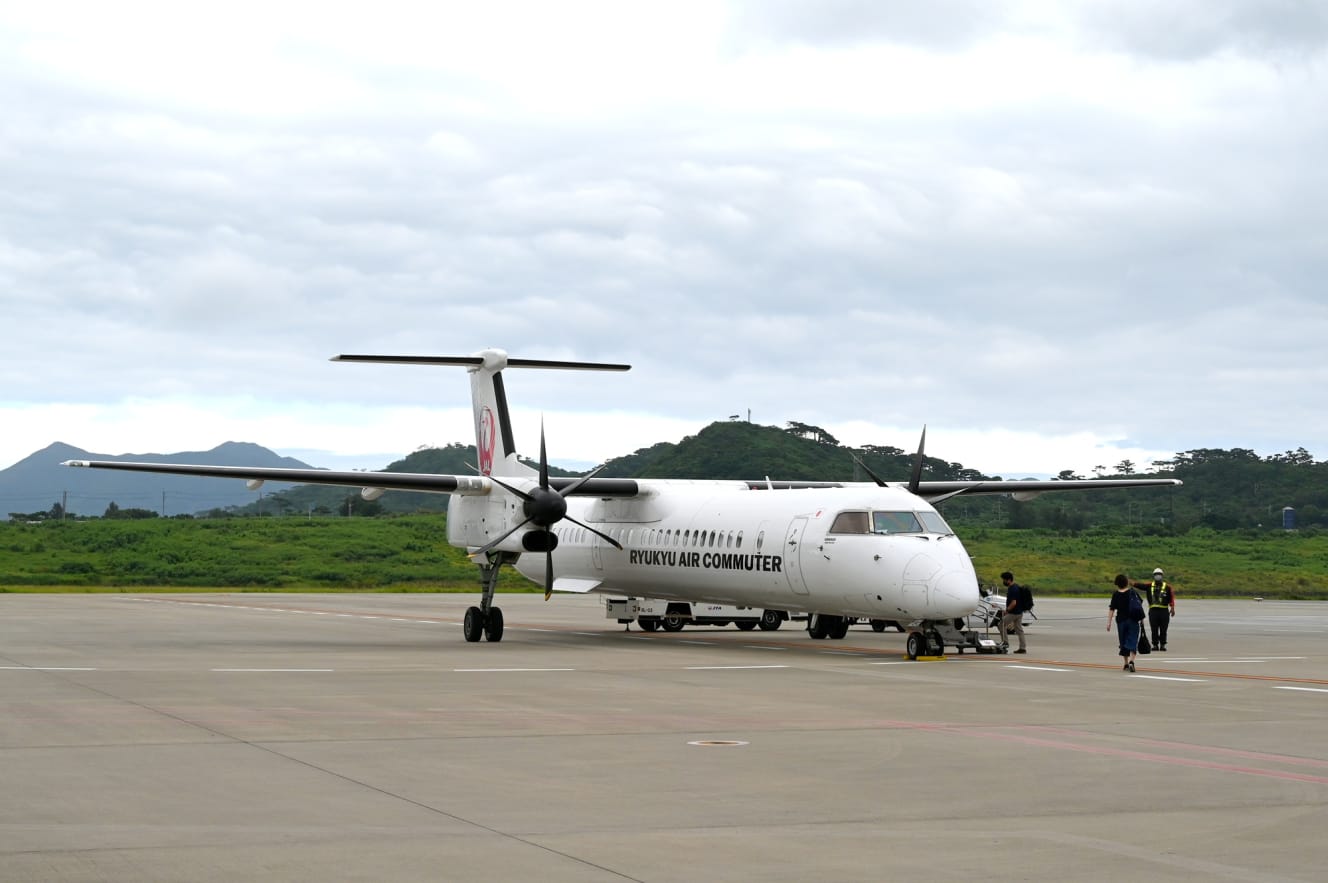
On Tarama, JAL Group’s Ryukyu Air Commuter (RAC) operates two round trips per day on the Miyako–Tarama route. According to the article, the 50-seat flights were almost fully booked until the end of February by reservations thought to be for training purposes, leaving island residents struggling with medical visits, shopping, work, and school. By comparison, ferries run only one round trip per day to Miyako Island, taking about two hours and with a risk of cancellation.
For training flights, passengers often do a touch pattern, flying the same plane back immediately, which brings no economic benefit to the local community. For remote islands, flights are a vital lifeline, and being unable to make reservations is a matter of survival.
In response, JAL announced that the ongoing “Double Life Status Points Campaign” would exclude Miyako–Tarama flights booked after February 3.
Previously, on the Haneda–Izu Oshima route operated by ANA, as the popularity of SFC grew, most seats were taken by training passengers, making it difficult for locals to secure flights. As a result, ANA abolished status acquisition through boarding counts. Later, with high-speed jet ferries competing, the route became unprofitable, and ANA withdrew at the end of October ’15.
A wave of worsening rules Mileage training heads toward its end
Foreign airlines also have status programs similar to those of Japanese carriers. Upper-tier membership cannot be maintained indefinitely with only an annual fee; it is generally renewed yearly, and if you don’t keep flying every year, you easily revert to a regular member. In fact, this is the global norm—a true international standard.
Additionally, overseas airlines often separate lounges for business class passengers and economy-class upper-tier members. For example, at hub airports for Qatar Airways, Singapore Airlines, and Turkish Airlines, the behavior of passengers differs between groups. By separating them, airlines can prevent complaints from high-paying business-class customers.
Since 2024, JAL has revised the rules for earning JGC status. Previously, it could be achieved with 50 flights in a year, but now it requires the equivalent of 300 flights in total, dramatically raising the barrier for new members. ANA has also announced that it will significantly overhaul its fare system from May 19 this year, leading to a last-minute rush under the current system up until May 18.
In reality, frequent, paying customers are the airlines’ best clients, and the membership programs are essentially designed to lock in these loyal customers. Meanwhile, small cutbacks—such as reduced mileage accrual rates or the planned abolition of ANA’s annual upgrade points for elite members in 2026—have been steadily implemented over the past few years.
Airlines and hotels have repeatedly tried to maintain a balance between the system’s original purpose and other uses, but they may be reaching the limit. Rules like these tend to get stricter over time, but rarely improve.

Interview, text, and photographs by: Shikama Aki