Takashi Tachibana Ordered to Pay 880,000 Yen in Defamation Case Against Kan Ken


Statements that damage the plaintiff’s social reputation
The general election for the House of Representatives was officially announced on January 27, marking the start of the full-scale campaign. While candidates were presenting various arguments, the judiciary issued a significant ruling that drew public attention.
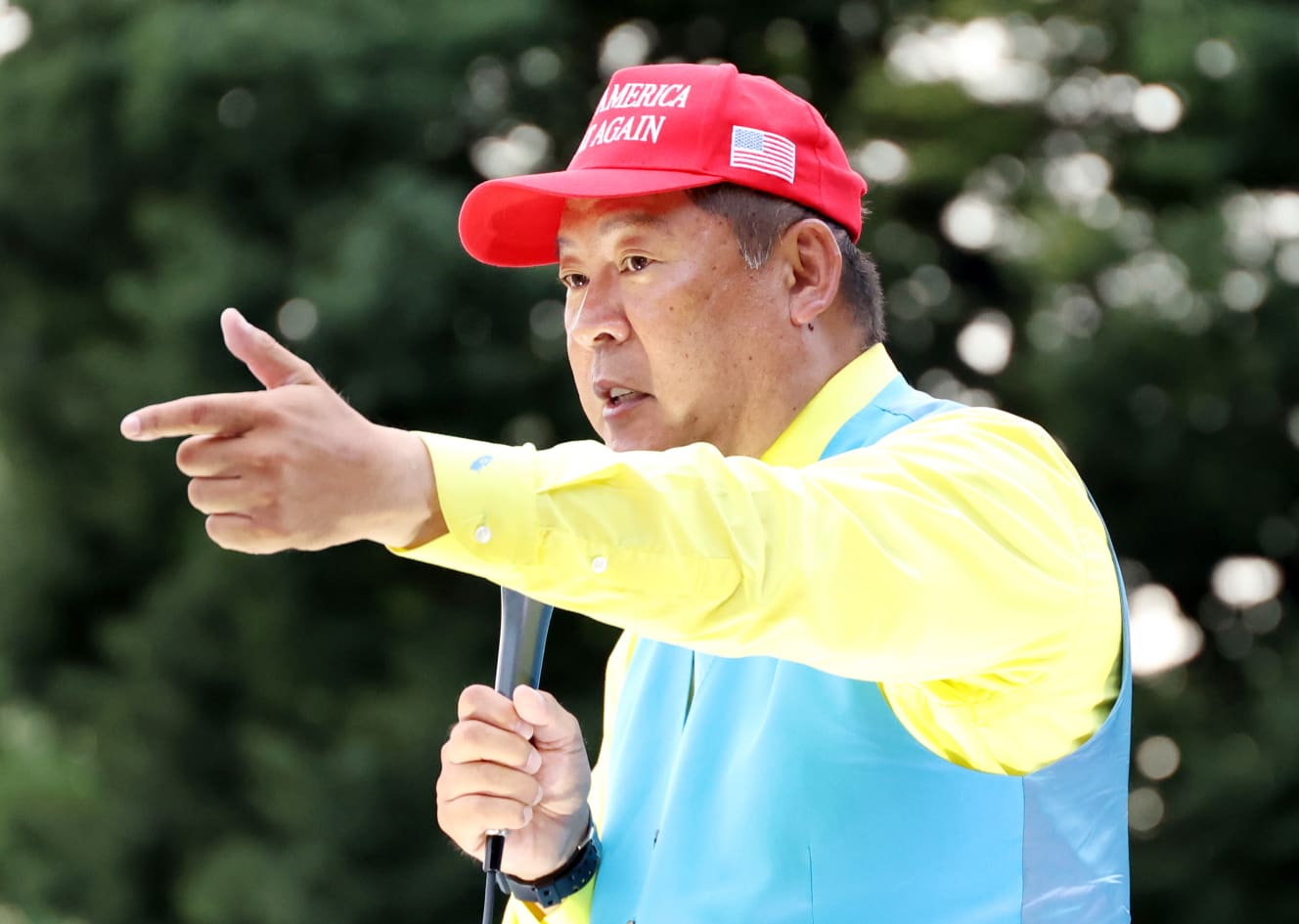
Last year, Takashi Tachibana (58), leader of the “NHK kara Kokumin wo Mamoru To” party, who was arrested and indicted for defaming a former Hyogo Prefectural Assembly member, was ordered by the Tokyo District Court on January 22 to pay 880,000 yen in damages in a defamation lawsuit filed by Kan Sugano (51).
On June 8, 2025, while giving a support speech for Amagasaki city council candidate Kanki Fukui (54), Tachibana told gathered protesters:
“These people are getting 5,000 yen or 10,000 yen from Kan Sugano. It appears on Sugano’s website. They’re being paid to do it. People who support the Constitutional Democratic Party and the Communist Party are paying for this kind of activity.”
The court found these statements baseless and ruled:
“The statements give the impression that the plaintiff (Kan Sugano) is engaging in conduct unbecoming of a writer by financially mobilizing people to heckle the defendant, which is recognized as lowering the plaintiff’s social evaluation.”
Thus, the court deemed this defamation.
Following the ruling, Sugano commented on his social media about the decision.
Political statements during elections are not exempt from defamation
“This ruling will serve as a strong restraint against foolish people who mistakenly think, ‘It’s an election, so I can say anything.’”
The 880,000-yen damages may not be a huge sum, but Kosuke Nishiwaki, former head of the legal department at TV Asahi, told our site:
“The significance of this ruling is substantial.”
He explained:
“In defamation cases, the main points of contention are usually whether the statement harmed the plaintiff’s reputation (‘social evaluation decrease’) and whether the content was true or reasonably believed to be true (‘truthfulness / reasonable truth’). This ruling addressed both points. Crucially, the fact that the statement was made during an election campaign speech was not treated as a special circumstance.
Being an election speech does not mean it is acceptable to harm someone’s reputation or to make false statements. Even political statements made during an election are illegal if they harm someone’s reputation without truth or reasonable basis.”
Regarding the consequences of this ruling, Sugano wrote on X:
“I will file defamation lawsuits as soon as such cases are found.”
Nishiwaki added:
“There were many cases where people who supported Tachibana made statements similar to the ones at issue. Since this ruling found Tachibana’s statements illegal, anyone else making the same statements could also face legal liability if sued.”
In fact, surprisingly many people made statements similar to Tachibana’s. This ruling clearly shows that the spread of false information will not be tolerated, marking a significant step toward purifying social media.
Interview and text by Hiroyuki Sasaki, entertainment journalist: Hiroyuki Sasaki (Entertainment Journalist) PHOTO: Yoshio Tsunoda/Afro