26 Years On: Journalist Reflects on Media Frenzy and Contact with Niigata Abduction Perpetrator


The girl confinement case that shocked the nation
On January 28, 26 years ago, the “Niigata Girl Confinement Case” came to light when a doctor and public health office staff entered the second floor of a private home in Kashiwazaki City, Niigata Prefecture, following a consultation from a mother who said she was troubled by her son’s domestic violence. The son, S (then 37), who was unemployed and socially withdrawn, had abducted a 9-year-old girl in November 1990 and secretly confined her in his room for over nine years, shocking the public. FRIDAY writer Ryo Nakahira, who covered the case at the time, recalls the circumstances when the case was uncovered and also investigated the perpetrator’s afterward.
“When I get out, I want to do horse-racing predictions in magazines or something. Also, I’d like to help people who suffer from obsessive-compulsive tendencies like me. Does anyone want to invest in me?”
The man who confined the girl for about nine years and two months reportedly told the writer, who visited him at Chiba Prison, about his future plans.
The shocking case came to light on January 28, 2000.
“From the room of a man in Kashiwazaki City, Niigata Prefecture, a missing girl was found.”
When this fact was reported on the 29th, a large number of reporters swarmed Kashiwazaki City. This incident came to be called the “Niigata Girl Confinement Case,” and even before S was arrested on February 11, some media outlets had reported the perpetrator’s name.
In addition to television and newspapers, many reporters from weekly magazines and sports papers visited S’s home area and his former classmates from elementary, junior high, and high school, and coverage intensified. When many reporters are seeking information, people sometimes try to profit from it. One restaurant claimed, S was a regular, and at the store he was called the pervert, and reporters flocked there daily as customers.
It was hard to imagine socially withdrawn S walking around the downtown area, but just thinking what if it’s true made them feel they had no choice but to go as customers. Ultimately, it was false, but one evening newspaper had an employee at the restaurant draw a likeness of someone resembling S and reported it as a scoop.
The photos of S reported at the time were from nearly 20 years ago, taken from his high school graduation album. Even with a crude sketch, there was no way to definitively say it was a completely different person.
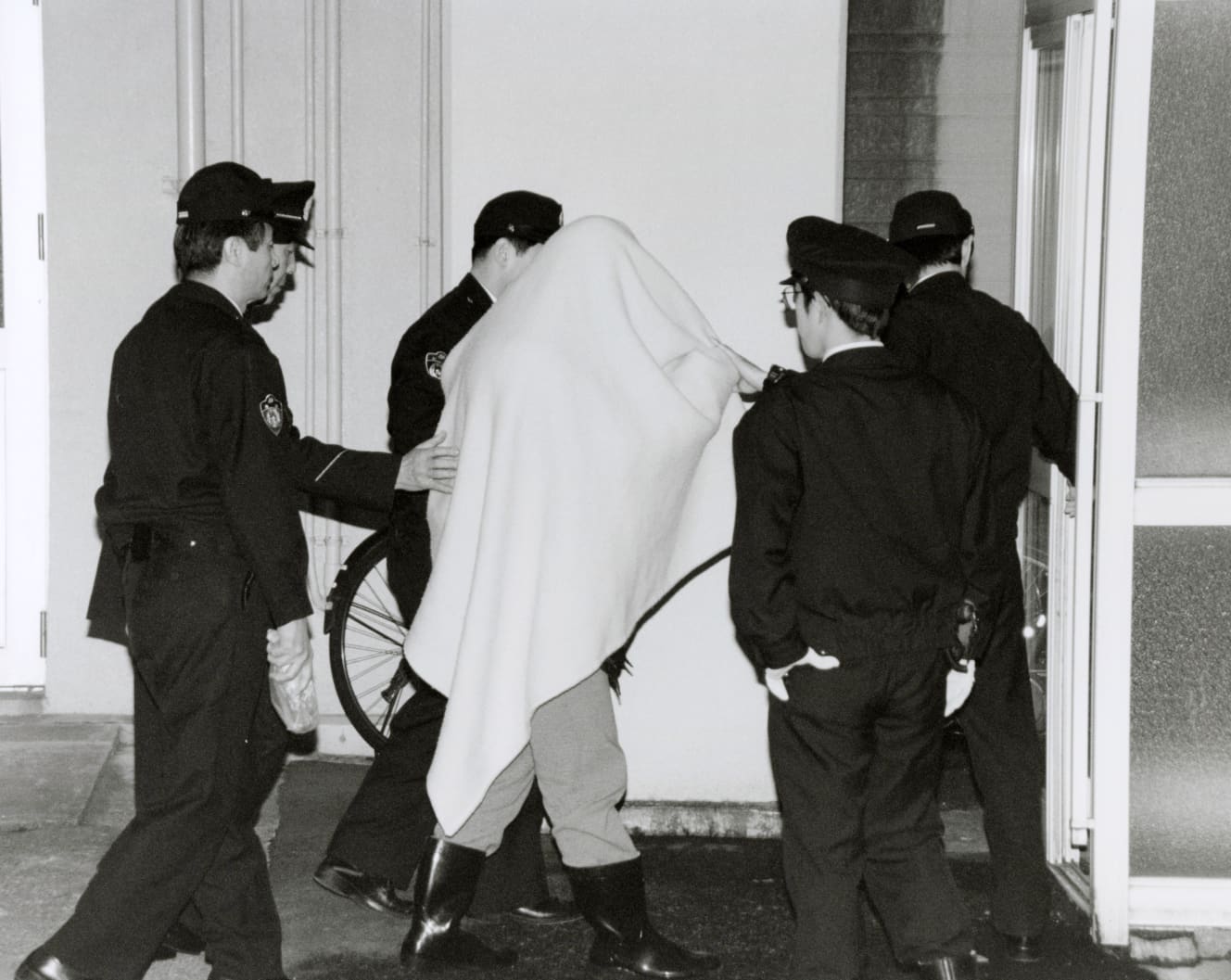
Because of that, when S was arrested and transferred to the prosecutor’s office, over 100 reporters gathered in front of Sanjo Police Station trying to photograph his face. A sports reporter shouted at the police to get down from a utility pole, “It’s dangerous!” while a weekly magazine photographer pounded on the transfer vehicle windows, yelling, “S, lift your face!” at S, who had his hood up, creating an intensely heated scene.
Even so, no media outlet was able to photograph S. In that situation, FRIDAY rented a high-altitude work vehicle on May 23, 2000, when S’s first trial opened, to target him from above as he left the detention center. However, a blue tarp concealed him, preventing any photographs.
Posing as an acquaintance, he entered the house with the mother
At the time, Masaki Kubota, who covered the case for FRIDAY and later continued following it as a freelance writer, became the first journalist to set foot in the confinement room. According to him, one night around the time the trial began, he was able to make contact with S’s mother for the first time.
“That day, five or six media outlets were in front of S’s mother’s house trying to get comments. As one or two left, around 10 p.m., the mother quietly stepped outside. Suddenly the lights came on, TV reporters aimed their cameras, and the mother froze in surprise. On instinct, I pretended to be an acquaintance and said, ‘Please stop,’ while scooping her up and bringing her inside to the front door of the house.”
After identifying himself at the door and making small talk, he avoided discussing the case itself.
Kubota visited S’s mother again around January 2002, when the first-instance ruling was handed down at the Niigata District Court. He recalled:
“About two years had passed, but she remembered having met me before. From then on, I continued to cover S’s mother regularly. S enjoyed driving and often went on trips with his mother, but because of his obsessive-compulsive tendencies, he neither ate nor stayed overnight, and rarely got out of the car. She said, ‘I wish I could have gone to a hot spring,’ so I took her on a one-night drive to a hot spring in Toyama with a photographer. During the trip, we spent the whole time talking about S.”
Kubota also eventually entered S’s house. He continued:
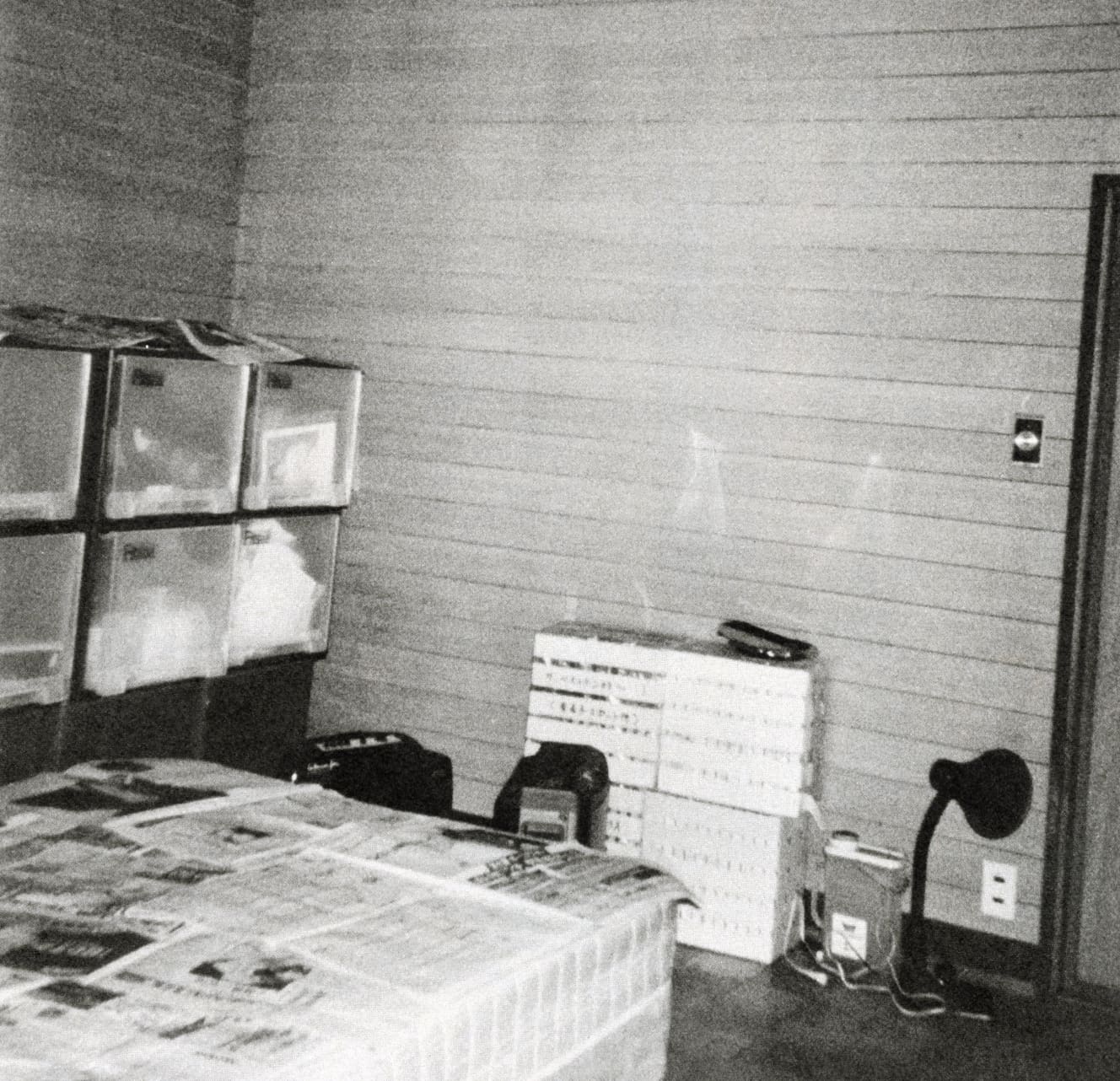
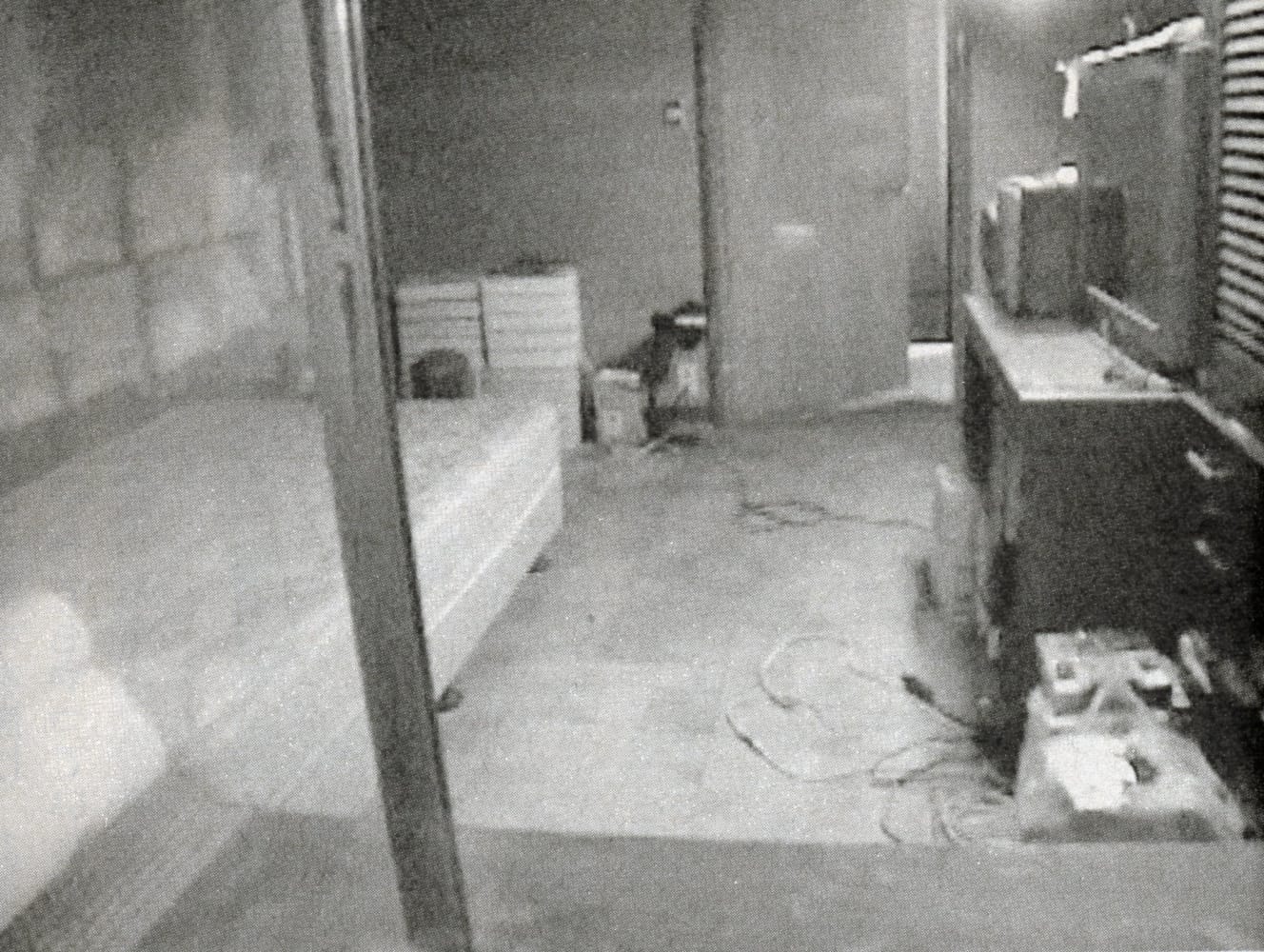
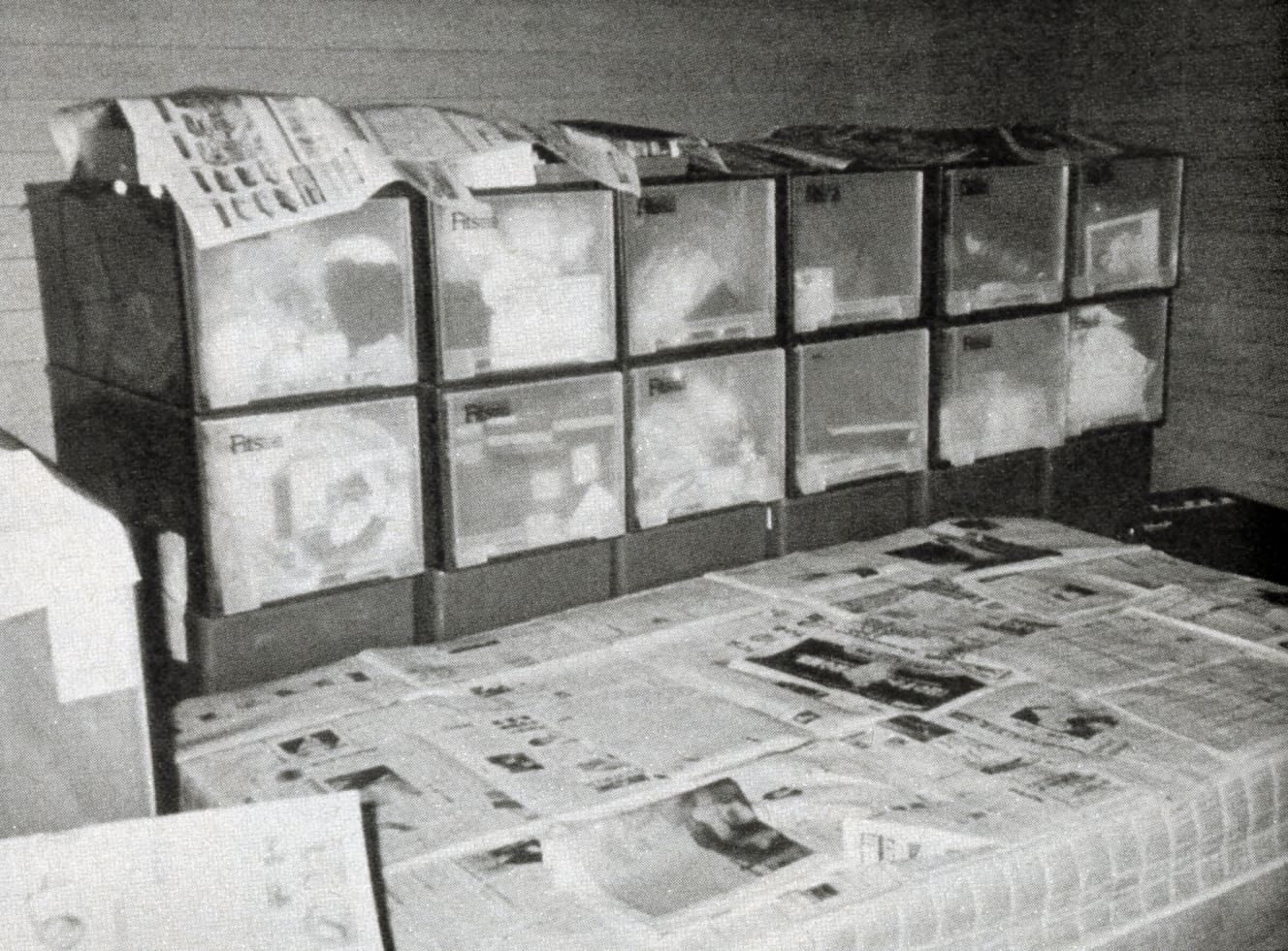
“I went up to the second floor where S’s room was several times. The first thing that caught my eye was that the paint on the second-floor hallway and walls was completely peeling. S had placed urine and other waste in plastic bags around the area, which had caused the ammonia to eat away the paint.
However, the mother firmly refused to go upstairs. Just looking up at the second floor reminded her of being shocked with a stun gun by S, whom she called the ‘Tear-apart Punishment,’ and that fear was deeply ingrained. Still, when she finally went upstairs with me, she whispered, ‘So this is how small the room was.’”
“I’ve decided to live as a person with a disability”
Kubota repeatedly interviewed S’s mother and compiled the book 14 Steps in April 2006. However, his connection to the “Niigata Girl Confinement Case” did not end there. Around 2008, Kubota received a letter addressed to him from S, who was still in prison at the time, sent through Shogakukan, the publisher of 14 Steps. S had had his 14-year prison sentence finalized in August 2003.
Recalling that time, Kubota said:
“S, incarcerated at Chiba Prison, reportedly read 14 Steps there. At first, he was angry and said, ‘This is all nonsense!’ But after reading it multiple times, he found points he could accept and eventually wrote that he began to think, ‘Maybe this guy Kubota understands me better than anyone else.’”
After that, Kubota began visiting S in prison, listening to his complaints, and providing items like idol magazines and car flyers as requested. As mentioned earlier, S also consulted him about plans for life after release. In total, S sent around 30 letters.
However, one day, the relationship abruptly ended. Kubota continued:
“OCD-affected S had various problems, such as being unable to eat the same food as other inmates. While repeatedly admitted to and discharged from a medical prison, the prison, concerned about his health, assigned a social worker. During discussions about post-release life, S decided how he would live going forward. His final letter said: ‘I have obtained a disability certificate and have decided to live as a person with a disability after release. For that, I will need the support of those around me, so I will no longer meet with journalist Kubota.’”
S was released in 2015, and his mother had passed away during his imprisonment. It is unclear what kind of life S led after his release.
The only confirmed report came in January 2020, when the Niigata Nippo reported that S had died around 2017 in an apartment in Chiba Prefecture. The apartment where he died was rumored online to have been used for poverty-related business.
Unlike the frenzied attention at the time the case broke, the news of S’s death received little follow-up coverage from other media outlets.
And now—26 years after the case, S seems to be on the verge of being completely forgotten by public memory.


Interview and text: Nakahira Ryo PHOTO: Takaaki Yagisawa