Major League Offers to Seibu’s Mitsunari Takahashi Deemed Minor League Level, Highlighting Clear Gap with Former Teammate Imai


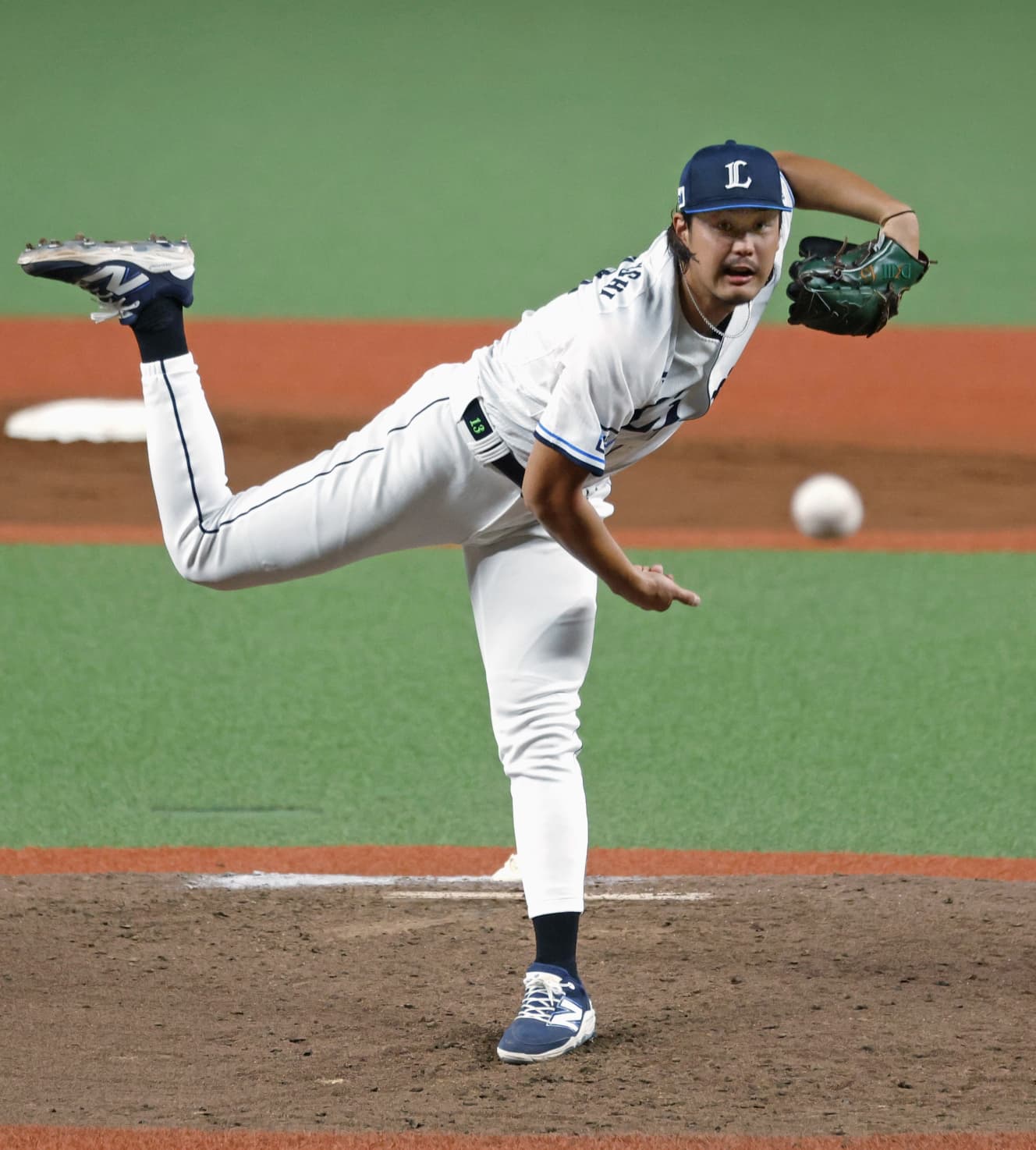
Spin rate on his fastball remains a concern
Seibu pitcher Kosei Takahashi (28), who was allowed to challenge Major League Baseball through posting during the off-season, ultimately chose to remain with the team this year. At the same time, Tatsuya Imai (27) was cleared to pursue a Major League career and signed a three-year contract worth over 8.4 billion yen with the Houston Astros, highlighting a contrast in their paths.
On January 4, the Seibu organization announced that Takahashi would remain and that a contract agreement had been reached. Manager Fumiya Nishiguchi (53) expressed relief, saying, “He may feel disappointed, but for the team, a major asset has returned. I hope he maintains the rotation throughout the year.”
“Takahashi has been expressing his desire to challenge MLB almost every year since the 2022 off-season. However, 2024 was an unexpected disaster with a 0-11 record. Last season, he also went 8-9 and was unable to contribute significantly to the team. In contrast, Imai, who had achieved double-digit wins for three consecutive years, had a strong presence,” said a former team official.
When Seibu allowed posting transfers for their two ace pitchers, Takahashi and Imai, the organization initially received a considerable number of negative opinions.
However, according to the former official, team executives felt that for Imai it was one thing, but it would be difficult to offer a contract that Takahashi would find acceptable.
“The reason lies in the data from measurement devices such as Rapsodo. The biggest difference between Takahashi and Imai is the spin rate of their fastballs. Imai demonstrated figures that would be fully effective in MLB, whereas Takahashi’s numbers were well below the MLB average.
If a pitcher cannot throw a ball that can induce swings and misses in the strike zone even when batters know it’s a straight pitch, it is difficult to accumulate wins. Takahashi’s pitches had not reached that level,” said a journalist covering Major League Baseball.
Still, it was not the case that no teams showed interest in Takahashi. MLB.com reporter Mark Feinsand reported, “Takahashi received offers from three Major League teams.” So why did he choose to stay with Seibu?
“It seems he had initially told his agent, ‘If the contract is at a minor-league level, I will decline the challenge.’ In other words, the MLB contracts proposed by the three teams — whether single-year, low salary, or without minor-league opt-outs — were likely much stricter than Takahashi had anticipated.
Put differently, Takahashi had not yet reached a level that would earn high valuation in MLB, and he judged the proposed contracts to be minor-league level.
He may have feared a repeat of Akihiro Aoyagi’s (32) experience, who challenged MLB from Hanshin. Within the team, while many felt relieved by Takahashi’s decision to stay, some commented, ‘If he had once announced a challenge, he should have taken the leap regardless of the contract.’” said a team insider.
First, he should display overwhelming pitching in NPB and eventually aim to secure a major contract surpassing Imai’s.
PHOTO: Kyodo News