As many as 6,000 stores! Chinese “Giant Chains” Landing in Japan One after Another: “Too Desperate to Continue”.


The news that Sushiro and Torikoshi had long lines of customers in Shanghai in 1925 is still fresh in our memories. However, did you know that an even more massive “tectonic shift” is taking place under the surface?
The increasing number of “unreadable signs” and “stiff Chinese” queues in the city. In fact, this is not just a boom in individual restaurants. Mega-chains” with thousands of outlets in mainland China are landing in Japan one after another. Why are they crossing the sea? Behind this is a very unexpected and compelling situation in China.
Sweeping Japan…The Identity of the “6,000-Shop-Class” Giant from China
The “ma la tan” boom began in 2012, especially among young women. It was nominated for the New Words and Trendy Words Award in 2013, and is increasingly seen in cities other than Tokyo.
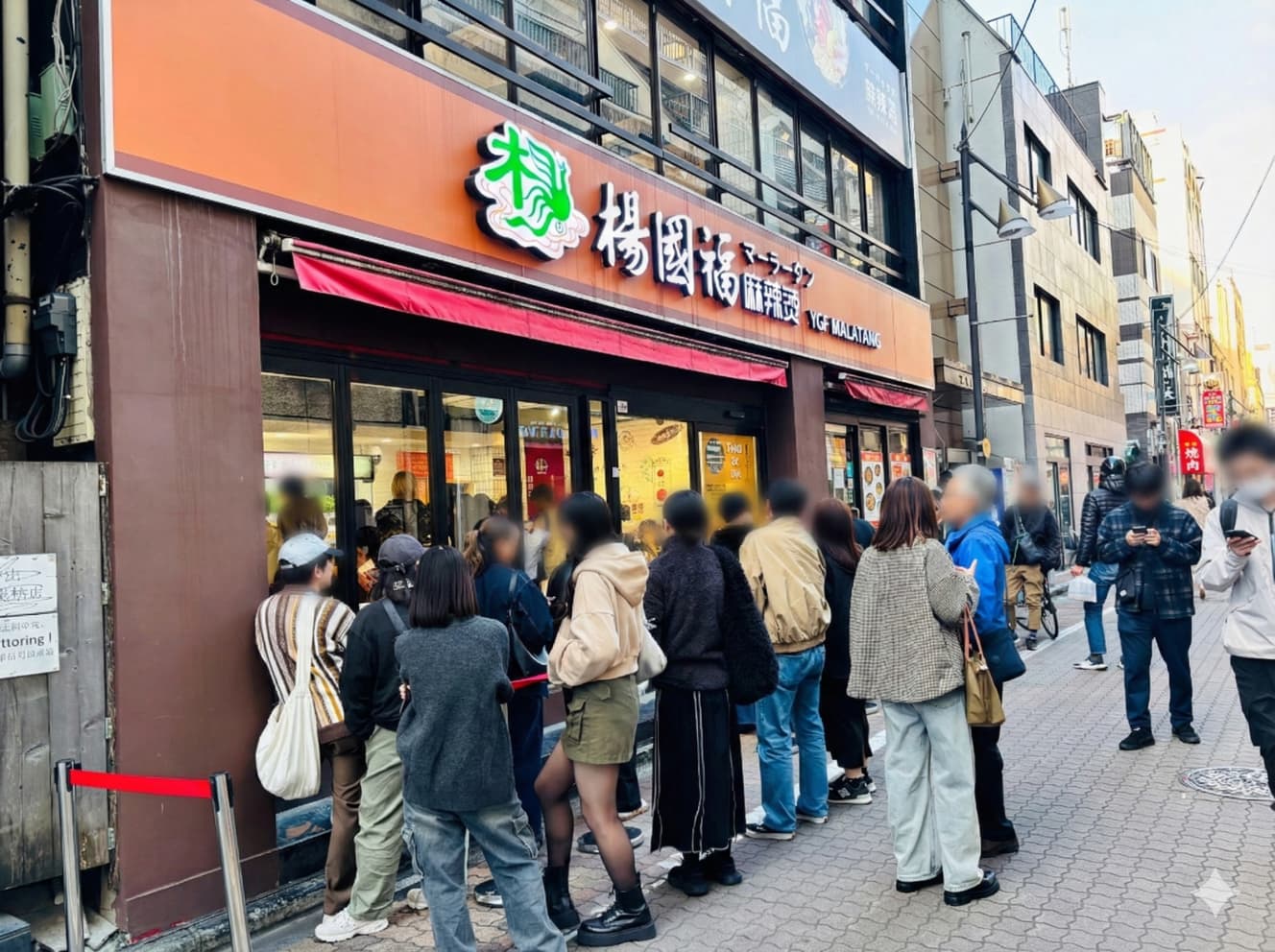
In terms of Chinese chain restaurants, the one with the most presence is probably “Yang Guofook. Since opening a branch in Ikebukuro, Tokyo in 2005, the number of stores has gradually increased in areas with a large Chinese population such as Ueno, Takadanobaba, and Shin-Okubo, and since Ma Lertang became popular among the Japanese, the number of stores has increased in areas such as Kichijoji and Shimokitazawa, where young people gather, as well as Fukuoka. After Ma-la-tan became popular among Japanese, the number of stores expanded to areas where young people gather, such as Kichijoji and Shimokitazawa, as well as Fukuoka and other areas outside Tokyo.
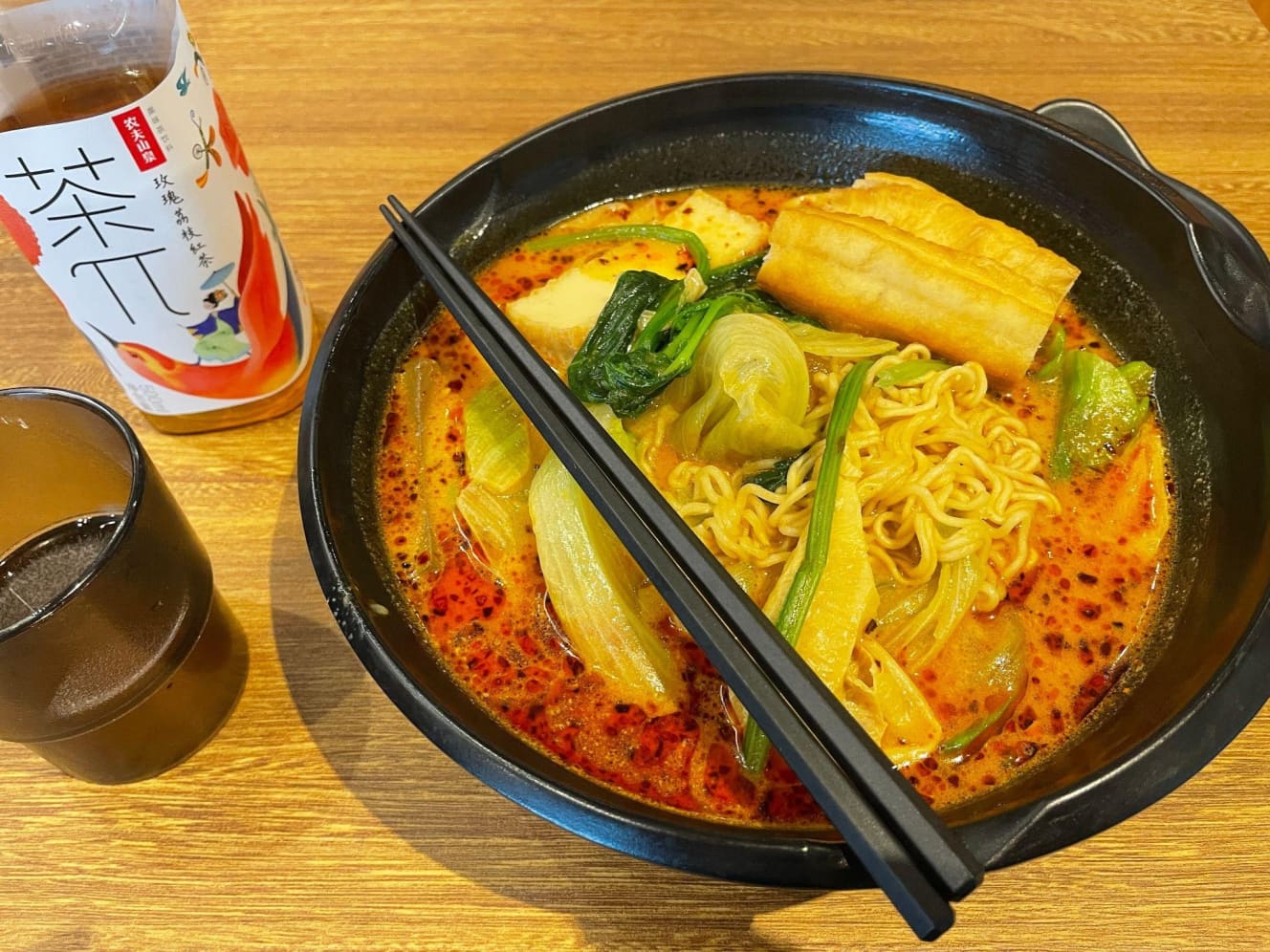
The customization system, where customers choose their favorite ingredients from a showcase of meat, seafood, vegetables, fish paste, etc., and boil them in a special hot-and-sour soup, has become very popular.
Behind this success, a number of Chinese chain restaurants have also entered the Japanese market, seizing the opportunity presented by the ma la tan boom.
Zhang Liang Maoratang,” which is as well known as “Yang Guofu” in China, has expanded to Yokohama Chinatown and Komagome, while “Chiaai Maoratang,” which operates mainly in Fujian Province, has expanded to Takadanobaba and Ueno. Dios (刁四) Ma Lertang, which operates mainly in Osaka, is a mammoth chain with more than 2,000 outlets in its home country.
Escape to Japan…China’s “desperate situation
Why are so many Chinese chains flocking to Japan now? Behind this is not only Japan’s ma lartang boom, but also the severe economic situation in China.
The Chinese domestic market is becoming saturated due to the economic downturn. Walking down the street, one is confronted with similar restaurants and a fierce price war is raging. This excessive internal competition in Chinese society is known as “internal volume.
In order to escape from this “internal competition,” companies have found a way to expand overseas (dehai).
Rednote, China’s version of Instagram, shows that the above-mentioned “Yang Guofu” is aggressively opening stores not only in Japan, but also in Europe and Southeast Asia. In particular, Japan has become an ideal “opening destination” due to its geographical proximity, the large number of Chinese residents in the country, the affinity of its food culture, and the ease of obtaining visas.
100 Years in Business: The Destructive Power of “Superb Fried Lamb Soup



In order to avoid excessive competition, some chains have begun to offer “originality” in the Japanese market. One such chain is Lao Su Yuan, an Inner Mongolian restaurant that “set sail” from China in 1925 to establish itself in Ikebukuro, Tokyo.
Founded in 1921, the restaurant has more than 140 outlets in more than 20 cities in China, including Inner Mongolia, Beijing, and Shanghai. The company’s website reports that it will “expand overseas from Inner Mongolia in 2013,” and that it has expanded into Japan, Singapore, and Australia. Australia and Singapore are home to a large number of Chinese nationals, and the company seems to be pursuing the same strategy for its overseas expansion.
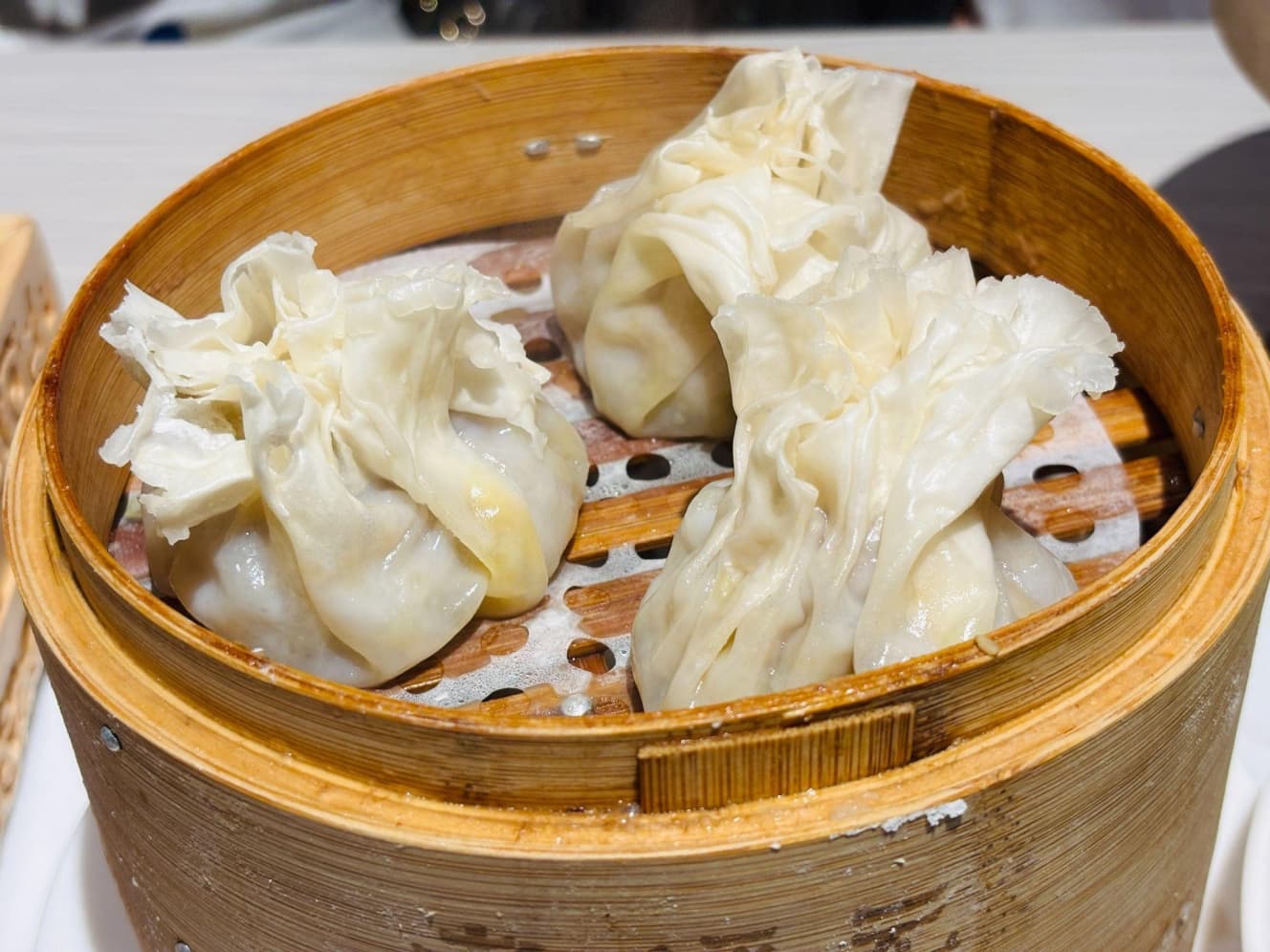
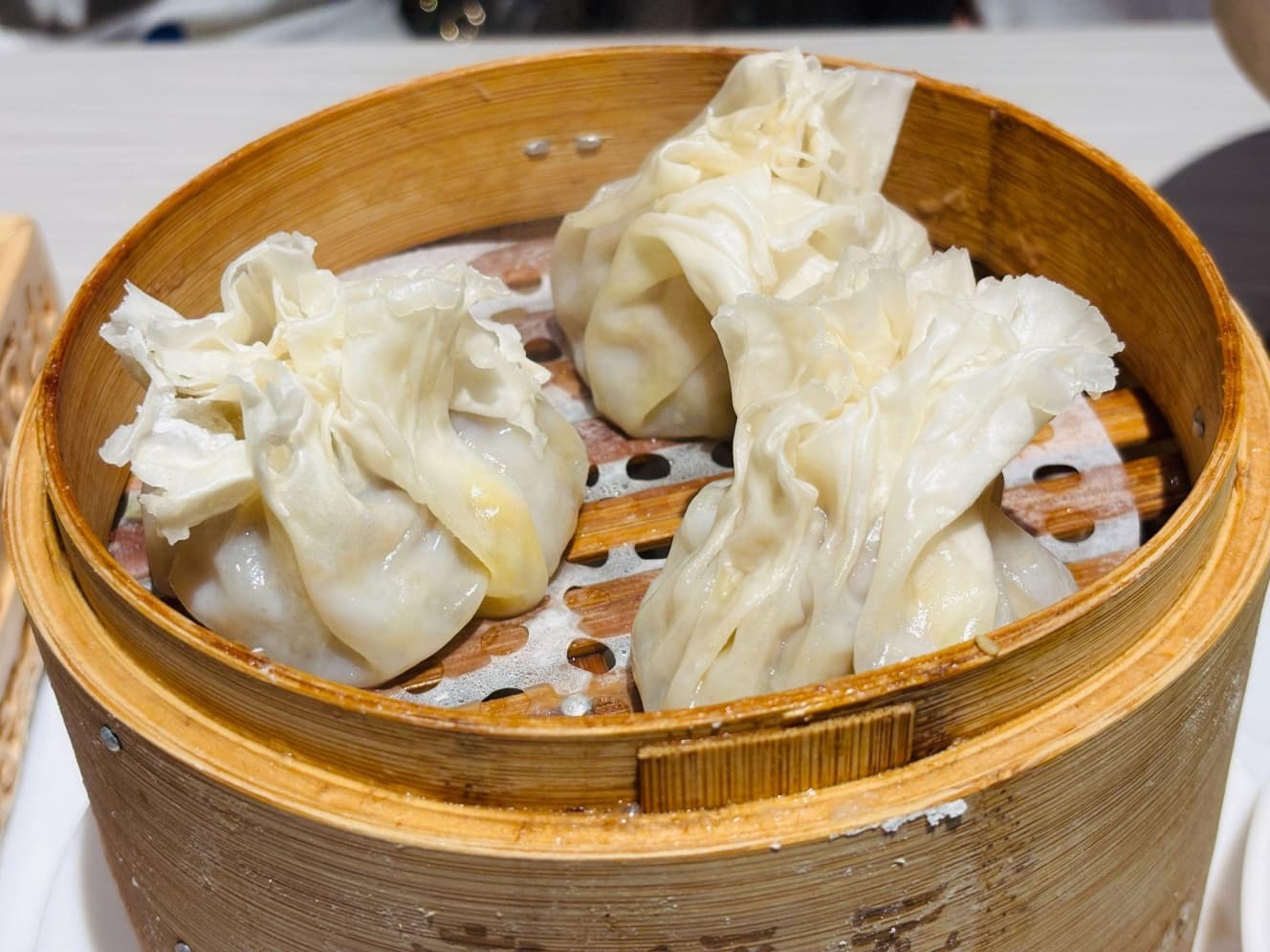
The signature item on the menu is “yakimai,” or “grilled barley” made with lamb. Instead of a pork filling like Japanese yakisai, the yakimai is made by wrapping lamb meat in a thin skin and steaming it like a drawstring, resulting in an exquisite dish with the aroma and flavor of lamb meat concentrated in it.
You can also taste “Mongolian-style milk tea,” an essential ingredient in Mongolian cuisine. This salty, not sweet, milk tea with millet and butter will make you feel as if you are in Mongolia (many people think it is sweet milk tea, but it is not what it seems, so it is recommended to think of it as soup).
The restaurant also serves all kinds of Mongolian dishes, such as lamb wrapped in lamb’s honeycomb, lamb shabu shabu, and lamb soup, making it a good choice for lamb lovers as well.
Live music using the Matouqin, a traditional Mongolian musical instrument, is played at set times in the evening, offering an exotic experience that is different from the Sichuan cuisine or hot pot with hot chili sauce that is often found in stiff Chinese dishes. The restaurant opened its second restaurant in Namba, Osaka, at the end of December 2013, and plans to further develop its business in Japan in the future.
Beyond Szechuan? The Magic of the “Rice Thief
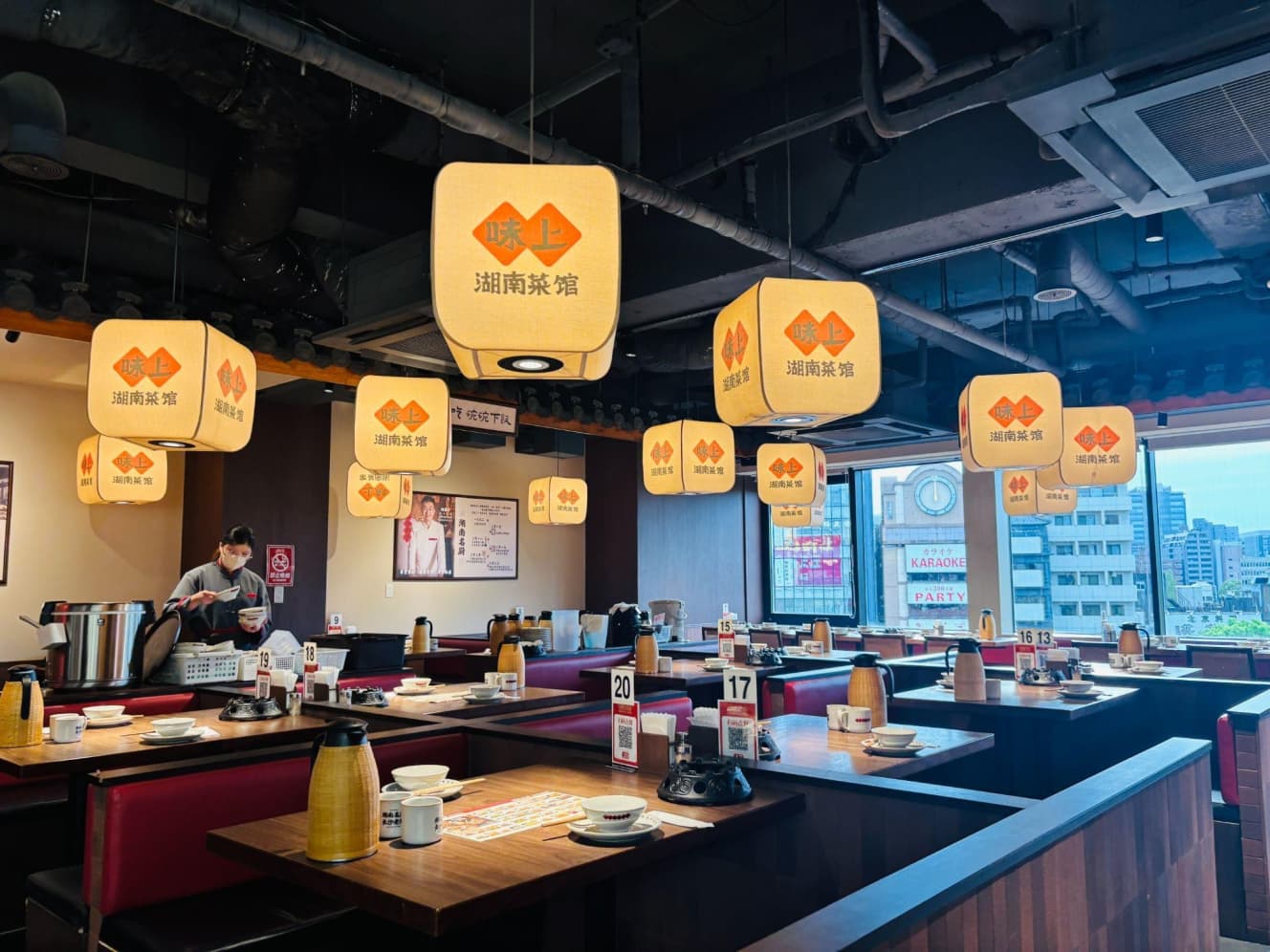
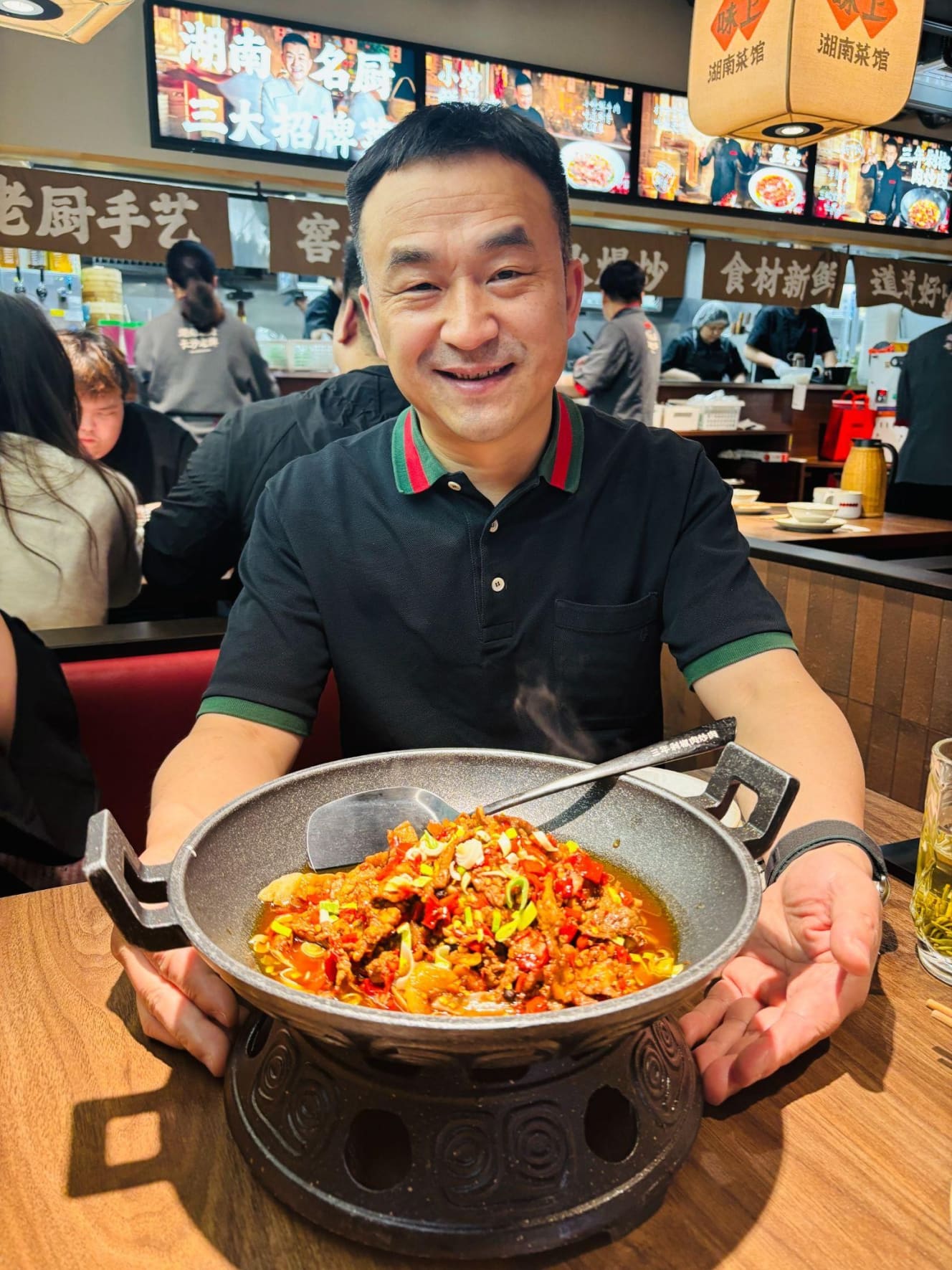
Another new trend that deserves attention is “Hunan cuisine. The Ueno/Okachimachi area is a place where multinational cultures mingle, centering on Ameyoko, but in recent years it has also been attracting attention as a place where serious Chinese food is concentrated. Ajishang Hunan Cuisine,” which opened in July 2012, is a chain restaurant that has entered this area.
As the name suggests, the restaurant serves Hunan cuisine (xiangcai) from China’s Hunan Province, and has more than 50 outlets, mainly in the local Hunan area. Hunan cuisine is one of the eight major cuisines in China, and is characterized by the use of intense hot chili peppers and fermented chili peppers, which are called “sheng-la” or “xiang-la,” as opposed to the “ma-la” of Sichuan cuisine, which is characterized by a sour taste in the midst of spicy hotness.
The signature dish at Ajishang Hunan Cuisine is “Xiao Fried Meat (stir-fried pork with green chilies),” which is synonymous with Hunan cuisine. This simple dish is made by stir-frying a large amount of green chili peppers and pork over high heat, and the intense spiciness and flavor of the chili peppers coexist in a flavor that makes it hard to stop eating rice. It is also called “rice thief” in China.
The restaurant also offers deep-fried dishes that are hard to find in Japanese Chinese restaurants, such as the “dashou fish head” (steamed fish head with chili peppers), which uses fermented chili peppers. Mr. Liu, the restaurant’s founder, says, “Hunan cuisine is characterized by the spiciness from the generous use of chili peppers and the sourness from fermented chili peppers, and once you try it, you become addicted to it.
In recent years, Tokyo’s gachi chuka has also become a “roll within a roll” situation, as the number of restaurants has increased to such an extent that competition has intensified. Every restaurant is trying to devise ways to avoid competition from other restaurants, but the situation is such that, due to the overabundance of Sichuan cuisine, more and more restaurants are offering Hunan cuisine, which is different from “hot and spicy” and offers the “next spicy” flavor.
The restaurant is popular, especially among Chinese residents, because it employs chefs brought in from Hunan Province, which makes it possible to enjoy a taste closer to the real thing, and it is so popular that on weekends the restaurant is full. The restaurant plans to open a second restaurant in Shinjuku in 2014, and one can sense its momentum.
Just as the aggressive opening of “Yang Guo Fu” created the Ma Lertang boom, the increase in the number of chain restaurants originating from China, such as Hunan cuisine and Mongolian cuisine, may have an impact on the trends of Japanese food culture.
Interview, text, and photographs: Aso
Company employee and writer. A corporate employee and writer who eats Chinese food in Tokyo. Studied abroad at Fudan University in Shanghai for a year while in college and fell in love with Chinese food. Currently, while working for an IT company, he eats at newly opened Chinese restaurants around Tokyo. ■Blog: https://chuka.tokyo/ ■X : https://x.com/iam_asheng ■Instagram : https://www.instagram.com/asheng_chuka/