Ukrainian Mother and Daughter Describe the Harsh Realities of Refugee Life in Japan


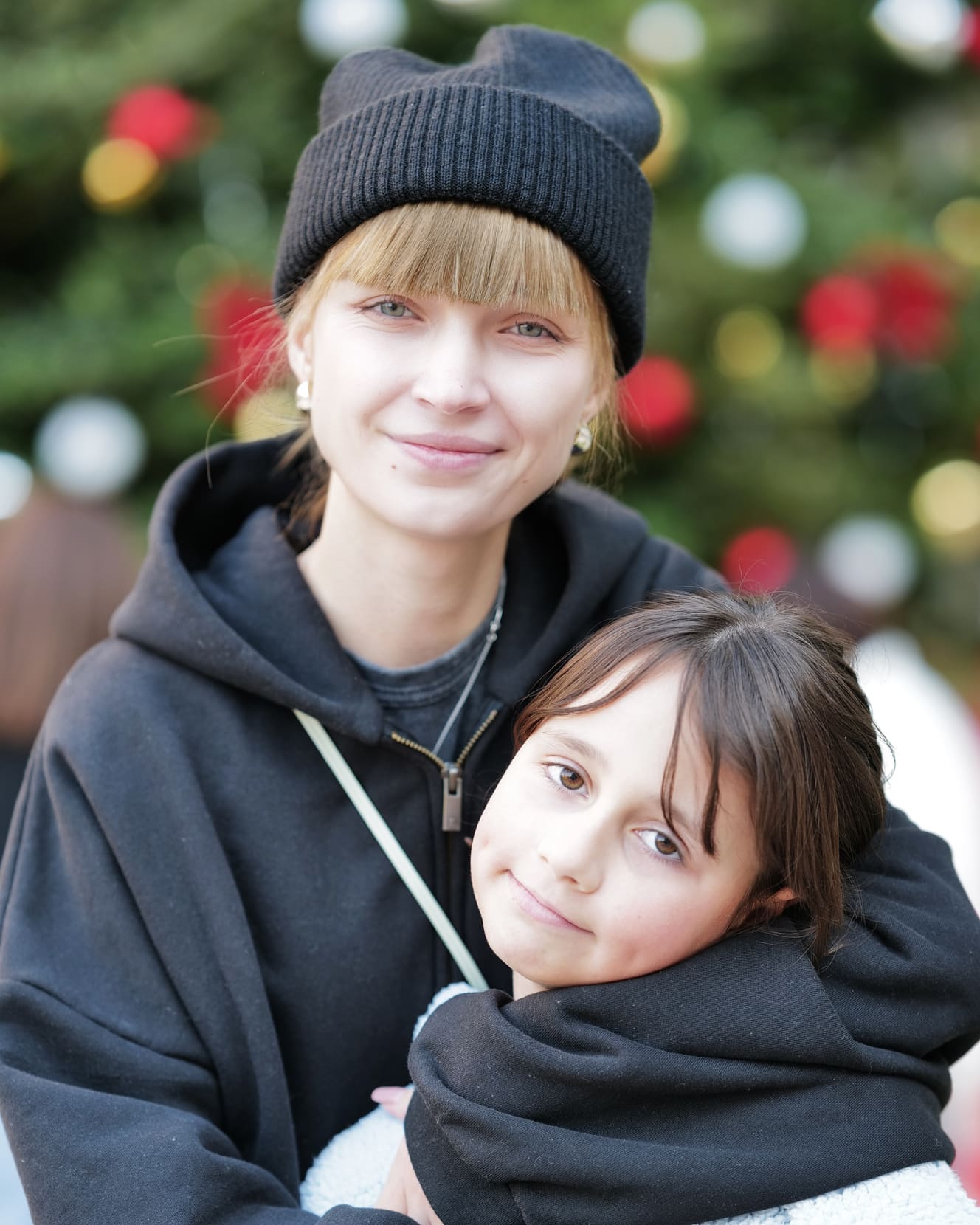 Yulia and her daughter Arisa, who live in Kanagawa Prefecture. Yulia was married in Ukraine, but her husband left when Arisa was two years old and his whereabouts remain unknown.
Four years since Russia’s invasion arriving in Japan after a 6,600 km escape in just two weeks
Her 9-year-old daughter mistook the sound of Japanese fireworks for bombs: “Mom, it’s a bombing!”
“I will never speak to Russians in Japan. I know the atrocities they committed in my homeland.”
These are the words of Yulia (30), who fled Ukraine and now lives in Kanagawa Prefecture with her daughter Arisa (9).
It has been four years since Russia invaded Ukraine, as of February 2026. Yulia, a single mother, arrived in Japan in May 2022, three months after the war began.
“At the start of the war, we were living in Kharkiv in northeastern Ukraine. Suddenly, missiles struck, and the people in the city panicked. I took Arisa and evacuated by car toward western Ukraine. In Bucha, in the northwest, we saw the scars of inhumane acts committed by the Russian army, including massacres.
We traveled through neighboring countries—Poland, Germany, the Czech Republic, and Slovakia—but we couldn’t find a country that met our needs for support and living conditions. It was an escape journey of 6,600 kilometers in just two weeks.”
With little money left and growing anxiety, Yulia heard from a Ukrainian acquaintance living in Fukuoka that the Japanese government was chartering flights for refugees. The program provided visas and even offered financial support in Japan without requiring a guarantor. She returned to Poland to board the chartered flight.
“I knew almost nothing about Japan. I had only seen TV programs introducing Japanese culture and food and thought it looked like a beautiful country. Still, the reason I came to Japan was to live far from the war zone and Russia.”
Upon arriving in Japan, Yulia stayed in a hotel in Chiba Prefecture until housing was arranged.
“One time, there was a fireworks festival nearby. When my daughter heard the fireworks, she panicked. ‘Mom, it’s a bombing! Let’s run away!!’ The fear of war had left deep scars in her heart.”

Relatives remaining in Ukraine, child support life continues with constant anxiety
The Japanese government provides 2,500 yen per day for mother and child, and an apartment in Saitama Prefecture was offered free of charge. Later, on the recommendation of a Japanese acquaintance, Yulia moved to Kanagawa Prefecture. Arisa transferred to a nearby nursery, and life finally began to settle down—this was at the end of 2022. Even so, hardships persist.
“I work part-time at a retail store, but since I don’t speak much Japanese, I arrange and package products instead of working at the register. When I first started, I often had headaches from nervousness.
I also struggled to navigate Japan’s complex train routes and sometimes got on trains going the wrong way. But my coworkers and the nursery teachers support me, telling me not to push myself too hard, which helps a lot.”
Yulia balances part-time work, childcare, and housework in her busy daily life. She is satisfied with a safe life in Japan, but worries remain.
“I’m constantly concerned about my relatives left in Ukraine. I wonder if it’s right for us to be safe in Japan while they remain in the war zone I also check Japanese news about Ukraine every day using a translation app. At the same time, nearly four years have passed since we arrived, and my daughter has fully adapted to life in Japan. She’s almost like a Japanese child now.
While I want to continue living in Japan, I also worry about money—I need to earn more for child support and to establish a permanent home. I have to work more and study Japanese. I’m not sure what to do next.”
According to the Immigration Services Agency, about 2,800 Ukrainian refugees live in Japan, with roughly 70% hoping for long-term stays. The prolonged war continues to have a strong impact even in Japan.


From the January 23, 2026 issue of “FRIDAY”
Interview, text, and photos: Toru Yokota (news photographer)