[The Cultural History of Image Clubs, Part 2 (Part 2)] Fantasies That Would Be Unthinkable Today


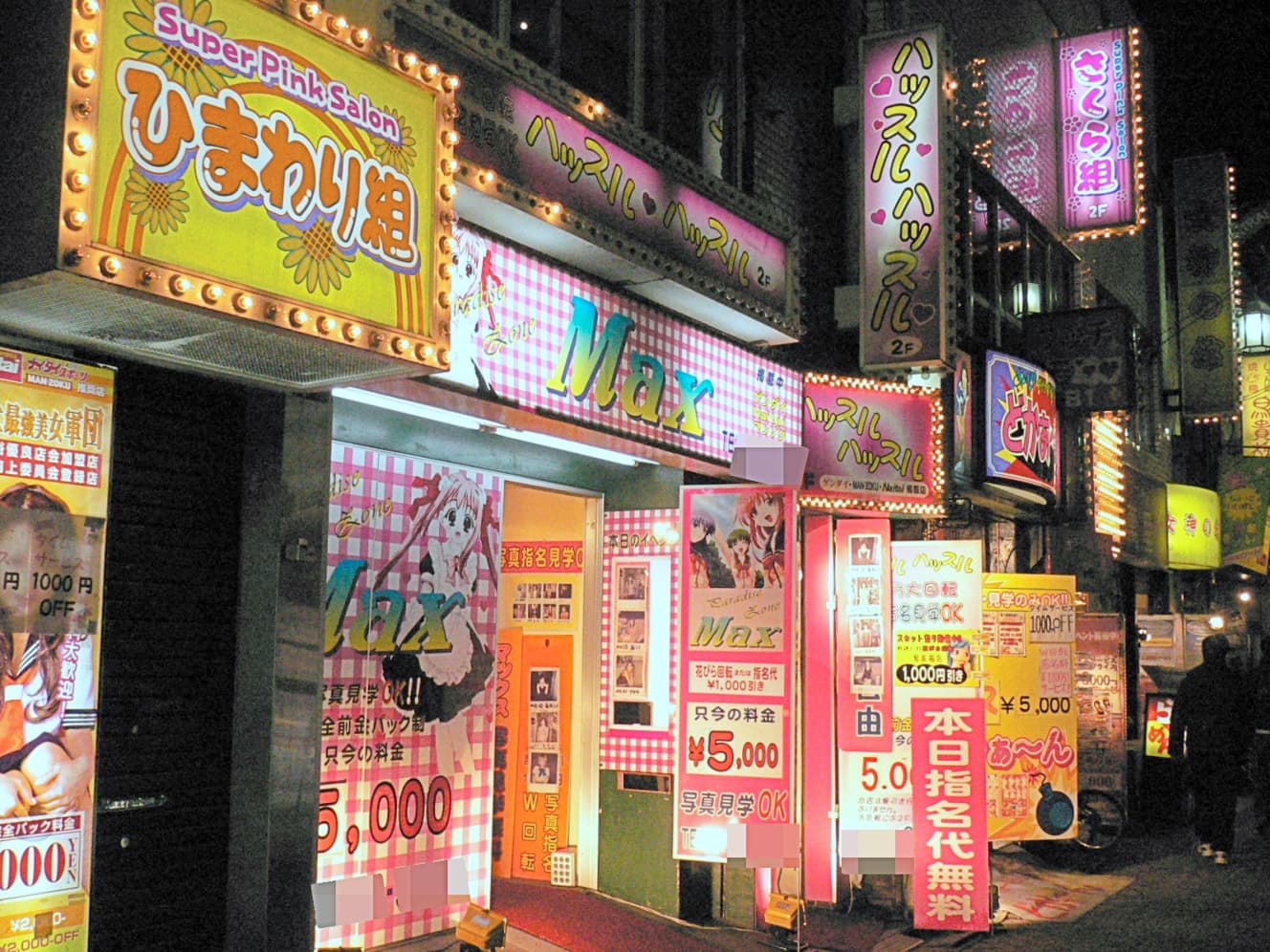
This is the second installment of a series in which sex-industry journalist Akira Ikoma explores the cultural history of image play—an essential element of the sex industry. In the second half, we look at image clubs as they reached their golden age and became increasingly niche and fetishistic.
[Part 1] Anything goes, ideas bursting forth the gung-ho golden age of image clubs
The distinctiveness of 1990s image clubs
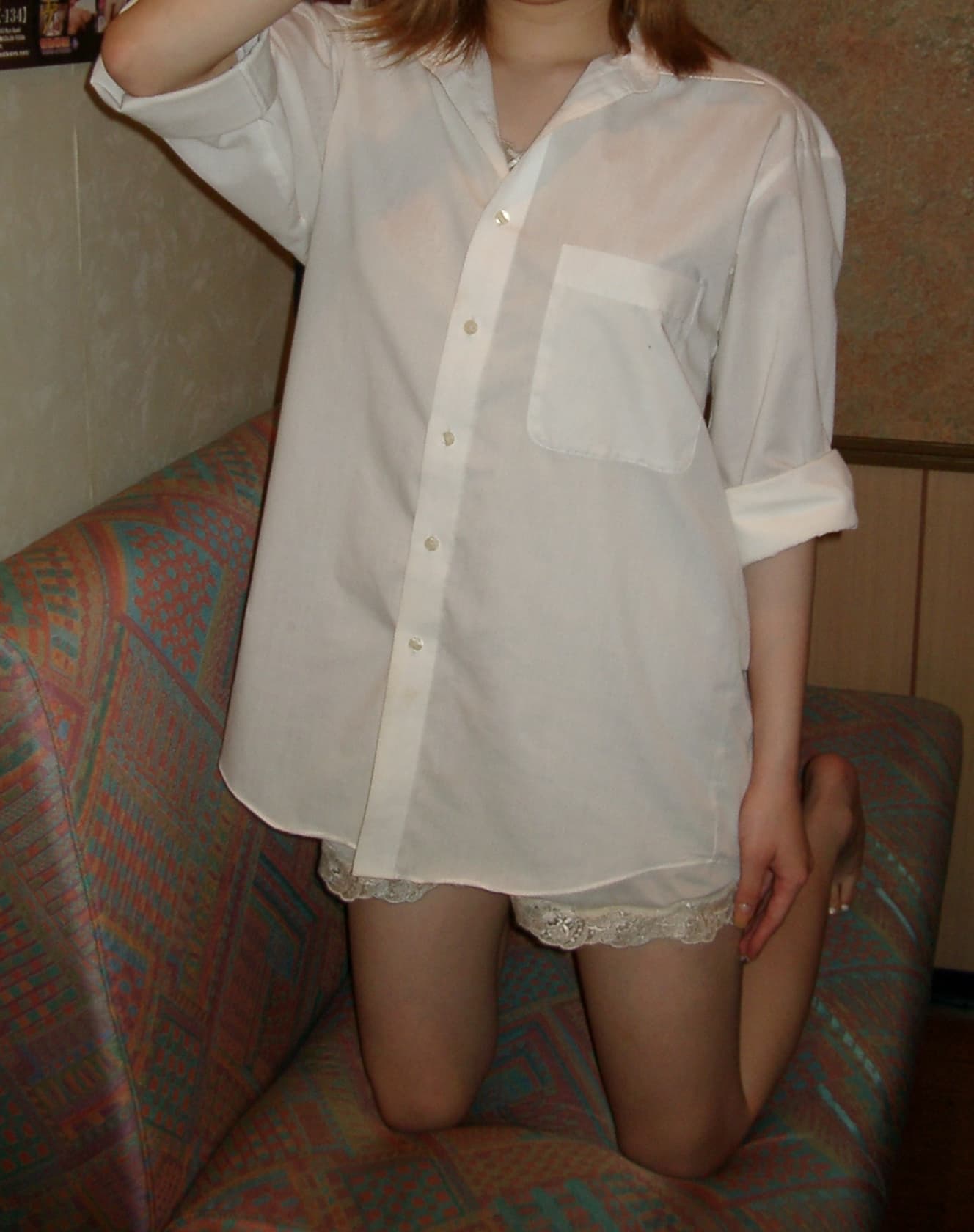
Image clubs in the 1990s were a unique presence even within the sex industry of the time. They combined elements of a secret club, creating a private world of fantasy and hidden affairs jointly imagined by the customer and the woman, where play unfolded quietly and deeply.
Because of the nature of story-based play, the distance between the woman and the customer tended to become closer than in other types of establishments. The relationships formed there often lasted longer than in other parts of the sex industry, and customers showed a strong tendency to keep visiting the same woman without straying. Some customers were married or had girlfriends, yet still came to image clubs. The reason, they said, was that their wives or girlfriends wouldn’t do things the way they imagined. Some customers even brought scripts they had written themselves.
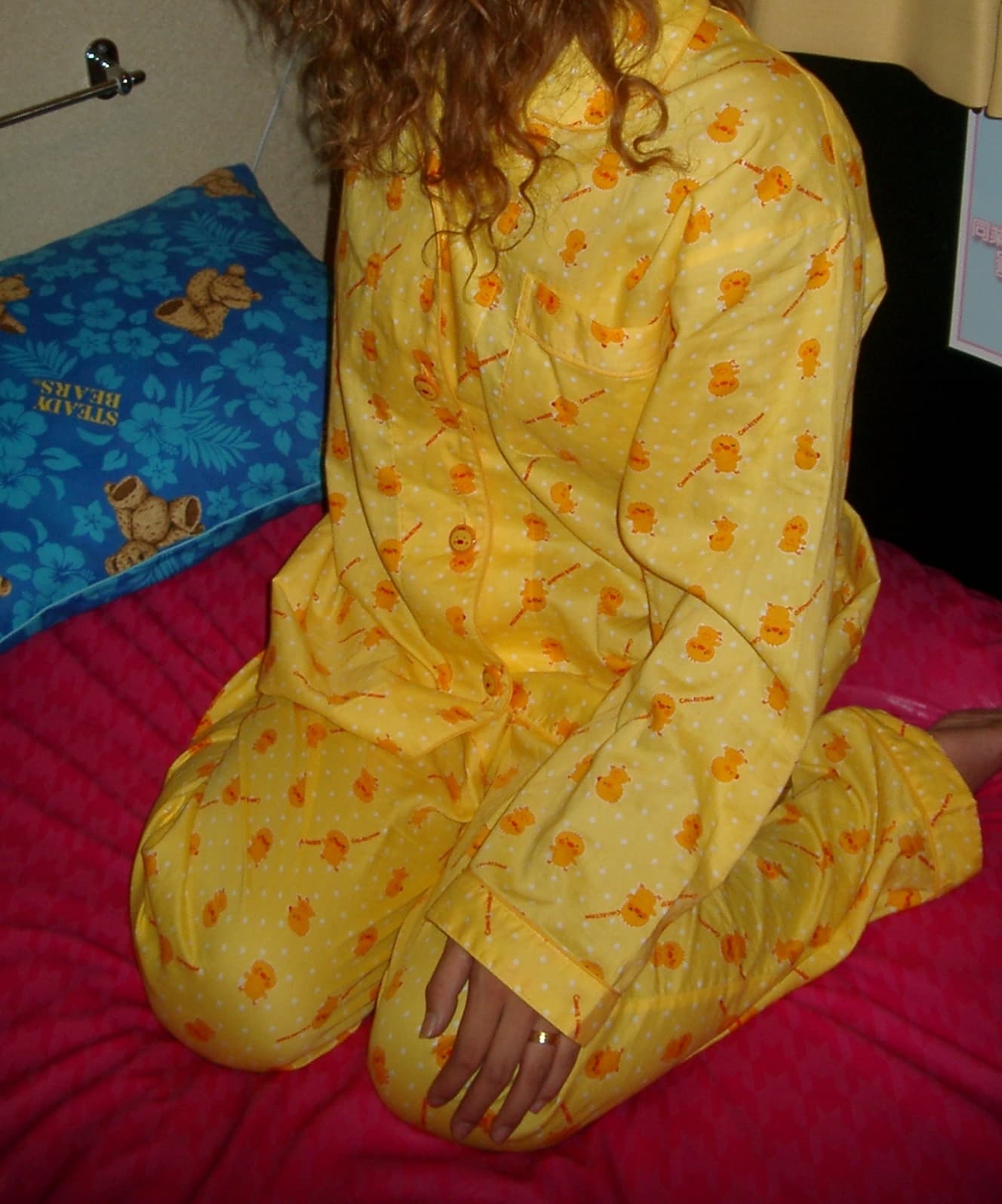
What most clearly set image clubs apart from other adult businesses was their private rooms designed specifically for story play. To give each room a distinctive character, great care—and money—was spent on interiors. It was said that the initial investment at opening ran from several hundred thousand to several million yen per room. To avoid leaving these costly rooms unused, many establishments operated on a fully reservation-based system.
The going rate was around ¥20,000 for a 60-minute course—pricing a notch higher than average. With high spending per customer and many repeat regulars who booked specific women, image club workers earned higher incomes than women in other sectors. However, because the work required a passive role of going along with whatever the customer wanted, the mental burden was heavy. Stress built up, and many women reportedly became big spenders.
It is also worth noting that options in the sex industry first appeared in image clubs. Designed to increase spending per customer, this practice gradually spread to other sectors of the industry.
Endless fragmentation
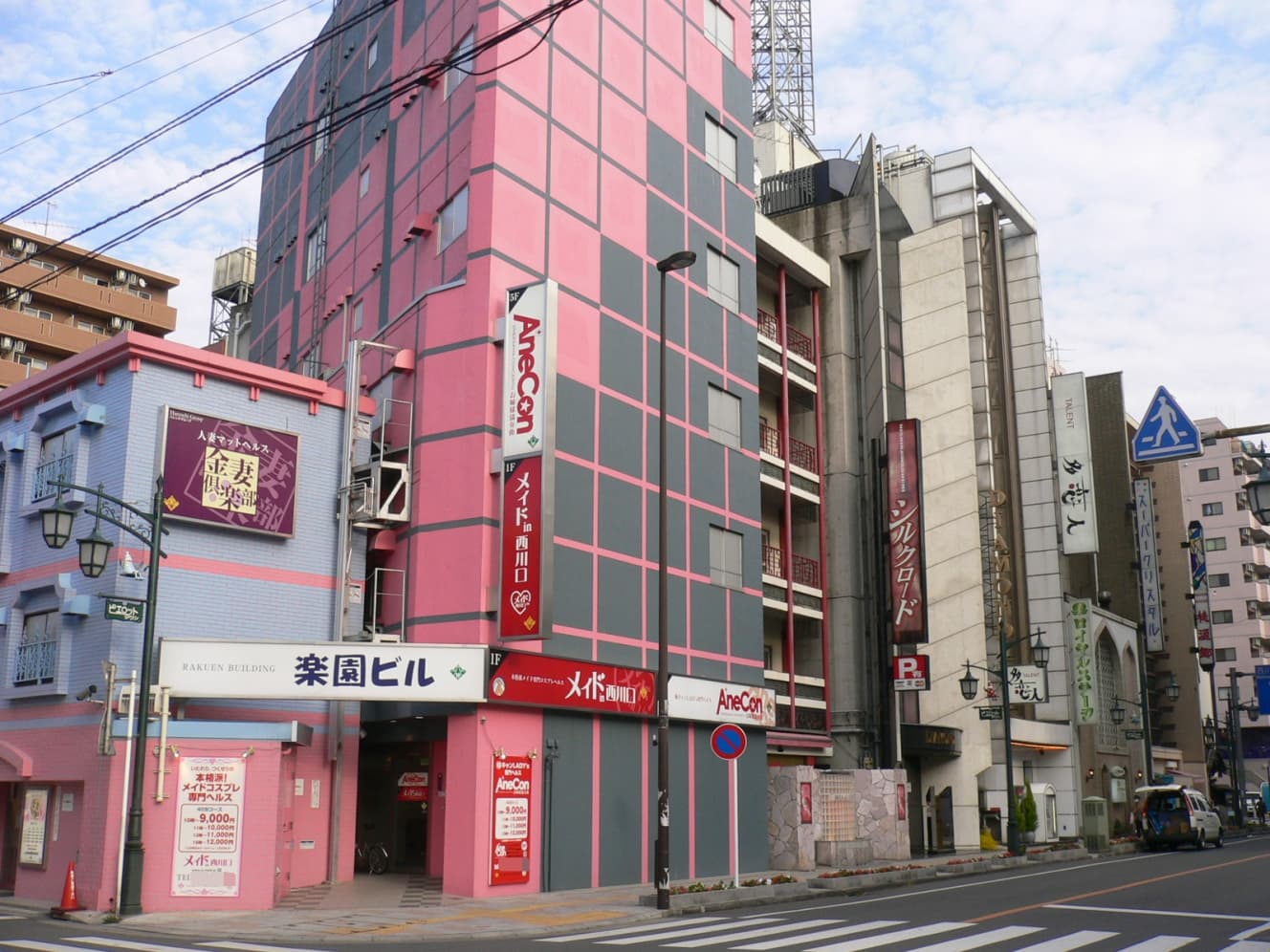
In the early 2000s, illegal, unregistered storefront-style image clubs experienced a massive boom. Particularly popular were establishments that obsessed over the construction of their play rooms. Even something as simple as train play was subdivided into many different styles. For example, Love Story in Shin-Okubo (Shinjuku Ward) did not recreate a typical commuter train, but instead featured a room modeled after the Orient Express.
At Ubu-kko in Kabukicho, Shinjuku, a realistic experience was possible in which the railcar room and the waiting area were separated by a magic-mirror window. Customers could engage in groping play while watching other waiting customers through the glass. The system involved 15 minutes of touching in the railcar room, followed by moving to a private room for bed play.
Some establishments had several women constantly waiting inside the room, creating the atmosphere of a packed train. At Chikan Hakusho in Shibuya, customers moved through spaces divided by curtains, touching each woman and then choosing one they liked to continue playing with in a separate room.
At Kameya Mannamedō Chinpo in Nishi-Kawaguchi, Saitama, there was a playroom modeled after a two-story sleeper train. A hole was cut into the floor of the upper berth; the woman would lie on the upper bunk while the customer reached up from below to tease her. Customers could also climb to the upper berth and watch a woman masturbating on the lower bunk through a peephole.
Office play also diversified in similar fashion. (Co.) Sexual Harassment Trading in Ikebukuro, Tokyo, boasted a wide variety of themed rooms, including a reception desk, conference room, executive reception room, General Affairs Section 2, break room, storage room, and president’s office. Love Story in Shin-Okubo also featured an elevator room.
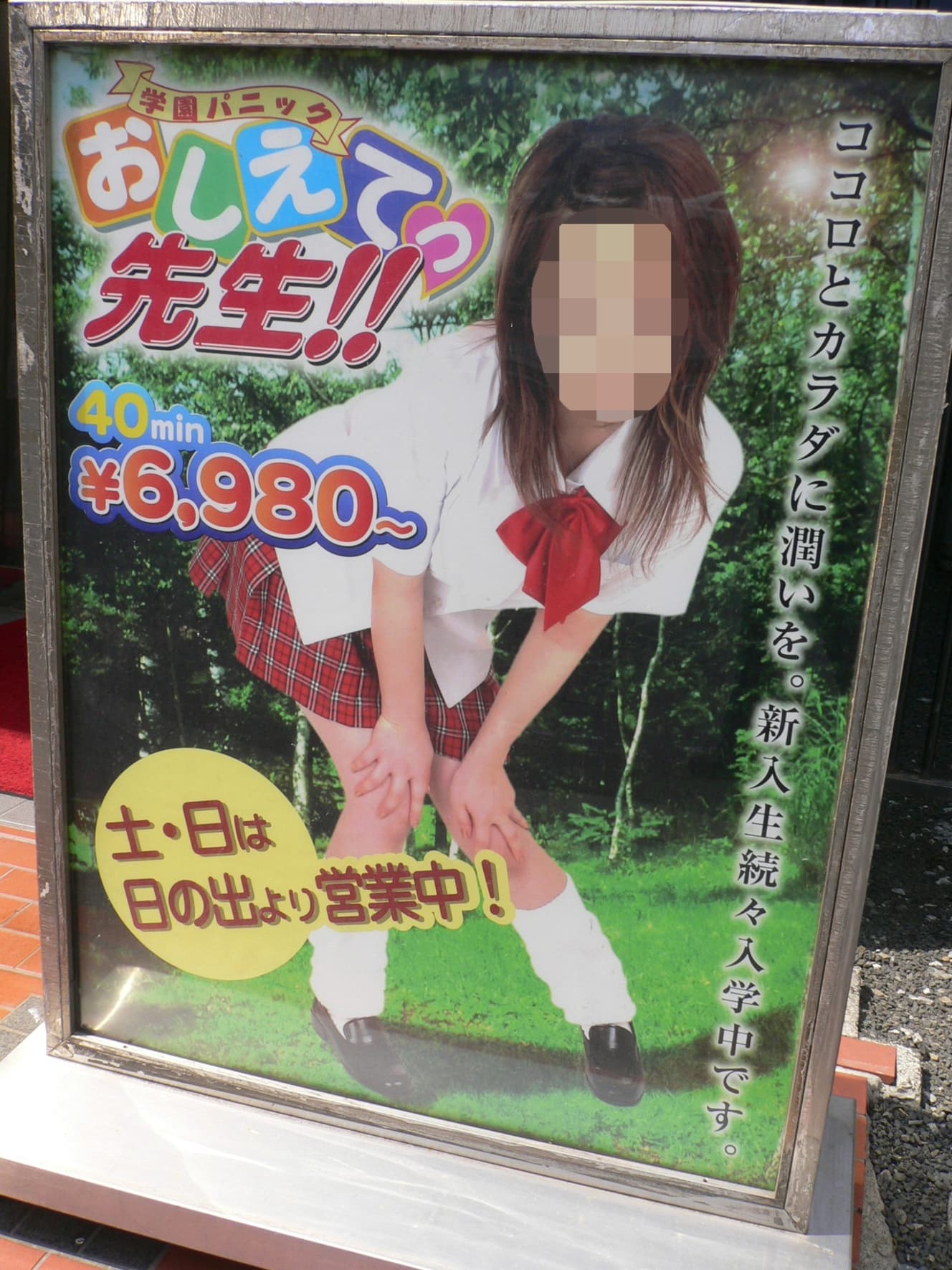
Even the classic image-club staple of school play came in many different scenarios. At Maicching Kuikomi Sensei in Ikebukuro, the waiting room blackboard listed play contents, options, and prices. Playrooms included a classroom with calligraphy and timetables on the walls, a gym equipment room with vaulting boxes and exercise mats, as well as a locker room, principal’s office, and nurse’s office.
There were also countless rooms designed to tickle niche tastes: parks, mountain lodges, beach huts, hot spring inns, the deep sea, as well as young lady’s rooms, girls’ dormitories, sports clubs, and peeping rooms.
Among all the places the author covered at the time, the most memorable was Itakai!! Sexual Harassment Street in Nishi-Kawaguchi, Saitama, which installed the body of a real compact car inside a room. Customers could enjoy play with blindfolded women in the driver’s or passenger’s seat, and since opening it reportedly drew a huge response from men in their twenties.
Storefront image clubs as fantasy theater for customers
Continuing from the 1990s into the early 2000s, image play spread to other types of establishments. At CKM, a video box in Nakano, Tokyo, customers could play with a dutch wife dressed in a school uniform.
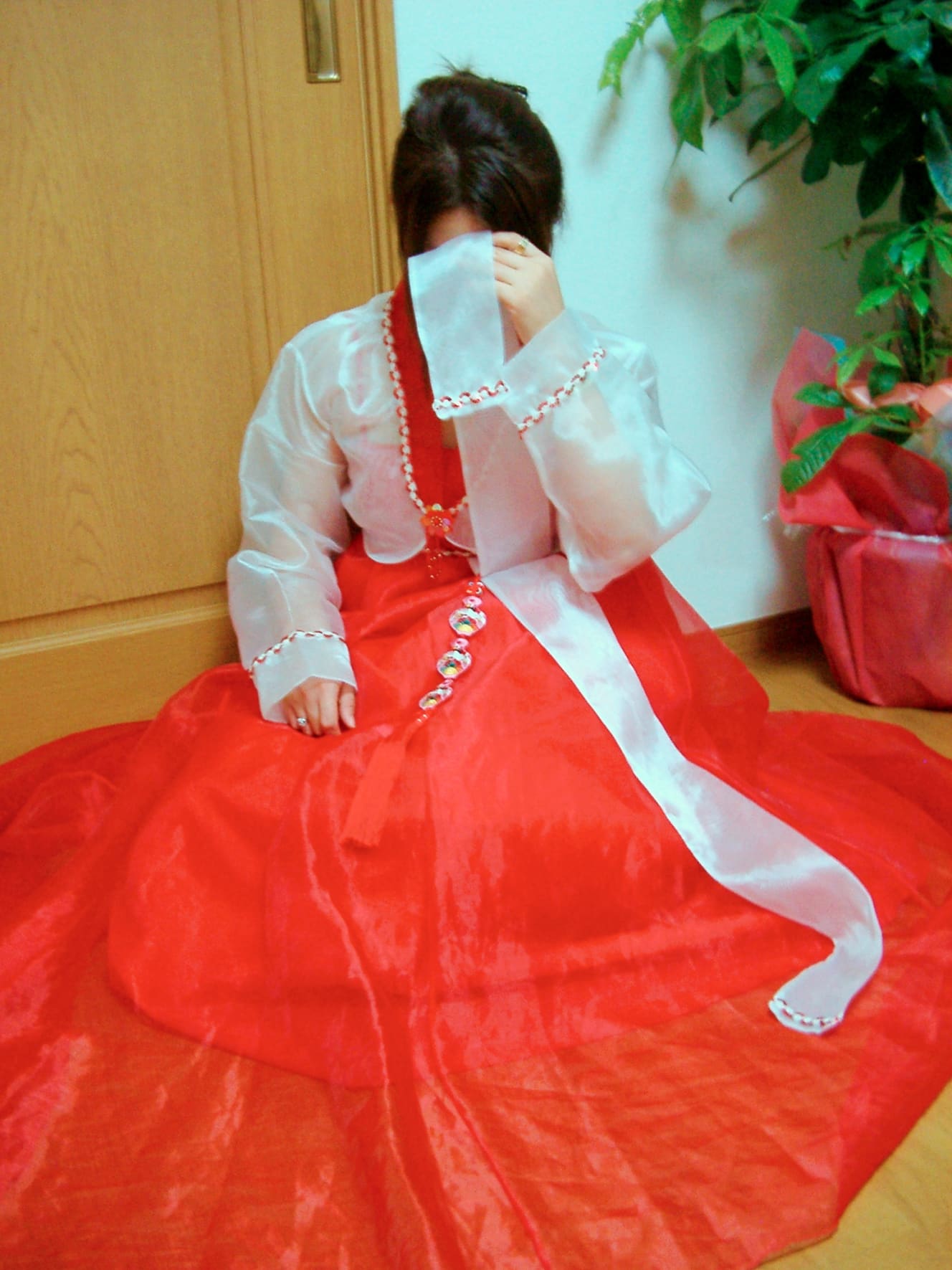
Underground sex services also incorporated cosplay. In Shin-Okubo, Tokyo, there was an adult party where women from Japan, China, and Korea dressed in hanbok provided services. A newly built three-story house was used in its entirety: the first floor was a shower room, the second floor a party room, and the third floor a play room. Despite a very low price of 20,000 yen for a second round, luxurious private rooms were also available. When the author visited for reporting, it was extremely busy.
Looking back at the image play in storefront image clubs of this period, certain types of play were repeated across times and locations. Examples include body cake (placing strawberries and whipped cream on a woman’s body, seen in Tokyo, Yokohama, and Osaka) and giant screen (playing while watching movies indoors, in Ikebukuro and Shibuya). Many plays were inspired not only by original ideas but also by popular clubs in other regions.
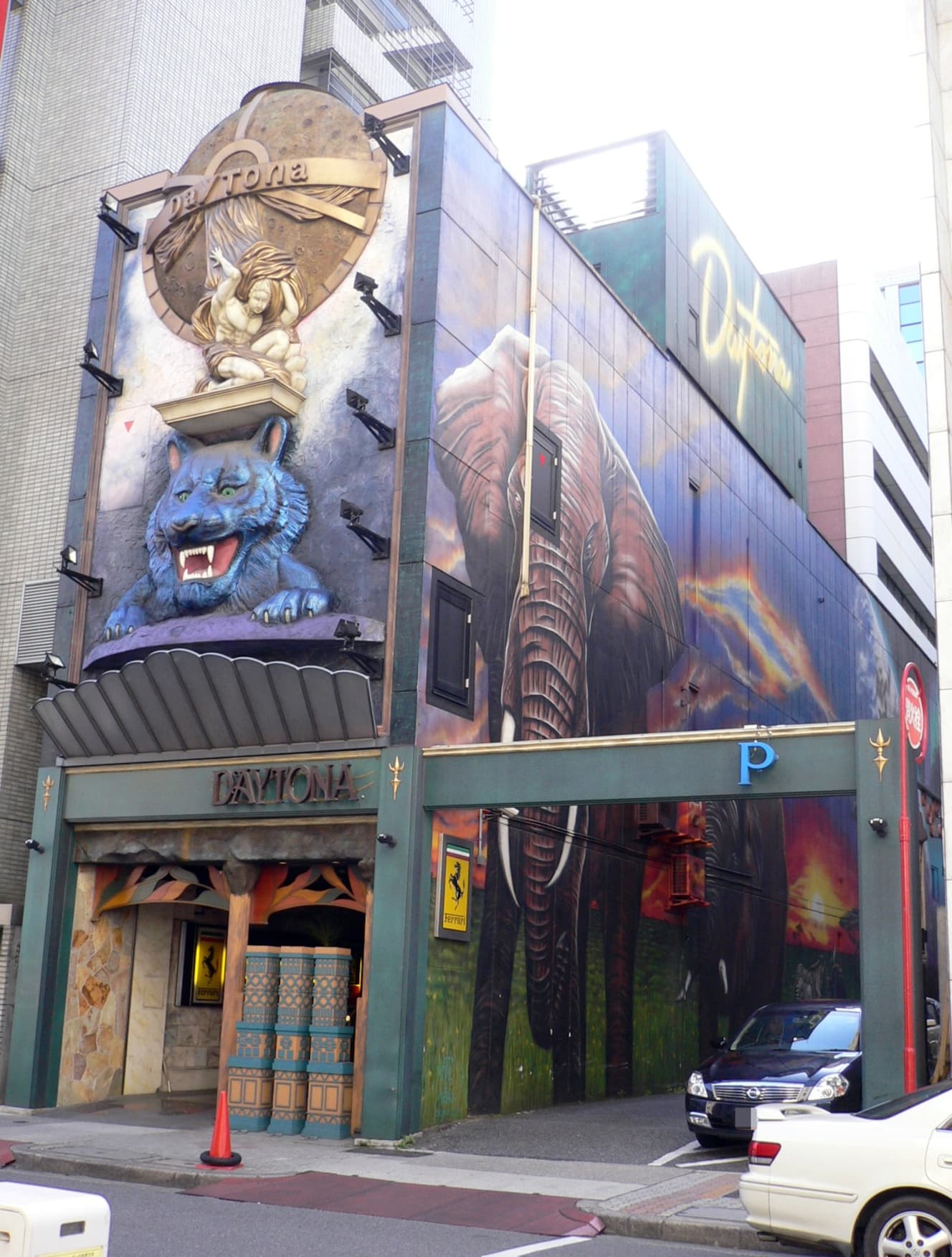
Storefront image clubs were essentially fantasy stage plays performed for a single customer. The customer acted as director, and the sex worker as the lead actress. The image club space was a small theater, and the play itself could be called the pinnacle of simulationism.
Although storefront image clubs were extremely popular, most operated without permission, and the 2003–2005 purification campaigns brought them to near extinction.
FRIDAY Digital welcomes tips and information from readers. Please send information via the form below or the official X account.
Information Form: https://friday.kodansha.co.jp/tips
Official X: https://x.com/FRIDAY_twit
References:
New Economics of the Sex Industry, Fumio Iwanaga, Kodansha, 2012
Illustrated Japanese Sex Industry, Atsuhiko Nakamura, Mediax, 2016
Image Club, Kyoichi Tsuzuki, Aspect, 2008
Other books, websites, and sources were also referenced.
Interview, text, and photos: Akira Ikoma