The Truth Behind the Hyogo Prefecture Document Issue Assemblyman Okutani Uses Lawsuit Notice in Takashi Tachibana Trial | FRIDAY DIGITAL

The Truth Behind the Hyogo Prefecture Document Issue Assemblyman Okutani Uses Lawsuit Notice in Takashi Tachibana Trial

  • Share on Twitter
  • Share on LINE
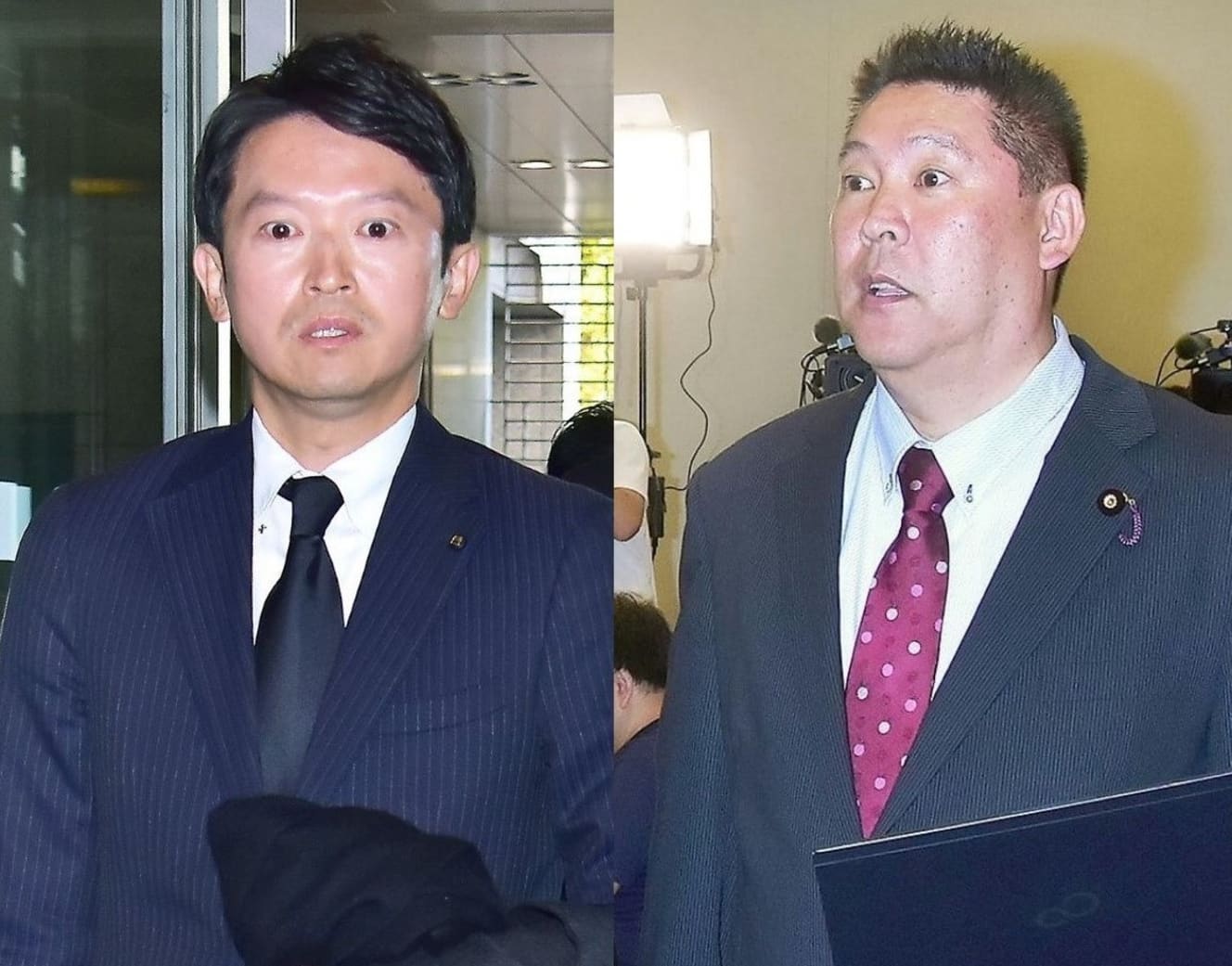
Takashi Tachibana, leader of the NHK Party, is being sued for defamation by Hyogo Prefectural Assemblyman Kenichi Okutani. Many people hope that this trial will help uncover the truth behind the Hyogo Prefecture document issue.

Three prefectural assembly members to assist in the trial

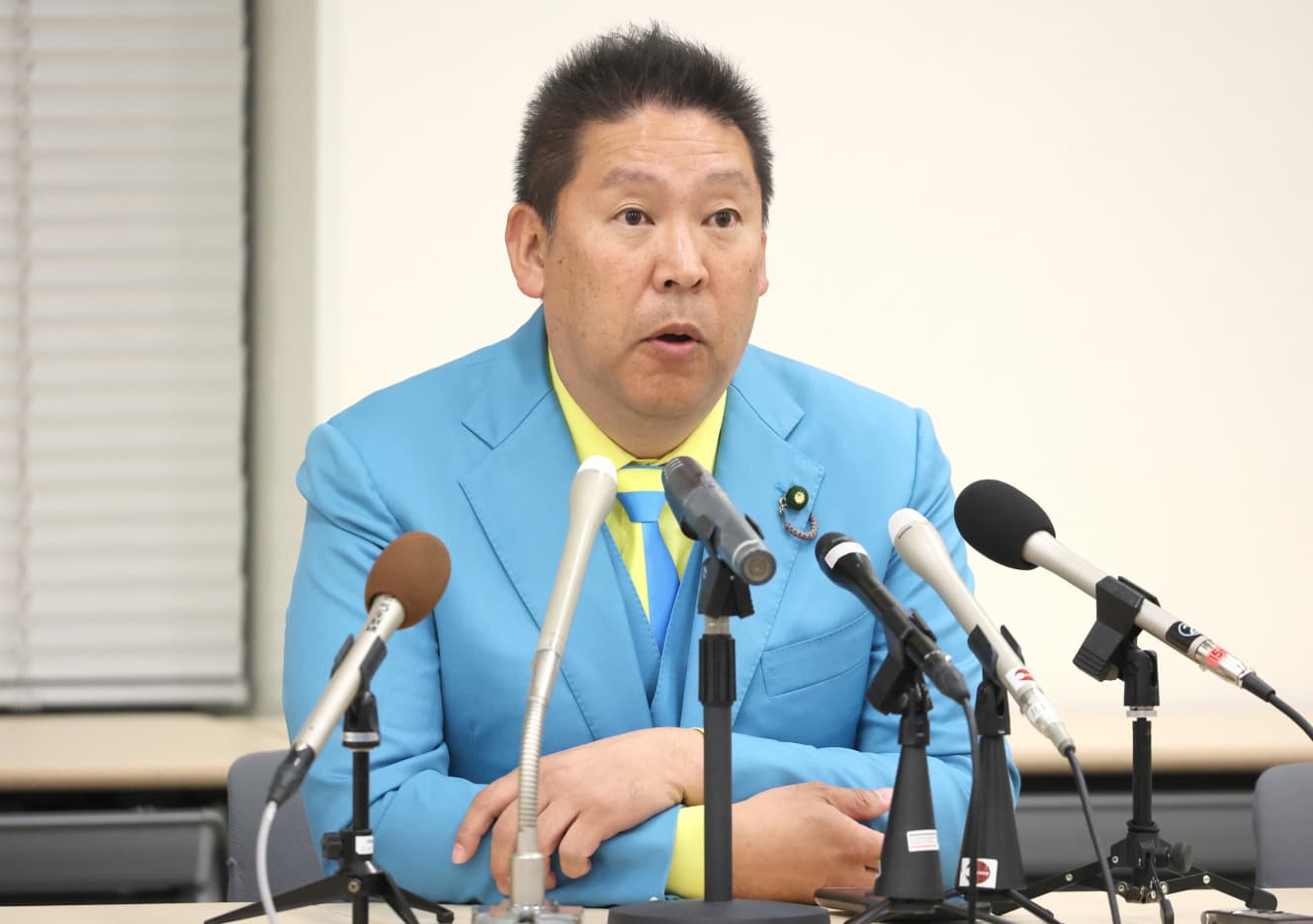
On January 7, Kenichi Okutani (40), a Hyogo Prefectural Assemblyman, held a press conference in Kobe regarding his lawsuit against Takashi Tachibana (58), leader of the NHK Party, seeking 11 million yen in damages.

Okutani, who served as chair of the “Hyakujo Committee” that examined the issue of the accusation documents against former Hyogo Governor Motohiko Saito (48), had previously filed a criminal complaint against Tachibana for defamation. However, the Kobe District Public Prosecutors Office decided on December 24 last year not to indict due to insufficient evidence.

Dissatisfied with the non-indictment, Okutani petitioned the Kobe No. 1 Prosecution Review Commission and also filed a civil suit against Tachibana. At the press conference, Okutani spoke firmly:

“I take seriously the possibility that many people who believed Tachibana’s false claims may have made decisions in the last gubernatorial election based on incorrect information. I will never tolerate actions that degrade others through false statements and distort fair judgment in society.”

Accompanying him, lawyer Yuichiro Ishimori added:

“Once conditions are met, we plan to use a system called soshō kokuchi [‘lawsuit notice’] to encourage Assemblymen Makoto Masuyama, Minoru Kishiguchi, and Takahiro Shirai to join this trial as auxiliary participants.”

So, what is a soshō kokuchi?

Though not commonly heard, a lawsuit notice is a legal system under Article 53, Paragraph 1 of the Civil Procedure Code, in which a party to a lawsuit (plaintiff or defendant) notifies a third party who has an interest in the matter that a lawsuit is pending.

The purpose of the notice is to prepare the notified party for any future disputes. The notified party may choose to participate in the lawsuit and present their claims, or not participate. However, whether they participate or not, the notified party must comply with the judgment of the notified lawsuit.

Governor Motohiko Saito (left), who won re-election in the 2024 Hyogo gubernatorial race. It is said that the “two-horsepower campaign” backed by Tachibana was one of the factors behind his victory.

Legal battle over the source of the information

According to lawyer Kyosuke Nishiwaki, former head of TV Asahi’s Legal Affairs Department, this lawsuit notice could become the most powerful weapon for uncovering the truth behind the series of issues that occurred in Hyogo Prefecture.

“By issuing a lawsuit notice, it becomes easier not only to determine whether Tachibana committed defamation, but also to pursue responsibility for his information sources. If, in this trial, it is determined that Assemblymen Masuyama, Kishiguchi, and Shirai provided Tachibana with baseless information as his sources, then efforts to hold those assemblymen accountable can be accelerated.”

It is also possible to sue Assemblymen Masuyama and the others after a verdict is reached in Tachibana’s trial without issuing a lawsuit notice. However, in that case, the judgment in Tachibana’s trial would be treated as merely one piece of submitted evidence.

“On the other hand, if a lawsuit notice is issued, then when the assemblymen are sued in the future, they will no longer be able to dispute the findings established in this trial. Even if the assemblymen ignore the notice and do not participate in the trial, if the court determines that ‘Tachibana’s information sources were the assemblymen,’ there is a strong possibility that they will not be allowed to contest this point when they themselves are sued later.

If the assemblymen who receive the notice do participate in the trial, and Tachibana argues that ‘I believed the information because it came from the assemblymen,’ the assemblymen may rebut that claim, leading to a confrontation between the two sides. A courtroom battle of ‘Tachibana vs. the assemblymen’ over his information sources could unfold” (ibid.).

If, through the lawsuit notice, the court examines not only Tachibana but also how Assemblymen Masuyama and the others obtained information about the former prefectural bureau chief, the background of the case is likely to come to light. That would mark a major step toward revealing the full picture of the turmoil that occurred during the Hyogo gubernatorial election two years ago.

  • Interview and text by Hiroyuki Sasaki (entertainment journalist) PHOTO Yoshio Tsunoda/Afro

Photo Gallery2 total

Related Articles