Luxury Apartment Kids Compete in High-Stakes Otoshidama Exchange


The otherworldly scale of New Year’s money
For children, the highlight of the New Year is, of course, the otoshidama—money given by parents and relatives. Many people have fond memories of looking forward to this every year. But just as households differ in their financial situations, the amount of otoshidama children receive can vary widely. How does this play out in the high-rise condominium (tower mansion) scene in Tokyo, which has boomed thanks to a historical condo bubble?
Among high-income families living in these towers, there are often whispers of status battles. The competition for prestige can extend to income, children’s extracurricular activities, or even the floor of the condo they live on. And apparently, it even affects how much otoshidama children receive.
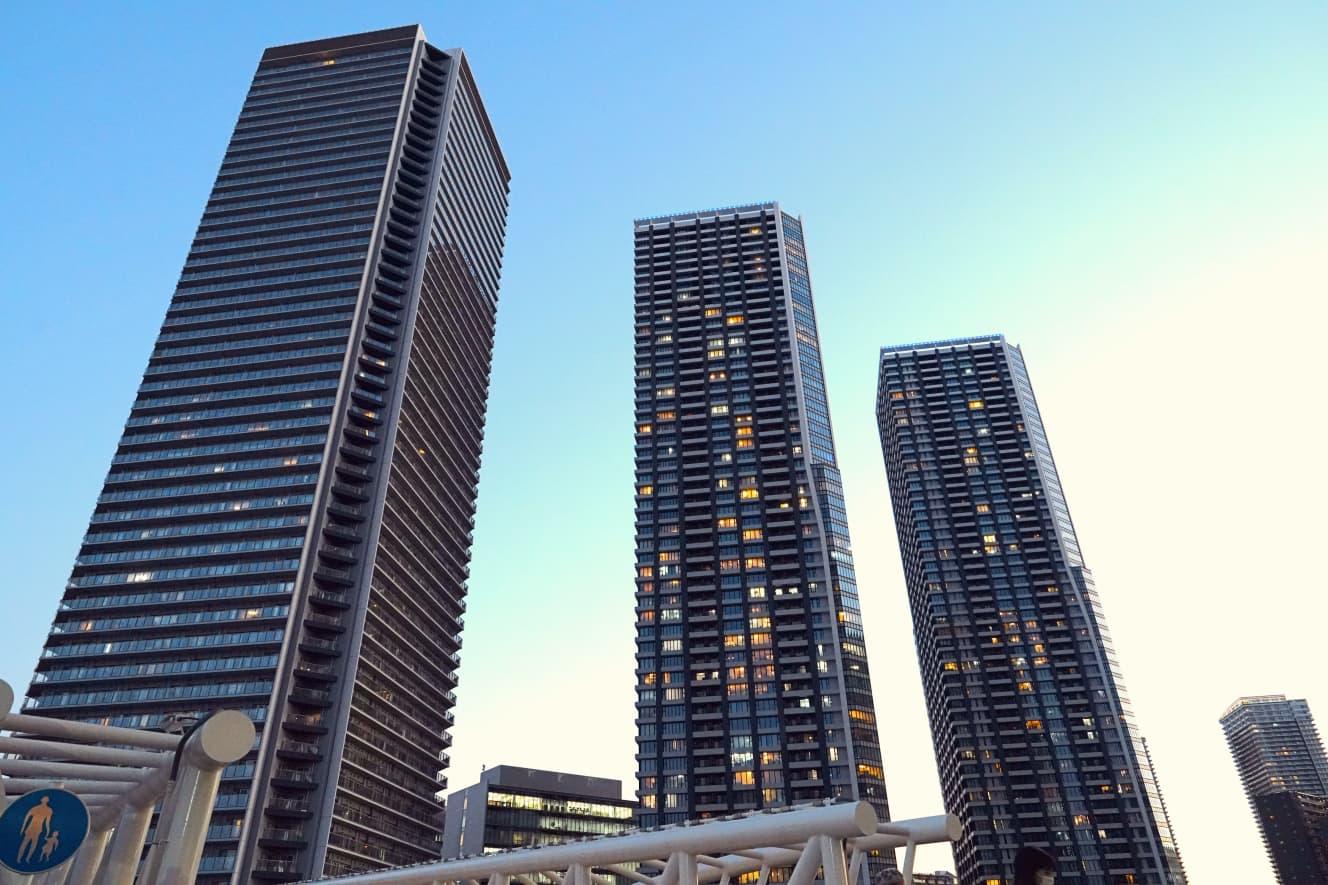
The area around Kachidoki in Chuo Ward, Tokyo, is famous for its many high-rise condos, including notable complexes like Harumi Flag. On the streets near the station, some families reported giving the usual amounts of 5,000–10,000 yen as otoshidama. But there were households handing out eye-popping amounts.
A woman in her 40s working in real estate prefaced her comment by saying, “We don’t have as much money as some other families.” before revealing their otoshidama habits.
“We gave our child 50,000 yen. It’s a nice round number, and for an elementary school student, that’s enough to buy whatever they want. When I hear about other kids, those attending private schools apparently get even more—some receive around 700,000 yen when they go back to their grandparents’ house.”
Other tower residents also confirmed the existence of a status battle over otoshidama. A man in his 30s working for a foreign IT company said, “My wife insisted, so I reluctantly gave a bit more.”
“There seems to be chatter among the mothers about how much did you get? My wife is sensitive to this, but I don’t really understand it. When I was a kid, I was just grateful for whatever I received.
Our child is in fifth grade, so I initially considered giving an amount based on grade × 1,000 yen. But my wife said, ‘So-and-so’s parents are giving 10,000 yen each; our child might be teased,’ so we ended up giving 30,000 yen. Once kids get older, they start noticing the differences between households, so sometimes you have to give a bit more just to avoid bullying.”
Relatives get dragged into it, too
The otoshidama status battles among children don’t stay confined to the household—they can affect relatives as well. A salaryman whose older brother lives in a high-rise condo revealed that he had been asked to give his nephew 100,000 yen, but there was a hidden side to the story.
“At the end of the year, my brother told me about the otoshidama and said, ‘I’ll give you some money, so make sure the total adds up to 100,000 yen,’ handing me 90,000 yen. I’ve never heard of an otoshidama that high. I thought maybe giving around 10,000 yen would be fine since it’s my cute nephew but both my brother and I, and even our parents, only ever received 10,000 yen. I was worried about whether giving so much was really appropriate or good for the child.”
The reason for the 100,000 yen otoshidama seems to be the ongoing status battle.
“Apparently, it’s not just parents—they want to show off that their relatives are also wealthy. It’s less about the parent living in a tower condo and more about demonstrating that multiple relatives are well-off, so the child can collect large sums from several family members. They want to appear as a family with no financial worries. I think my brother wanted to create a story like, ‘Look, the kid even got 100,000 yen from his uncle!’ But as an ordinary salaryman, I just felt it was ridiculous.”
The otoshidama competition even takes place at school. A man in his 30s whose sister’s family lives in a tower condo complained about being pressured on how much money to give.
“My niece started elementary school, so this year we decided to give her otoshidama, but we were told 3,000 yen wasn’t enough. ‘That’s not enough to buy anything, and people might think we’re poor at school,’ they said.
It turns out there’s also a battle over otoshidama at her school. Even if you live in a tower condo, if the amount is too low, people think you’re poor. We ended up giving 10,000 yen, but it made me wonder whether having that much money as a child might warp their sense of value.”
This ongoing status battle clearly affects the otoshidama children receive. In Tokyo’s 23 wards, where even older condos average over 100 million yen, living in a high-rise tower might seem enviable—but as these stories show, it comes with its own complicated pressures.
Interview, text, and photos: blank green