President Xi Jinping is seriously out of breath! China repeatedly threatens Japan, saying, “Do not allow Prime Minister Takaichi to get away with it!
Urgent Report] Ministry, local government, and state-owned enterprises are making a strong appeal for "Japan bashing" by making a discovery to the top management.


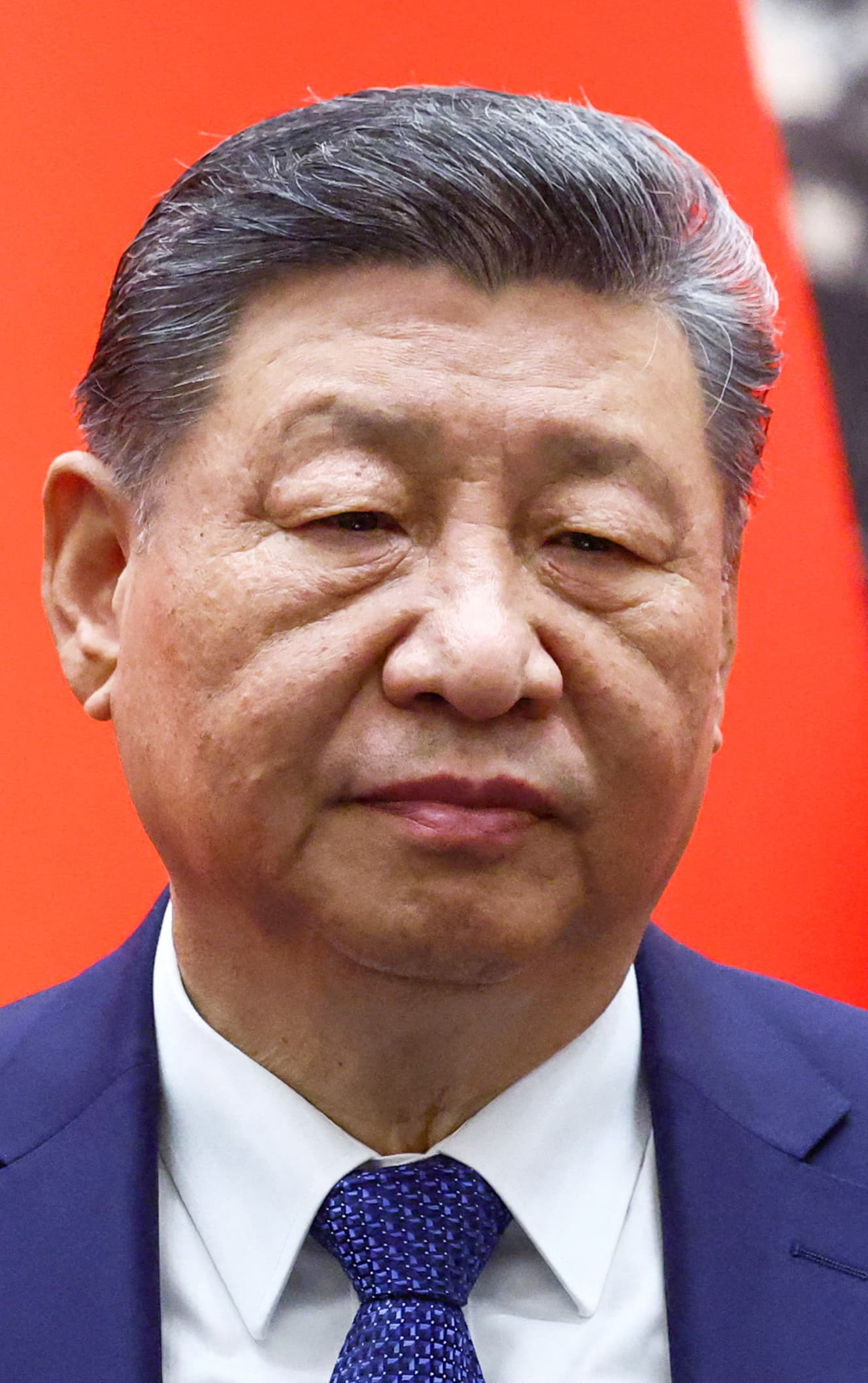
He said, “I made maximum concessions to Japan.
If the top leaders send an even stronger message, the pressure on Japan by China will escalate. But the economic damage is not so great. What China is doing is like a wrestling slap that makes a lot of noise but little pain.
Kota Takaguchi, a journalist with extensive knowledge of the situation in China, said, “China’s actions are like a wrestling slap that makes a lot of noise but does not cause much pain.
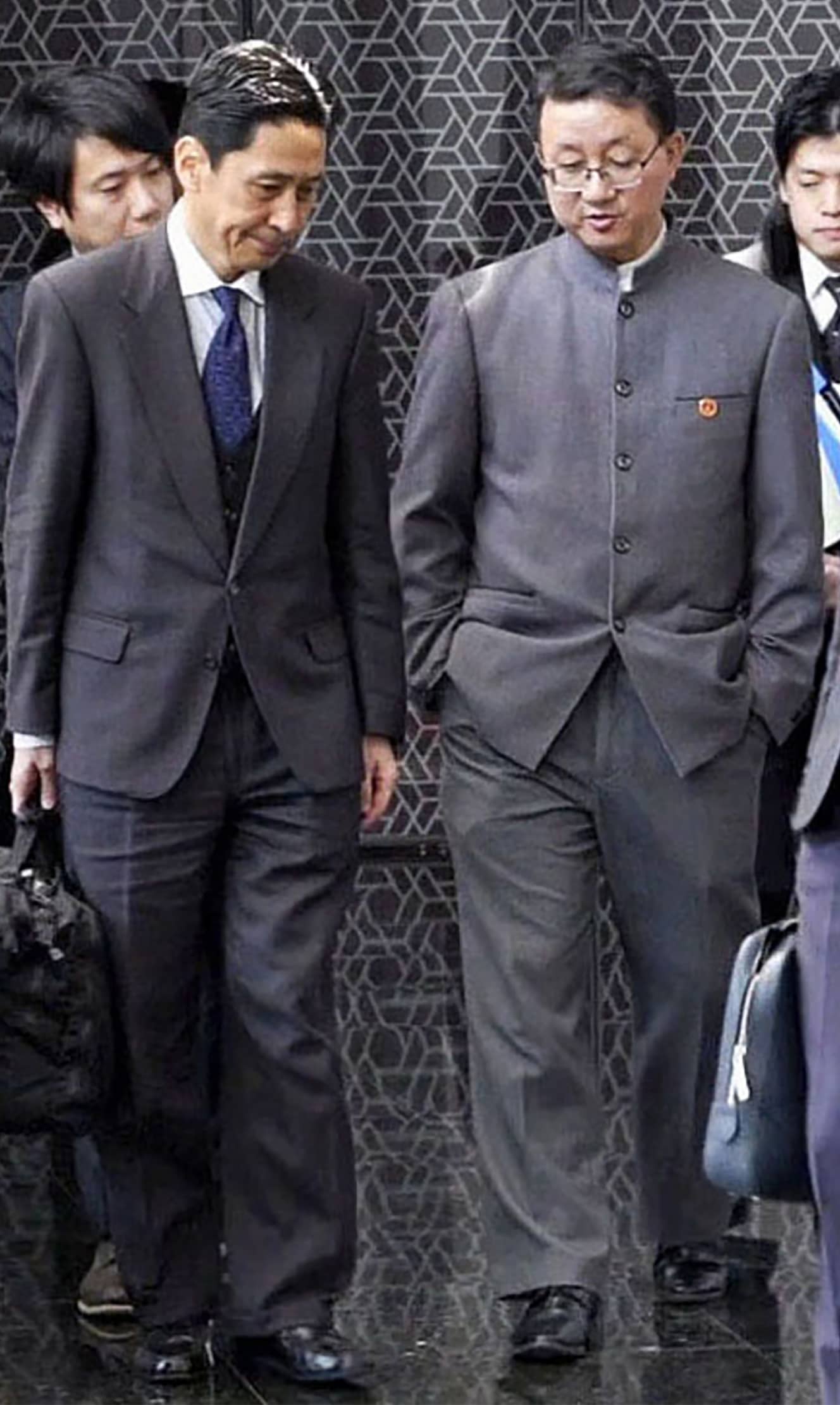
China is repeatedly making threats against Japan that can be called bizarre. The consul general in Osaka posted on SNS that he would “cut off the dirty head” of Prime Minister Sanae Takaichi (64). A diplomat appeared with his hands in his pockets after a meeting and showed condescension toward Japanese dignitaries. A concert by a Japanese artist was abruptly canceled. It also irradiated radar at a Self-Defense Forces aircraft for about 30 minutes. …… The series of Chinese provocations and the tense Japan-China relationship are summarized chronologically in the table at the end of this report.
The starting point was an answer given by Prime Minister Koichi at a meeting of the Budget Committee of the House of Representatives on November 7, 2008. He stated that if China were to use force against Taiwan, it could become an “existential crisis situation” for Japan. President Xi Jinping, 72, is said to be seriously offended by this.
The annexation of Taiwan is a long-cherished wish of Xi, who aims for a “one China” policy, but the reason why Takashi Koichi’s comment touched a nerve is not only because it touched on a core issue. Kenji Minemura, senior research fellow at the Canon Institute for Global Studies and director of its China Research Center, spoke up.
China was becoming increasingly wary of the new conservative-leaning Koichi administration,” said Kenji Minemura, senior fellow at the Canon Institute for Global Studies and director of the China Research Center. However, at the APEC (Asia-Pacific Economic Cooperation) summit held in South Korea on October 31, immediately after the inauguration of the new administration, Mr. Xi agreed to a summit meeting between the leaders of Japan and China. China must have felt that it had made maximum concessions in response to Japan’s request.
However, on the night of the summit meeting, Prime Minister Koichi posted on a social networking service that he had exchanged greetings with a representative of Taiwan. He also made a “Taiwan contingency statement” in the Diet. From Mr. Xi’s point of view, it was a disgrace to his face. I think Mr. Xi is really angry because his kindness was trampled upon and his words and actions offended his nerves.
Discovering the emperor’s will.
The boss is furious because his reputation has been crushed. Chinese ministries, local governments, and state-owned enterprises are in a panic over this emergency situation. They are said to be repeating threats to Mr. Xi, saying, “We hate Japan, and we must not allow Prime Minister Koichi to get away with this. Mr. Takaguchi continues.
Mr. Takaguchi continues, “Mr. Xi, with his enormous power, is like an emperor in China. The atmosphere in which subordinates consider Mr. Xi and discover the emperor’s intention is getting stronger day by day. Since 2008, we have frequently seen the term ‘1+N’ in China. It means that the subordinates (N) follow the orders of the top (1) with all their might, and it is an appeal for loyalty to Mr. Xi.
The series of bashing of Japan in response to Prime Minister Koichi’s emergency statements is not directed by the CCP leadership. The leadership only expresses its opposition. In response to these statements, ministries, agencies, and companies are voluntarily imposing sanctions on Japan. If they don’t respond to the leadership and hit Japan, their loyalty to Mr. Xi may be questioned.
For example, the behavior of Liu Jingsong, director general of the Asian Affairs Bureau of the Chinese Foreign Ministry, who appeared with his hands in his pockets after discussions with Kanai Masaaki, director general of the Asian and Oceanian Affairs Bureau of the Ministry of Foreign Affairs, can be seen as a performance of “deliberately being rude to a high-ranking Japanese official. Mr. Minemura explains.
I have met Mr. Liu, and he is a very serious and knowledgeable diplomat. He is not the kind of person who usually appears before the press with his hands in his pockets. I think he is trying to score points with Mr. Xi.”
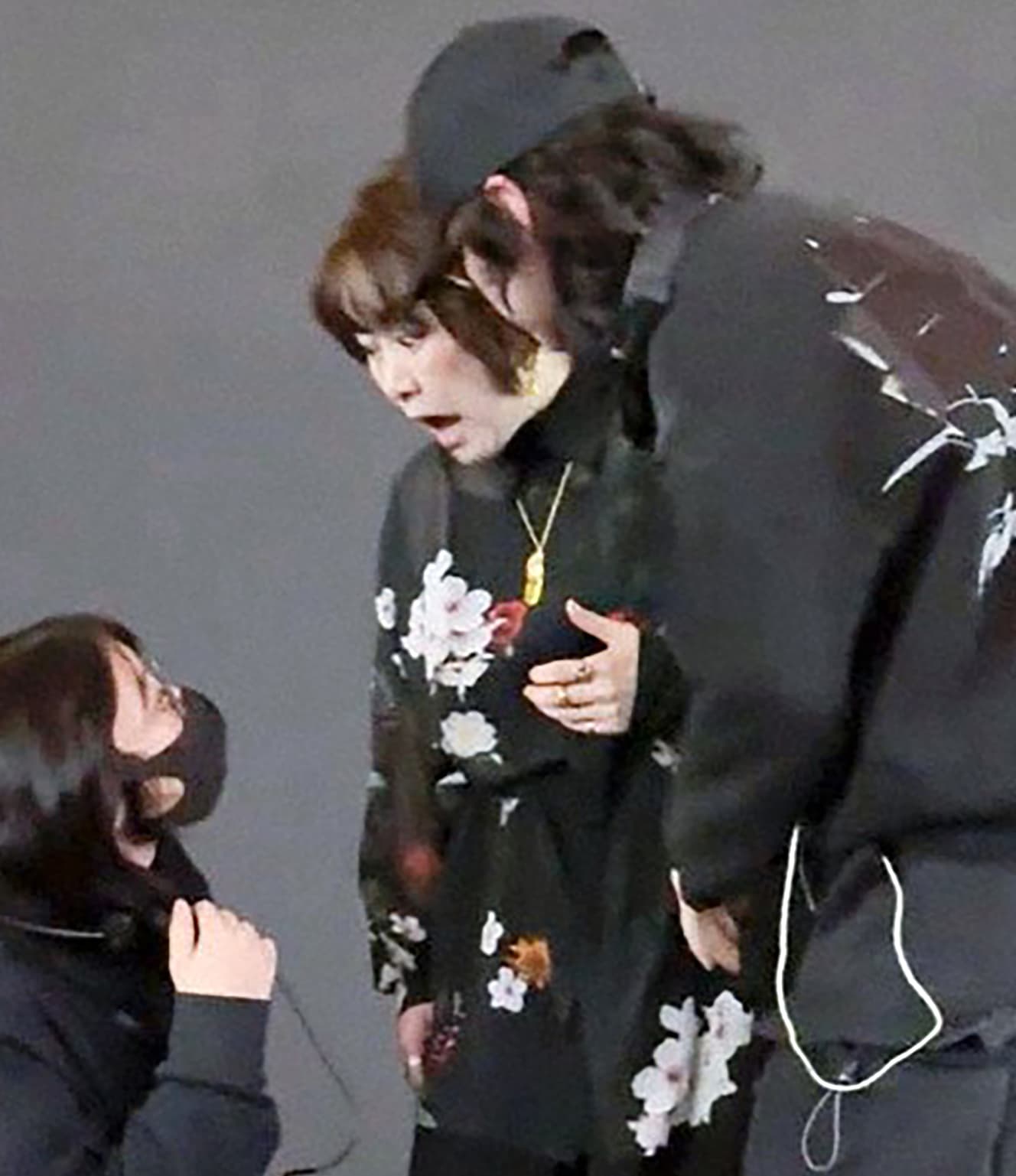
The cancellation or suspension of concerts by Japanese artists such as Ayumi Hamasaki (47) and Maki Ootsuki (52) is another example of the same kind of on-site discovery.
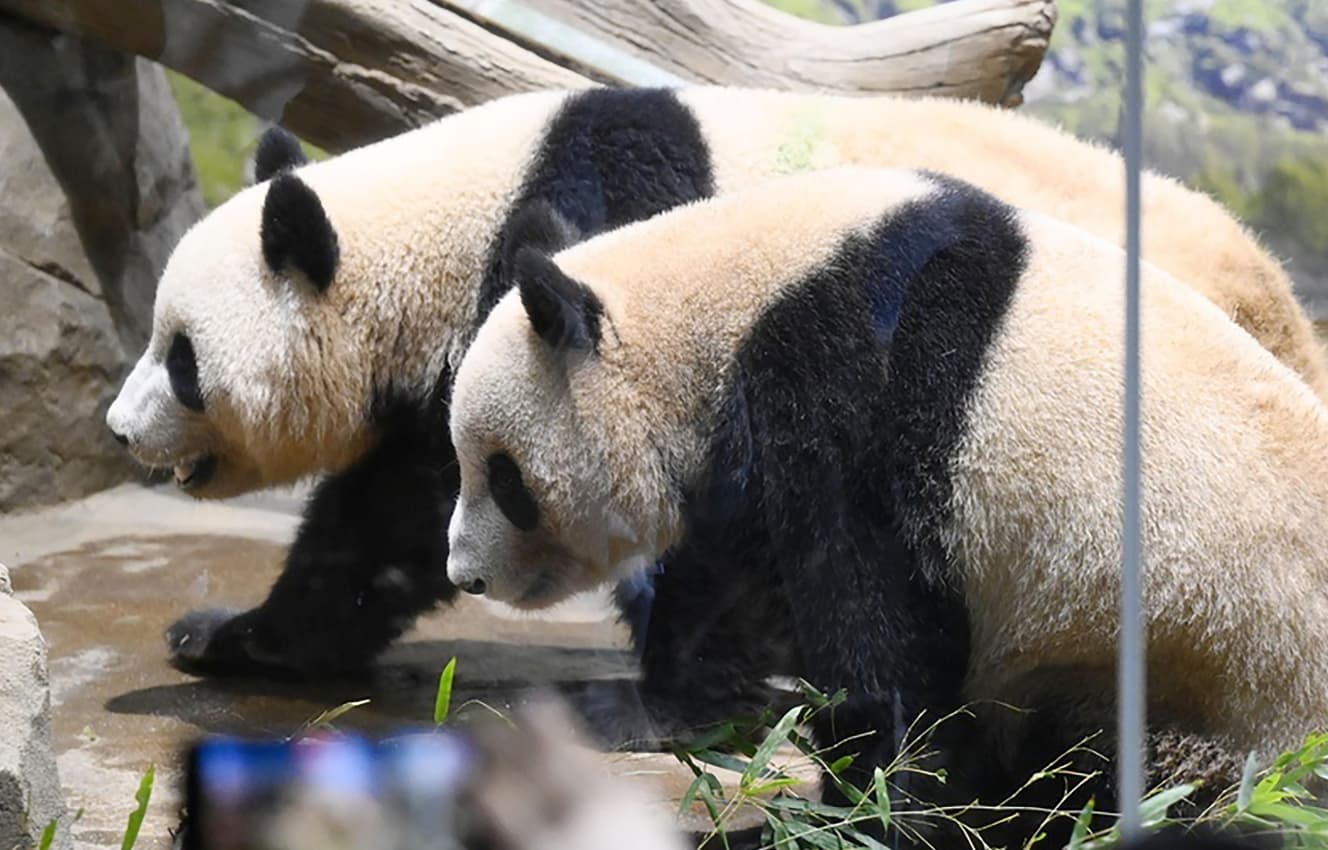
While concerts are cancelled, Japanese animation, which is a major source of income for China, continues to be distributed on video. If you go out on the street, you will see an abundance of Japanese characters such as ‘Chiikawa’ and ‘Hello Kitty. The priority is placed on performances that bash Japan, and harmful actions are avoided,” said Mr. Takaguchi.
Japan bashing brings back memories of the September 2012 uproar. At the time, the Japanese government nationalized the Senkaku Islands. The Chinese side reacted furiously, and large anti-Japanese demonstrations broke out. However, Mr. Takaguchi believes that the economic situation in China is completely different today than it was then.
At that time, China’s economy was growing at a high rate. Backed by this strong growth, China was able to take a strong stand against Japan, even at the cost of employment. Crowds of anti-Japanese demonstrators overturned Japanese cars, launched boycotts, and attacked the factories of Japanese companies, causing serious damage to the Japanese economy. The Japanese economy was severely damaged.
Today, China’s economic bubble has burst and the economy is stagnant. A boycott of Japanese cars, for example, would have a negative impact on the performance and employment of related Chinese companies. With the economy stagnant, they are probably trying to avoid causing any real damage in China. The recession is also the reason why there have been no large-scale anti-Japanese demonstrations. The Chinese authorities have effectively banned the holding of rallies. If crowds gather, their dissatisfaction with the economic situation will explode, and their anger may be directed at the Chinese authorities.
China torments the Chinese.”
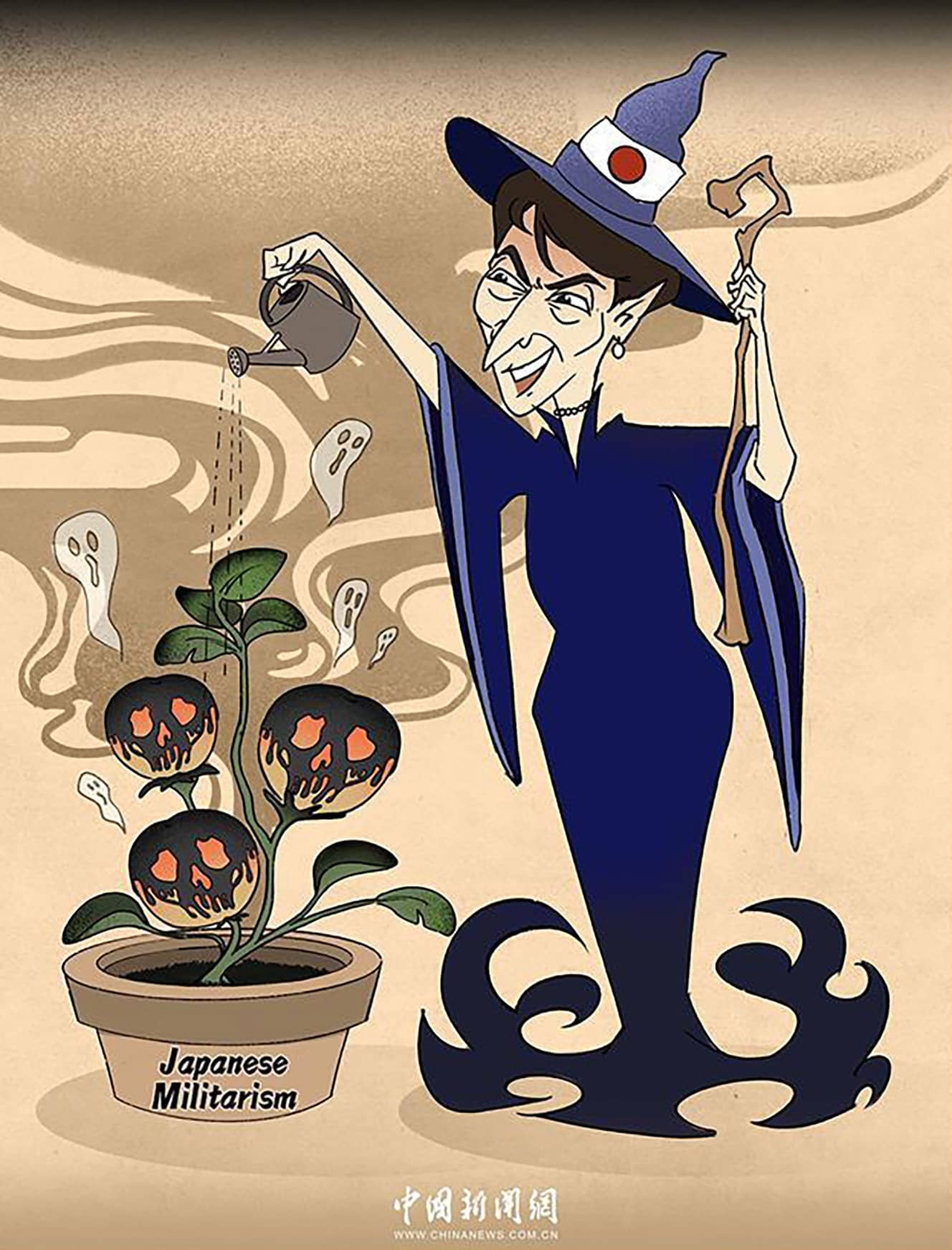
China’s empty, performance-driven criticism of Japan, which only serves to discourage Mr. Xi, is spreading online. On the Internet, the term “poisonous seedlings” is used to criticize Prime Minister Koichi, and comments such as “Japan is still militaristic” spread, while in the real world, admiration for Japan is said to be strong.
In the past, the purpose of Chinese people traveling to Japan was to buy brand-name goods and visit tourist attractions such as Kyoto. The current trend is to enjoy daily life in Japan. For example, cafes that are safe and clean and where one can eat alone are very popular. China is an overly competitive society and people are under daily stress. For many Chinese people, the daily life in Japan, where they can spend time alone and relax, is the ideal lifestyle.
However, the Chinese authorities, who are compliant with Mr. Xi’s anger, are appealing to the Chinese people to refrain from traveling to Japan.
The Chinese authorities, however, are appealing to the Chinese people to refrain from traveling to Japan, in response to Xi’s anger. Many Chinese travelers use airport pick-up and drop-off services and accommodations run by Chinese nationals living in Japan. Chinese agencies arrange their travel, and Chinese airlines are the ones they use to travel to Japan. The voluntary restraint on travel will result in their impoverishment. The Chinese authorities may end up making Chinese people suffer.
Is there a possibility that Chinese threats against Japan will become more intense in the future? The aforementioned Mr. Minemura sounded a warning bell.
One possible scenario is the detention of Japanese businessmen in China. In China, the Anti-Spying Law (Anti-Intelligence Law) was revised in April 2011. Previously, a person could not be taken into custody unless clear espionage activities were confirmed, but now there is a risk that any act could be considered “harming the state. Japanese nationals may be detained on the accusation that their normal business work is ‘espionage. It would be a show of provocation to Xi.”
No matter how much the pressure on Japan escalates, it is still an accusation. The background is empty logic.
It seems as if the whole of China is anti-Japanese because the ministries and state-owned enterprises are working in unison, but this is not the case. In fact, the anger of the Chinese people is not deep. It’s just that the authorities under Xi’s dictatorship are reading ahead of time what ‘the boss wants in the air’ and are trying to score points in a safe way with little actual damage to the Chinese economy. What they are afraid of is the risk of being criticized by the emperor as a traitor.
China’s threats are meaningless. There is no need for Japan to overreact to repeated pressure based on “difficult circumstances.
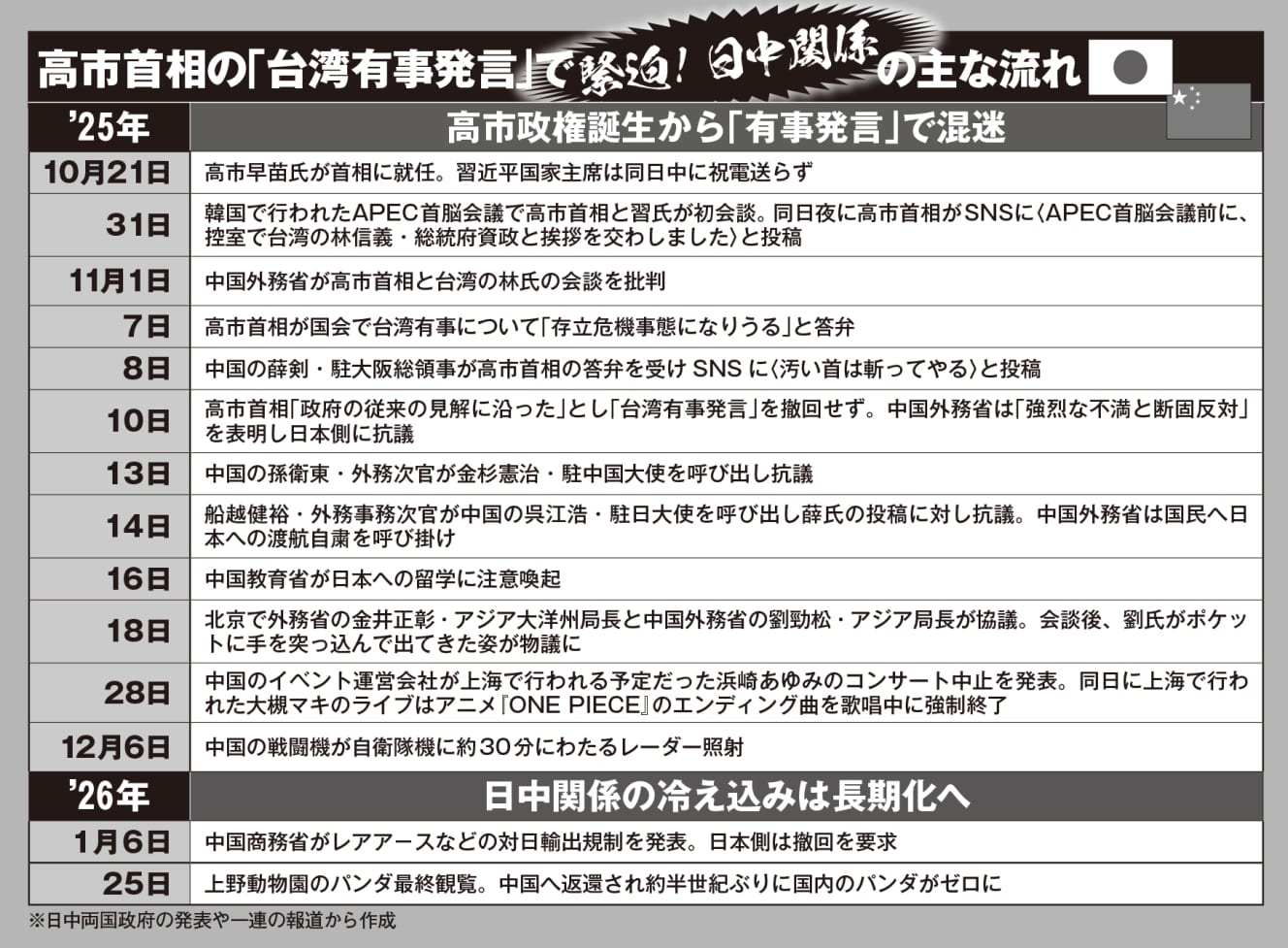
From the January 30/February 6 combined issue of FRIDAY
PHOTO: Reuters/Afro Kyodo News