Involved in memory, judgment, and learning ability decline…Unknown “relationship between dementia and bones” doctors point out the risk of progression.


An Invisible Chain of Events Advancing Dementia
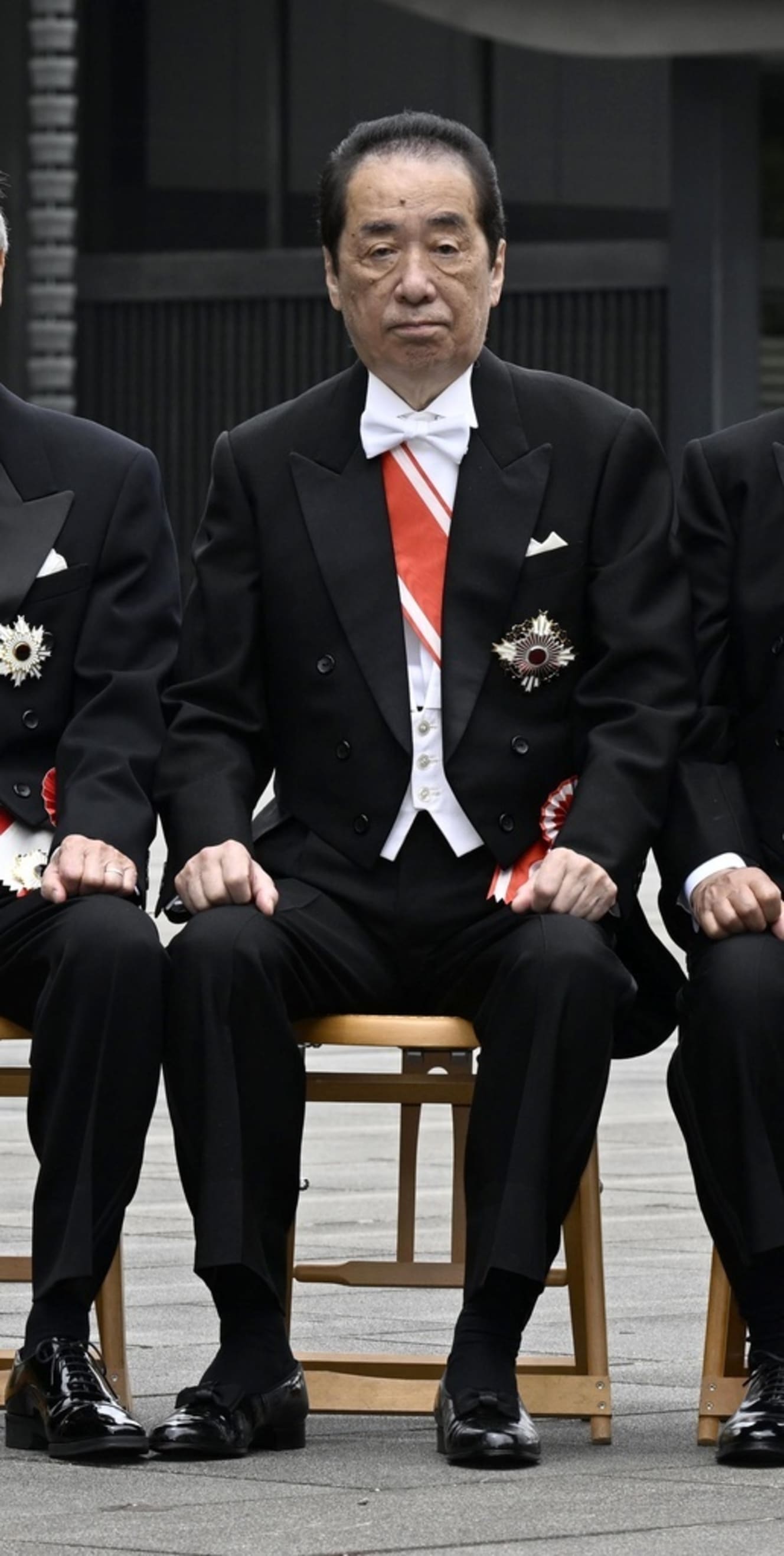
Japan was shocked when it was reported that Naoto Kan, 79, had developed dementia.
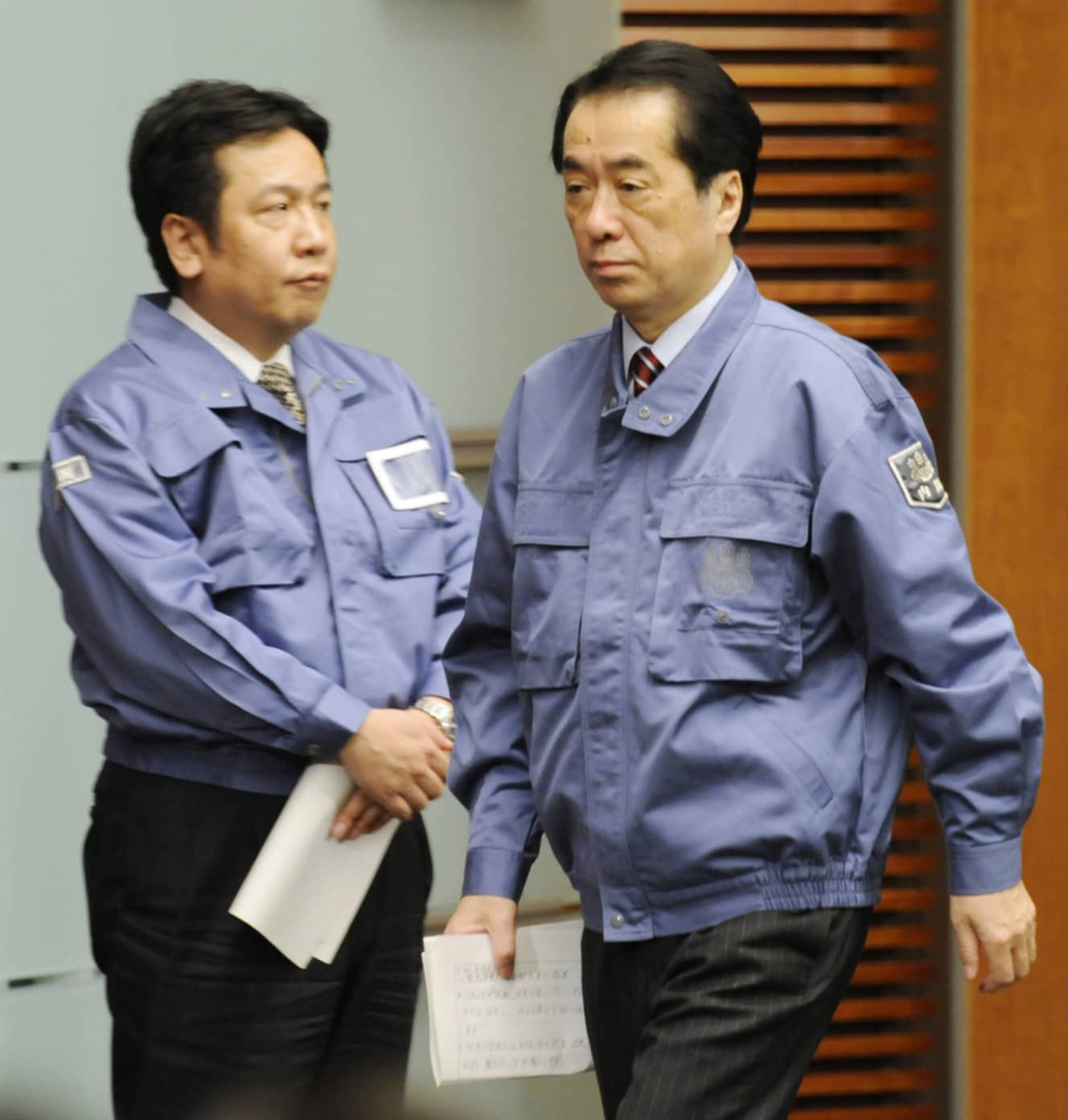
Mr. Kan is a politician who has faced national crises many times in his administration, including the drug-related AIDS problem, the O-157 scandal, and the Great East Japan Earthquake, and has devoted himself wholeheartedly to serving the people, despite facing intense criticism. Many may have mixed feelings about the fact that even a man who, as prime minister, has carried the fate of the nation on his shoulders and made decisions under extreme strain cannot escape old age and illness.
According to media reports, Kan, who needs 3 years of nursing care, was hospitalized in July 2025 with a broken ankle, which triggered his dementia.
For the elderly, a fracture is more than just a traumatic injury. It is often a turning point in the chain of reduced activity, changes in the living environment, and social isolation, all of which can lead to a rapid decline in physical and mental functions.
Dr. Kazutoshi Kameda, Director of the Sapporo Chuo Orthopedic Clinic, says so (” ” denotes Dr. Kameda).
Bones are not just organs that support the body. They are also organs that support memory, emotion, and personality.
Recent basic research has shown that bones secrete hormones and exchange information with the brain.
The key is osteocalcin, a peptide hormone secreted by osteoblasts. Osteocalcin has been shown to act in the bloodstream on neural circuits in the hippocampus and frontal lobe, and is involved in memory formation, learning, emotional stability, and motivation.
A research group at Harvard University reported that osteocalcin is involved in the production and regulation of neurotransmitters such as serotonin, dopamine, and noradrenaline in the brain (Oury F. et al., Cell, 2013/Nature Reviews Endocrinology 2016). These are all important substances that influence motivation, emotion, concentration, and stress tolerance, and the evidence suggests that “bone health is directly related to the functioning of the mind and brain.
As bone density declines with age, osteocalcin secretion also declines. This can be the biological background for impaired memory, judgment, and mood stability. In other words, bone weakness itself can contribute to cognitive decline.
There is also epidemiological support for this.
The latest Rotterdam Study (Netherlands, 2023), which followed more than 10,000 people over a long period of time, showed that “elderly people with low bone density are at higher risk of developing dementia in the future. The internal factor of “decreased hormone secretion” due to bone deterioration and the external factor of “changes in behavioral patterns” have a dual effect on brain function.
When a fall or compression fracture leads to a decrease in walking, going out, and talking, blood flow to the brain and the frequency of use of the neural network decrease, and the vicious cycle of “less walking, weaker bones, and brain decline” begins. ‘ It is not uncommon for elderly patients to lose cognitive function in a short period of time following a fracture.”
The fork in the road is in your 40s.
Dementia does not develop suddenly. Changes in the brain are gradually taking place over 20 years before the onset of the disease, so slowly that they go unnoticed. The most important time to start thinking about prevention is in one’s 40s, when one is in one’s prime working years and thinks “it’s still a long way off.
Dr. Kameda emphasizes the importance of prevention as follows.
However, from a medical standpoint, the most realistic approach is to “maintain bone density, use your muscles, and keep walking so you don’t fall down.
Exercise provides load stimulation to the bones to maintain osteocalcin secretion, while at the same time maintaining cerebral blood flow and neural circuit activity. Protecting the bones is directly linked to preserving memory, emotion, personality, and dignity.
Dr. Kameda listed the following four specific preventive measures against dementia: 1.
1. Regularly stimulate the bones and muscles by walking at a brisk pace for about 30 minutes every day and doing light strength training.
2. Maintain bone metabolism and muscle mass with a diet rich in protein, calcium, and vitamin D.
3. Prevent falls through balance training, strengthening of lower limb muscles, and improvement of the living environment.
4. Maintain social stimulation by going out and having conversations.
Dementia does not occur suddenly. The present of a politician who has continued to stand in the face of a national crisis is also a mirror of our own future.
PHOTO: Kyodo News