Interview with Souko Fujima, who played Kiyo, a pure and innocent woman, in “Bebo”.


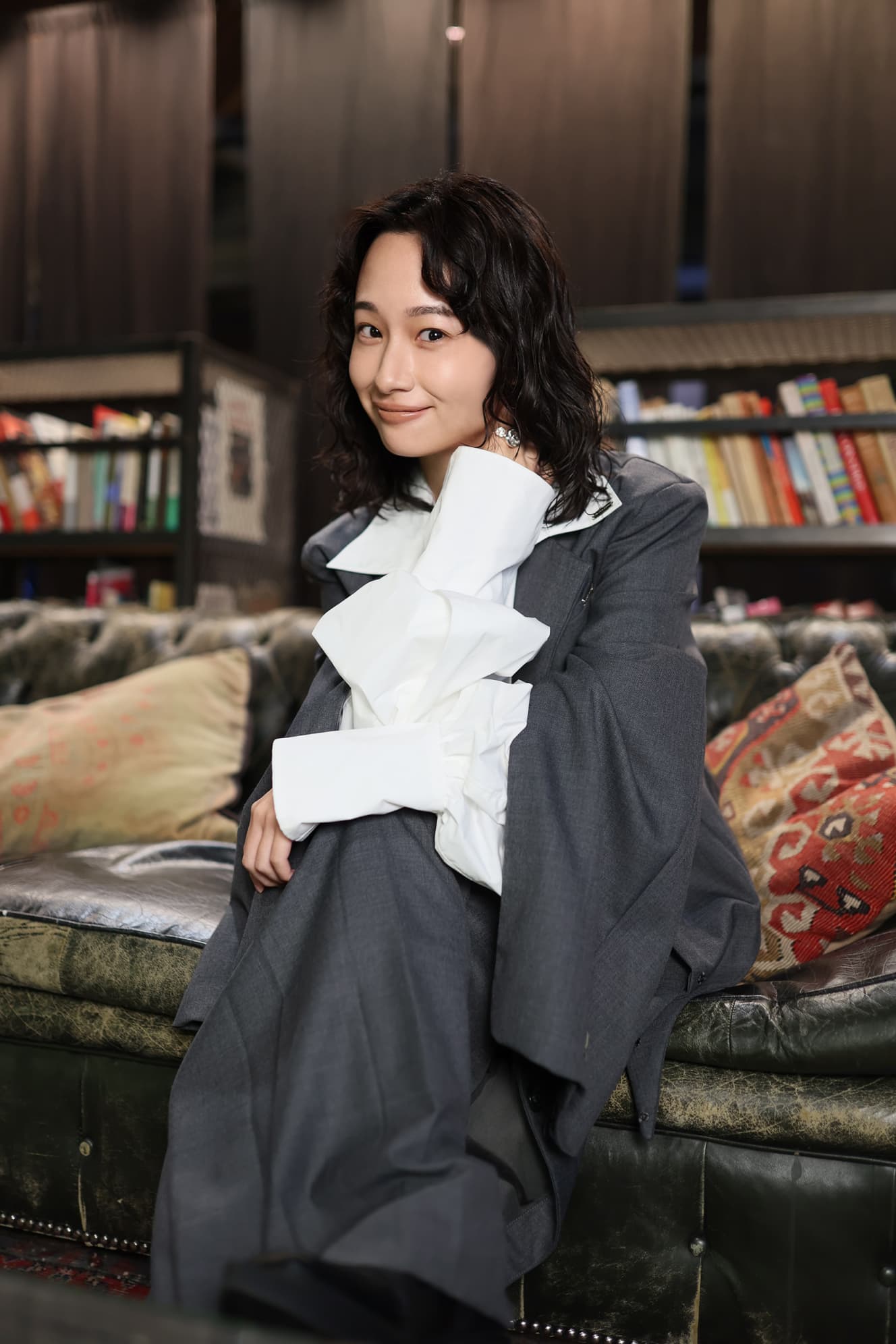
Her career as an actor is surprisingly short.
Even on my days off, I think about my roles. But that’s my job, and even that time is fun.”
Actor Souko Fujima, 31, speaks quietly with sincere words and a humble attitude.
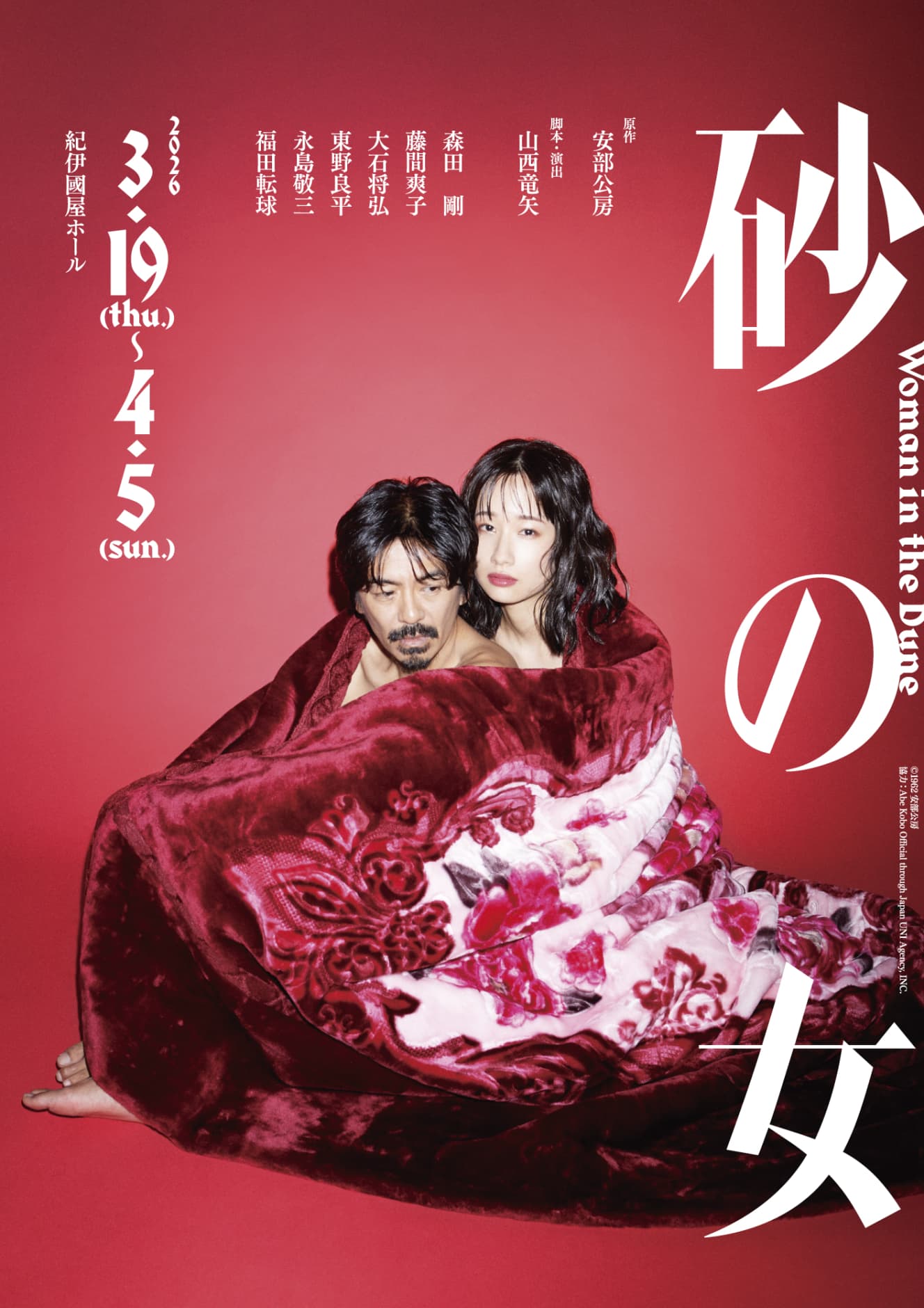
She is a talented actor who left a strong impression with her role in last year’s NHK historical drama “Belabo. On the other hand, she is also an iemoto of the classical Japanese dance form, a “two-faced” existence, so to speak. This year, Fujima will take on the stage in a production of “The Woman in the Dunes,” an immortal masterpiece that has been read and passed down through the generations.
The original novel of the same title by Kobo Abe (1924-1993) was published in 1962. A man goes insect collecting on a seaside dune, but gets trapped in a house built at the bottom of a hole in the dune where a woman lives alone, and attempts to escape by various means. He tries to escape by various means, but at the same time, he becomes obsessed with the woman’s bewitching charms, as if he were trapped in an ant lion’s den. At the time of our interview (last December), rehearsals had not yet begun, but he spoke of the “woman” he plays.
At first glance, she seems like an elusive woman, but I thought she was actually very human. Until we start rehearsals, I have various images in mind while preparing for the role, but once the rehearsals begin, those images fall apart. No matter how much I prepare, the role changes during rehearsals and performances. I believe that repeating this process is one of the most exciting aspects of the job.
Although the play was written more than half a century ago, Fujima sees in it an overlap with contemporary society.
A man in search of freedom wanders into a village, and as he lives there, he chooses not to return to where he came from. I think this kind of “180-degree change in values” is common even today. Even if you feel uncomfortable at first, as time goes by, you may accept it and take it for granted. Of course, this is the case with me, too, and it has been repeating itself throughout the ages, even though the times are different. In that sense, I think “The Woman in the Dunes” can be accepted even today.”
In fact, Fujima’s career as an actor is not that long.’ He began his acting career in 2005 when he appeared in NHK’s television series “Hiyokko,” and has since made his presence felt in dramas such as “My Family” (TBS) and “silent” (Fuji TV).
In “Belabo,” she played the role of Kiyo, the deaf and mute wife of Kitagawa Utamaro, played by Sometani Shota (33), which was met with a great response. However, she says that creating the role proved difficult. It was during this time that he met Nanako Fujita, 29, an actor who is deaf.
Acting for a Lifetime
I played the role of Kiyo, a deaf woman who was unable to speak. Since she was not a person who actually existed in history, I had a hard time creating the role because I could not do any preliminary research. Then I was introduced to Ms. Fujita, and she told me many stories. Mr. Fujita was very friendly and cheerful. ……
He said, “For those who lost their hearing in the middle of their lives, it is hard because they have memories of being able to hear. But people who are born deaf don’t feel sadness because it is natural.
I was very impressed by her words. I thought it would be better to play the role of Kiyo, who was also born deaf, so I thought it would be better to have the strength to accept it as a matter of course and not be pessimistic about it. I am truly grateful to Ms. Fujita for helping me to create the role of Kiyo.
In order to survive, Kiyo worked as a “washerwoman,” selling her body for a low price while doing laundry. When she married Utamaro, she finally found a safe place to live, but she developed syphilis. Eczema spread over Kiyo’s entire body, and she fell into delirium with increasing frequency. In her final moments, she dies with a peaceful smile on her face, despite her suffering. This scene shocked viewers.
I hoped that viewers would not look at it from the perspective of “I feel sorry for him,” but rather as a normal person living a normal life. I thought it would be better if the viewers could see her as a normal person who is trying hard to live a normal life, rather than as a “poor girl. I think the gap between her bright appearance and her final moments makes her sadness stand out even more. As for acting, I was given a surprising amount of freedom.
Rather than saying, “You have to do it this way,” I think there was room for me to think about it and make it my own. Kiyo had no doubt that she was doing that kind of work. For her, selling her body is a normal way to live. I thought it would be better to accept that reality as normal. I think that’s also where her grace toward death lies.”
While working on the front lines as an actor, Fujima is also active as the head of the Murasaki-ha Fujima school of Japanese dance as “Murasaki Fujima III. Recently, he has been putting more effort into activities outside of the public stage.
I also work as a teacher to watch the training of my apprentices. I also organize workshops. Practice is important, but I think that to speed up the rate of growth, it is important to be on stage. It is important to be seen by others. I hope you can find your effort and enjoyment in it. I feel that our students range from kindergarteners to working adults, and I feel that we are spreading to a wide range of generations.
Fujima, who has played a variety of roles depending on the scene, has a surprisingly simple goal in mind.
My goal is to continue acting for the rest of my life. To achieve this, it is important to take care of my body, and I want to be in good shape, including my mental state. Because I have played many mysterious roles in the past, I would like to take on roles that are easier to understand and more human in the future. I would like to greedily take on various challenges so that I can betray the expectations of the viewers in a positive way.
As Souko Fujima earnestly faces her roles, one cannot take one’s eyes off of her.
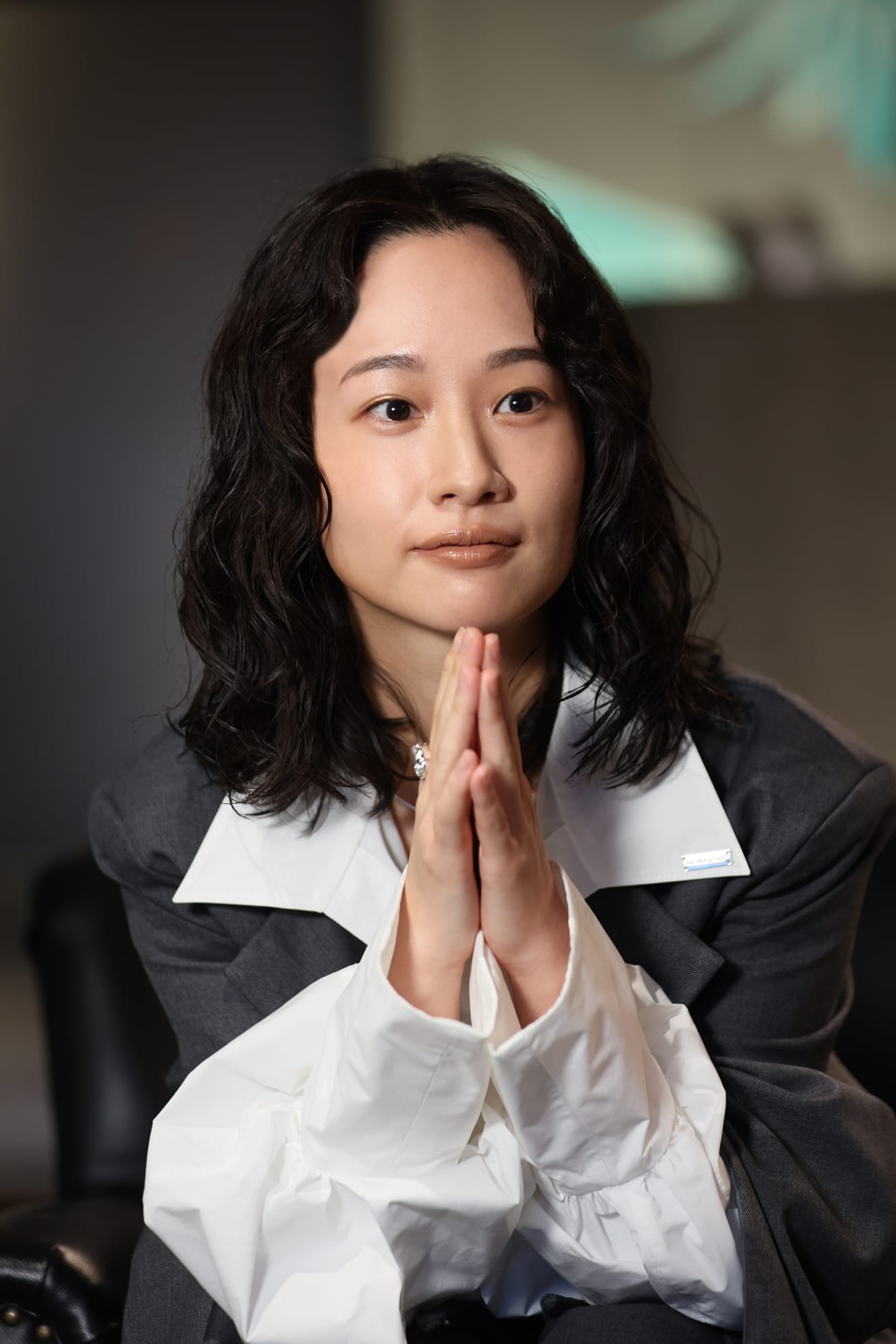
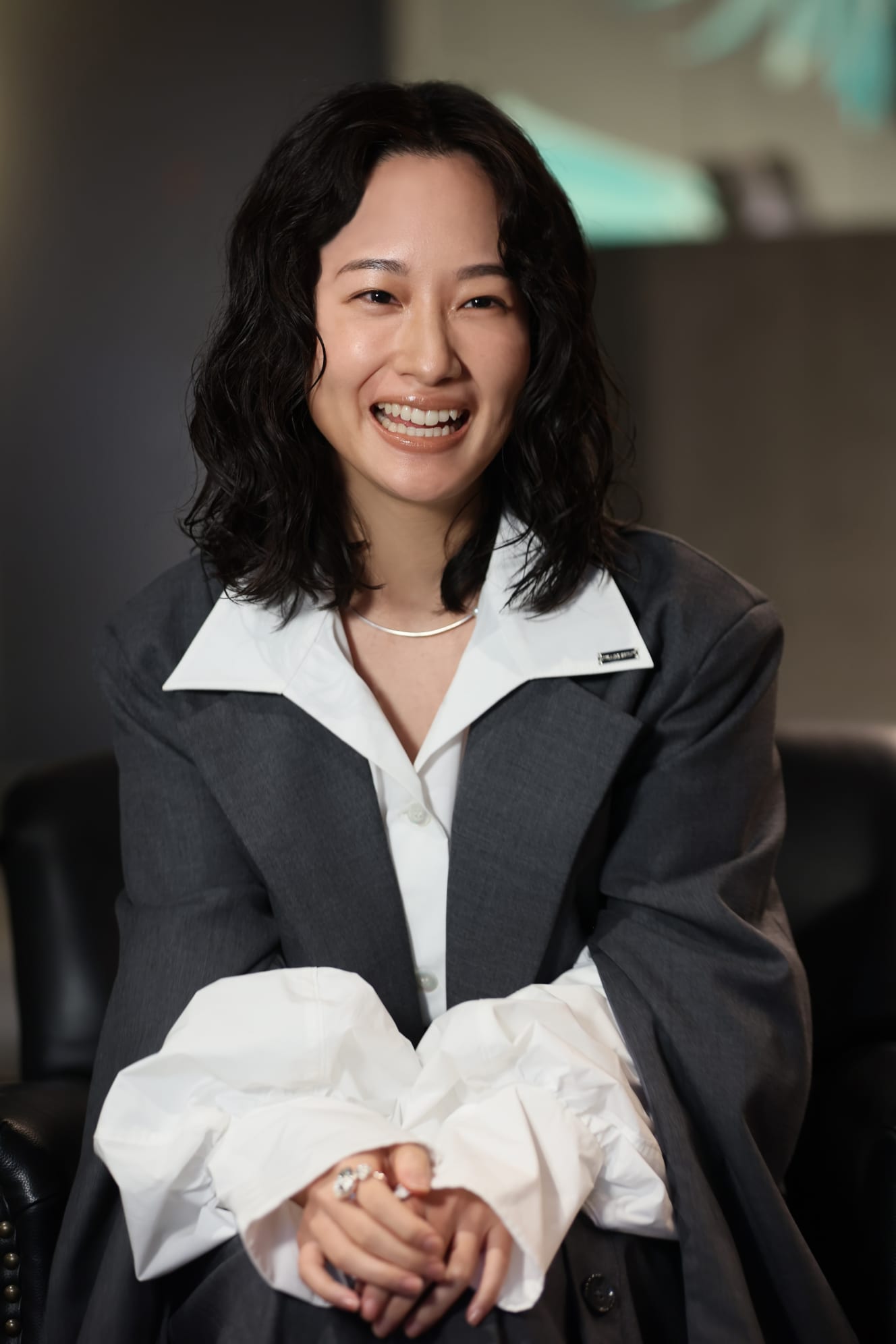
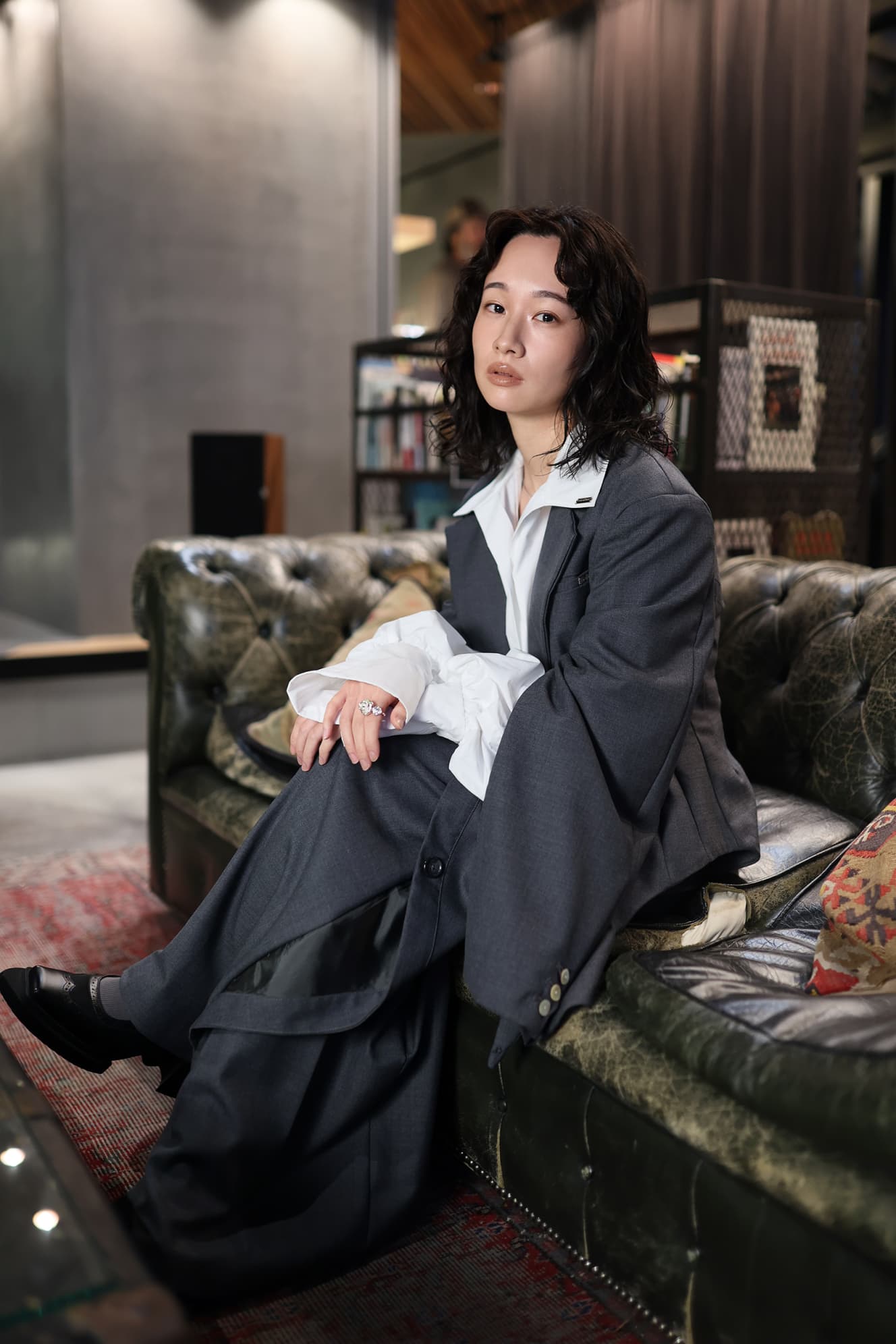
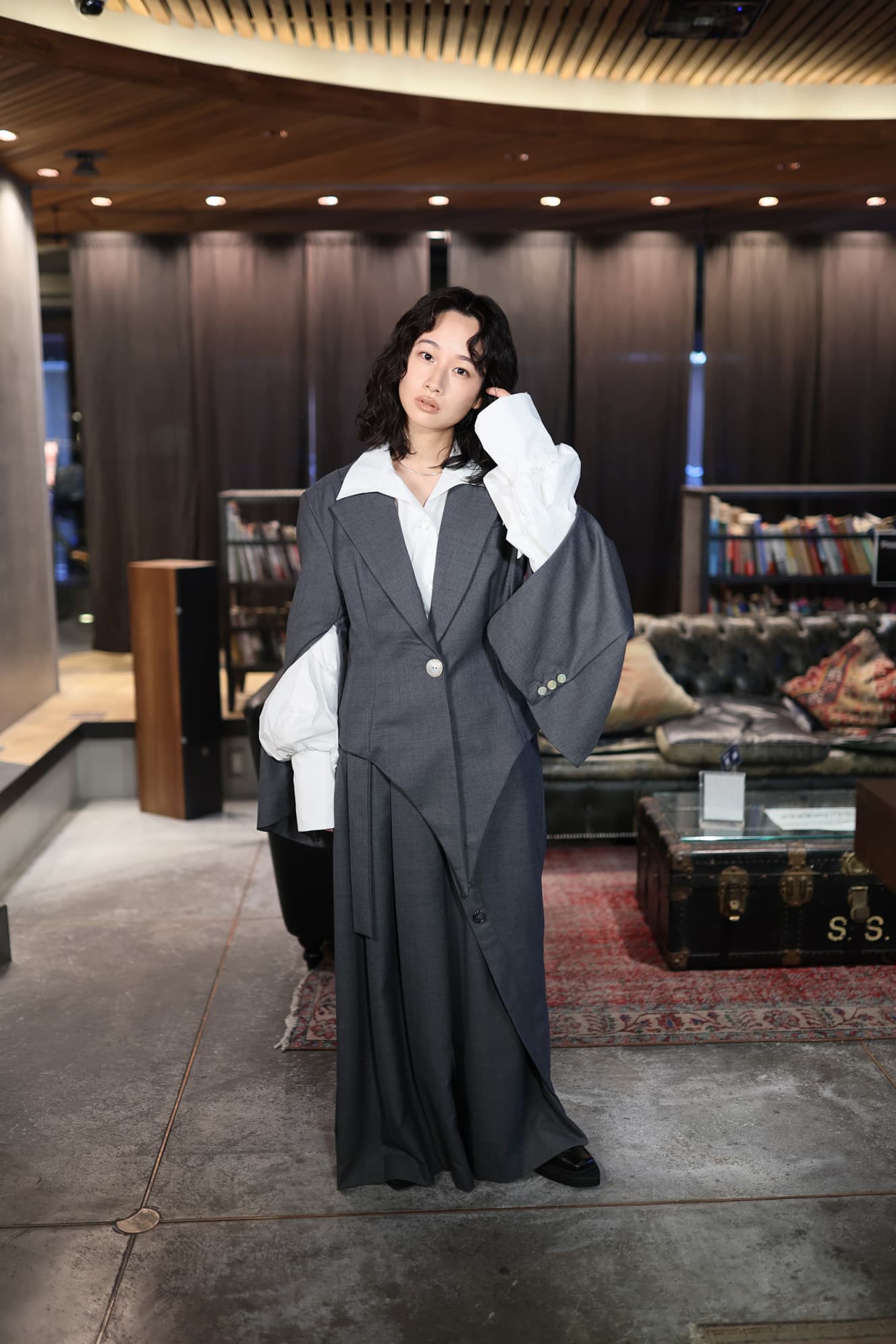
Costume cooperation: Jacket, shirt, pants ( MIKAGE SHIN ), shoes ( AKIKOAOKI), choker ( e.m.), ring ( Soierie)
Hair and makeup: TOMOE (artifata)
Stylist: Takumi Noshiro ( TRON )
Photography cooperation:COFFEE BAR Janshiki
Interview and text by: Hirotsuru Fujiyama PHOTO: Takehiko Kohiyama