Is Sushiro, the champion, on solid ground? Conveyor-belt Sushi War 2026
Latest Report [Special New Year's Edition]: Dominance of the Industry Seen in Tuna and Salmon


Matsuya Foods, the leader in the restaurant industry, is finally making a serious attempt to capture the conveyor-belt sushi market. Sushimatsu, an order-made conveyor-belt sushi restaurant operated by the company that also operates the major beef bowl chain Matsuya and the pork cutlet chain Matsunoya, is steadily increasing the number of its outlets.
Hamazushi, owned by Zensho Holdings, which also operates Sukiya, the largest beef bowl chain in Japan, continues to grow, backed by its parent company’s strong procurement capabilities. Hamazushi, which combines cheap prices and high quality, is the last of the four major chains to launch, but it continues to make rapid progress, ranking second in the industry with annual sales of 248.4 billion yen.
Part 1: “Conveyor-belt Sushi War 2026” Latest Report: Tuna and Salmon
The Champion Gains Power
On the other hand, Kappa Sushi (annual sales of 73.2 billion yen), which, like Hama Sushi, has maintained a minimum price of 110 yen, continues to struggle despite all measures it has tried.
Kappa Sushi” (annual sales of 73.2 billion yen), which has maintained the same 110 yen minimum price as “Hamazushi,” continues to struggle despite its attempts to implement all kinds of measures. The all-you-can-eat menu was introduced, but it was not very well received because it was priced at 1,000 yen when it was first introduced. Furthermore, they have started offering a “5-kinds oden platter” (from 590 yen, single items available), but it has not become a major topic of conversation. The ‘authentic ramen series’ made in collaboration with famous restaurants around the country is certainly delicious, but the hurdle is high for a restaurant that sells inexpensive items for over 500 yen,” says food journalist Junnosuke Nagahama.
Indeed, as of January 2014, “Special Shoyu Ramen” sold at “Hama Sushi” costs 429 yen and up, while “Kappa Sushi’s “Onikinbo Supervision Karashibi Miso Ramen” costs 540 yen and up, more than 100 yen more.
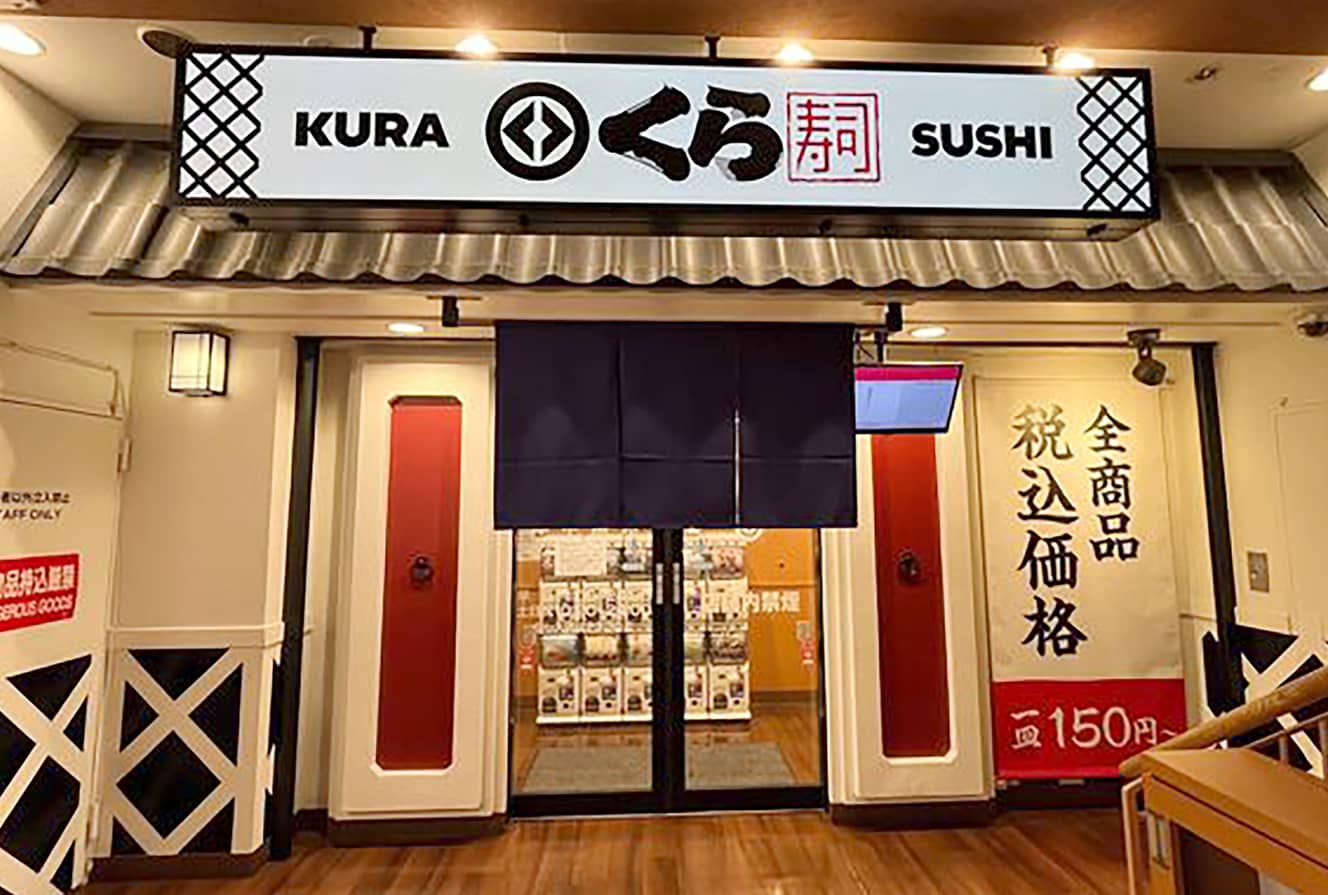
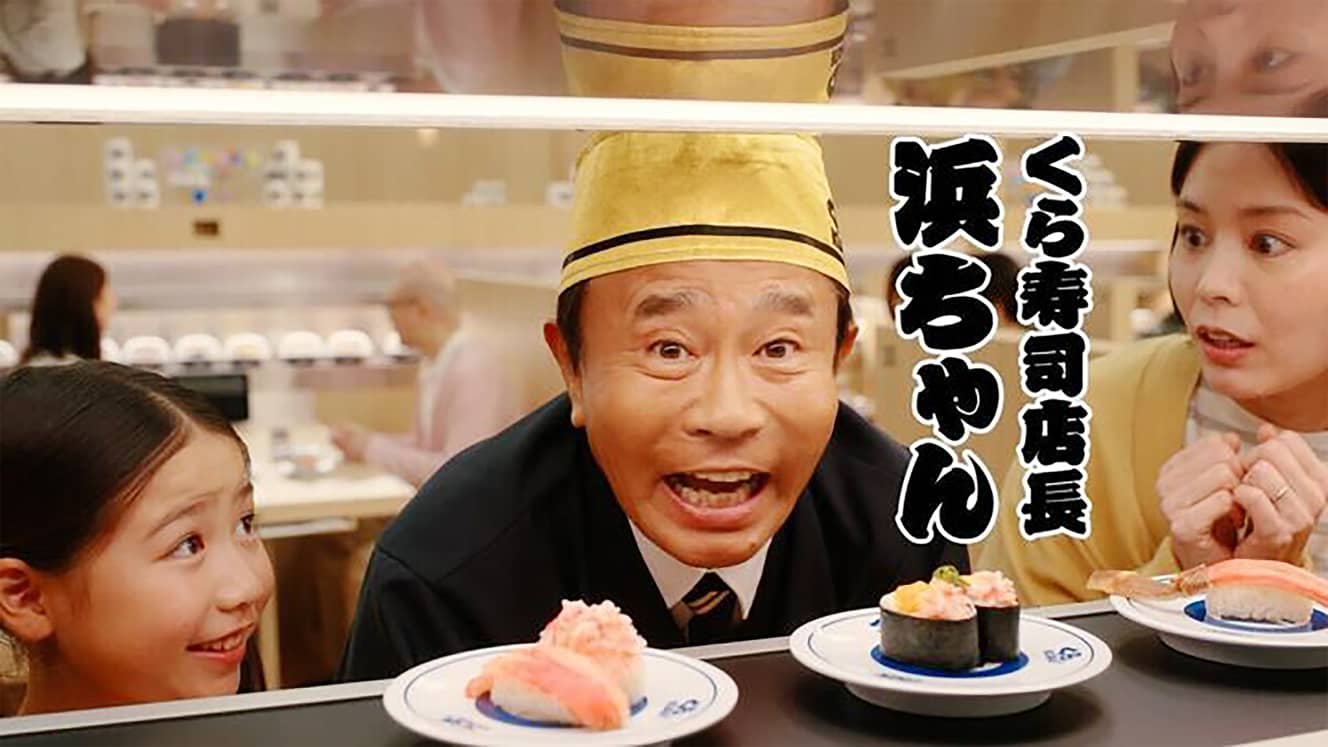
Kura Sushi (annual sales of 245.1 billion yen), the only one of the four major sushi chains to offer constantly rotating sushi, fell slightly to third place last year after losing ground to Hamazushi. However, with its extensive side menu and high quality sushi, Kurazushi is expected to maintain its strong performance in 2014.
Kurazushi is a pioneer in the conveyor-belt sushi market in that it offers a wide variety of side dishes. In addition to sashimi dishes, there are many aggressive menu items such as “Kura Dashi (soup stock)” (170 yen) and “Pure Miso Soup” (210 yen) without any ingredients. There is also a wide variety of ramen, which is the star of the show, and you can enjoy it by ordering several plates of your favorite sushi with ramen as your main dish,” said Yagyu.
While the quality of the ingredients for both the aged tuna and salmon sushi was not particularly noteworthy, what surprised the reporter was the delicious rice. The presence of carefully selected Japanese rice and mild sushi vinegar is the best among the four major chains.
The rice at Kura Sushi is strictly controlled to reach a temperature of 36 to 37 degrees Celsius, the same as human skin, just before it is poured into the lane. The quality of the ingredients depends on the individual fish, but the high quality of the rice can compensate for that. The restaurant also offers a variety of entertainment options, such as the “Bikkura Pon! which can be challenged by throwing in five plates. Kura Sushi is the most fun to use like a family restaurant,” says Suda.
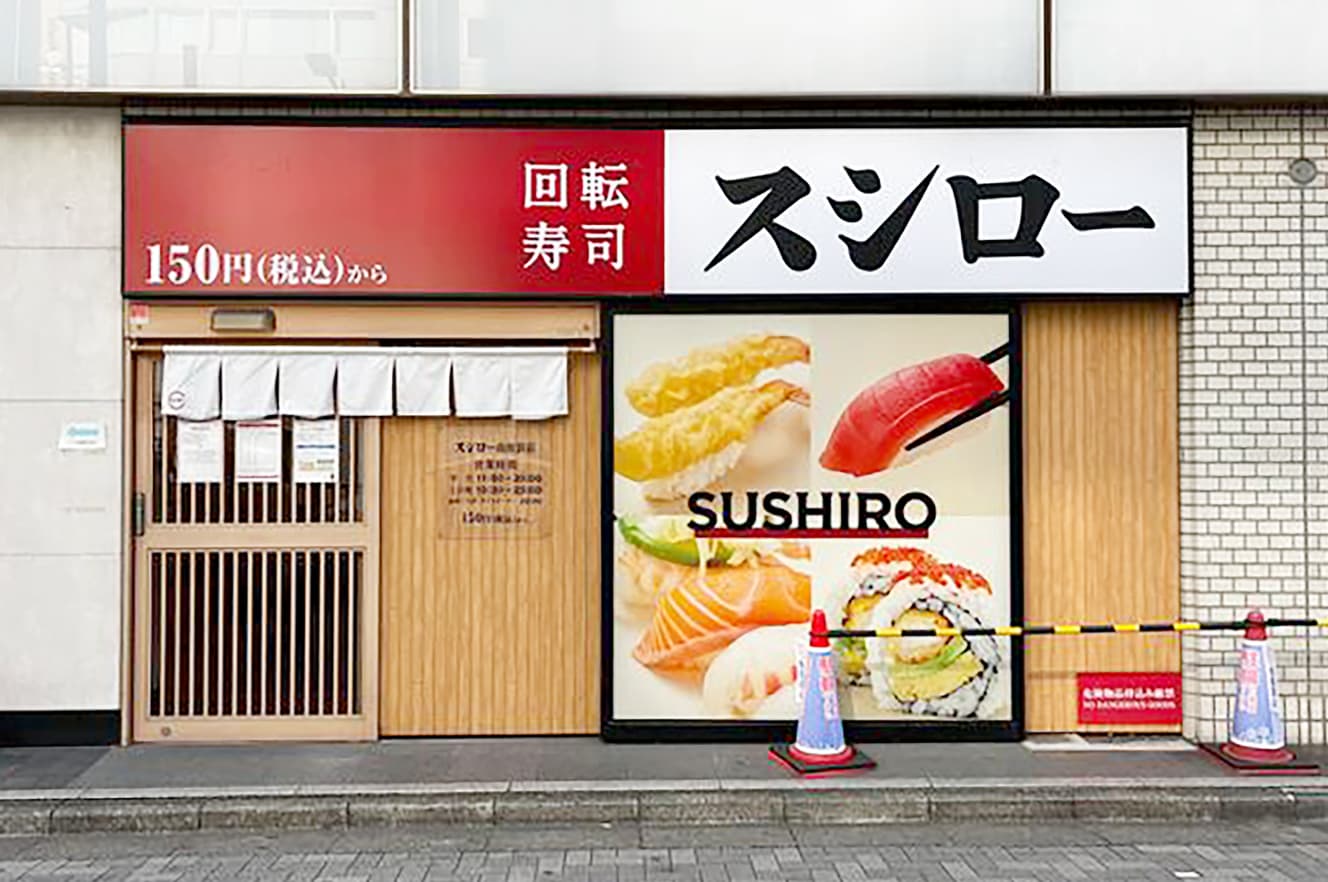
Sushiro (397.3 billion yen), the reigning champion with annual sales of 150 billion yen ahead of second-place Hamazushi, is not likely to waver in 2014. In fact, Sushiro’s power is increasing,” says Suda.
I feel that the speed of serving has increased over the past year or two. If each dish can be served 30 seconds faster, that’s a five-minute reduction for 10 dishes. That would increase the turnover rate and the number of customers. They must be accumulating data on the number of customers at different times of the day and on the status of their item orders to improve the efficiency of their operations.
Among the four major chains, Sushiro’s “Selected Tuna Red Meat” was on another level. The flavor lingered on the tongue, and the aroma of the tuna’s unique iron content was clearly perceptible. In addition, Sushiro’s Café Department develops about 50 different kinds of sweets each year, and the menu also includes a wide variety of side dishes to keep diners young and old happy.
The prices are higher than those of Hama Sushi and Kappa Sushi, but the quality is also high, so it is difficult for customers to leave even if prices are raised. We will get out of the price competition and compete on the strength of our brand, and our business will continue to grow.
The chain will show its strength with its signature products, tuna and salmon, and build up profits with side dishes. The chain that succeeds in these two areas will be the one to gain supremacy.


From the January 23, 2026 issue of FRIDAY