Jockey Daichi Shibata Opens Up on the Sudden Death of Meiner Group Leader Shigeyuki Okada


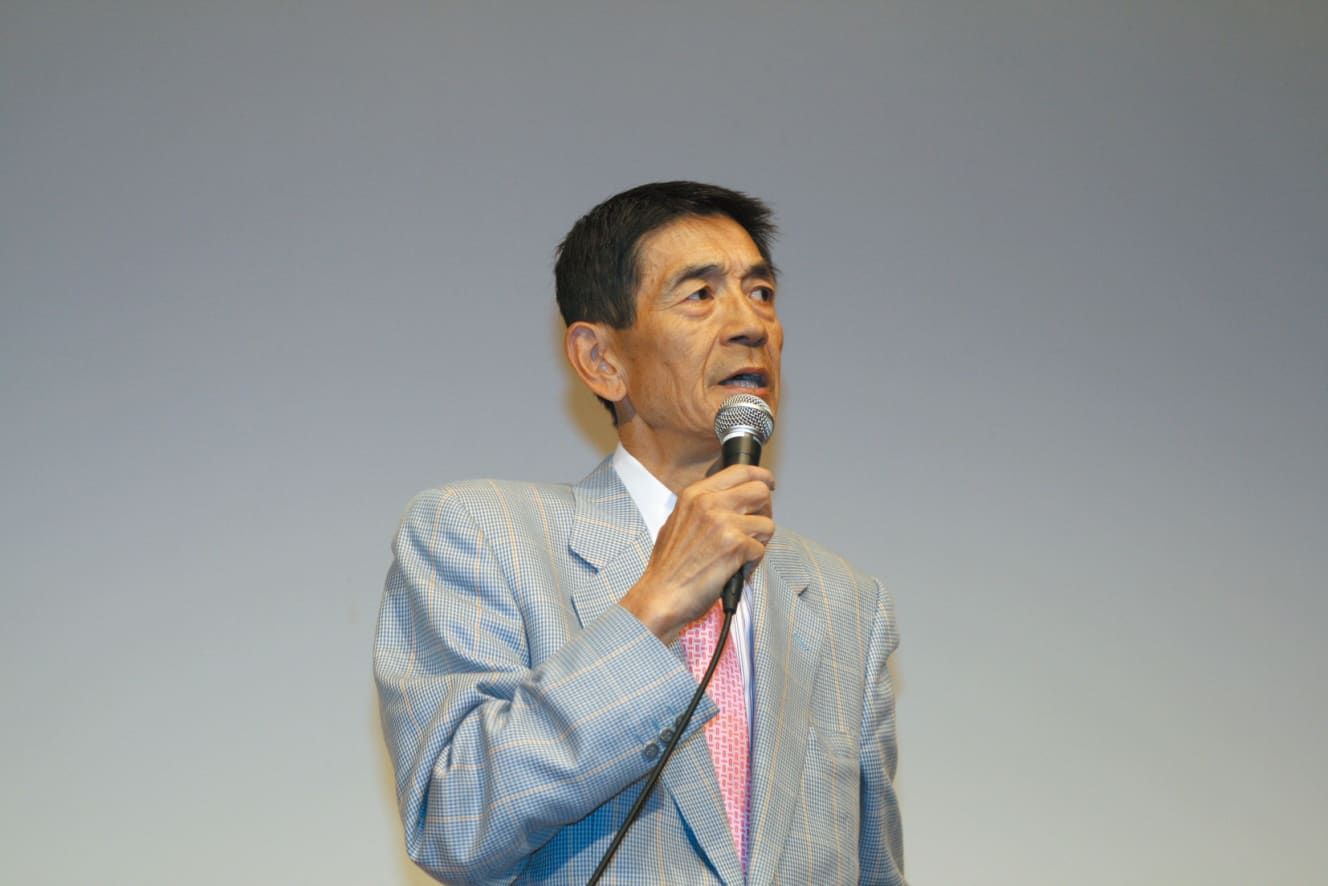
Try riding that horse
The Japan Racing Association (JRA) announced on January 6 the winners of the “JRA Award for Equestrian Culture” (FY ’25), which honors works that have contributed to the development of equestrian culture through literature, film, and other cultural activities. The award went to Soma’s Eye Saw a Dream: The Days When Shigeyuki Okada Defied Sunday Silenceby Kiyoshi Kawamura.
The book is a nonfiction account of the life of Shigeyuki Okada, a racehorse owner and breeder who fought tirelessly in the racing world with his soma eye—the ability to evaluate a horse’s potential and future based on its physique—and was beloved by fans as the commander of the Meiner Group.
For this feature, jockey Daichi Shibata, one of the jockeys who rode many of Okada’s horses, shared his thoughts on Okada.
Daichi Shibata, who debuted in 1996, is the son of the legendary jockey Yoichi Fukunaga and brother of twin jockey Misaki Shibata. He was part of the “Flower Class 12” at the Racing School, which included three of the first female jockeys in JRA history. As the older twin, Daichi was already in the spotlight from his debut.
In his debut year, he achieved 27 wins, and in his second year, he also won graded stakes races. However, after leaving his stable to become a freelance jockey, he struggled with fewer horses to ride, and in ’06 and ’07, he had years without a single victory. At his lowest point, Daichi was saved by Okada.
After being introduced to Okada by Toshiyuki Shimizu, president of Mill Farm, who had experience training at Okada’s Big Red Farm, Daichi gradually began riding Okada’s horses and earned his trust.
“The first time I met President Okada at the farm, I was so nervous that I hardly remember the conversation (laughs). But after exchanging greetings and talking a little, he suddenly pointed to a horse at the farm and said, ‘Try riding that horse; you’ll also ride it in an upcoming race.’ That horse was Play, which had been purchased for over 100 million yen at the Select Sale, so I was like, ‘What!? That amazing horse!!’ and completely shocked.”
In fact, in his first race on Play in the Keisei Hai (GIII), he finished 3rd despite being the 7th favorite, and in the NHK Mile Cup (GI), he placed 5th as the 8th favorite, showing his skill. From then on, he began visiting Okada’s farm frequently and rode horses that were resting or young two-year-olds.
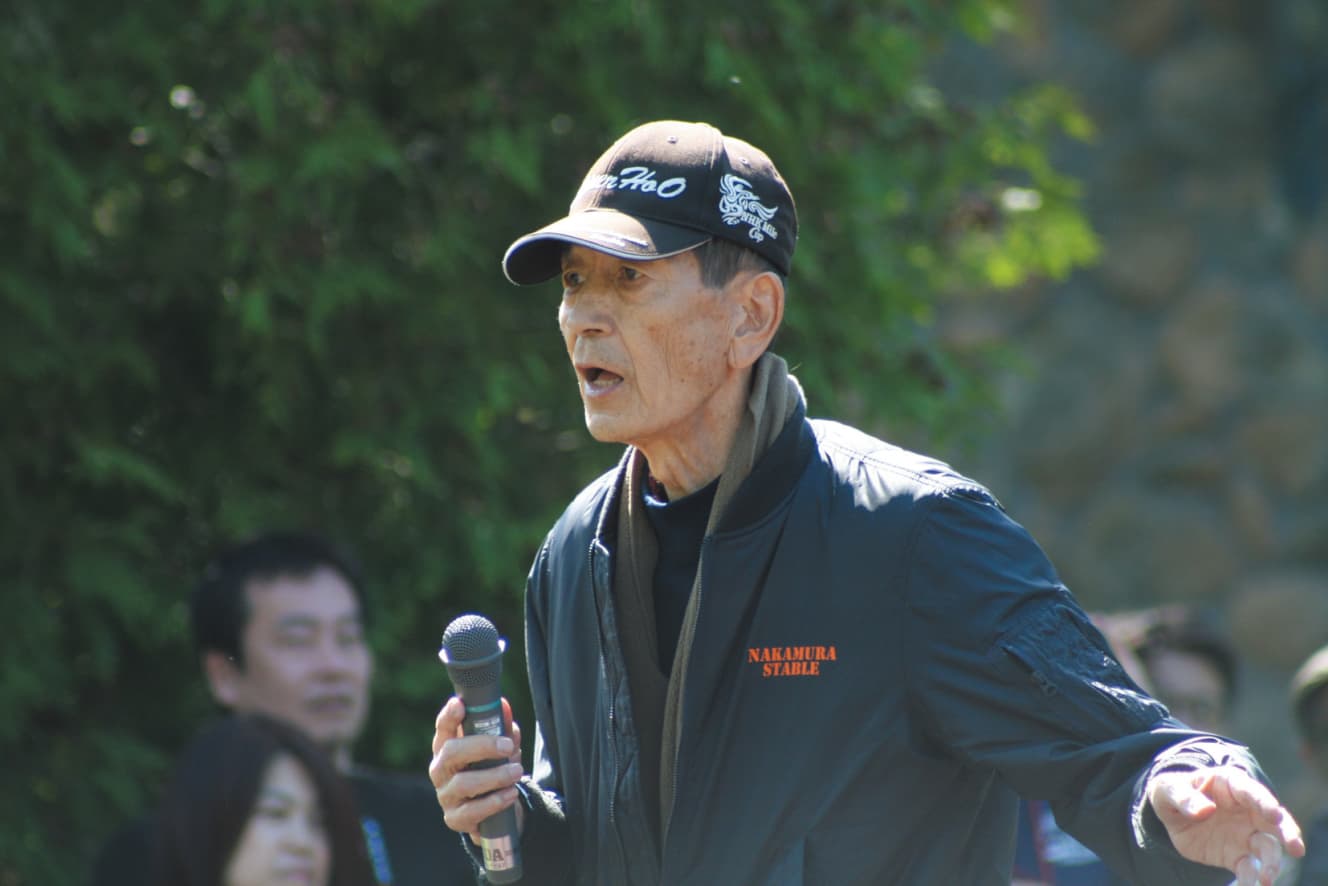
Watching horses without eating or drinking
What most surprised jockey Daichi Shibata in his interactions with Okada was Okada’s eye for horses. In Soma’s Eye Saw a Dream, there is a scene where Okada points out a mistake in a photo of a horse introduced as the Triple Crown winner Seattle Slew at the “Horse Museum” he visited while in the United States. Daichi Shibata was present at the time.
“When President Okada first said, ‘This photo is wrong. That’s a different horse,’ the atmosphere among me and the other companions was, ‘No way, there’s no way the photo of such a famous horse displayed in a museum could be wrong.’ The record and profile of Seattle Slew were also displayed. But President Okada firmly said, ‘No, this is Forego (a famous American horse who was Horse of the Year three times).’
Then he called the museum staff, explained it, and compared it with photos on his phone. At first, the staff didn’t accept it, but because President Okada was correct, I remember seeing their expressions gradually change.”
This is a story unique to Okada, who had memorized the characteristics of thousands of Thoroughbreds in his head. There was another story that amazed Daichi as well.
“Even when President Okada went to a sale with 300 horses listed in one day, he would just keep looking at the horses for hours. If there was a foal he was interested in, he would go talk to the staff leading that horse.
He would tell us who were accompanying him, ‘Go ahead and take a break or eat,’ but he himself hardly ate or drank anything and kept watching the horses. Even after our breaks, he would still be in the same spot, staring intently at the horses. And this wouldn’t just be for one day—it would go on for three or four days. His concentration, stamina, and vitality were extraordinary.
Also, he remembered the characteristics of the foals he had seen, saying things like, ‘That horse’s pasterns were like this,’ while looking at the catalog of listed horses until the day ended. His memory was incredible.
Furthermore, he remembered the future racing results of the foals he had seen at these sales. He would say things like, ‘That horse won a graded stakes race in America,’ or, ‘The horse bought for tens of thousands of dollars is performing in Europe.’ Every time we met, he would talk about such things, and it always amazed me.”
Among the successful horses Okada found using his “Soma Eye” was a horse named Play and Real. Daichi Shibata was the main jockey for this horse.
“I had been told by President Okada that Play and Real was a very fast horse. As a local horse belonging to Kawasaki, he was entered in the Tokyo Sports Hai Nisai Stakes (GII) in central racing, so I went to ride him for the final workout at Tokyo Racecourse that week. There was no media, no one else—just the horse and us in the empty Tokyo Racecourse. It was a rare and strange experience (laughs).
However, when I got on, the feel of his back was amazing, and I immediately felt his ability. What President Okada said was true. The result was that he fought against Islah Bonita (later the Satsuki Sho winner) and finished 2nd by a neck in a record-setting race. After that, both the horse and I were suddenly chased by the media, which was intense—I remember it well (laughs).”
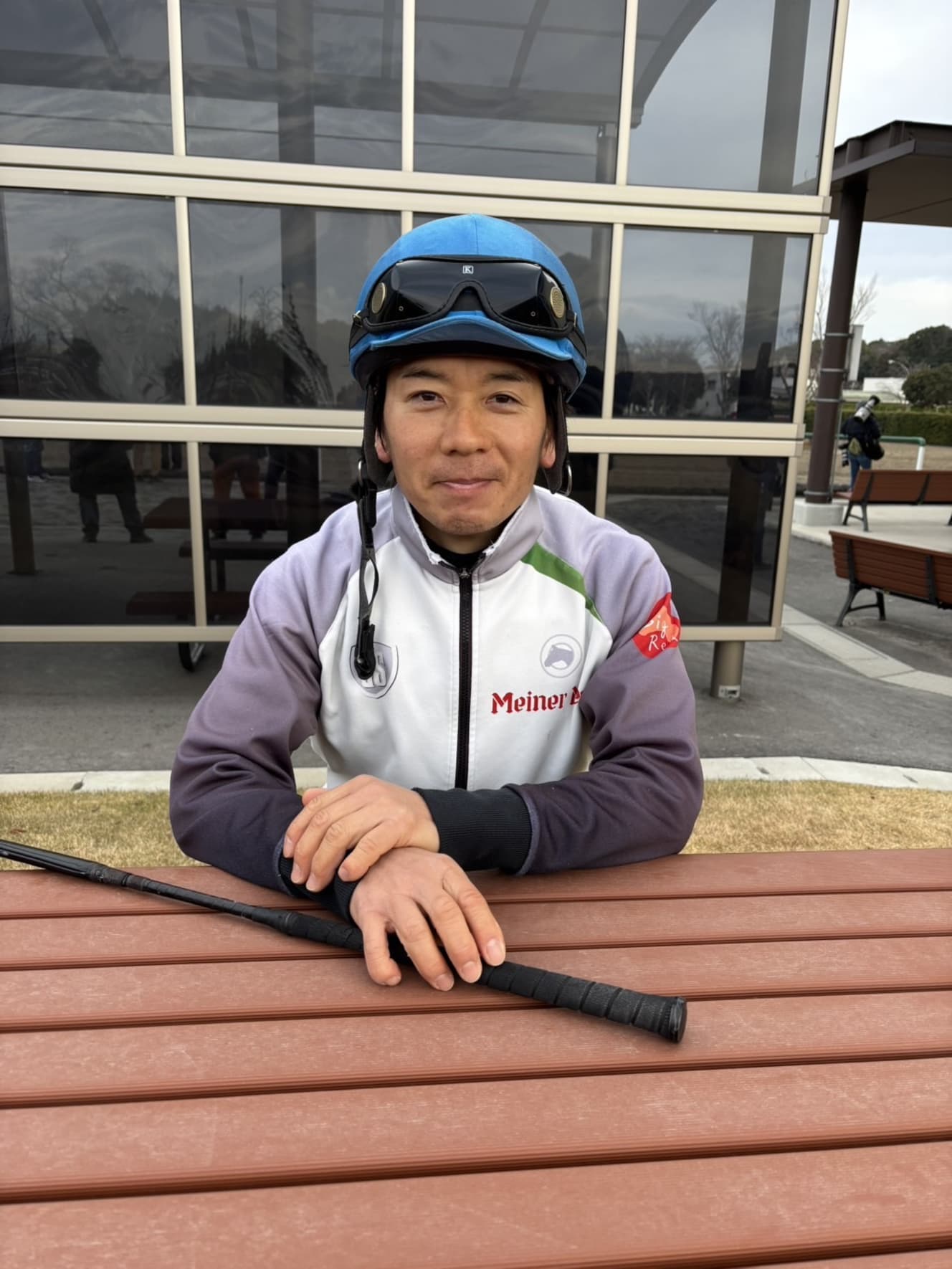
Shibata speaks about Mr. Okada’s final days
However, Daichi Shibata’s evaluation of Meiner Houou, the horse that brought him his first flat GⅠ win (NHK Mile Cup), was said to differ from Okada’s.
“I had ridden Meiner Houou when he was a two-year-old at the farm. At that time, Yuji Tannai also rode him, and the two of us thought, ‘This one will run. The best two-year-old this year.’ But President Okada was like, ‘Really? This horse?’—he didn’t seem convinced. But the way he ran was light, so I was certain he would perform. President Okada had ridden horses in the past, but since I met him, he no longer did, and he was still amazing at judging a horse’s ability just from looking at its physique.
In Meiner Houou’s NHK Mile Cup, we were positioned further back than I expected during the race, but I was surprisingly calm. When we started pushing from the 4th corner, normally a horse would slow down or struggle a bit when climbing the straight hill, but this time he didn’t stop at all, and I kept pushing thinking, ‘Maybe!’ I was indescribably happy.”
In Soma’s Eye Saw a Dream, the opening section reveals Shigeyuki Okada’s final moments.
After a long illness, Okada threw himself into a pond on the grounds of his farm on his 71st birthday (March 19, 2021). Regarding Okada’s final moments, Daichi Shibata said:
“I had heard that President Okada’s health was poor, but every year there were alternating periods of decline and improvement. Even in his later years, he could talk normally about races and horses when he was feeling well, so I didn’t know he was suffering that much. When I heard the news of his death, I went to see him immediately, but I was so shocked by the suddenness that I couldn’t speak in front of him.”
Finally, Shibata shared his thoughts about Okada:
“I wish I could have talked with him more and more. Talking with President Okada was always such an enjoyable time, and every time we met, we could talk for hours. He would ask about how I rode in races, about other horses in the races I rode, and he would talk about horses he had high hopes for, saying things like, ‘I think this horse could aim for the Derby next year.’ There was never a shortage of horse stories. President Okada always said to me, ‘When Daichi rides, the horse moves exactly where we want it to, so there’s nothing more to say.’ It’s incredibly sad that he passed away.”

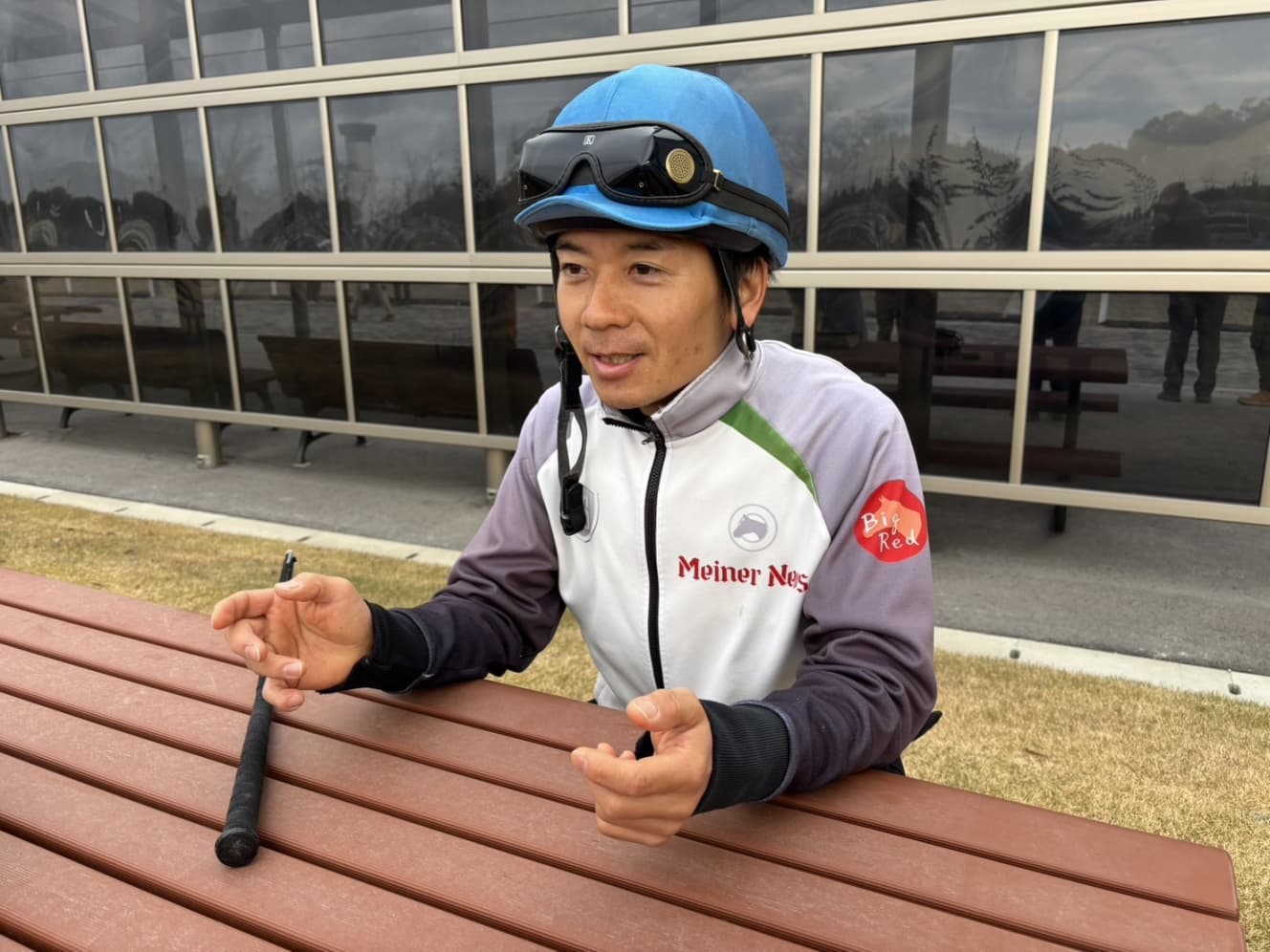
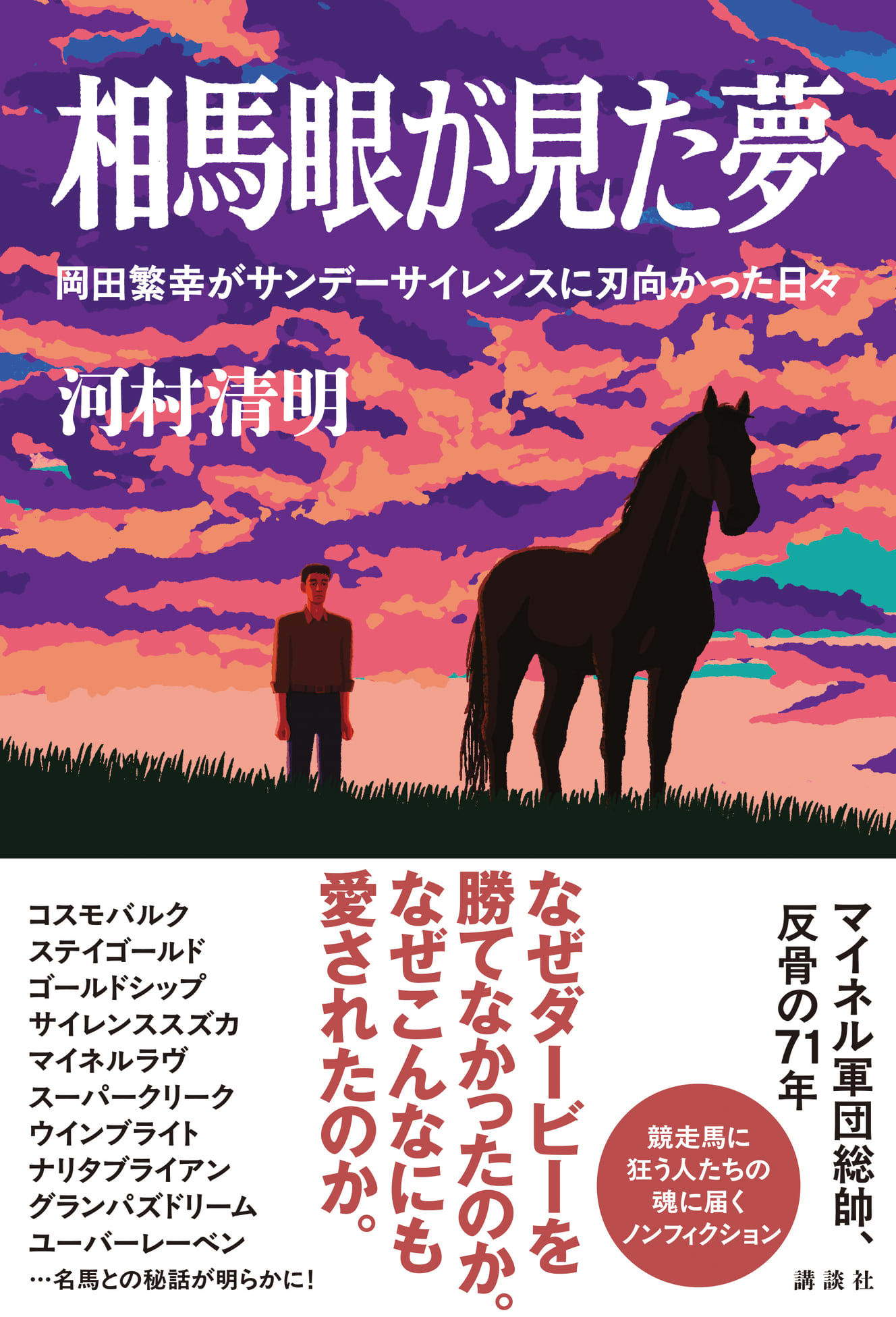
PHOTO: getty images