“No More Troublemaking Tourists”—A New Year Hike Shows How Mount Takao Has Changed


A change felt while climbing Mt. Takao during New Year
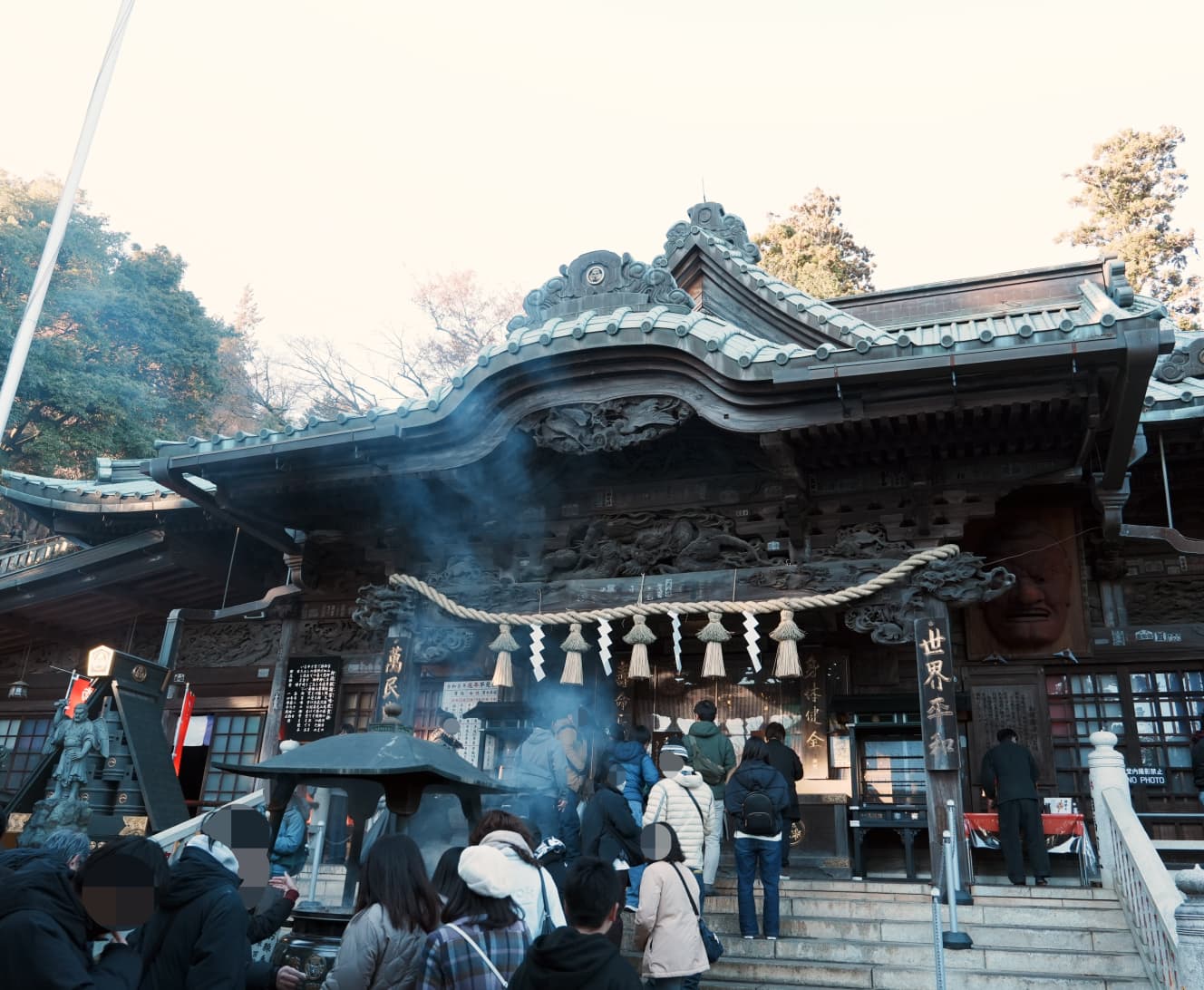
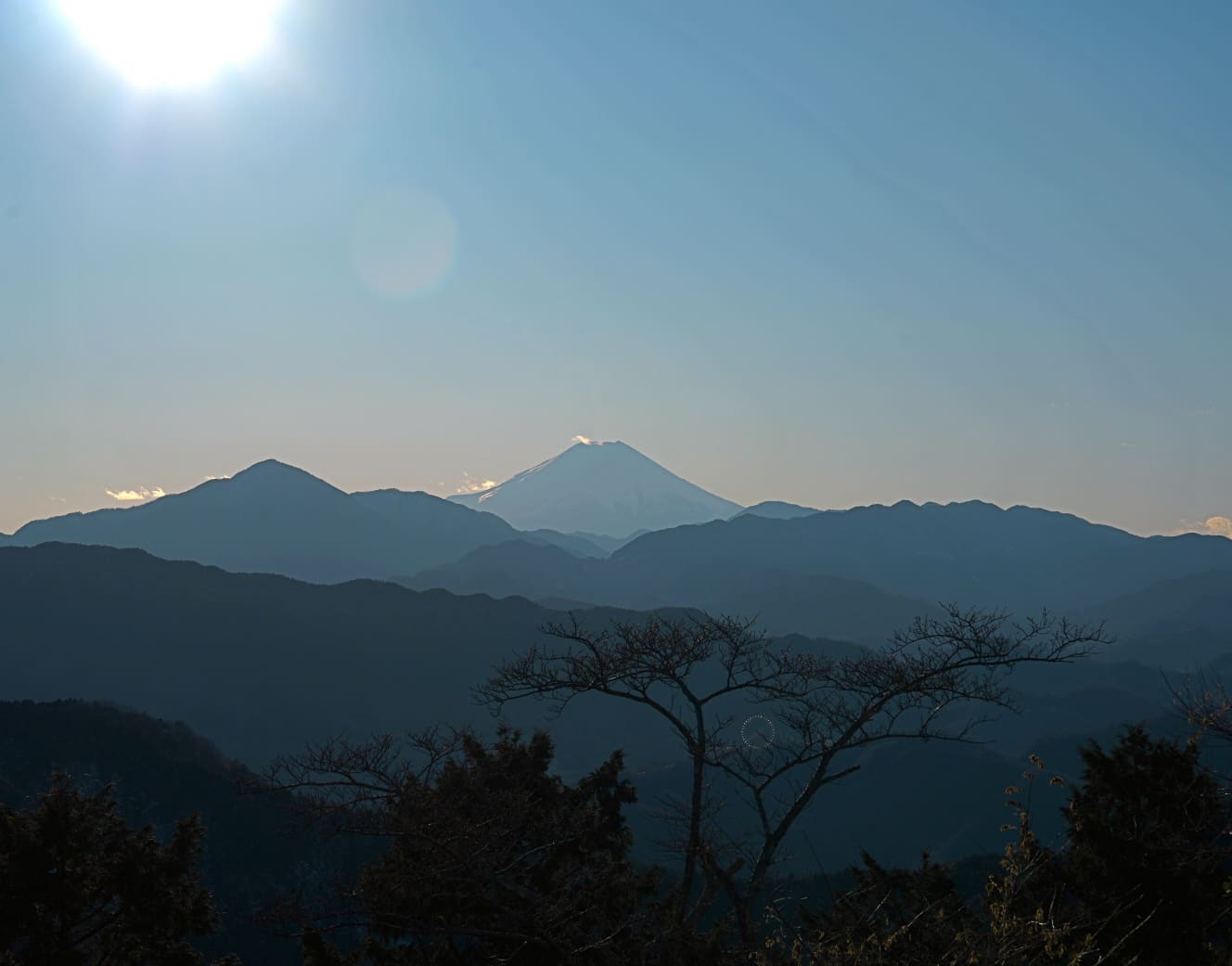
During the first three days of the New Year, Mt. Takao was crowded with visitors coming for hatsumode, the first shrine visit of the year. Many people came to give thanks for the past year and pray for peace in the new one. Mt. Takao, said to have the highest annual number of hikers in the world, is located about an hour from central Tokyo and offers rich natural scenery, making it a popular inbound tourist destination. Last year, the mountain was also busy with inbound tourists during the first three days, but over-tourism and illegal activities by foreigners caused friction with local residents.
One of the main criticisms was the noticeable bad manners of Chinese visitors. However, at the end of last year, it was reported that following Prime Minister Takaichi’s remarks in the Diet regarding a “Taiwan contingency,” the Chinese government instructed some travel agencies to reduce group trips to Japan to 60% of previous levels and to cancel some group tours entirely. Investigations around Mt. Takao during hatsumode suggest that foreign visitors causing problems have indeed decreased.
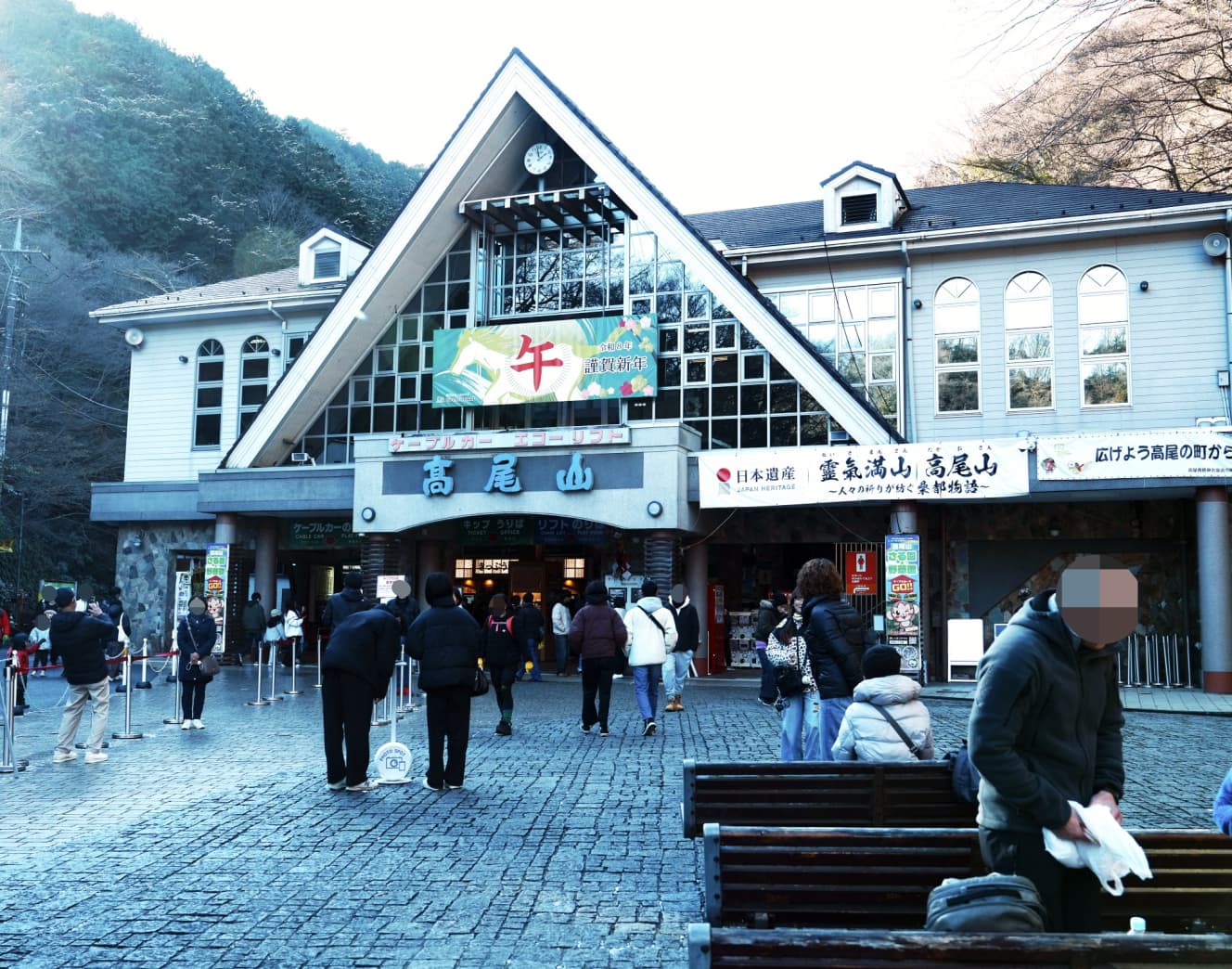
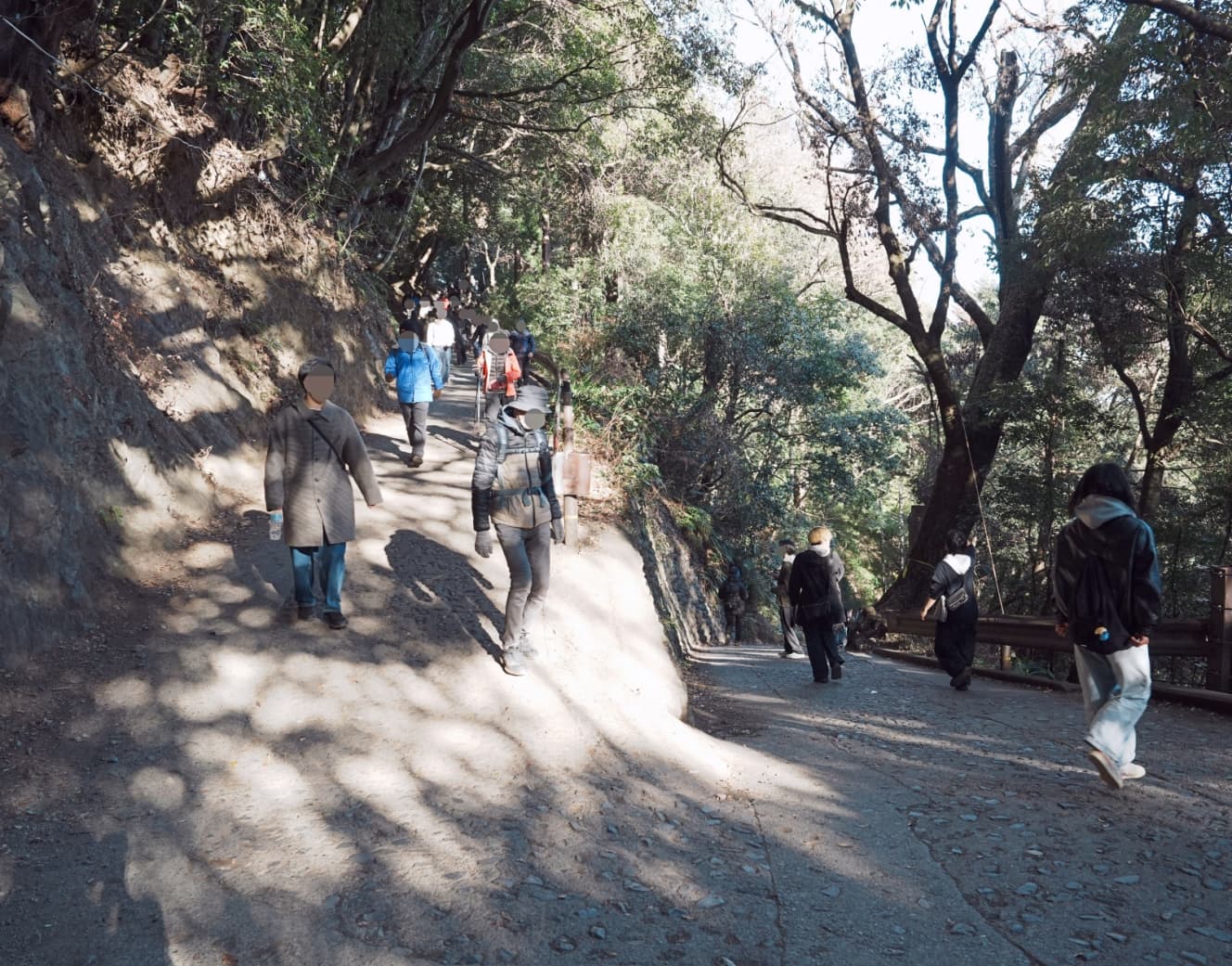
The peak period is said to be from morning to noon, yet even around midday, people walking from the station toward Mt. Takao did so continuously. The cable car, which goes from the base to mid-mountain, had long lines and was extremely crowded.
A family who visits Mt. Takao every year for hatsumode commented on the change in visitors: “There might be fewer foreigners this year.”
“I think there are fewer foreigners compared to last year. But they are not completely absent; maybe down by 20–30%. I didn’t see anyone with particularly bad manners, though I’ve heard of such foreigners.”
Although the number has decreased, foreign visitors still come in large numbers and seem to enjoy the Japanese New Year traditions. Other visitors also noted the decrease in foreign tourists, but how does this compare to last year, when instances of bad behavior were frequent?
“I come to Mt. Takao for hatsumode every year. Last year, there were groups of what seemed like Chinese tourists who refused to line up for the cable car. They cut in from the side and didn’t respond even when I tried to warn them, perhaps because they didn’t understand Japanese. Some even threw skewers from the dango they bought onto the roadside. But this year, I didn’t see that at all. I think it’s a good trend.”
Other visitors had also witnessed the groups of Chinese tourists causing trouble on the cable car. They reportedly tried to board without waiting in line, saying things like “Our child is tired, so let us go first” or “We have plans, so we need to go quickly.”
The Perspective of Chinese Tourists
Amid tensions between Japan and China, what do Chinese visitors think when coming for hatsumode this year? Speaking to a Chinese tourist at the summit of Mt. Takao, he said, “We are not the noisy Chinese tourists. We follow the rules. Please don’t lump us together with them.”
“The Chinese people causing a fuss are those without money. It might sound strange for me to say this, but they are very assertive about paying for something. If the fare is the same, they feel they must get on the cable car before anyone else. That’s why they cause a scene.
I have a bit of money, but I don’t buy lots of luxury goods or engage in flashy entertainment. If I stand out, people will dislike me even though I’ve come to Japan. Maybe it’s natural to feel bold while traveling, but there should still be limits.”
He noted that while some Chinese tourists cause trouble, focusing only on Chinese visitors is misleading.
“China is close to Japan, and there are many Chinese tourists, so they stand out. But when an Asian person behaves badly, people often blame all Chinese. From our perspective, Middle Eastern and European tourists also litter or make noise in crowds, yet somehow, it is always attributed to Chinese people.
Even just walking in town during a trip, having both Japanese and other foreigners say negative things about the Chinese is, frankly, discrimination.”
He also analyzed, “Those Chinese who behave poorly are often the ones whose purpose is consuming goods. Their goal is spending money, so they don’t consider Japanese culture.” Even among Chinese tourists, there seems to be a difference in mindset.
Last year, the number of foreign visitors to Japan had already exceeded 39.06 million by November, surpassing the previous record set in 2024. Issues related to over-tourism arose one after another, leading to widespread criticism of foreigners—but what will happen this year?

Interview, text, and photos: Blank Green