20-Year-Old Drunk Driver Kills Office Worker at 100+ km/h—Why He Slipped Through the Cracks


Entering an Intersection at Over 100 km/h
A tall, lanky man emerged from the police station accompanied by investigators. He had pulled the collar of his sweatshirt up as high as possible, seemingly only concerned with avoiding being photographed.
The incident occurred on the night of December 22 last year in Sayama City, Saitama Prefecture. The car was traveling over 100 km/h on a national road with a speed limit of 60 km/h. Ignoring a red light, it entered an intersection and struck a man crossing the crosswalk, then fled the scene.
“Arrested by the Saitama Prefectural Police on suspicion of dangerous driving causing death and other charges is Sakamoto Sora (20), a painter from central Sayama City. According to the police, he is suspected of hitting and killing Kazuki Moriguchi (25), a company employee, while he was crossing a crosswalk. At the time, Sakamoto had been drinking. About two hours later, he was found by police roughly four kilometers from the scene and was arrested on the spot for suspected driving under the influence.
Afterwards, police investigated traces left by the car at the hit-and-run scene and confirmed Sakamoto’s involvement. In questioning, Sakamoto admitted, ‘It’s true that I caused an accident hitting a person and fled the scene,’ but partially denied, saying, ‘I don’t remember the traffic signal.’” (Reporter from a national newspaper)
On December 23, when he was sent from Sayama Police Station to the prosecutors, Sakamoto showed a defiant expression, glaring at photographers. On January 9, however, he hid his face as described above and was cautioned by accompanying investigators to walk straight. Even after entering the transport vehicle, he completely covered his head with his sweatshirt and did not show his face.
Despite long-standing nationwide efforts by police to eradicate drunk driving, results have been limited. In fact, since 2024, fatal accidents caused by drunk driving have increased.
“In 2024, revisions to the Road Traffic Act clarified that drunk cycling is also punishable, drawing attention to countermeasures against drunk driving. However, according to the 2024 traffic accident statistics released by the National Police Agency in 2025, the number of fatal accidents caused by drunk driving reached 140, a 25% increase from the previous year. Accidents occurring at night (10 p.m.–5 a.m.) accounted for 60% of the total, and more than half involved people under 30. In Saitama Prefecture alone, traffic accidents due to drunk driving have increased for three consecutive years from 2021 to 2024.” (Reporter cited above)
“I want to crack down on drunk driving in cars.”
This case, too, ended up exactly matching that data. Taihei Ogawa, a former Kanagawa Prefectural Police detective and crime journalist, sounded the alarm:
“In fact, the timing when ‘drunk bicycling’ became punishable and the increase in drunk driving accidents are by no means unrelated. Since 2024, nationwide enforcement targeting bicycles has been strengthened, which meant that traffic officers, who had previously focused on cars, now had to handle both. As a result, the number of drunk driving checkpoints for cars has decreased.
For example, in a certain regional city, weekend drunk driving checkpoints that used to be held every week were canceled due to a lack of personnel. Consequently, drunk driving increased. This is happening all over the country. Checkpoints at usual locations and times encourage drivers to exercise self-restraint and help prevent drunk driving and accidents. But now, with traffic officers diverted to bicycle enforcement, they can’t attend to car-related enforcement. Even traffic officers have told me,
‘We really want to crack down on car traffic violations and drunk driving. But we can’t.’
Drunk bicycling is of course dangerous, but driving a car poses a much higher risk to human life. The traffic divisions need more personnel immediately. Unless we restore the system to conduct drunk driving checkpoints like before, accidents like this will not decrease.”
Urgent measures are needed to reduce accidents like the one in this case.
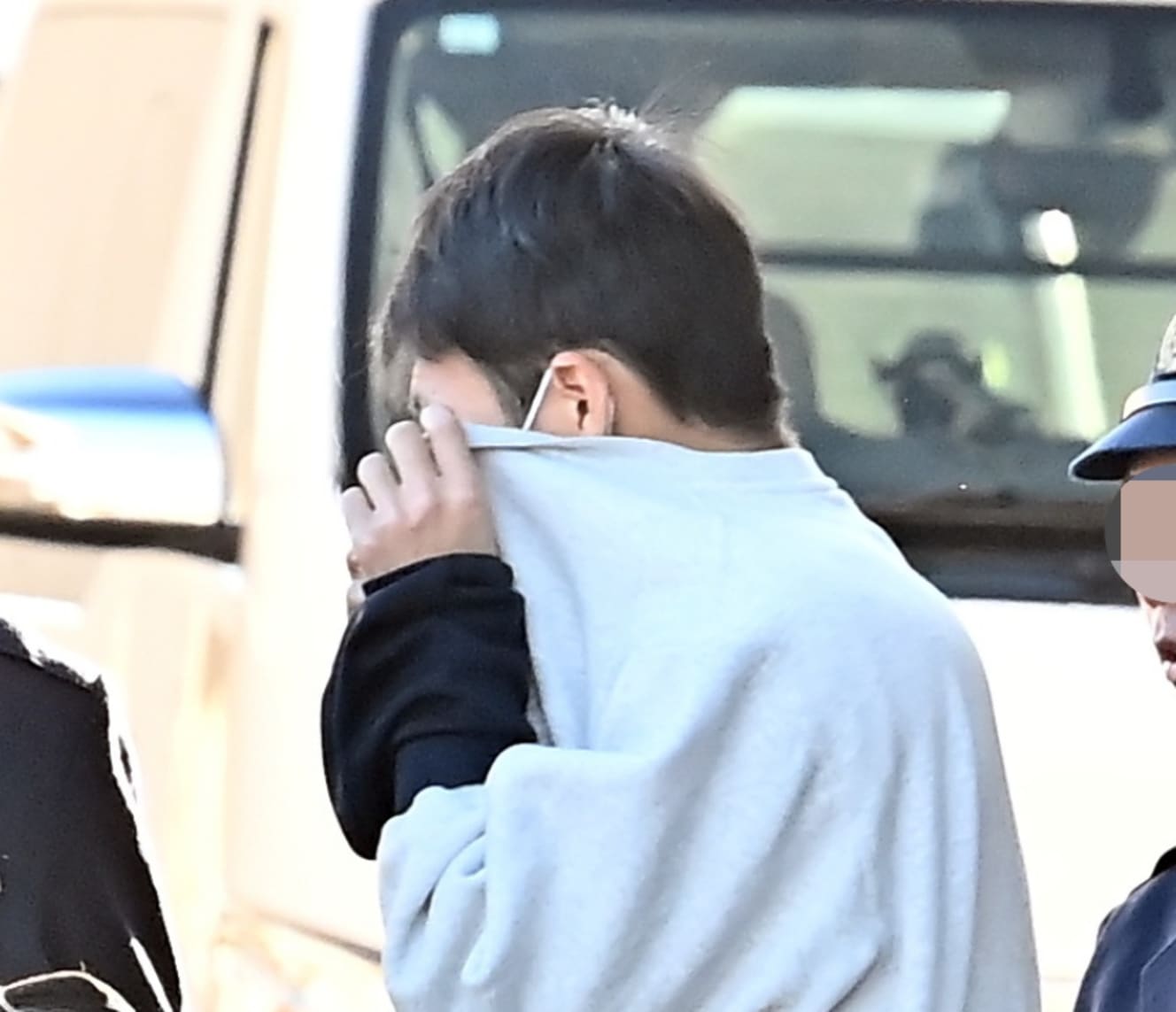


PHOTO: Shinji Hasuo