Playback ’06] On the night of the record-breaking Japanese university championship, Goromaru, the Waseda University ace, was eating a beef bowl at Yoshinoya.


What did “FRIDAY” report 10, 20, and 30 years ago? In “Playback Friday,” we revisit the topics that were hot at the time. This time, we will introduce an article from the January 27, 2006 issue, which was published 20 years ago : “After the luxurious victory party for Japan’s No. 1 university, Waseda University rugby ace Ayumi Goromaru, the “strongest rugby player in history,” had a “V night at Yoshinoya”.
Waseda University will clash with Meiji University in the final of the National University Rugby Championship to be held on January 11, for the 17th time in six tournaments. Almost 20 years ago, on January 8, 2006, at the height of the “4th Golden Age,” Waseda University beat Kanto Gakuin University by a 41-5 margin to win the university championship for the second year in a row. This magazine followed the players on this historic night (descriptions in parentheses are quotes from past articles, ages are those of the time).
Manager Kiyomiya cried as well.
The team won a record 13 championships, the most of any university, the first consecutive championships in 31 years, and the most wins in the finals by the most points (the most university wins and most wins by the most points were records at the time). After the battle, at the National Stadium, Katsuyuki Kiyomiya, then 38, the coach who led Waseda to three championships in his five years in the position, wept bitterly while singing the club song “Arauburu” (“Raging Steel”).
He said, “Actually, I’ve been crying since yesterday. These guys are so hot, that’s why I can’t stop crying.
This part of the story was broadcast on TV, but this magazine continued to follow the “Strongest Waseda” team after that.
After the athletes had chewed up the joy at the National Stadium, they returned to the university and held a victory celebration in front of many students on a special stage set up in front of the Okuma Auditorium. They then moved to a hotel in Tokyo, where they were joined by alumni for the rugby club’s victory party. It was 9:30 in the evening when he was finally released. This is where our coverage of the event really began.
Japan’s Best Night” so subdued as to be anticlimactic
Now, the players split into cabs and headed in the direction of Takadanobaba, wondering if the strong men were finally going to start a truly lively and exuberant party. When they spotted a group of what appeared to be players, one of them was the ace Ayumi Goromaru (then 20), a second-year player who also plays placekicker. However, the group stumbled along and seemed to have nowhere to go.
The group looked like an unorganized student drinking party, and did not look like a group of reigning champions.
Still, Goromaru was a popular figure, with fans shaking his hand and asking for photos. After a few more minutes of wandering, Goromaru and one other person walk away from the group. Were they running away from the group? The two men, whom this magazine followed, entered a restaurant …… called “Yoshinoya!
Even Goromaru, who is so sharp on the field, was a normal college student as he carried his bowl of rice and chopsticks while worrying about his cell phone, which rang frequently. After walking for about an hour, he finally arrived at the izakaya “Watami” in front of the station at 11:00 p.m., holding on to a fan as he went back and forth. However, Goromaru came out of the restaurant after about an hour, bought a ticket, and went inside the ticket gate to catch the last train (……). It was a disappointingly simple night for Japan’s No. 1.
But perhaps that was to be expected. The All-Japan Championships were scheduled to begin on February 4, and Kiyomiya had set a goal of finishing in the top four. The real feast would have to wait until he had achieved his goal.
Best Four Achievement in the Japanese Championship
In the Japan Championship held from February 4, 2006, the team defeated the Toyota Motor Verblitz of the Top League 28-24, achieving their goal of a top four finish. In the semifinal match against Toshiba Brave Lupus, they lost 43-0, but this was the first time since the tournament system was introduced in 1997 that university students defeated working adults in the Japan Championship. This was an “accomplishment” as the gap in power between university students and working adults has widened year by year.
During his four years at university, Goromaru won all of his matches in the Kanto Intercollegiate Tournament, and he also won the Japan University Championship three times. In an interview he later said, “This is what it means when history is changed.
We won the 2015 World Cup against South Africa, but this match against Toyota was the starting point of a change in history,” he said in an interview later. Sportiva, September 9, 2013)
Goromaru, a graduate of Saga Technical High School, joined Waseda in 2004 at the behest of coach Kiyomiya, and was a star player from his first year, being selected for the Japan national team in 2005. After graduation in 2008, he joined Yamaha Motor Jubilo of the Top League, where he was the top scorer and best kicker for two consecutive seasons (2011-2012 and 2012-2013).
However, it was the Rugby World Cup in England in 2003 that really put his name on the map. Goromaru played in all four matches, including the “Miracle at Brighton” victory over South Africa in the first round. He scored a total of 58 points and was twice named Man of the Match. Japan was eliminated from the tournament in third place in its qualifying group, but considering that the team had won only one game in all of its previous World Cup matches, the three victories, including against the powerful South Africa, were “a moment that changed the course of history.
For Goromaru, his sophomore year at university, when he achieved his goal of “defeating working people,” was the “starting point” of his career.
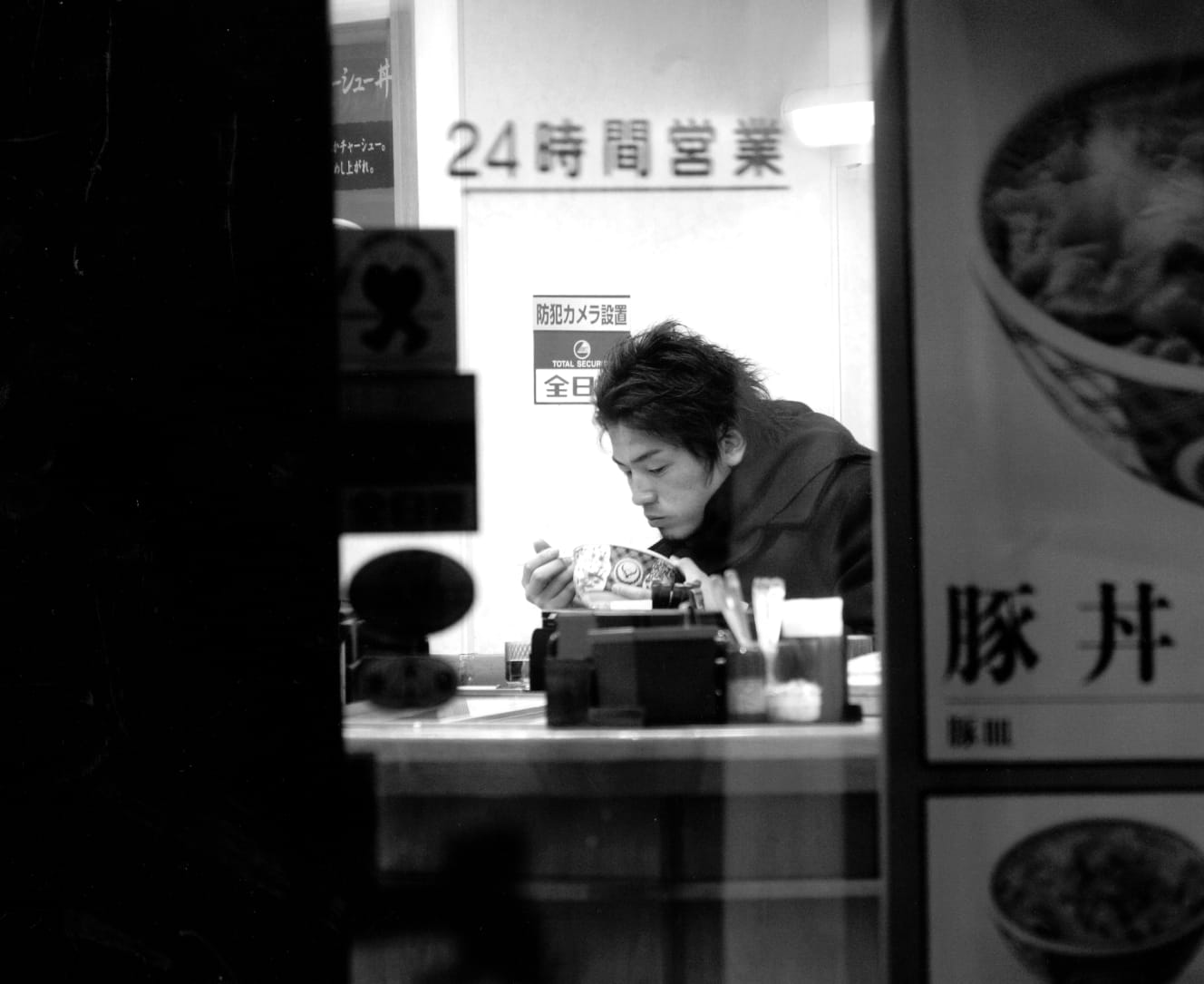
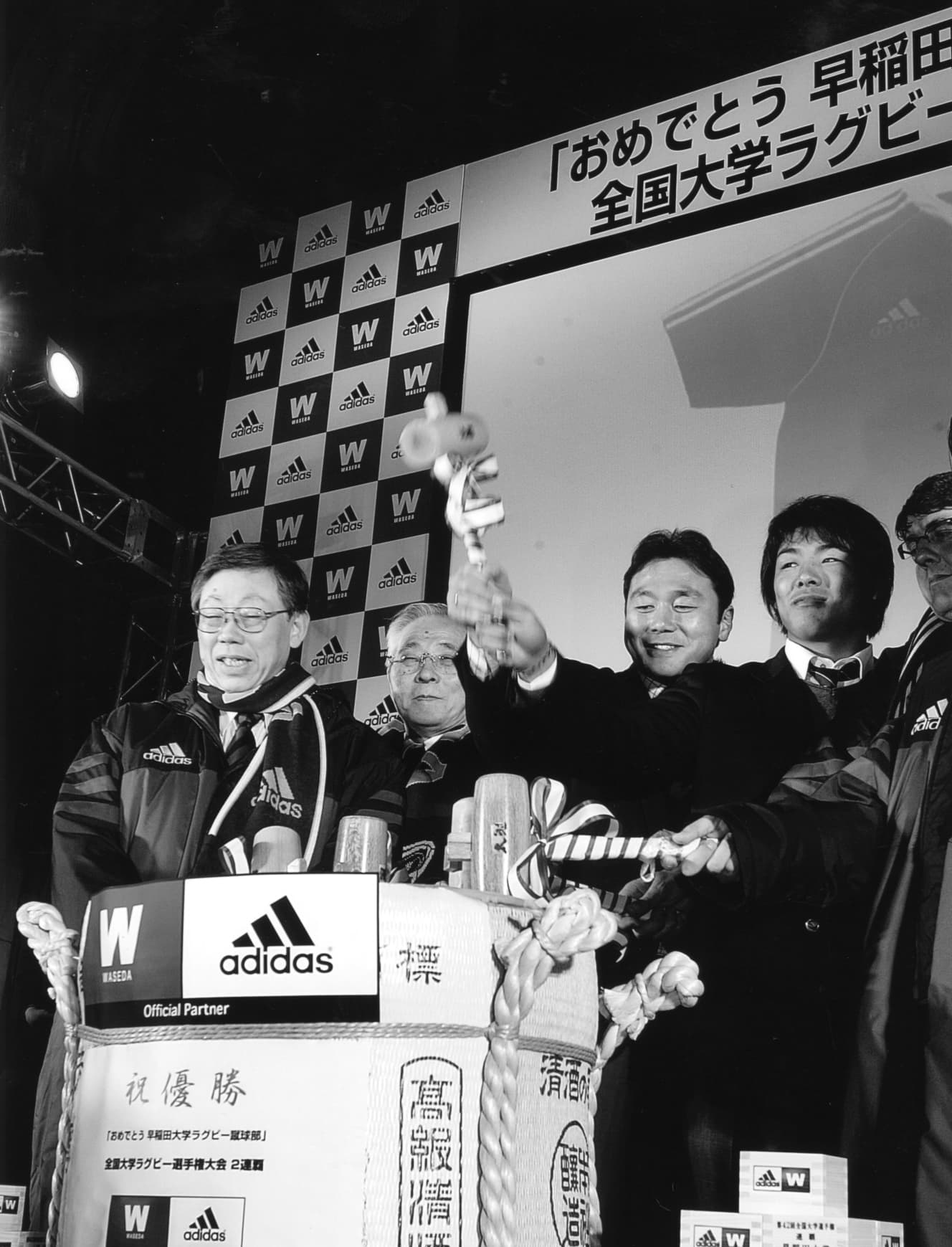
PHOTO: Shuichi Masuda (1st and 3rd), Shinya Inui (2nd)