Raids Target Well-Known Local Sex Establishments, Threatening Industry Survival


Raids on storefront sex businesses show no signs of stopping
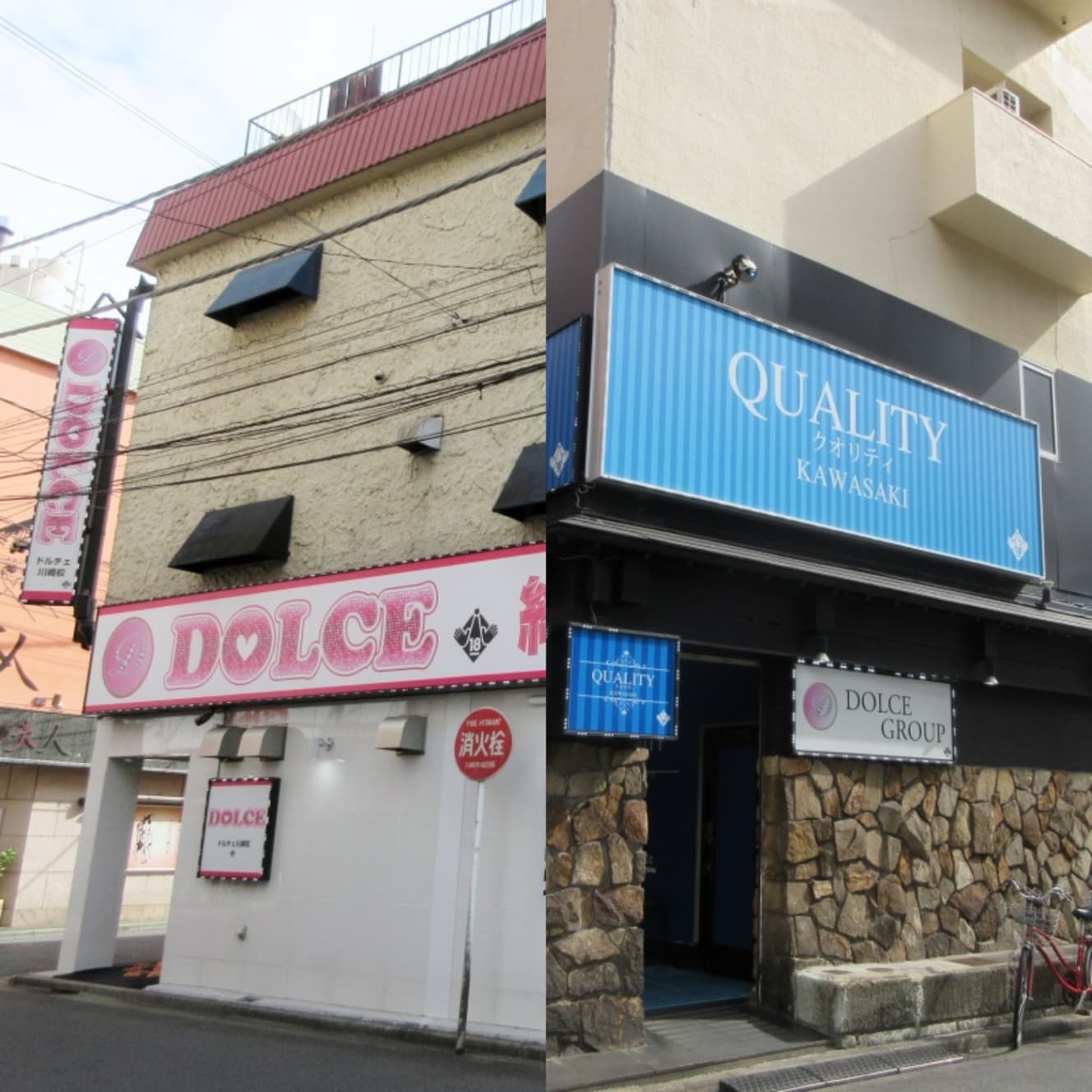
Raids on storefront sex businesses have been occurring one after another. On December 3, ’25, the de facto operators of the Kawasaki-Horinouchi soaplands DOLCE (Dolce) Kawasaki School and QUALITY (Quality) were arrested for violating the Anti-Prostitution Act. They are suspected of providing the location while knowing that female employees were engaging in prostitution. Behind this, however, there was information from the Tokyo Metropolitan Police that a large-scale, anonymous, fluid scout group called ACCESS was arranging female employees. On November 17, the police searched the two stores and arrested three people, including the managers, on the same charges.
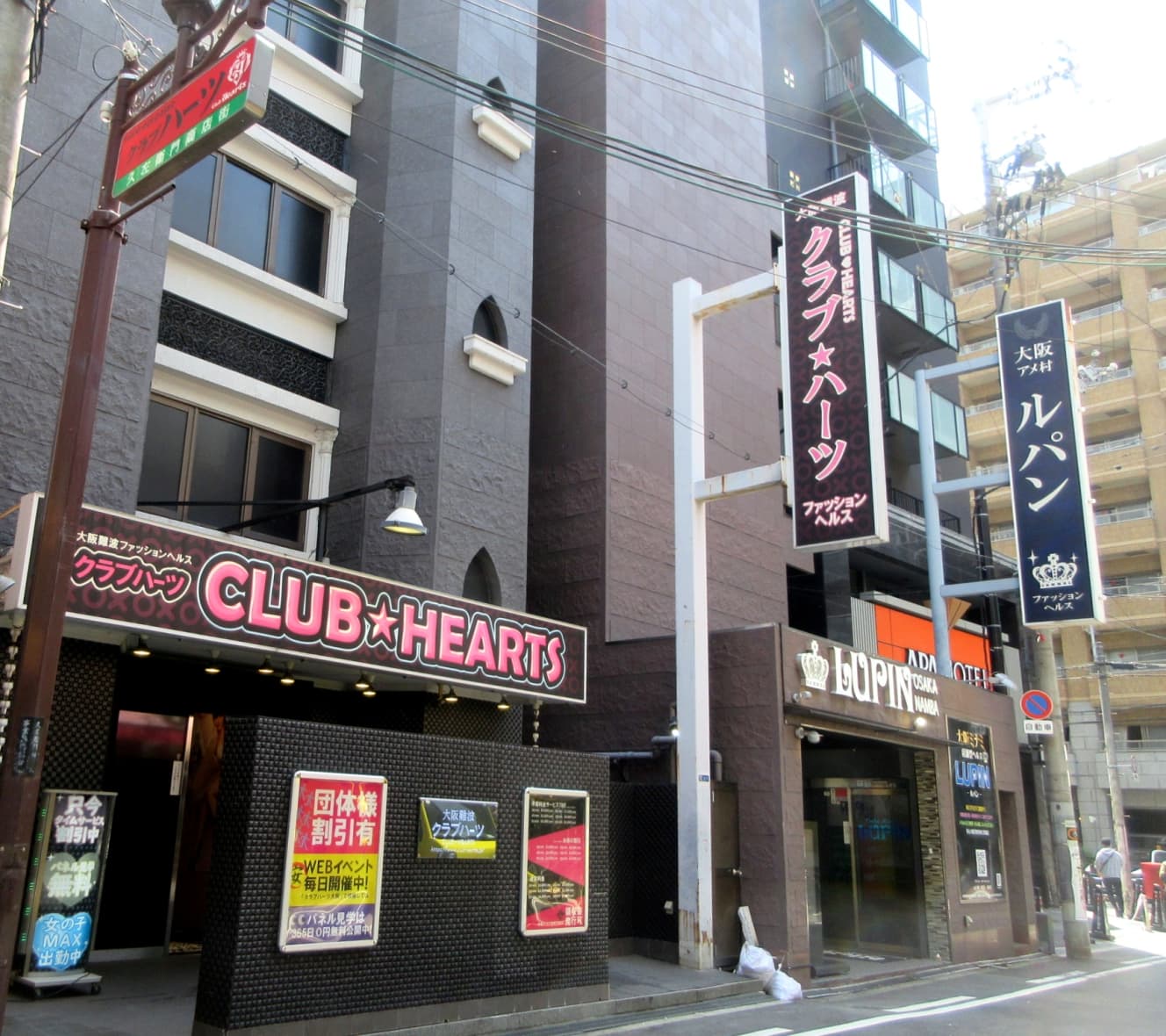
On December 9 of the same year, the health services Lupin and Club Hearts in Namba, Osaka, were raided, and five store operators were arrested on suspicion of violating the Adult Entertainment Business Law. They are suspected of handing roughly 600,000 yen in cash to scouts in return for introductions to female employees. The scout back fee for introducing women had been banned under a June revision to the law, but the five reportedly continued giving several hundred thousand yen to scouts multiple times after the revision.
Such raids on storefront sex businesses connected to scouting groups were more frequent in ’25 than usual. In October, authorities arrested soapland staff in Sapporo; in September, in Hiroshima; and in July, in Chiba, Iwaki, Yonago, and Ureshino. All were suspected of violating the Anti-Prostitution Act (providing locations) and had received introductions to women from sex-work scout groups.
The services of the popular stores that were raided
DOLCE Kawasaki School opened in ’17 and was popular as a cosplay school-themed soapland with women limited to their early 20s. When the author visited on a Sunday afternoon about six months after opening, the spacious waiting room was completely full and there were no seats available. One customer said, “The woman who served me was a cute 21-year-old, and during the 50 minutes, she changed three times—school uniform, school swimsuit, and bloomers—while giving very attentive service.”
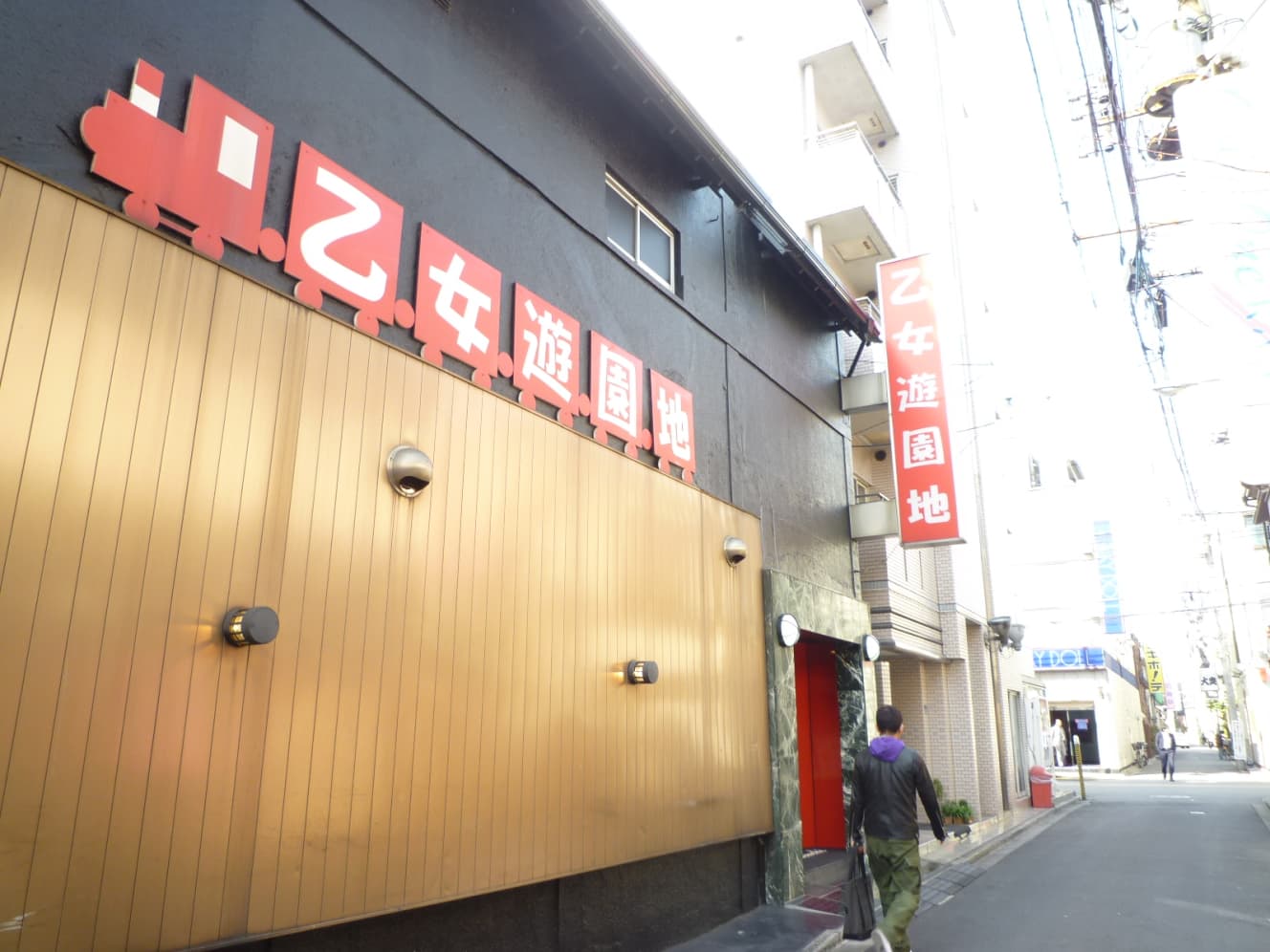
The DOLCE Group operates six stores with different concepts in Tokyo’s Yoshiwara and Kawasaki’s Horinouchi, forming a low-cost soapland group. The first store, Otome Yūenchi (now DOLCE Yoshiwara), opened in Yoshiwara in ’07. From the beginning, the group’s slogans included complete real-age display and complete elimination of panel tricks, offering high-spec women’s service with overwhelming cost performance. This management style, a kind of model for low-cost stores, gained strong support.
Since then, the group has opened new stores at an unprecedented pace. Now, they have two stores in Yoshiwara and four in Kawasaki, making them one of the most popular groups in the Tokyo metropolitan area. In the soapland industry, they could be called winners.
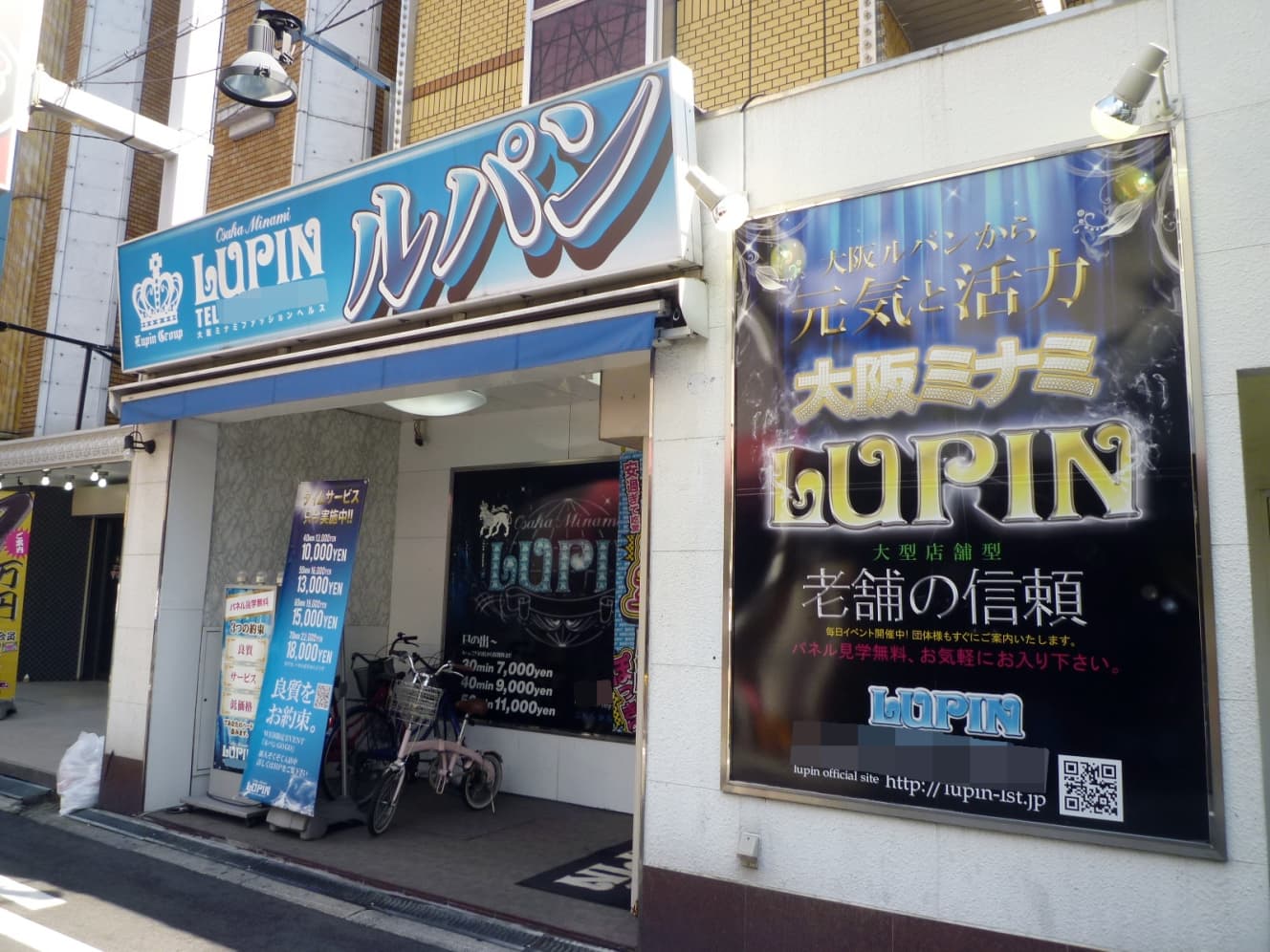
The Osaka stores Lupin and Club Hearts were well-known long-established health clubs. The two stores were part of the same group and were known for reasonable prices and mat play. The author had covered Lupin in ’13. Normally, 30 minutes would cost around 10,000 yen, but a customer who entered during a discounted event paid 10,000 yen for 55 minutes and said excitedly, “A 29-year-old former nursery school teacher kindly served me in the bath and on the mat.” The combination of facilities, staff, and service made it a good store.
It is unfortunate that such exemplary stores that serve as models for other sex businesses were raided as part of crackdowns aimed at destroying scout groups known as Tokuryu (anonymous, fluid criminal groups).
Existing storefront sex businesses operate under vested rights. Strict location requirements under the Adult Entertainment Business Law make new openings nearly impossible once a store closes. When operators are arrested during a raid, business licenses are canceled, forcing closure in some cases. If raids continue at this pace, storefront sex businesses will continue to disappear.

It is impossible to punish all prostitution equally
Most of the storefront sex businesses raided in ’25 were suspected of violating the Anti-Prostitution Law. However, not all establishments with actual prostitution problems were raided. In reality, only those stores connected to scout groups that the police aim to dismantle have been targeted.
In other words, due to circumstances on the part of the police and administration, the raids on sex businesses are carried out selectively. Such arbitrary crackdowns could be seen as contrary to the principle of equality under the law. To improve this ambiguity in standards, there are essentially two options: either punish all prostitution equally or legalize prostitution.
However, thoroughly banning prostitution is difficult. Even if regulations are tightened, loopholes remain. Under the Adult Entertainment Business Law, intercourse-like acts are legal. In practice, many establishments that officially offer intercourse-like acts secretly conduct actual intercourse—a fact well-known within the industry.
There is a certain demand for sex work, and even with stricter enforcement, the overall size of the sex industry is unlikely to shrink significantly. Excessive regulation would push sex work underground.
If illegal forms of sex work such as street solicitation, “enjo-deli” (escort services soliciting compensation under the guise of dating), “papa-katsu” (arrangements between young women and older men for money/gifts), and backdoor transactions (women directly taking money or gifts from clients without the store as intermediary) increase, it will become difficult to monitor the safety, health, and working conditions of sex workers. The deeper it goes underground, the less oversight and protection are possible. The involvement of organized crime, semi-gangs, and foreign brokers becomes more likely, forcing women to work in increasingly dangerous environments. The undergrounding of prostitution broadly negatively affects the living conditions of sex workers.

The dual structure of the Anti-Prostitution Law and the Adult Entertainment Business Law
There is also the opinion that recognizing the reality that sex work will not disappear and legalizing prostitution is the appropriate approach. If sex businesses were legally approved and visible, it would be easier to exclude antisocial forces and ensure the safety of workers, and clients could feel secure. They would also be subject to corporate tax, income tax, and consumption tax, generating potential tax revenue.
However, examples from countries where prostitution is legalized, such as Spain and Germany, and prewar Japan, show that issues like sexual exploitation and human rights violations are not solved. Given the current rise in calls for punishment of clients, the revival of a public prostitution system seems impossible. In reality, legalizing prostitution is difficult.
Looking at it this way, the current dual structure of the Anti-Prostitution Law and the Adult Entertainment Business Law clearly functions as an excellent system that cleverly legalizes sex businesses that must operate in a gray zone. By prohibiting prostitution under the Anti-Prostitution Law while placing sex industry operators under the supervision of the police (Public Safety Commission) through the Adult Entertainment Business Law, the illegal + legal = semi-legal (semi-illegal) system makes sense.
Arbitrary crackdowns by authorities related to issues other than prostitution appear to be unavoidable for maintaining social order. Recent raids carried out based on the relationship with Tokuryu – a standard outside the law – were intended to curb the worsening problem of malicious hosts and scouts. If the non-legal standards used in these crackdowns are appropriate for solving social issues, there is some level of understandable justification.
What is now required is not blind approval of the current system. Rather, the best approach would be to carefully listen to the voices of those involved in sex work and work together with stakeholders to gradually make improvements.
Sex industry operators who see crisis as opportunity
Store-based sex businesses are facing a time of trial. As a result of successive crackdowns, the number of women and store staff losing their jobs has increased, and they can no longer rely on scouts for recruitment as they had in the past.
However, some operators are taking the change of banning scout fees as a positive opportunity: a perfect chance to review the recruitment activities of working women and steer toward healthier management.
A long-established Osaka sex business launched its own official recruitment website. They anticipate that women who previously searched for jobs through scouts will now look for a shop that suits them via online searches or social media. In addition, support companies for sex business operations have emerged to encourage stores to create and manage official recruitment websites.
In this way, industry stakeholders are taking various measures to overcome the current situation. Just as they have survived numerous crises in the past — such as cleanup campaigns, the Lehman Shock, and the COVID-19 pandemic — they are sure to endure and skillfully navigate this current challenge as well.


Interview, text, and photographs: Akira Ikoma