Former Mercenary Terence Lee Given One Month to Live, Vows to Enjoy Every Moment


Days battling a mysterious, incurable disease
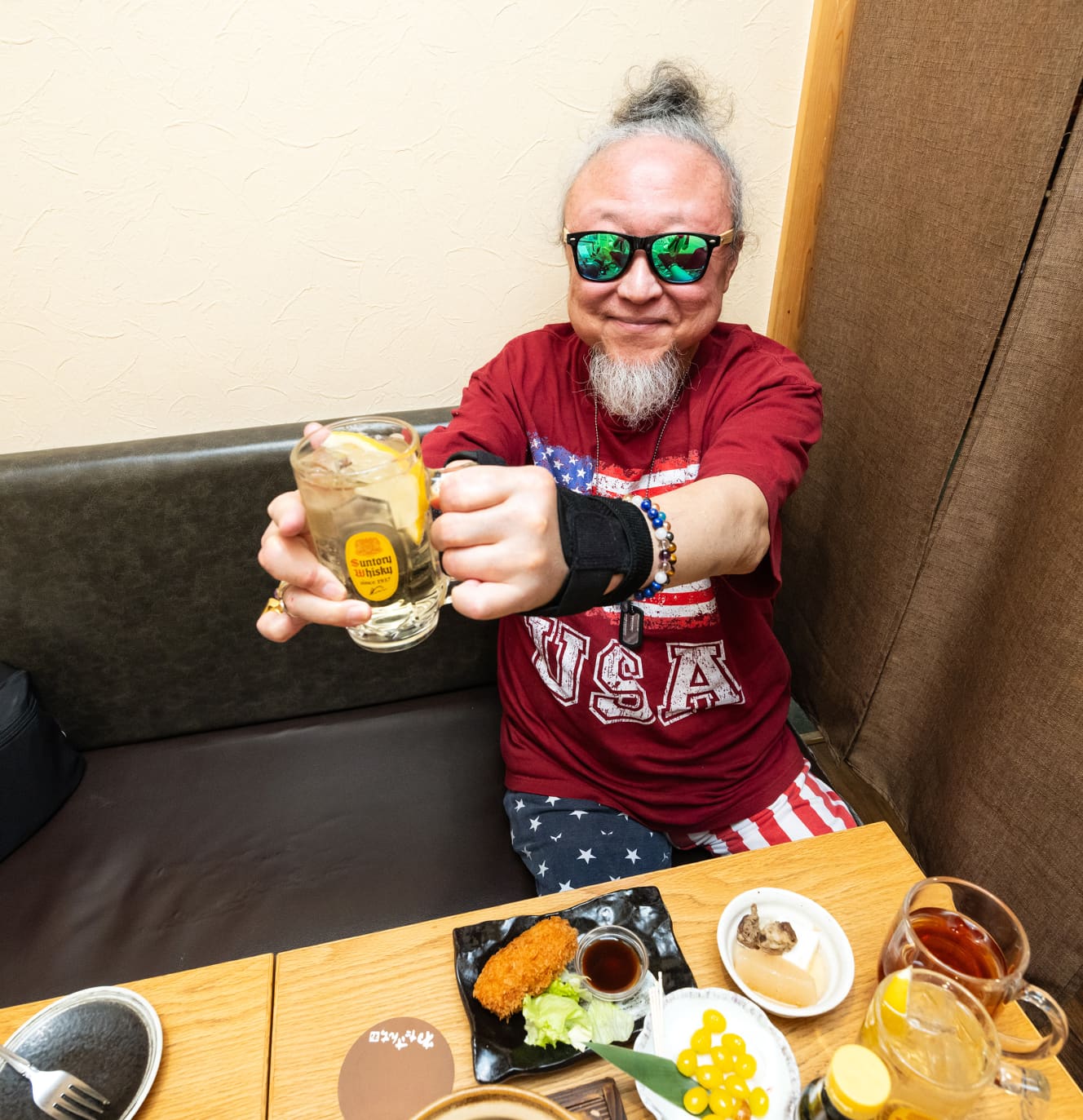
“I was told by my doctor that I have only one month to live. But even if I restrain myself now, it won’t extend my lifespan. I intend to enjoy the rest of my limited life, including drinking and food!”
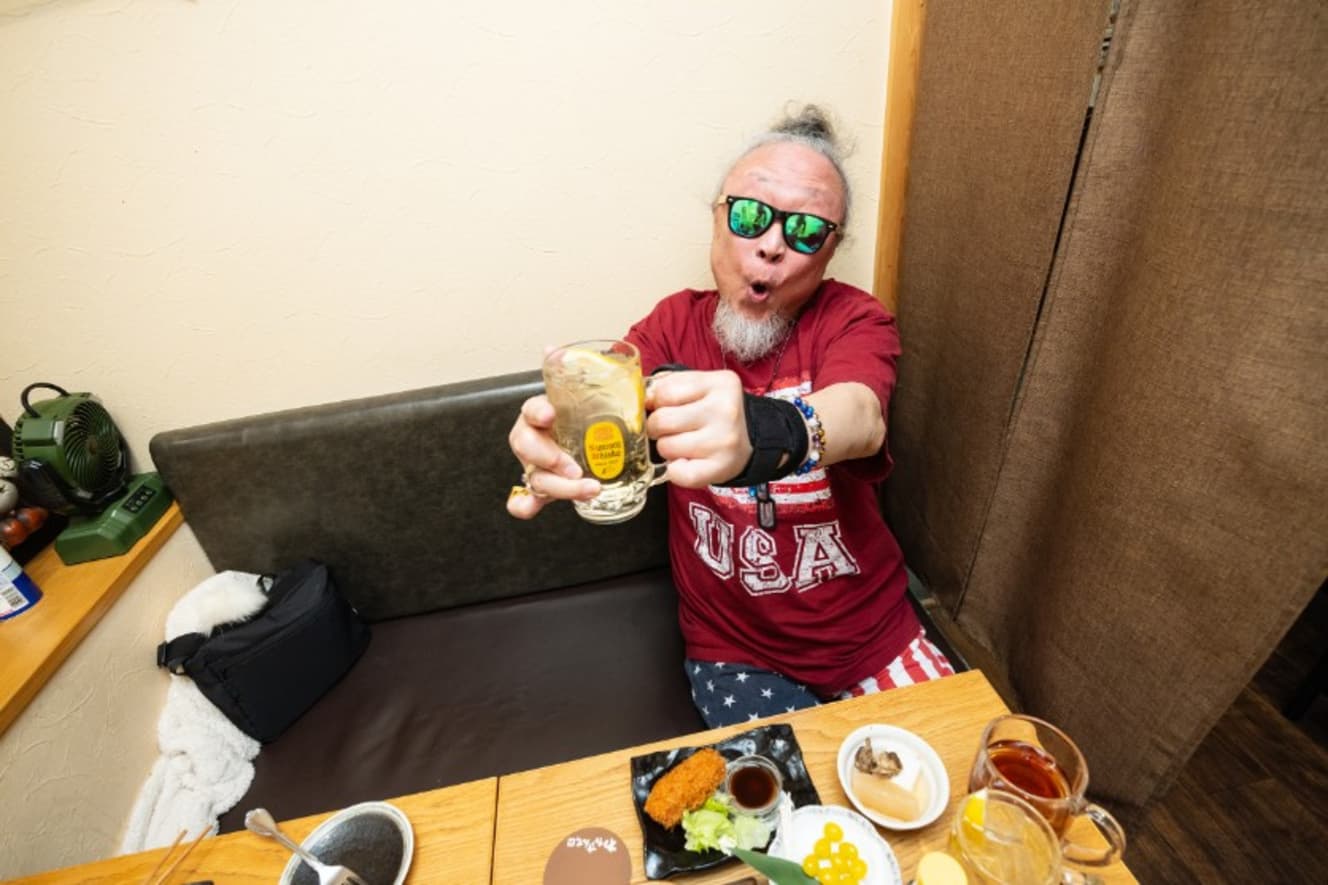
Sitting at his usual izakaya, Terence Lee (61), a military commentator, raises a glass toward the camera in front of his favorite ginkgo nuts and says this.
With his unique background as a former mercenary and his appearance—sunglasses and a broad chest—Lee has been a highly sought-after guest on information programs such as Sunday Japon (TBS) and Honma Dekka!? TV (Fuji TV).
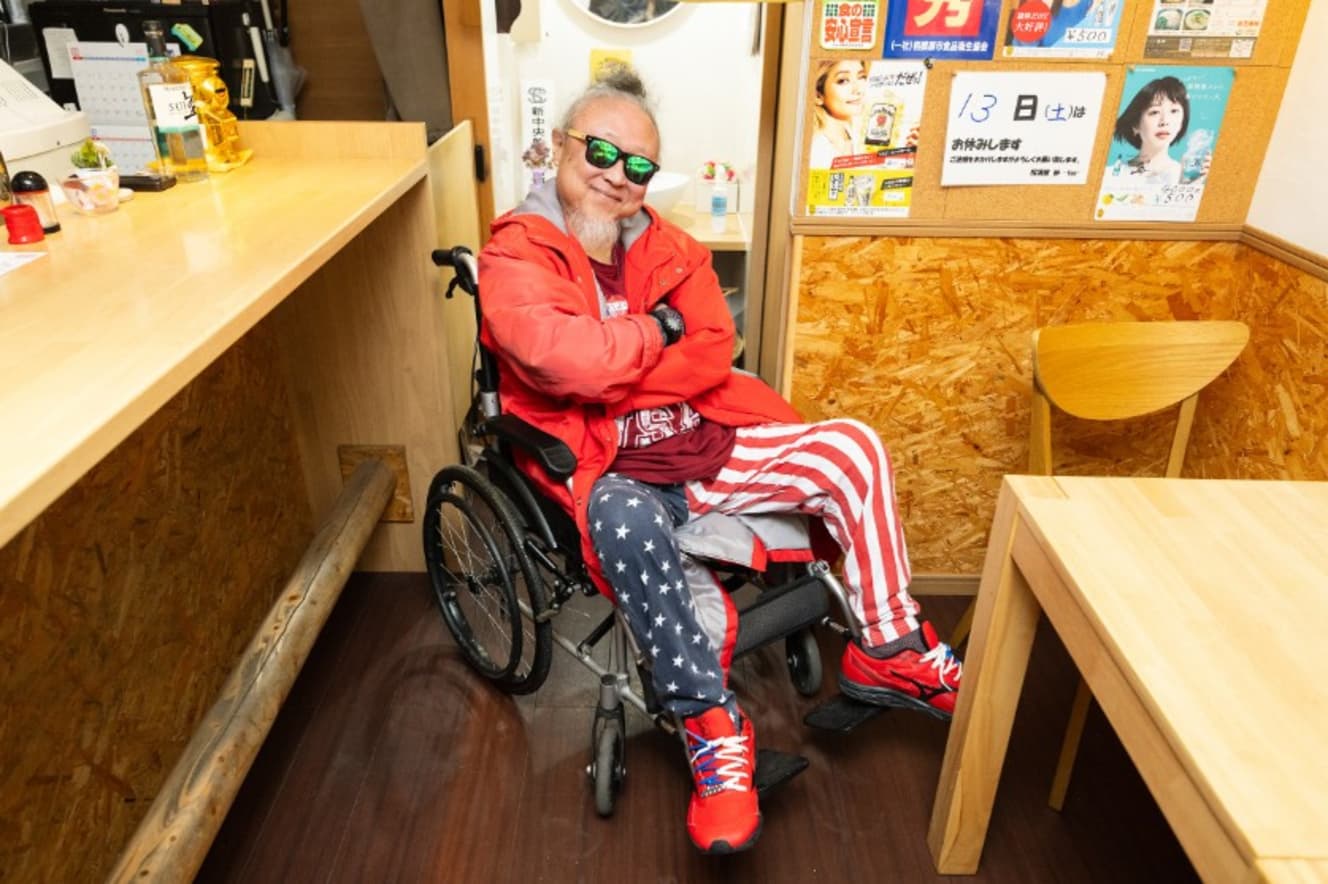
Currently, while continuing his talent activities centered on lectures and talk shows, he is actually afflicted by a mysterious disease that has forced him to use a wheelchair. Lee revealed the following:
“I have been examined by multiple doctors, but the diagnoses differ completely—some say polyarteritis, others say systemic amyloidosis. Even when I’m given medicine and recover temporarily, my symptoms worsen day by day. Right now, I feel intense numbness in both my hands and feet 24 hours a day, and I can’t walk on my own. The only part I can move freely is my left thumb.”
Lee was recruited as a mercenary at the age of 18 while attending Rikkyo University. Already running a business in imported goods as a student, he went to London to find new suppliers. While at a pub he attended, he demonstrated karate and judo forms, and was invited to join a mercenary operation, after which he spent roughly ten years fighting in Africa and Central and South America.
“After ending my mercenary life and returning home in the fall of 1993, I started noticing abnormalities. My left knee swelled to the size of my thigh, and I was in excruciating pain, unable to even roll over in bed. Painkillers didn’t ease the pain, though the swelling subsided after four or five days. However, it recurred in January of the following year. Around the same time, my mother, who had been diagnosed with pancreatic cancer, passed away at age 53, which was emotionally very difficult for me.”
Mysterious, intense pain taking five times the usual painkillers
Even the pain that used to subside within about a week gradually lasted longer with each flare-up. By the 2000s, he spent about half the year enduring severe pain.
“I went through various tests like CT scans and blood tests, but the cause remained unknown. Around this time, my increasing TV appearances were also difficult. On Sunday Japon, on days when the pain was intense, I would take five times the usual dose of painkillers to appear on the show. During local location shoots, I had the nurse girlfriend I was dating at the time accompany me and administered IVs while performing.”
In addition to the mysterious pain, Lee also suffered from PTSD (post-traumatic stress disorder) caused by his harsh experiences on the battlefield.
“After quitting the mercenary life, I had no symptoms for a while. But about 15 years after returning to Japan, I was suddenly hit by attacks. While out, I experienced severe palpitations and couldn’t stop breaking out in a cold sweat, and I had to crouch down. When I saw a doctor, the diagnosis was PTSD.
To try to cope, I was constantly drinking alcohol and taking medication, which sometimes made my speech slurred on TV shows. It was shocking. I stopped drinking and taking the medicine, and endured the pain in a completely dark room with the curtains drawn. After two to three months, the symptoms finally eased.”
Meanwhile, the mysterious disease showed no signs of abating.
“About five years ago, I would wake up in the morning and find I couldn’t put any strength into my knees. Up until then, I could walk with a cane or crutches, but now I can’t live without a wheelchair.
On a good day, I tried walking with crutches, but it took me about 30 minutes to move just 10 meters. I was panting as if I had sprinted 100 meters. Nowadays, I can’t even move the wheelchair without the help of the president of my personal office. When I’m alone, even going to the toilet is a struggle.”
Lee’s white blood cell count is abnormal, and although the progression has stopped, a tumor was found in his brain. Some days he even reaches a high fever of 40°C. Yet he remains positive.
“My doctor told me in May 2024, ‘Always assume you have only one month to live.’ But even healthy people don’t know what will happen tomorrow. It’s the same.
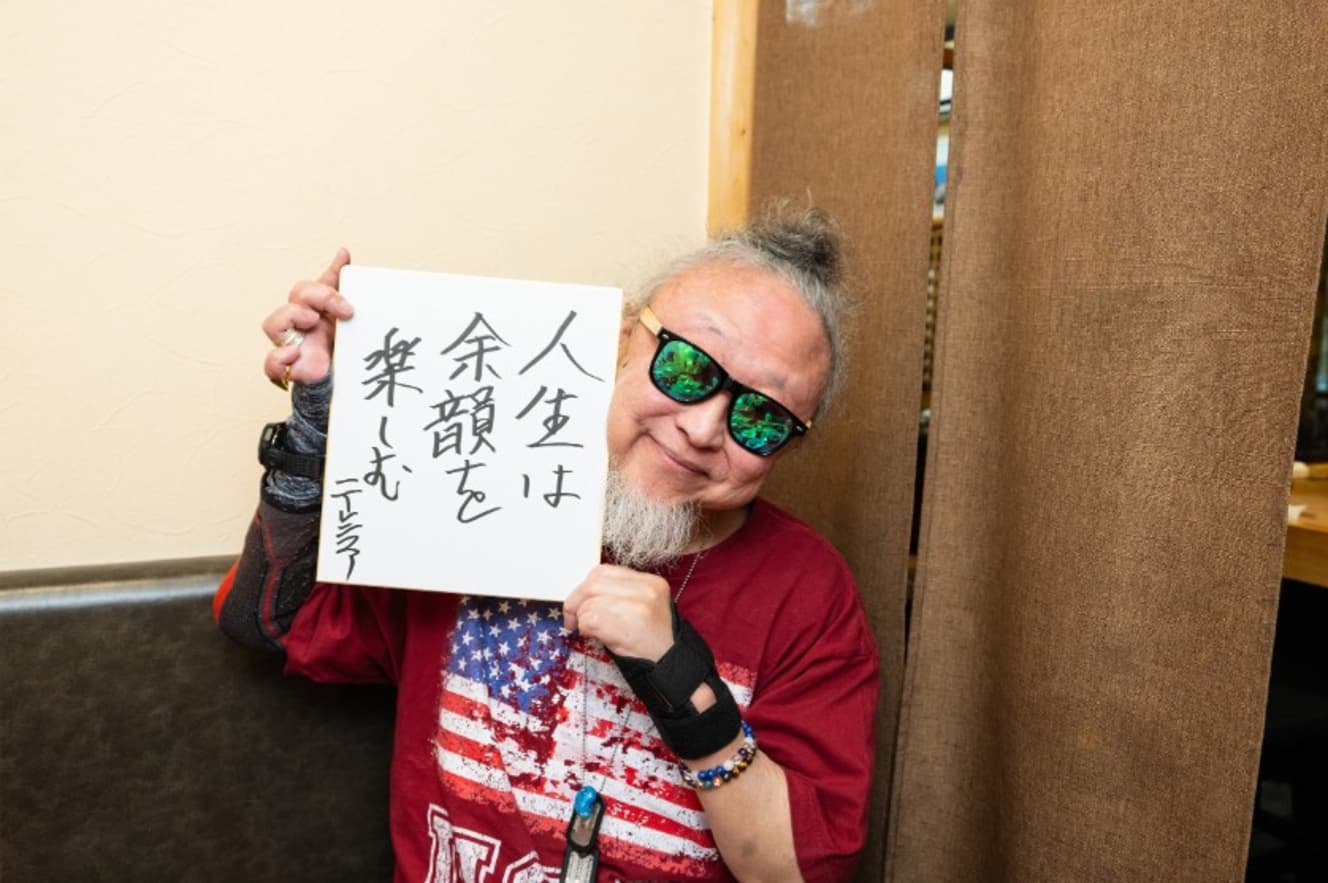
To live life without regrets, I meet the people I want to see and read the books I want to read. The doctor has tacitly allowed me to drink since there’s nothing stopping it from being enjoyed. I hope that seeing someone like me living despite this pitiful state can inspire even a little courage in readers.”
Lee today looks far removed from the muscular figure familiar from television. Yet his voice is strong and his expression bright. He is fighting a serious illness but has not lost his vitality.
From the January 2, 9, and 16, 2026 issue of “FRIDAY”
PHOTO: Hiroyuki Komatsu