Saitama Skull Murder] “I had a desire to kill,” the murderer secretly harbored “dark urges.
Violent and Serious Incidents in 2025



In this edition of “Violent & Serious Cases in 2025,” we present a selection from among the many cases reported by “FRIDAY Digital” in the year 2025. This time, we will focus on the “Saitama Skull Murder. The defendant stated that he had a desire to commit murder since he was a child.
The victim’s skull from his home…
The “FRIDAY Digital” of June 23, ’25, reported the following (quotations in parentheses are from previous articles, and the notation has been left as it was at the time).
On June 16, ’25, Saitama Prefectural Police re-arrested Jun Saito, 31, an unemployed resident of Saitama City, Saitama Prefecture, on suspicion of murder. The suspect is believed to have strangled Kaho Miyamoto, then 21, whom he met on a social networking service, to death around January ’18.
The incident came to light in May ’25 when Saito was arrested for stealing a smartphone from another woman. During the raid, Mr. Miyamoto’s skull was found in his home, leading to his arrest. In addition to the skull, several other bones of Ms. Miyamoto were found, and the prefectural police are conducting further investigation, assuming that the body was dismembered at home.
In addition to Ms. Miyamoto’s skull, the suspect Saito also possessed the skulls of a woman believed to be in her 20s or 30s, all of which were displayed on a shelf in his room. Regarding the murder of Ms. Miyamoto, he said, “I killed her with her consent. I have had a kind of desire to kill since I was a small child. The motive was a simple intent to kill itself,'” he said, broadly admitting the charges. On the other hand, as for the skull of another woman, he said, ‘I bought it on the Internet,’ and he denies killing her.
The magazine captured the sight of Saito when he was sent to the police station on June 18, 1925. In the car, Saito was staring straight ahead at a single point in front of a large crowd of reporters. When the photographer pointed his camera at him, he turned his head toward us for a moment. His eyes were lifeless and seemed to express the “emptiness” inside him. As if to symbolize his coldness, the crime was also premeditated and calm.
Saito told the interrogator, “I gave up killing people on the street because I thought it was too risky. He also said, “If I was a suicidal person, the police investigation would not reach me, which was convenient. After meeting Ms. Miyamoto, it is known that he carefully planned the crime, for example, having her write a letter saying that she was going to a live-in job and instructing her to remove her SIM card to prevent her location from being identified.
Saito carefully planned the crime and even talked about his “murderous desires,” but insists that it was “consensual. However, the prefectural police’s arrest charge was “murder. According to his lawyer, if Saito is convicted of murder and abandoning a corpse, he could be sentenced to 15 years in prison, whereas a consensual murder charge carries a sentence of 2 to 7 years.
The case focused on whether it was “murder” or “consensual murder.
She gave the impression of being a quiet child.
Saito’s home, the scene of the crime, was a four-story condominium in a green area of Omiya Ward, Saitama City. She lived there with her parents, who owned a restaurant.
According to neighbors, his parents are friendly people who greet each other whenever they meet. Saito had been living in this apartment since he was born and seemed to be a quiet child, but he had not been seen much recently. I didn’t know he had a child,’ one of them said.
Saito’s grandfather also owned a well-known restaurant in the neighborhood, and I heard that he used to eat there when he was a child” (case writer).
At first glance, the Saito family seemed happy and normal, but during the interview, we heard some stories of unhappiness.
Saito had an older brother who died in a motorcycle accident when he was a teenager. We also heard that his mother was into a new religion. Perhaps this may have something to do with the incident. In addition, it seems that a few months before the incident, the store owned by his grandfather and grandmother also closed its doors.
The June 23, 2013 issue of “Bunshun Online” reported the testimony of a friend who has known him since he was a teenager. According to the report, “Jun was aware that ‘my brother died because of Jehovah,’ and he said so. It was said that he seemed to be venting his uncontrollable anger in the face of the death of the brother he admired so much. His maternal grandparents were devoted “Jehovah’s Witnesses,” and he seemed to resent the fact that his brother’s death could not be adequately treated because the religion forbade blood transfusions.
Did this incident drive Saito to darker impulses? Although the details of the police interview that followed are not known, it appears that the prosecutors determined that he killed the victim with “consent.
On July 8, 2013, the Saitama District Public Prosecutors Office charged Saito with murder by consent.
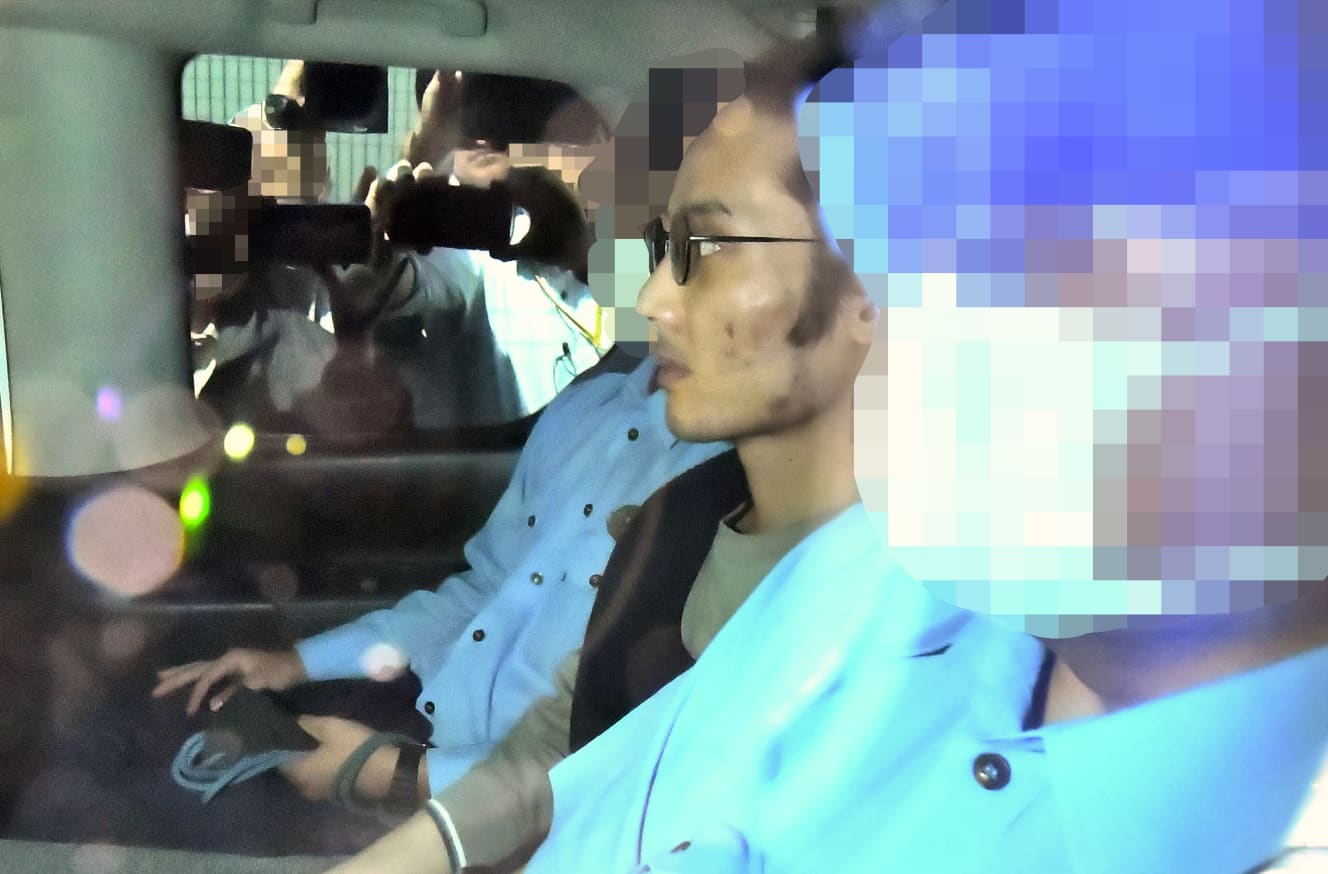
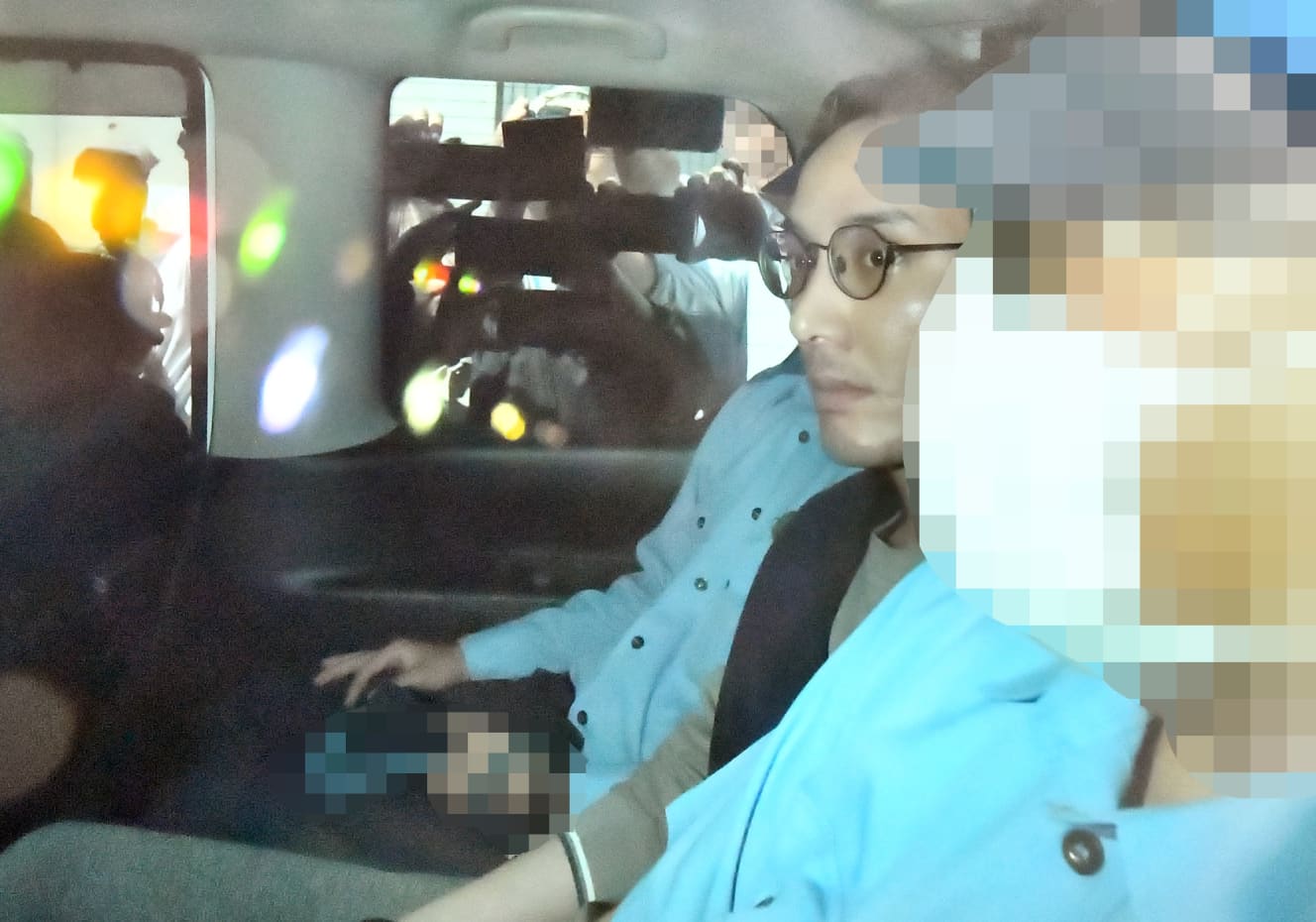

PHOTO: Shinji Hasuo