Shiraishi’s Execution and the True Nature Behind the Crimes
The "FRIDAY Digital" will be published in 2025.


From the many cases reported by FRIDAY Digital in 2025, we have specially selected and present the [2025 Heinous & Major Crimes Wide Report]. This time, we cover the execution of the death sentence for the Zama nine-murderer. We add new content to an interview previously reported by FRIDAY Digital with former death row inmate Takahiro Shiraishi, distributed on June 28.
“No matter what you ask, it’s all money-dependent”
On June 27, the death sentence of former death row inmate Takahiro Shiraishi (34 at the time), who had been sentenced to death for robbery, murder with sexual assault, and other charges for killing nine people at an apartment in Zama City, Kanagawa Prefecture in 2017, was carried out.
The case came to light on October 30, 2017, when nine dismembered bodies were discovered in an apartment in Zama City, Kanagawa. The perpetrator, Shiraishi, who lived in the apartment, was arrested the following day (hereinafter, the term former death row inmate is omitted in the text).
“Shiraishi lured women with suicidal tendencies into his home, killed them, and repeatedly committed acts with the intent to thoroughly mutilate the bodies. Initially, he seemed to have a desire to be a kept man. However, when he rendered the first victim unconscious and had sexual intercourse, he experienced a pleasure he could not get from normal sexual activity, and from that point, his goal became killing and stealing valuables. Between August and October 2017, he killed eight women and one male acquaintance of the victims,” said a reporter from a national newspaper social affairs department.
Shiraishi was sentenced to death on December 15, 2020. Although the defense filed an appeal, he personally withdrew it, and the death sentence was confirmed on January 15, 2021.
FRIDAY met with Shiraishi approximately a year after his arrest, on September 21, 2018. Quoting from the article at the time, his appearance was described as follows (quotes from the past article are enclosed in 《》).
《Around 10:20 a.m., Shiraishi appeared in the visiting room at Takao Police Station (Hachioji City), where he was held. He looked completely changed from the time of the incident. He wore plain gray sweatpants and a matching top, with square black-framed glasses. His messy hair reached his shoulders, and he had sunken cheeks and jaw with unshaven stubble.
We first asked him why he agreed to speak with our magazine. Shiraishi bowed expressionlessly to the reporter and sat down.
“I thought if it’s someone from a weekly magazine, they’d probably give me this (gesture for money) I chose to meet the person from Kodansha who previously sent me letters and magazine deliveries.”》
However, when questioned by the reporter, he simply said, (making a circle with his fingers) It depends on this. As long as I get money, I’ll talk about anything, and then fell silent. No matter what was asked, his only answer was money-dependent.
Shiraishi got excited by the gift
Why is he so obsessed with money? To explore Shiraishi’s true intentions, our magazine gave him the maximum amount of 30,000 yen after the meeting. Then, four days after the first meeting, he agreed to meet again, and his demeanor had completely changed. He began speaking with a smile, saying, “With the 30,000 yen, my tension really went up.”
《“I bought a fried chicken bento for 400 yen. Honestly, having money makes life completely different when you go to the detention center. There is a store in the detention center with choco pies, chocolate bars, anpan, and cream bread. People inside told me that it’s really tough if you don’t have money, so I want to save as much as possible before going to the detention center.
If I can receive cash regularly, I will write letters from now on. Not just to FRIDAY, but I will also write letters (of confession) to my parents. The cost will vary depending on the recipient.”》
Looking into the reporter’s eyes, Shiraishi continued talking non-stop.
At that time, the trial was still in the future, but the unprecedentedly heinous crimes he committed would not escape the death penalty. Surely, he has no regrets about his life.
《“I still wanted to eat better food. Like the ramen from my favorite place, ‘Mōko Tanmen Nakamoto’. Also, I wanted to have more fun with women. It’s really just normal stuff, though.”》
There was not a shred of remorse for the crime or apology to the victims in those words. Begging for money was just to enjoy better food while in detention. He was completely self-centered and thought only of immediate pleasure.
“Actually, I’m having trouble with my lawyer”
Also, our magazine met with Shiraishi again in October 2019, one year later, and conducted an interview. At that time, he spoke candidly about the crime against the first victim, Ms. A.
《“Actually, only Ms. A, the first person I killed, I feel sorry for. During the roughly ten days from when we met until I killed her, she treated me to meals, paid for the hotel, and went out of her way to help me. I should have just continued to beg for money as her kept man instead of killing her.
I killed Ms. A on August 23. I started thinking about killing her on August 18. After getting to know her, I learned she had quite a bit of savings, and I really wanted that money. So I told her, ‘I can’t pass the real estate check because I have no money,’ and borrowed about 500,000 yen from her. Thanks to that, the apartment check passed, but I still didn’t want to return the 500,000 yen. That’s the story from August 18. After thinking about how I could avoid paying her back, I decided to kill her.”》
At that time, the trial had not yet begun and was still in the pre-trial procedure stage. When a reporter asked what he would argue in court, his expression darkened, and he began to confess: “This is the first time I’ve said it, but actually, I’m having trouble with my lawyer.” By this point, Shiraishi had already once dismissed his previous defense attorney. He had admitted his guilt, which conflicted with the court-appointed attorney who had instructed him to remain silent. However, it seems he was also dissatisfied with the newly appointed lawyer.
《“I explained the circumstances to the new lawyer and told them, ‘I have decided to accept the death penalty. So don’t do anything unnecessary.’ They agreed. But you know what! In July of this year, they suddenly started preparing to reduce my charges for forcible sexual assault, murder, and robbery without my consent. Honestly, I’m really pissed off about this betrayal.”》
True to his words, “Don’t do anything unnecessary,” Shiraishi withdrew the appeal when his defense team tried to appeal the death sentence handed down on December 15, 2020.
Although Shiraishi, the former death row inmate, spoke about his resolve for the death penalty, it does not appear that it was to atone for or reflect on his crimes. While he offered words of apology to some victims, like Ms. A, he said of the other victims, “I have little impression of them,” and “I don’t particularly feel anything.” Moreover, regarding the family members of victims who reported him to the police, which led to his arrest, he even said, “I still hold a grudge.”
Statement by the Japan Federation of Bar Associations Criticized by the Victims’ Lawyers
When Shiraishi’s execution was reported, the Japan Federation of Bar Associations (JFBA) issued a statement by the chairman strongly protesting the execution of the death penalty, calling for an immediate halt to all executions, and demanding the abolition of the death penalty in line with the global trend toward abolition, expressing their regret.
This is the standard response that the JFBA and local bar associations opposed to the death penalty issue whenever an execution is carried out. However, in response, the lawyers who represented the victims’ families in Shiraishi’s case held a press conference and delivered an unusual critique.
Attorney Takashi Shibata said at the press conference, “It would be acceptable if they issued it after struggling with the feelings of the victims’ families, but that’s not how it comes across.” He criticized the statement for appearing as if it was protesting Shiraishi’s execution itself, which could antagonize the feelings of the victims’ families.
Meanwhile, some pointed out that there might have been political reasons for the timing of the execution, which came after roughly three years. In October 2024, Iwao Hakamada, a death row inmate, was officially acquitted, which had raised momentum for reviewing the death penalty system. Against that backdrop, it is suggested that the administration might have wanted to avoid a gap of more than three years between executions to prevent destabilizing the death penalty system.
However, from the perspective of Shiraishi, who was probably self-centered until the very end, such a fuss likely meant nothing.
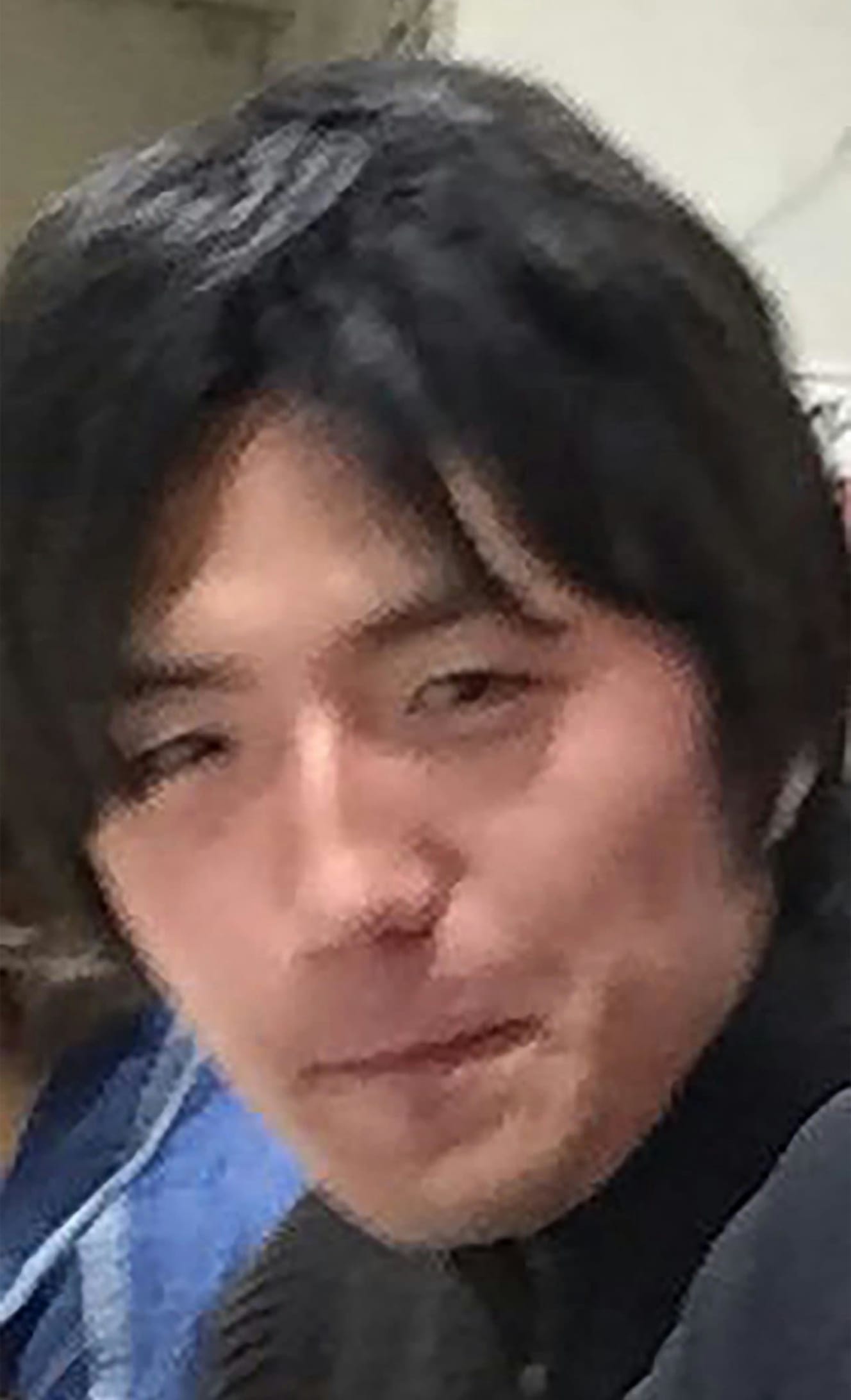
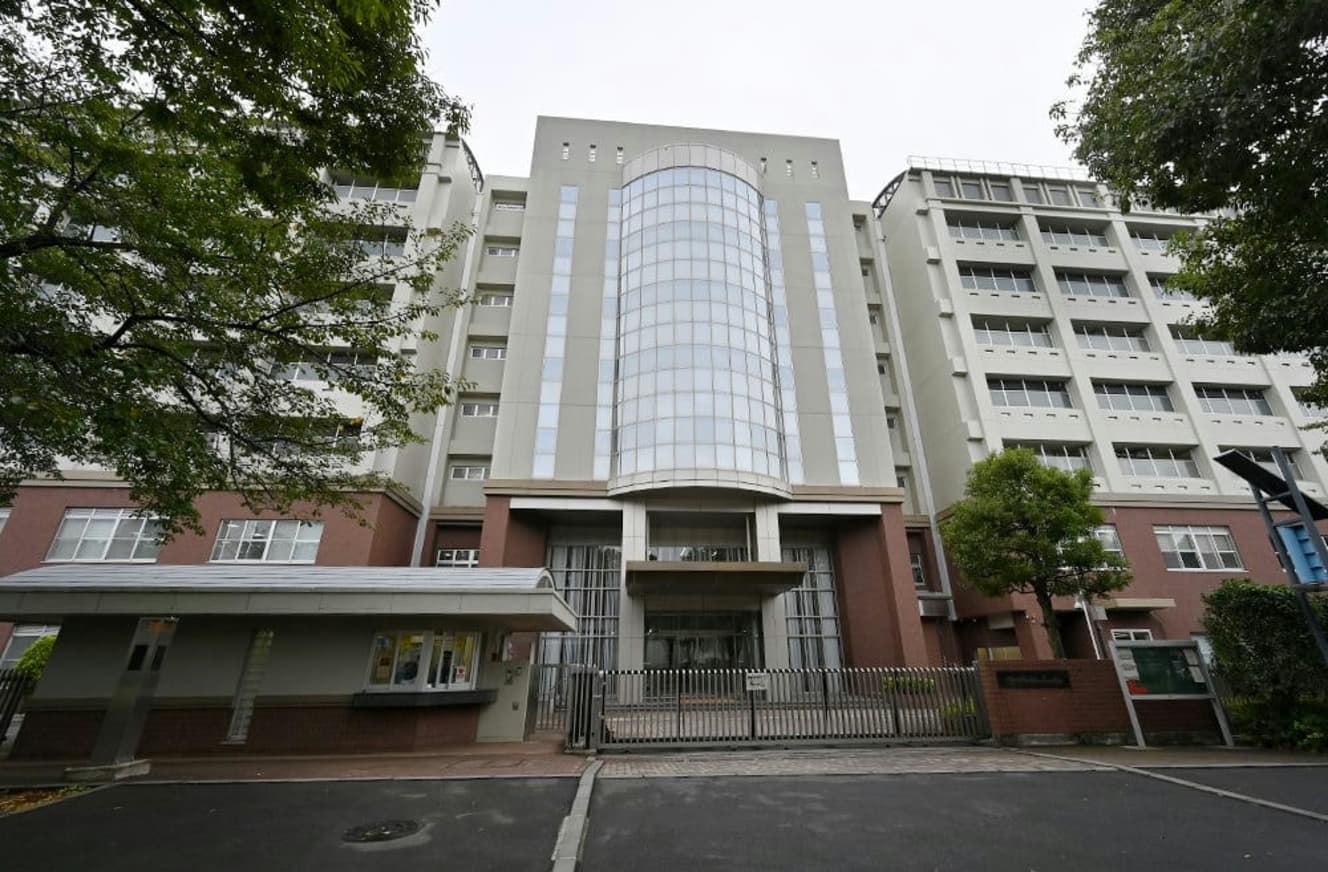

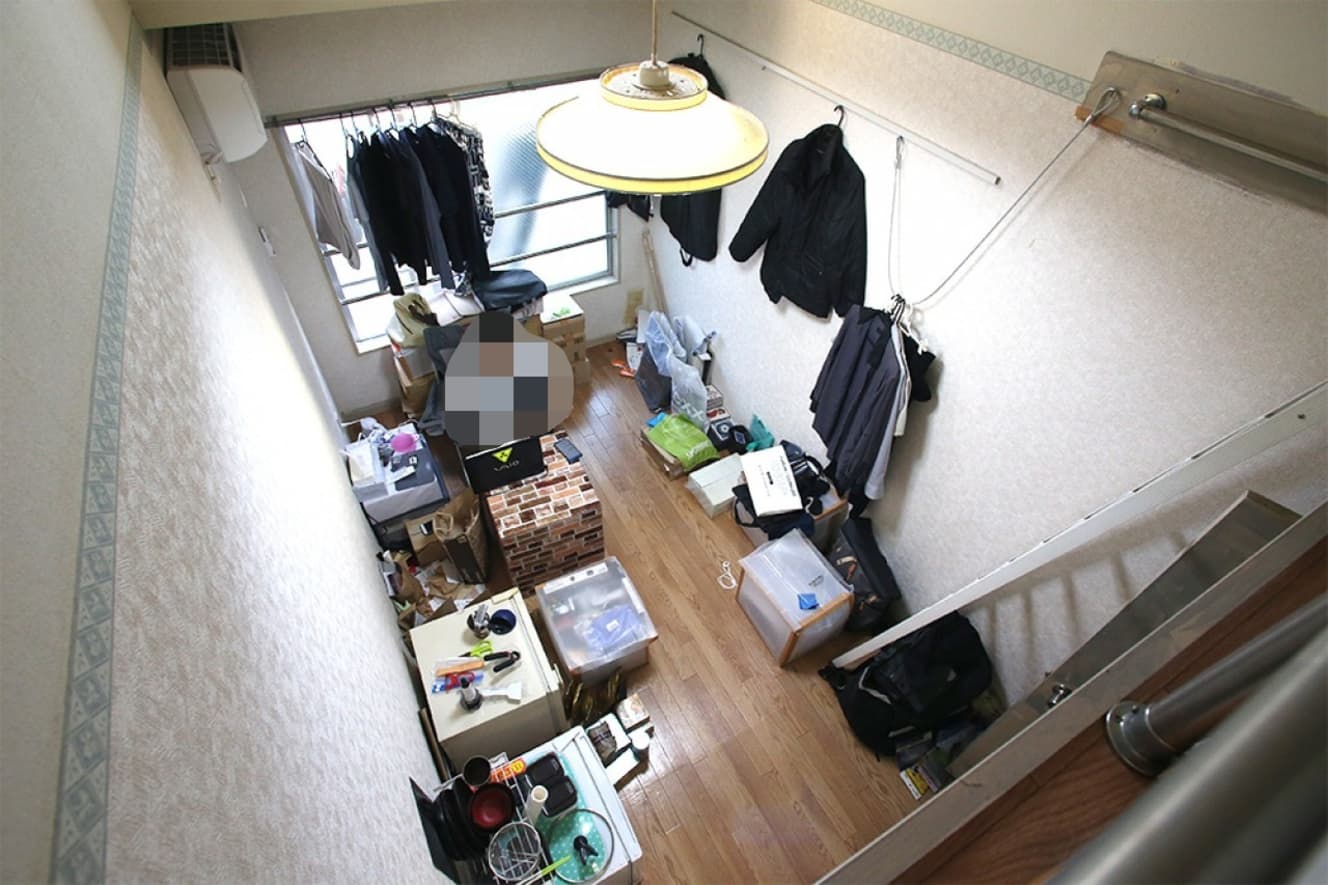
PHOTO: Takero Shimei (1st photo), Shinji Hamasaki (4th and 5th photos)