Inside the Unsolved Setagaya Family Killing — A Year-End Special Report
The "unsolved case"...spirited journalists report the latest information on the "main suspect" who continues to remain a mystery.


Setagaya Family Murder Case
Occurred: December 30, 2000 – Setagaya Ward, Tokyo, Japan
The Full Story of the “Satellite Image Investigation” the Police Relied On
Reported and written by: Nihonbashi Group
“If this had happened in today’s era — there’s no doubt it would have been solved without taking so much time.”
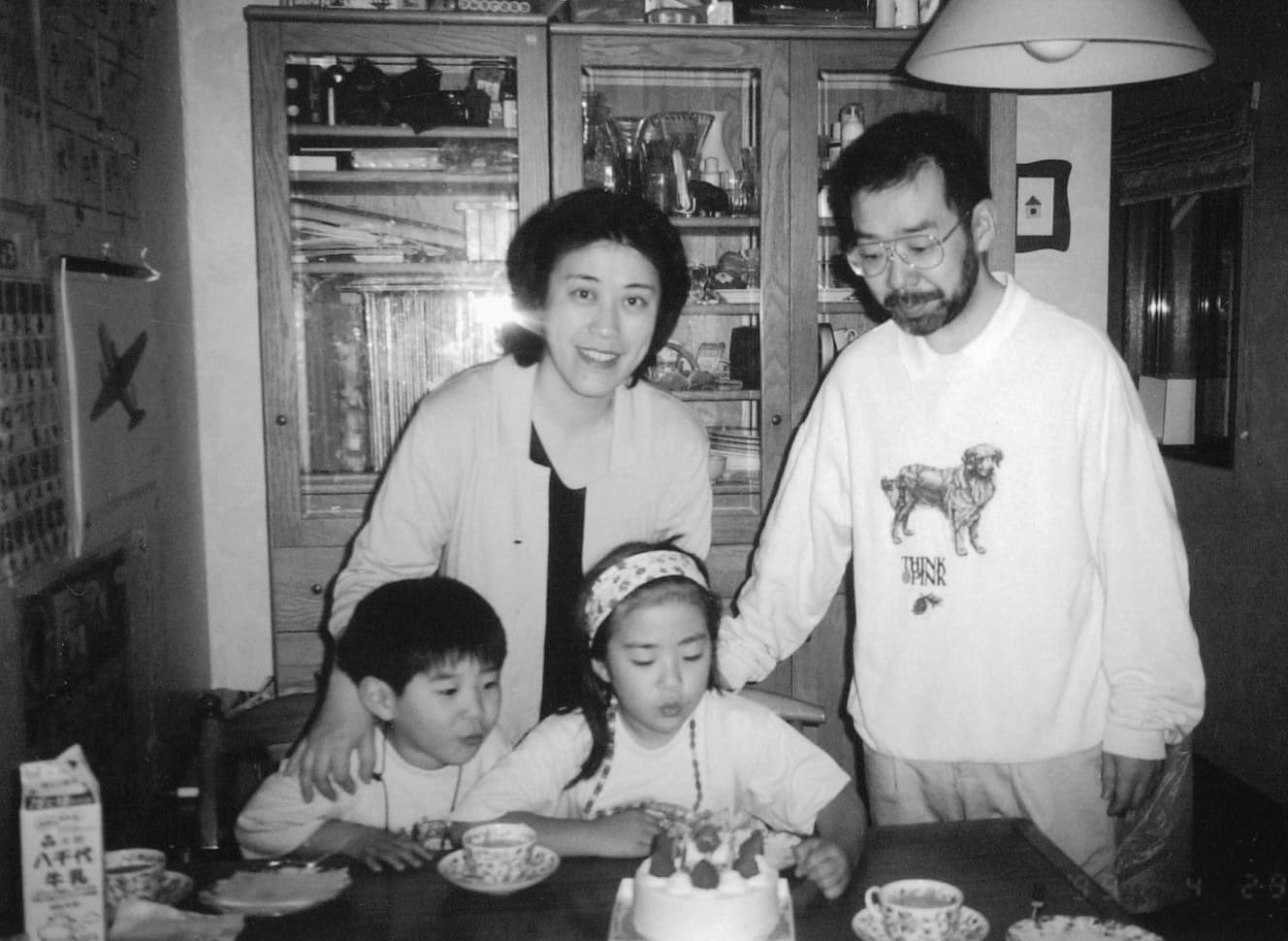
This is the regret that lingers among investigators regarding the murder of the four-member Miyazawa family in Setagaya, Tokyo, in 2000.
At the time, security cameras, also called surveillance cameras, were installed only in limited locations such as train stations and convenience stores. To trace the perpetrator’s movements, officers had no choice but to gather eyewitness accounts through interviews, and the means and route of escape remain unclear to this day.
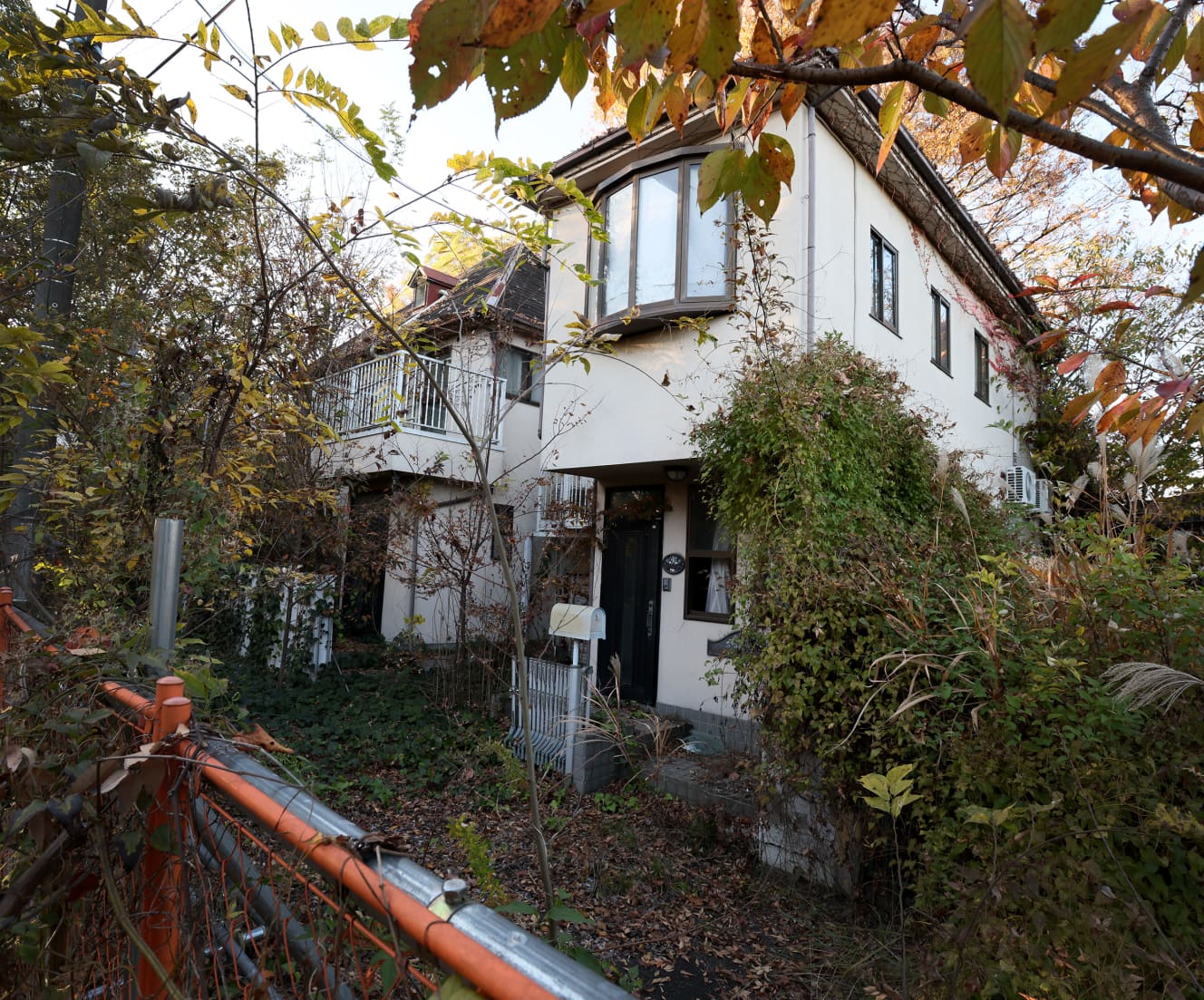
Visiting the Miyazawa residence ahead of December 30, the day of the incident, the front entrance was buried in fallen leaves. At the scene, where time seemed to have stopped since that day, only the lush greenery reminded one of the 25 years that had passed.
In fact, a few years after the incident, a special investigation headquarters established within the Metropolitan Police Department was tracking the perpetrator’s movements in an unexpected way, as revealed in recent investigation documents: analyzing images taken by artificial satellites orbiting high above the Earth.
“There were almost no security cameras in the residential area where the incident occurred, so there were no results. We hoped that images automatically recorded by satellites might show suspicious people or cars coming in and out near the scene — we clung to that one thread of hope,” said a Metropolitan Police Department investigator.
Since around the 1990s, in Europe and the U.S., satellite images — what some call the eyes from space — have been used in criminal investigations, helping to locate buried bodies or trace drug-smuggling sites. The precision of cameras has improved dramatically, and now objects about 20–30 cm in size can be identified.
At the time of the incident, redevelopment of the park directly in front of the Miyazawa residence had advanced, improving the view from above. The investigation headquarters obtained and analyzed a large volume of satellite images from private companies that may have captured the area at the time of the incident, in search of clues.
However, in 2000, the number of commercial satellites in operation was far fewer than today, and no images captured the scene at the precise time.
“The method of using satellite images in investigations has been gradually introduced in Japan since the 2000s, but which cases it has been used for is top secret. If anything had been captured, it could have provided clues to the perpetrator.” said a police official.
The saving grace is that the scene still contained many pieces of evidence, including the perpetrator’s DNA and fingerprints. FRIDAY has also reported on theories involving a foreign suspect and people connected to the Miura Peninsula. An investigation executive said:
“The thing we fear most is that the suspect is already dead. If we can match them to the remaining evidence, a breakthrough could happen.”
The relentless investigation continues.
From “FRIDAY”, combined issue of December 19 & 26, 2025
PHOTO.: Kazuhiko Nakamura (1st photo) Courtesy of the bereaved family (2nd photo)