Mets’ Star Pitcher Senga Talks Daily Grind and Unyielding Sense of Urgency


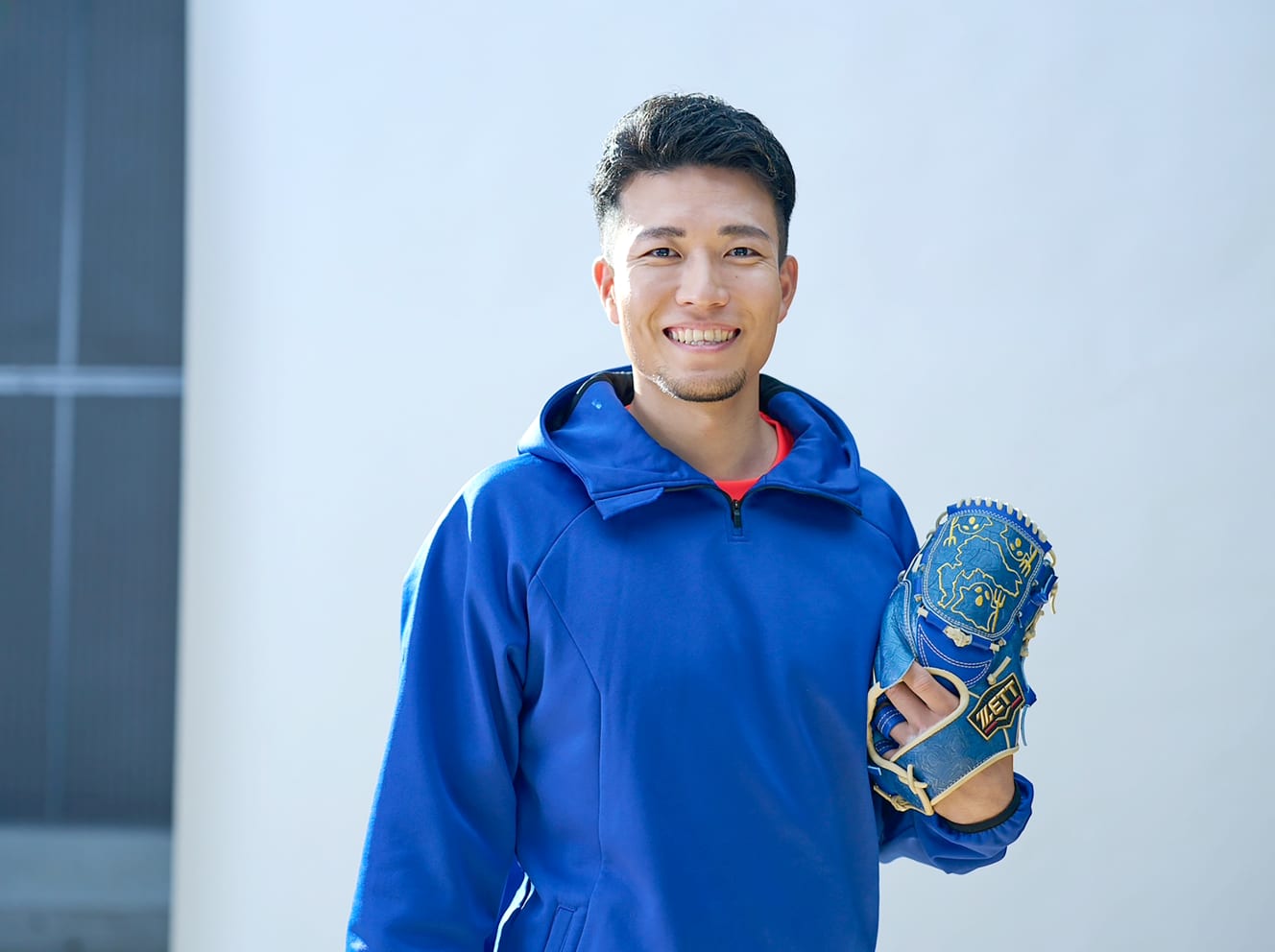 Kodai Senga: Born January 1993 in Aichi Prefecture. Drafted 4th in the development draft from Gamagori High School, he joined the SoftBank Hawks in 2011. He has earned titles such as Most Wins and Best ERA, and has been active with the Mets since 2023. He has a combined 107 wins and 57 losses in Japan and the U.S.
In his third year in the U.S., dominating the majors with his ghost forkball!
“I don’t need an off-season. I haven’t worked a full year anyway.”
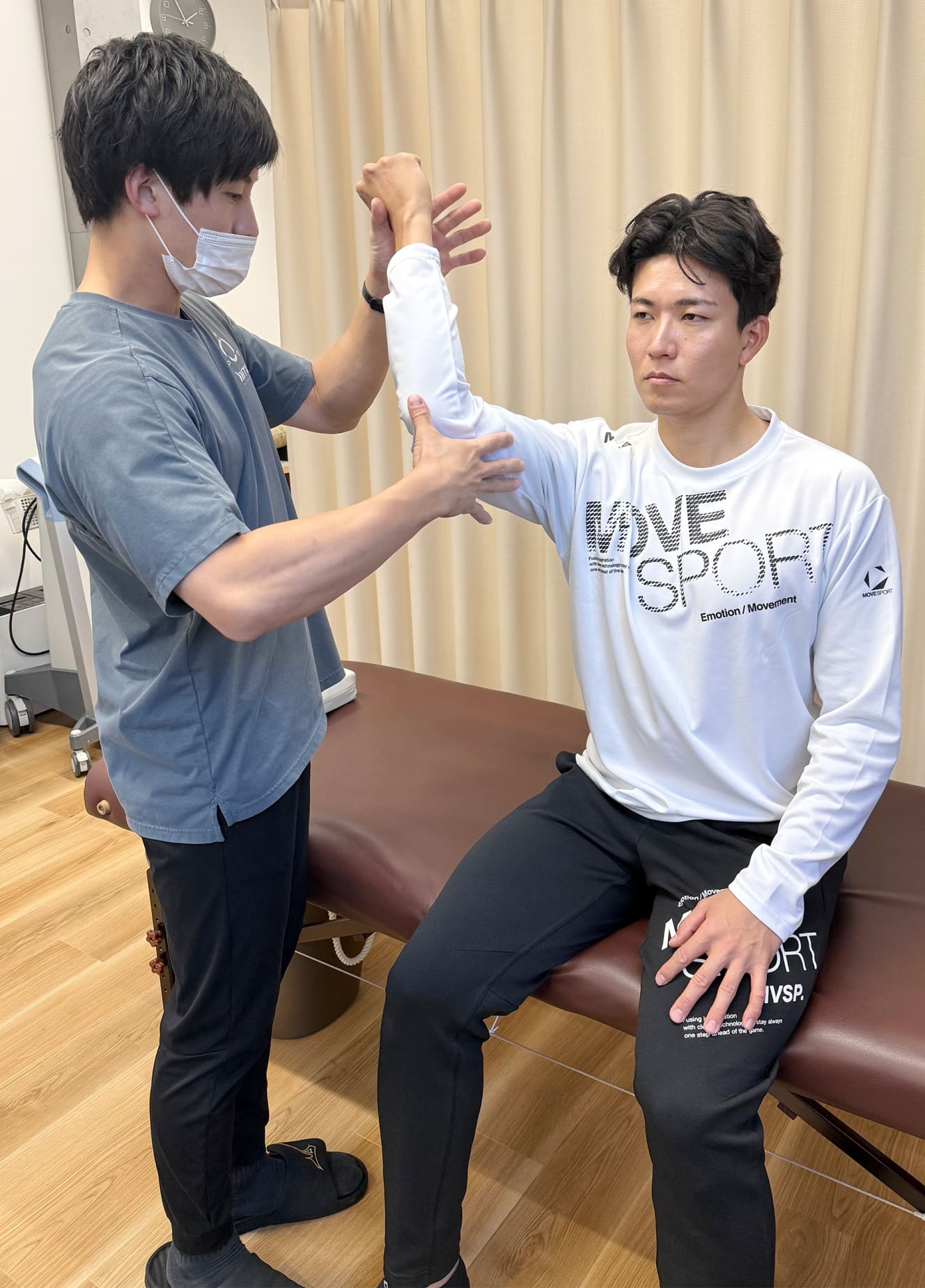
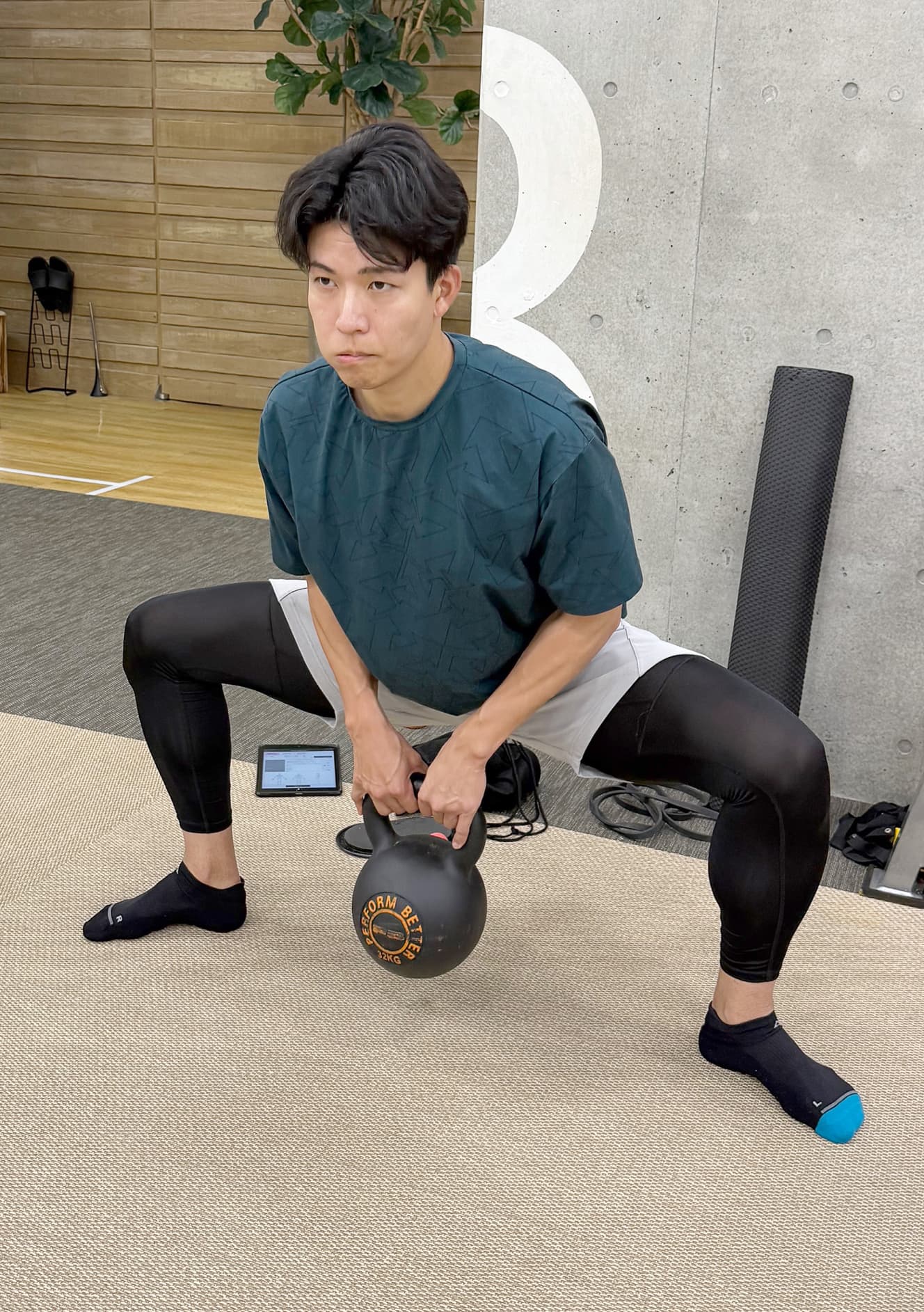
Kodai Senga (32) has already started preparing for next season after completing his third year with the New York Mets. In December, he spends his days training from morning until sunset.
“In the first half of the season, my stats looked good on paper. But I didn’t feel right about my pitching—it felt off. And sure enough, the second half was no good. The majors aren’t easy. That’s what I realized all over again this year.”
Senga had a strong start, steadily adding wins. On June 12 against the Nationals, he pitched six innings, giving up just one hit with no runs, securing his seventh win. At that point, his ERA of 1.47 ranked first in the National League. However, during a play covering first base in that game, he injured the back of his right thigh. After about a month away, he returned to the rotation but didn’t win a single game afterward, finishing the season 7-6 with a 3.02 ERA. He eventually requested a minor league stint himself, ending the season there.
“After returning, my body balance was off, and I was fighting myself rather than the batters. It’s extremely rare for a major leaguer to request a move to the minors, but I felt that giving anything less than my best performance would just be a burden on the team. I also thought pushing through could lead to an even bigger injury, which wouldn’t be good.”
“Do I need to take a break?”
How many people noticed the unusual circumstances behind Senga’s strong performance? Senga is, by nature, a pitcher who doesn’t reveal his emotions. He always throws calmly, unaffected by results. He also revealed that since moving to the majors, he no longer feels nervous on the mound.
“When I step on the mound, I decide on this pitch based on the data I’ve prepared—from the first batter to the last. So there are absolutely no distractions, or maybe I’m just too busy to feel nervous.”
In Major League Baseball, pitchers usually take control of pitch selection rather than relying on the catcher. In Japan, it’s the opposite. While with SoftBank, Senga simply followed the lead of his catcher, Takuya Kai (now with the Giants).
“In Japan, starting pitchers have fully scheduled rest days. In the majors, you’re immediately preparing for the next outing. Even at home, it’s days of analyzing on the computer.”
With more games and long-distance travel, it would seem natural to want a break.
“No, do I really need to take a break during the season? I came to the majors of my own accord, so complaining would be way too selfish (laughs).”
Heading into his 4th year
Through thoroughly confronting himself, Senga has made improvements to his signature ghost forkball.
“I think my control of the forkball has improved drastically since coming to the majors. Here, every batter from 1 through 9 is powerful. There’s no room for throwing mistakes. Back in my Hawks days, I would just throw my arm like with a fastball, but now I properly manipulate the forkball as I throw. I feel like I’ve gained an incredible amount of data and knowledge to make that possible.”
In his first year in the U.S., he recorded 12 wins and 202 strikeouts. His second year was hampered by a right shoulder injury, ending with only one win. Yet this season, he staged a remarkable comeback. His potential is undeniable, and becoming the first Japanese winner of the Cy Young Award is not out of reach.
But in professional baseball, results matter, especially in New York, where the media’s scrutiny is intense.
“Even this season, I ended poorly. Reporters would casually ask, ‘What do you think if you lose your spot?’ things like that.”
This offseason, news outlets have also speculated daily about the possibility of a trade.
“That’s beyond my control, so honestly, I don’t worry about it. There’s also the WBC in March, but my answer is the same: if I can’t pitch properly, I won’t be called. The only thing I focus on is improving my performance. It’s not just ambition; it’s an overwhelming sense of urgency. If they don’t see me as a usable pitcher, I can’t survive in this world.”
Not only aiming for success in the majors, but also seeking personal growth, these three years have been building experience. Next season is when his true value is set to shine.
From the December 19 and 26, 2025 issue of “FRIDAY”
Interview and text by: Kotaro Tajiri