Is it cheaper to spend 1 million yen round trip? Why the World’s Rich Go to “Japan’s Rural Areas” Rather than Tokyo


More than a three-star restaurant in Tokyo, go to a “regional” restaurant.
Food is one of the pleasures of travel. Many people enjoy eating out while sightseeing, looking for delicious food. In recent years, however, “food” has become the purpose of travel. There are people who decide where to go to eat. Even if there is only one restaurant they want to visit, they will go on a trip.
They will spare no effort or expense, no matter how far away the restaurant is, no matter how inaccessible it is.
For example, there was a restaurant called KOKS, which was opened by a chef from a starred restaurant in a small village with a population of only 50 people in the Danish Faroe Islands, where icebergs loom at 69 degrees north latitude. The island where the restaurant is located can only be reached by helicopter or boat, but wealthy people from all over the world flocked to the island.
Access to the island is very poor, and if you were to go there from Tokyo, it might take two or three days to travel and cost about 1 million yen round trip. Even so, as far as I know, there are several Japanese who have visited.
Kotaro Kashiwabara, a gastronomy producer, says, “In fact, in recent years, the world’s wealthy have been visiting Tokyo for the first time.
In recent years, “gastronomy tourism,” in which wealthy people from around the world travel in search of unique regional food culture, has been gaining popularity, and restaurants in Japan’s regions have come under the spotlight. So, why do these travelers venture to inconvenient “rural” areas of Japan rather than to the high-end restaurants of Tokyo?
When one hears the words “wealthy” and “gastronomy,” one tends to think of “cuisine using high-end ingredients for the rich to enjoy,” but what they value is not just “gastronomy” that can be tasted with the tongue.
Gastronomy has a negative image of “tantalizing one’s taste buds with caviar and other luxury ingredients,” but my perception is different. I believe that gastronomy is to enjoy food while considering the background (food culture) of the food, such as why the food served in front of you developed in the region. However, travel is expensive. Therefore, I think the first stage of development is the gastronomic experience of the wealthy.
Although this is a “trip to enjoy food culture,” one wonders how many restaurants in Japan’s regions can satisfy the world’s wealthy, who have a wealth of gastronomic experiences to offer. Some may wonder.
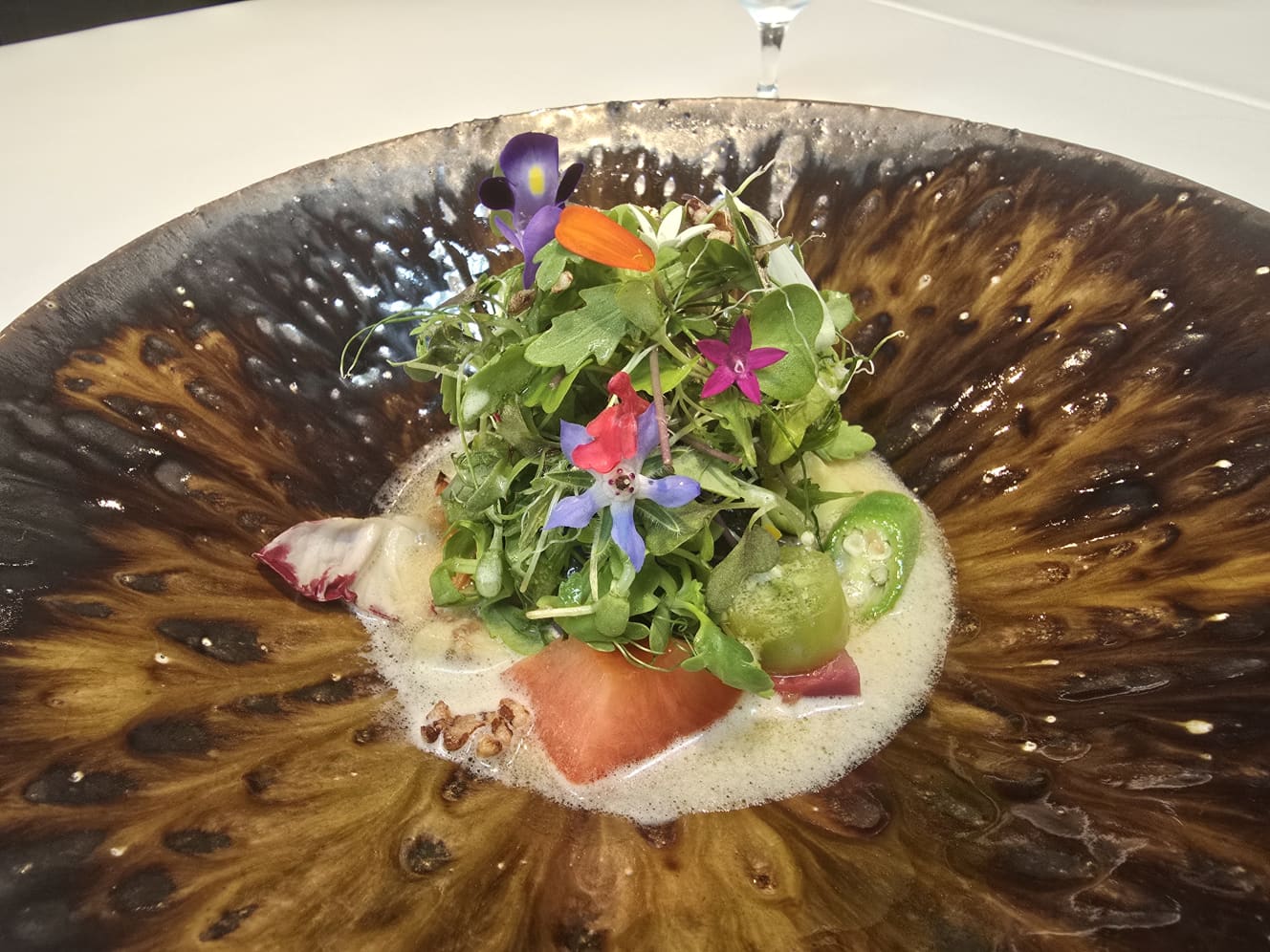
The legendary chef who chose Utsunomiya over Paris
In recent years, however, destination restaurants have been popping up one after another, making people want to go out of their way to visit them and making them the purpose of their trip.
The Internet has made it possible to instantly disseminate information on delicious restaurants previously available only through magazines and television, making it more economically viable, and the government has been promoting “regional development using food” since 2000. In addition, the government has been promoting “regional creation through food” since 2000, which has led to an increase in the number of chefs moving from Tokyo to the countryside and chefs setting up restaurants in the countryside after training at famous restaurants overseas.
Why do chefs with experience at three-star restaurants around the world choose to work in the countryside rather than in the city? One restaurant in Tochigi Prefecture can be said to be a pioneer in this field.
Chef Kazunori Otowa of Otois Restaurant in Utsunomiya, Tochigi, was the first Japanese chef to study under Alain Chapelle, a master of French cuisine.
In those days, there was no Internet, so it was difficult to spread his reputation, and he could get more customers in Tokyo. Nevertheless, he chose his hometown, Utsunomiya, because he wanted people to know the deliciousness of regional food expressed using local ingredients.
In fact, in France, it is considered more natural to cook in regions where fresh ingredients are available, even if in smaller quantities, than in Paris, where ingredients are gathered from all over the world, Chef Otowa trained at Alain Chapelle’s restaurant not in Paris, but in the French countryside. And his colleagues from his training period were all aiming to open their own restaurants in the small towns where they had lived. He was influenced by that.
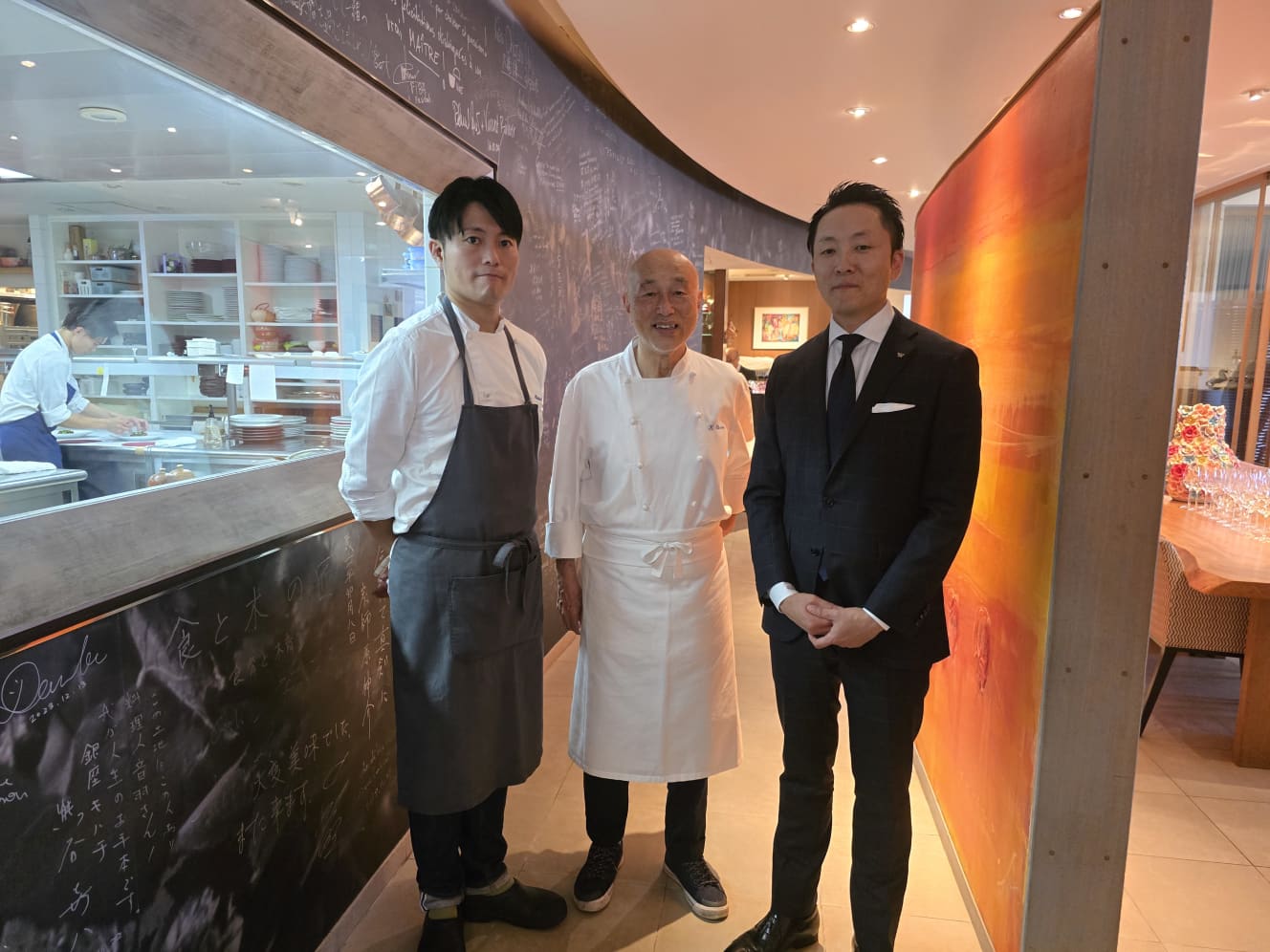
Chef Kazunori Otowa wanted to open his restaurant in Utsunomiya because he wanted to convey the local terroir (the idea that a region’s unique natural environment and culture influences the taste of its produce and food).
It was a groundbreaking experiment, as there were few customers seeking fine French cuisine in rural areas at the time. Since then, Chef Otowa has led the restaurant to become a popular restaurant and has continued to do so for over 40 years. Kashiwabara sees this as the origin of the destination restaurant and its influence on many chefs.
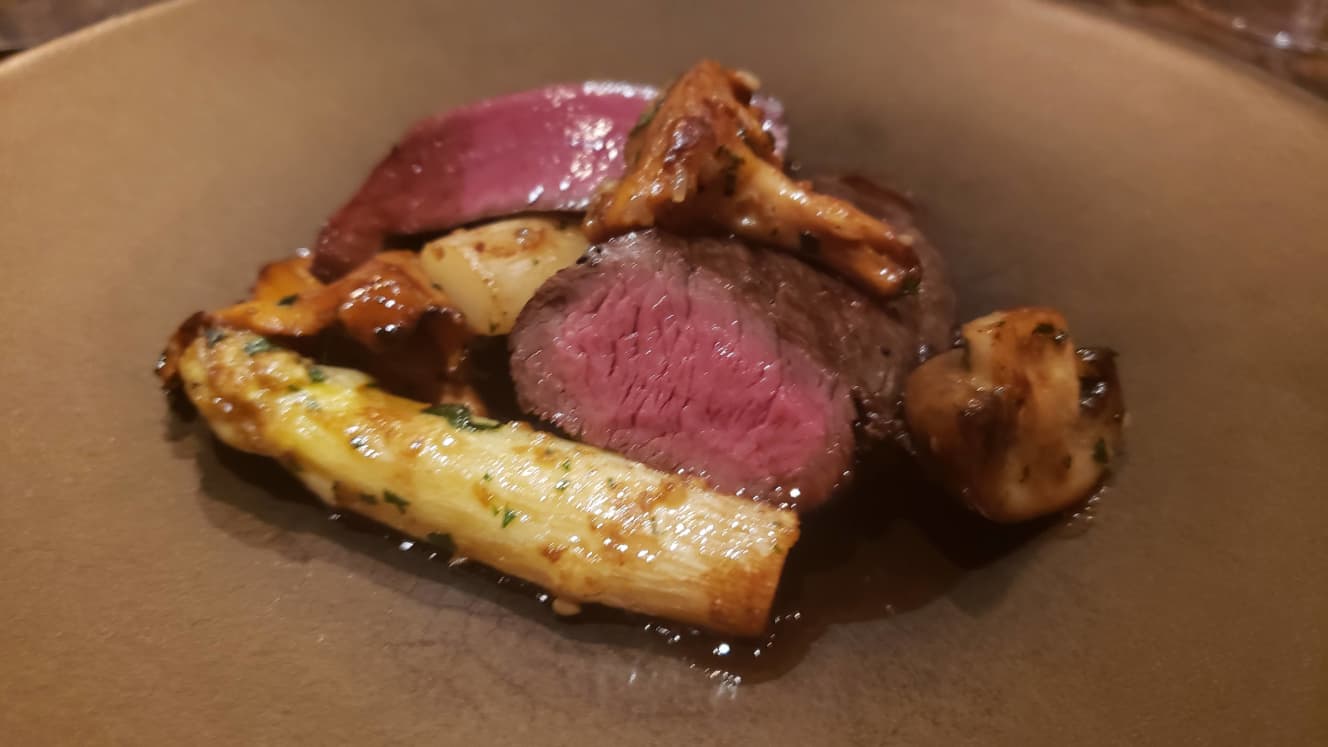
1,000 foreigners visit a marginal village with a population of 400 a year.
In October, Mr. Kashiwabara published a book titled “What Do the World’s Rich Eat in Japan? (Diamond Inc.), published by Kashiwabara in October, introduces a number of destination restaurants in various parts of Japan that he has carefully selected.
For example, “Elezo Esprit,” an auberge in Toyokoro, Hokkaido, which serves gibier cuisine prepared by a “group of hunter-meat chefs,” and “Teru Sushi,” a sushi restaurant in Tobata, Kitakyushu, which overwhelms customers with its entertainment value and discerning taste, are now visited by many of the world’s wealthy people. Some of these restaurants have become difficult to make reservations. At the top of the list is the auberge “L’évo” in Toga-mura, Toyama (now the Toga-mura district of Nanto City).
After training in France, chef Eiji Taniguchi became fascinated by the nature and food culture of Toyama while working as head chef of French cuisine at a hotel in Toyama City. Every time he had a break, he would search for ingredients in the prefecture in order to offer dishes that could only be made in Toyama, but his desire for “local ingredients” only grew. Finally, he opened the new “L’evo” (December 2008) in the Toga Village area, which has a population of about 400.
The restaurant is located in a mountainous area rich in nature. Access to the restaurant is therefore inconvenient, and visitors must use their own cars or take a cab from the nearest train station (a bus service is available once a day). Even so, the restaurant attracts 1,000 visitors a year from overseas and 7,000 from Japan.
Chef Taniguchi Chef Taniguchi realized the appeal of using Toyama’s ingredients and decided that in order to create dishes rooted in the area, he had to be close to the ingredients himself, so he set up his restaurant deep in the mountains. The dishes served here are the “ultimate gastronomy,” including bear meat caught deep in the mountains, dishes using wild vegetables gathered by the chef himself, and dishes using chickens specially ordered from a local contract farmer.
Customers are encouraged to visit the restaurant from time to time. By visiting the restaurant, customers enjoy understanding the chef’s thoughts and the story behind the ingredients, such as why these ingredients are used in this dish. One of the visitors said, “Dining is the way to understand the people of the land. A restaurant is like visiting a museum of a country,” said a wealthy foreigner. I think it means that there are 1,000 people a year around the world who want to get to know this place through L’évo.
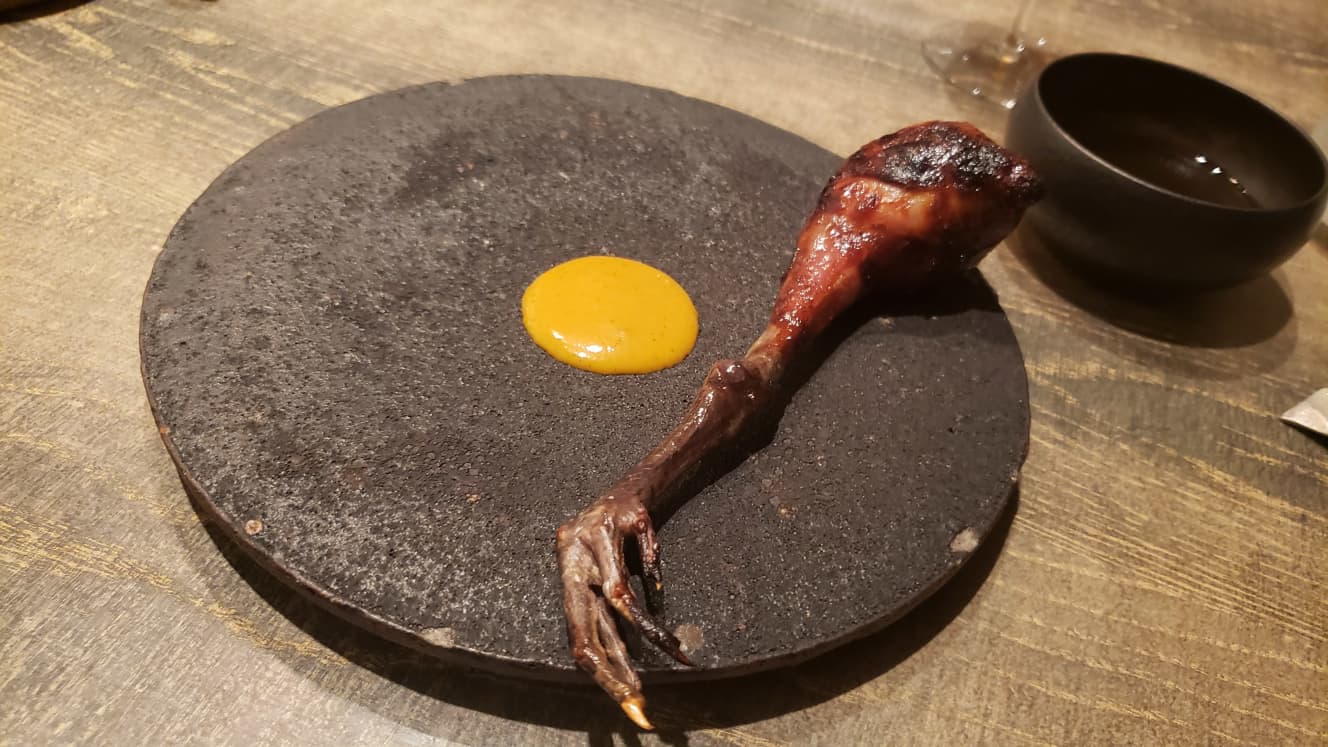

According to Kashiwabara, one of the reasons why wealthy foreign travelers appreciate destination restaurants in rural areas is that the values of the wealthy have changed over time.
I think the wealthy used to enjoy wearing high-brand clothes, traveling by private jet to destinations, and dining at luxurious restaurants,” he says. However, today, with the vast amount of information that comes in every day, people are looking forward to quickly catching and disseminating “valuable information” that others don’t know about. Naturally, rather than going to a three-star restaurant, it is more boastful to be the first to visit a restaurant with a chef who is a genius, even though it is inaccessible. Wealthy people who have been to many restaurants in the city are looking for “a different experience.
In addition, the proliferation of information on food has made it difficult to describe cuisine in terms of genres. To take it to the extreme, “how to cook a banana so that it tastes good” is now a topic of conversation. Terroir is the key to understanding the differences between countries, and this creates a desire to learn more about each country. It takes time and money to know, but it is possible for the wealthy to do so. This awareness and sense of values has probably led to the boom in gastronomy tourism.

Shizuoka and Yaizu are the perfect places to experience the culinary miracle of Sasue Maeda, a genius fishmonger.
It is such a shame that Japanese people are unaware of such fascinating destination restaurants in rural Japan. It depends on one’s own pocketbook, but will gastronomy tourism spread to the Japanese?
I think it depends on the individual’s pocketbook, but I wonder if gastronomy tourism will spread to the Japanese as well. “Recently, an increasing number of Japanese people are spending money on food. If they are going to eat, they want to go to restaurants with a rating of 3.5 or higher on the food log. Among these people, those who can afford to spend money are the ones who are looking for destination restaurants such as L’evo. I think that those who can afford it are the ones who go to destination restaurants like “L’évo.
However, not all of them are interested in regional food culture, and some of them visit because they are tired of the famous restaurants in the city or want to go to a restaurant that is difficult to reserve. Still, some people will discover a lot by actually visiting a restaurant and will also become interested in other regional food cultures. I think these people will be the driving force behind gastronomy tourism.”
Now, we asked him to tell us about the areas of interest to those who have read this article and are interested in traveling for the purpose of “food.
How about Yaizu, Shizuoka? In Yaizu, there is a fish shop called “Sasue Maeda Fish Store” that sells the finest fish, and the fifth generation owner, Naoki Maeda, has been practicing a new approach in building a relationship of trust with fishermen, making it possible to deliver fish to chefs in the most ideal condition. This is why chefs come from all over Japan to cook with fish from “Sasue Maeda Fish Restaurant.
Mr. Maeda regards the flow of fish from the fisherman to the fishmonger to the chef to the consumer as a “fish baton relay. A community called “Team Sasue” has been formed, and they are constantly researching cooking methods that will make the fish taste even better. This has led to the raising of the level of cooking in the Yaizu area.
There are several restaurants that are part of 《Team Sasue》, which are introduced in the book, and I think that if you visit them, you will understand and enjoy the appeal of gastronomy tourism.
Kotaro Kashiwabara is a gastronomy producer. He graduated from Keio University. After working for Bungei Shunju as an editorial department editor of “Bungei Shunju” and “Bungei Bunshun” and as the head of Bunshun Bunko, he has been involved in new business development. Known as one of the industry’s foremost food connoisseurs, since becoming independent he has served as Chairman of the Japan Gastronomy Association, Counselor to the City of Kitakyushu (in charge of food attractiveness strategy), member of the Luxury Japan Award 2026 selection committee, and member of the Gastronomic City Award jury. He is the author of “Nippon Gastronomy Nation Theory” (Kodansha, 2023) and “Tokyo Iiiten wa Yaruiten” (Shincho-Shinsho, 2024).


Interview and text by: Keiko Tsuji PHOTO: Courtesy of Kotaro Kashiwabara