Inside Japans Abandoned Giant Hotel A Monument to Decay
More than 300 locations across Japan "abandoned and turned into a big mondai! Built during the bubble era, but...


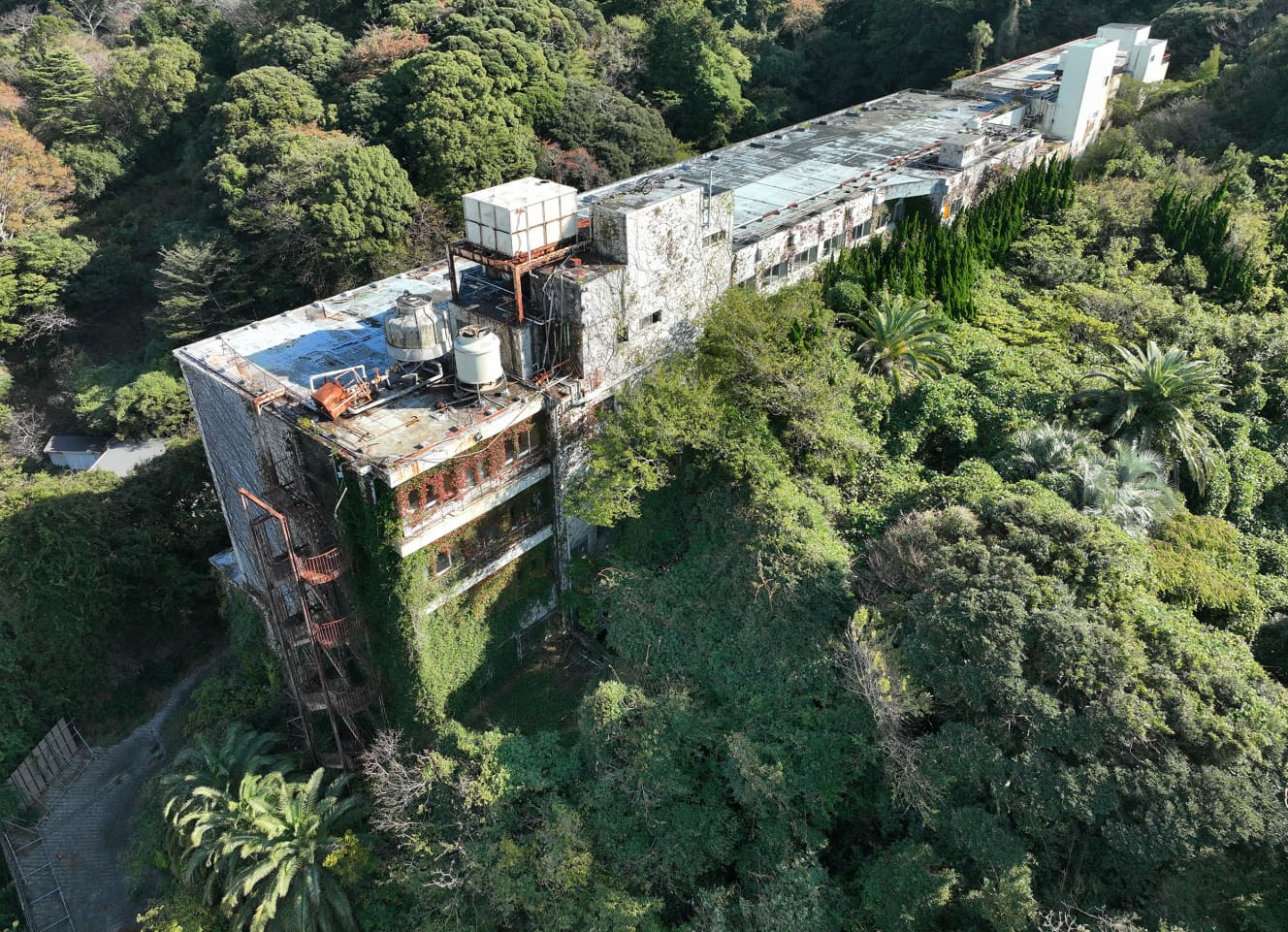 [Shizuoka, Shimoda Onsen] A Massive Hotel Left Abandoned for Around 25 Years. According to the city, the total project cost including demolition could reach up to 2.3 billion yen.
Local Governments Struggle to Cope
Walls are peeling, glass is shattered, and weeds are growing inside the building. The photos shown depict abandoned hotels across Japan—massive facilities left to decay after decades of neglect.
“Group tours, which were popular until the bubble economy era, declined, and many hotels went out of business due to poor management. These abandoned hotels remain unmaintained. It’s estimated that there are over 300 such ruins nationwide, creating serious problems for local governments,” said an industry insider.
Shimoda City in Shizuoka Prefecture is one municipality struggling with multiple abandoned hotels. At a former inn, which became known as a haunted spot, a fire broke out about three years ago. The collapsed debris struck nearby homes, causing serious damage, prompting the city to carry out demolition through administrative execution in August of this year. The city also purchased an abandoned large hotel that had closed around 2000 (as shown in the photo above).
“Considering the negative impact on the landscape and the risk of building collapse during a major earthquake, we purchased the land and building about four years ago. We plan to convert it into a park once cleared. Total project costs, including demolition, are estimated between 1.3 and 2.3 billion yen. Since the city cannot cover this alone, we are exploring the use of national and prefectural subsidies, as well as private funds,” explained the Shimoda City Construction Department.
Nikko City in Tochigi Prefecture—home to the famous Kinugawa Onsen and called the inner retreat of Tokyo—also struggles with abandoned hotels. In this hot spring town, which sees roughly one million overnight visitors annually, entire sections of the streets are suddenly lined with abandoned hotels. These are hotels that closed between the 1990s and 2000s. To prevent trespassing and other issues, the city has sealed off the buildings.
“There are about 15 hotels in the city that have no active management. For owners we can contact, we request proper maintenance, but some do not comply. Citizens want the abandoned facilities removed to prevent a negative image of the hot spring town. However, demolition costs are roughly 1 billion yen per building, beyond what the city can afford. Without national support, there is no solution,” said a representative from Nikko City’s Planning and General Affairs Department.
The Japan Tourism Agency has provided subsidies for demolishing abandoned buildings since fiscal 2021, up to 100 million yen per project, covering half the demolition cost. However, due to rising demolition costs, some buildings remain untouched. The agency is now considering raising subsidy amounts, according to real estate appraiser Ken Tomita, an expert on abandoned hotels.
“In low-value areas, even spending hundreds of millions of yen to clear a site does not yield value equivalent to the cost. Owners in financial trouble often leave buildings abandoned as hotels. To prevent further abandoned hotels, there should be a system requiring operators to gradually set aside funds for future demolition costs when the facility is first built,” Tomita explained.
Abandoned hotels can give tourist areas a desolate impression. In Japan, where inbound tourism generates roughly 10 trillion yen annually, addressing this issue has become urgent.

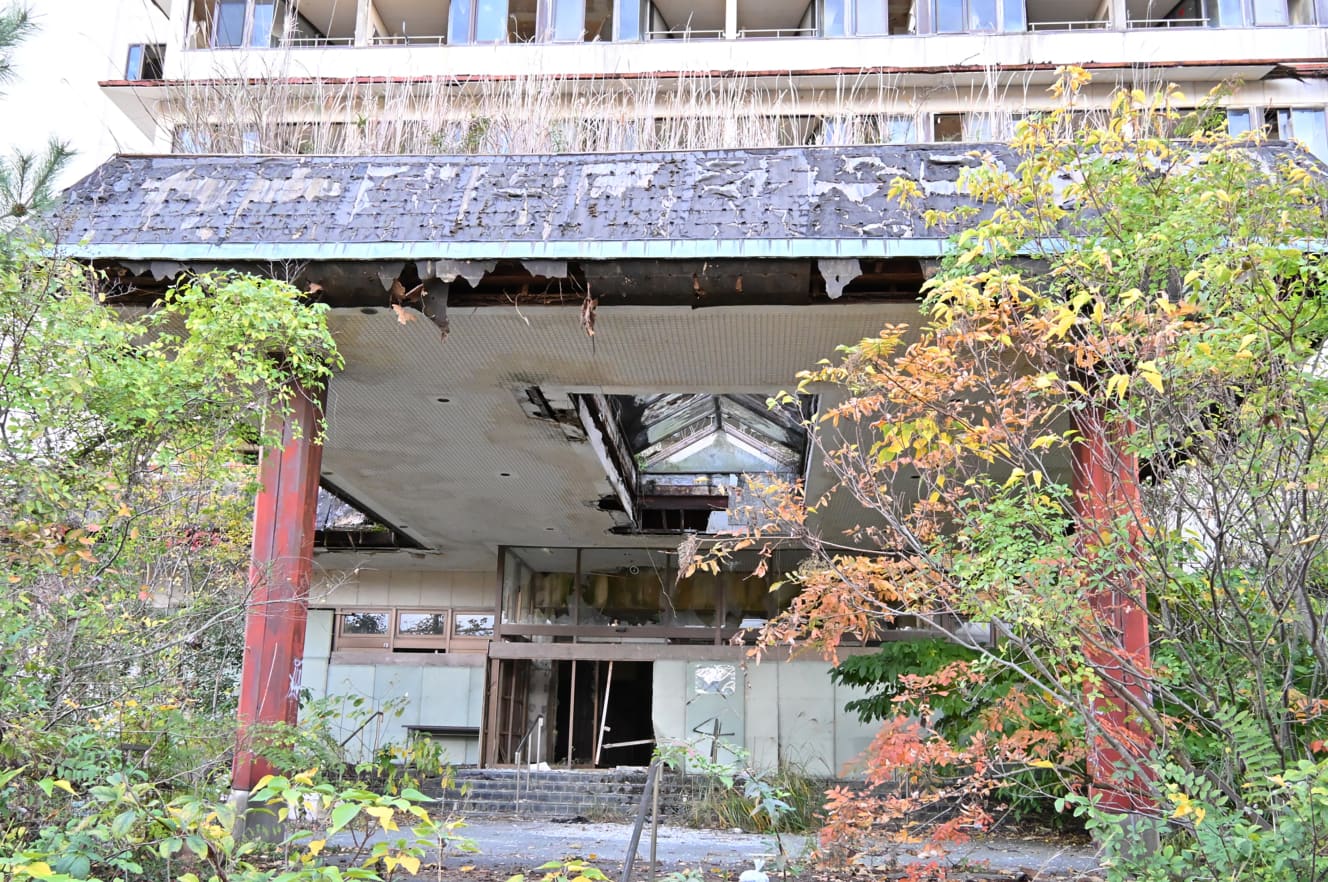

From the December 12, 2025 issue of “FRIDAY”
Reporting and writing: Masayoshi Katayama (Journalist) PHOTO: Masayoshi Katayama, Kei Kato, Naoto Kato