Former Employee Under Suspicion as Family Disputes Surface in Care Facility Case


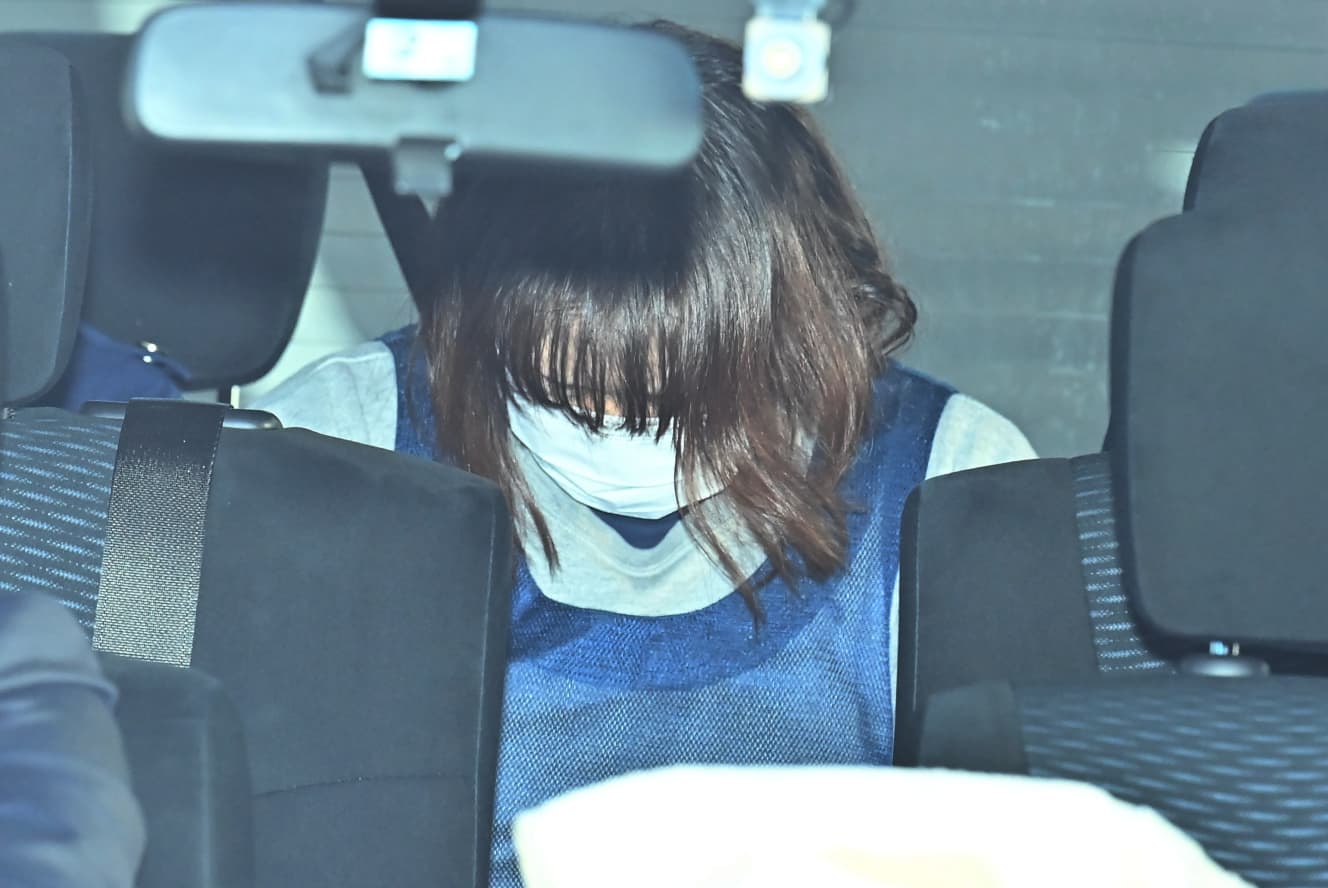
“I did not inject air. I did not commit murder,”
the defendant stated, denying the charges.
On December 10, the Mito District Court held the first trial for Megumi Akama (39), a former female staff member at a senior care facility, who is charged with murder and other offenses. According to the indictment, between May and July 2020, Akama allegedly killed two elderly men—a man in his 70s, Mr. A, and a man in his 80s, Mr. B—at a care facility in Koga City, Ibaraki Prefecture, where she was employed. She is accused of injecting air into their intravenous lines, preventing proper blood circulation.
“Akama was held in forensic detention for about three months, and it was determined that she could be held criminally responsible. She was formally indicted in April 2022. There is no direct evidence linking Akama to the killings, but the prosecution intends to rely on circumstantial evidence, citing that she struggled to adapt to work and was under stress.
On the other hand, the defense argued that the deceased men had heart conditions. Witnesses include care facility staff and medical experts, among others, and the trial is expected to last 85 days, with a total of 60 sessions planned,” said a national newspaper judicial reporter.
Since Akama’s arrest, FRIDAY Digital has repeatedly reported on this baffling case. Here, we introduce the background, including the family troubles Akama was dealing with.
Immediate voluntary resignation
“When colleagues asked her, ‘What were you doing?’ Akama stammered, unable to give a clear explanation. She left work before her shift and resigned voluntarily.”
On December 8, 2021, the Ibaraki Prefectural Police arrested Megumi Akama. She was suspected of killing Mr. A, who had been residing at the care facility, on July 6 of the previous year. Despite having no major health issues, Mr. A’s condition suddenly deteriorated, and he was pronounced dead at the hospital.
“At the time, Mr. A was lying in a four-person room bed. Akama is suspected of using an empty syringe to inject a large amount of air into the intravenous line attached to his leg. Her unusual behavior had been witnessed by colleagues.
When questioned by coworkers, perhaps realizing the seriousness, Akama immediately resigned. The facility requested an explanation, but she failed to provide a satisfactory answer, leading them to contact the police. The authorities then conducted interviews with staff and the hospital where Mr. A was transported, ultimately resulting in Akama’s arrest,” reported a national newspaper social affairs journalist.
Akama had obtained a nursing license about 15 years before the incident. She had worked as a nurse in hospitals in Saitama and Tochigi Prefectures, but at the facility where the incident occurred, she was employed as a caregiver and was not authorized to handle IV lines or syringes.
“Akama began working at the facility in spring 2020. She was reportedly cheerful and sociable, with a good reputation among acquaintances. She also made bento for her husband, whom she had married in November of the previous year, waking up early to prepare meals,” the same source added.
Two possible motives for the crime
While Akama had a good reputation, she also experienced frequent family troubles.
“At first, she lived with her husband’s parents after marriage. However, problems arose repeatedly, such as cash going missing from their wallets. Family relations deteriorated, and by summer 2021, she had separated from them,” reported another national newspaper journalist.
Akama’s arrest on murder charges was not limited to Mr. A. She was also detained by the police for allegedly killing Mr. B, another resident of the facility, in May 2020 using the same method.
What was her motive? Crime journalist and former Kanagawa Prefectural Police detective Taihei Ogawa explained:
“Akama is a licensed nurse. She must have known what the consequences would be from injecting large amounts of air. This was not a mere prank; there is a clear sense of intent to kill. Two possible motives can be considered: one is personal resentment toward the victims, and the other is strong dissatisfaction with the facility, such as pay or work conditions.
Of course, dissatisfaction is never a justification for murder. This case was committed in a nearly closed environment. Obtaining direct evidence is difficult. The prosecution will likely rely on circumstantial evidence to convince the jurors that no one else could have committed the crime.”
The trial is expected to be lengthy, with a verdict scheduled for July 7, 2026.
PHOTO: Shinji Hasuo