If Hidenaga Had Lived Myth or Fact? Exploring the Toyotomi Brothers’ Relationship


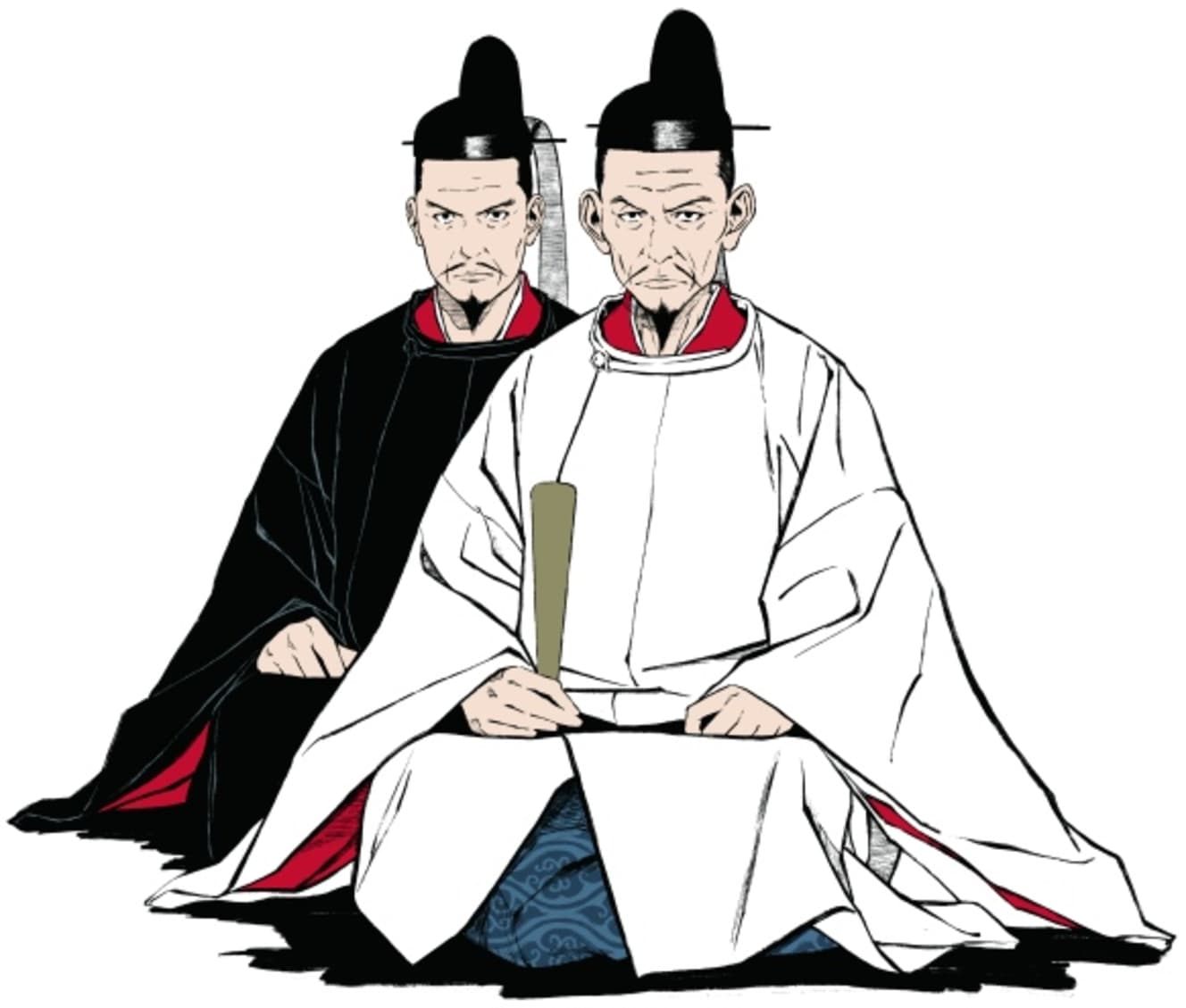
Just one of the aides
The 2026 NHK Taiga drama is titled The Toyotomi Brothers!. The story centers on Hidenaga, the younger brother of the ruler of Japan, Toyotomi Hideyoshi, who served as his aide, and depicts the brothers’ rise to power and the unification of Japan. Even in the tumultuous Sengoku era, how did Hideyoshi, born a commoner, become the ruler of the land? And what was the significance of Hidenaga’s presence alongside him? Kazuto Hongo, professor at the Historiographical Institute of the University of Tokyo and author of The Toyotomi Brothers: What Hidenaga Meant to Hideyoshi (Kawade Shinsho), analyzes: “Hideyoshi had grand visions, and Hidenaga ran tirelessly as the coordinator to realize those plans.”
“Hidenaga was an extremely capable coordinator, but he did not possess outstanding individual brilliance. After Hidenaga’s death, Ishida Mitsunari and Asano Nagamasa took on similar roles. He was simply one of Hideyoshi’s aides, not an irreplaceably exceptional talent.
When the Honnoji Incident occurred, Hideyoshi executed the ‘Chugoku Ogaeshi’—a rapid march of 20,000 soldiers from Bitchu Takamatsu Castle (Okayama) to Kyoto, covering 200 km in 10 days. Normally, in the aftermath of Oda Nobunaga’s assassination, the leading retainers would first assess the situation, as Shibata Katsuie did, gathering information and reading the flow before acting.
But Hideyoshi, perhaps seeing the path to become the ruler of Japan, decided immediate action was necessary. This uncommon boldness is precisely why he was able to defeat conventional, cautious figures like Akechi Mitsuhide and Shibata Katsuie.”
Even after Hideyoshi conceived the “Chugoku Ogaeshi,” only a small number of troops could move on horseback; most had to march on foot. Armors and weapons were transported separately, and supply stations were established at relay points, among other logistical measures.
“To realize Hideyoshi’s grand plan, it was necessary to arrange food, drinking water, and sake at each relay village ahead of time. Hidenaga likely handled this, negotiating with village leaders and purchasing provisions rather than plundering, leaving no lingering resentment.
If one later planned to incorporate that village into one’s territory, it would be unwise to leave a legacy of hatred by slaughtering villagers and seizing their food. Instead, they paid for provisions or negotiated, saying, ‘If we become the lords, we’ll reduce next year’s taxes,’ and proceeded. They didn’t simply rush to Kyoto; they acted with later governance in mind.”
Desk work over spear work
The skills Hideyoshi valued in his retainers were less about fighting on the battlefield with spears and more about desk work—securing provisions, arranging weapons and ammunition, and managing logistics. Even Tokugawa Ieyasu mainly evaluated retainers based on battlefield accomplishments. Hideyoshi, however, recognized and promoted those who achieved results through desk work, even if they did not distinguish themselves in combat. His criteria for evaluating talent differed from those of other Sengoku lords.
“Being born a commoner, he had the mindset that war is about eating. He understood deeply the difficulty of securing food and that people can only fight effectively when they are well-fed. This was a key difference from the sons of daimyos. He planned battles carefully, ensuring provisions were arranged in advance, knowing that logistics could determine victory or defeat.”
Moreover, being a blood relative did not automatically guarantee full trust. In the medieval samurai world, a younger brother’s position was both as a supporter and as a potential threat to the elder brother. If a younger brother was too capable, it could trigger internal family conflicts. Countless historical figures—such as Minamoto no Yoritomo, Ashikaga Takauji, Oda Nobunaga, and Date Masamune—eliminated their own brothers to consolidate power.
“Hidenaga was wise and firmly resolved not to challenge his brother’s authority. Throughout his life, he never objected to Hideyoshi. By understanding his place and not threatening his brother’s authority, he earned Hideyoshi’s trust and rose to become the second-in-command of the Toyotomi regime. Their relationship was purely that of an autocratic ruler and a competent retainer—not sentimental because of blood, but based on Hidenaga being capable and reliable.”
Hideyoshi also had a ruthless side. His nephew Hidetsugu was initially treated as heir and even granted the position of Kampaku, but once Hideyori was born, Hidetsugu was accused of treason and ordered to commit seppuku.
Even Hidenaga could not stop the Korean invasions
“Although the allegations of treason may have been fabricated, in the samurai world, men took responsibility. Regardless of age, those who inherited a household—or were next in line—were subject to punishment. However, Hideyoshi massacred even innocent wives, concubines, and young girls, without any rites for the dead. In the samurai code, killing Hidetsugu or male heirs could be understood, but slaughtering wives, concubines, and girls was not. This ruthless and inhumane cruelty reveals Hideyoshi’s true nature, which Hidenaga understood. Perhaps that is why he never opposed his brother throughout his life.”
Hidenaga continued to support Hideyoshi as a key diplomat with the tozama daimyo (outside lords), but he died young in 1591 at the age of 50. The common perception is that with Hidenaga gone, the Toyotomi regime lost its balance, eventually leading to the collapse of campaigns like the Korean invasions.
“That perception itself is flawed. The Korean invasions were indeed a setback for the Toyotomi regime, but could a single retainer, even Hidenaga, have stopped them? No. Hidenaga was a coordinator and assistant, not the structural backbone of the regime. Had he opposed the campaign, he likely would have been killed, even as Hideyoshi’s own brother. Hideyoshi was a cruel autocrat who did not hesitate to kill his own siblings.
The NHK Taiga drama will likely portray the success story of the Toyotomi brothers—Hideyoshi rising from a peasant to ruler, with Hidenaga supporting him—but it cannot show Hideyoshi’s ruthless side. Hidenaga, knowing his brother’s danger, skillfully survived without threatening his authority. That is a historical fact. Of course, since the drama is fiction, viewers can enjoy it without taking it too seriously.”
What kind of person was Toyotomi Hideyoshi really, and what was the role of his brother Hidenaga? Reading The Toyotomi Brothers allows one to enjoy history alongside the NHK Taiga drama.
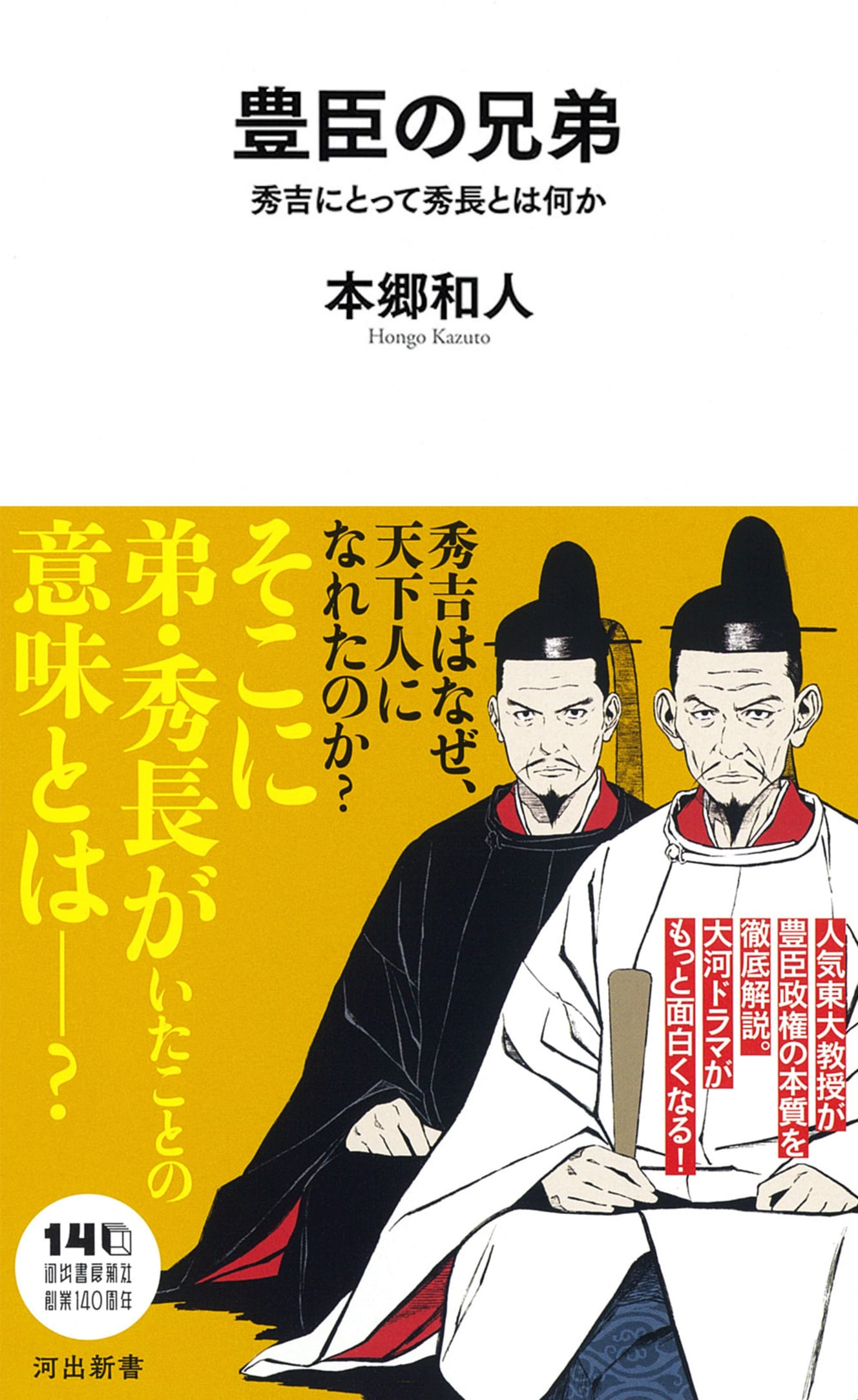
The Toyotomi Brothers: What Hidenaga Meant to Hideyoshi (Kazuto Hongo, Kawade Shinsho)
Interview and text by: Daisuke Iwasaki Illustration by: Hisao Omae