Elite Academic Accused of Accepting Donation Bribes—Who Will Be Hit Next?


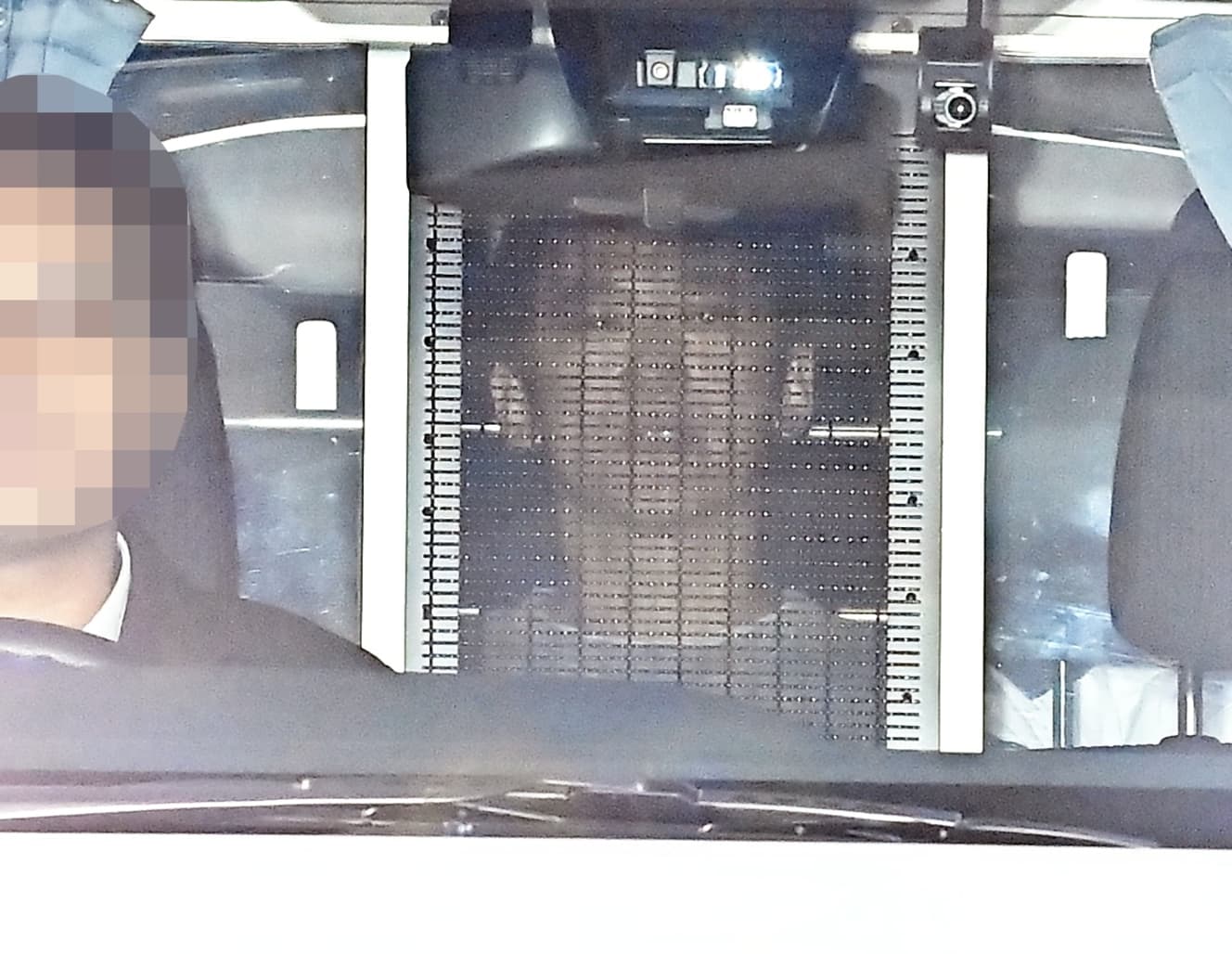
Elite University of Tokyo Hospital doctor arrested
On the morning of November 21 at around 8:30 a.m., a man was transported from the Chuo Police Station of the Metropolitan Police Department in a police escort vehicle. The slender-faced man, seated in the center of the rear seat behind wire mesh and an acrylic partition, stared straight ahead, seemingly muttering to himself.
The Metropolitan Police Department’s Second Investigation Division had arrested Takehiro Matsubara (53), a doctor at the University of Tokyo Hospital, on November 19 on suspicion of accepting bribes. Matsubara is suspected of receiving about 700,000 yen under the guise of “donations” in return for giving priority to medical devices from the manufacturer Nippon MDM (hereafter MDM) for use at the hospital. Takayuki Suzuki (41), the former Tokyo Second Sales Office manager of MDM, was also arrested on suspicion of offering bribes.
“A registration system governs which medical devices can be used at the University of Tokyo Hospital. Matsubara had the authority to decide which devices to register with the hospital committee. The charges involve him allegedly facilitating the use of MDM’s femoral implants in September 2021 and January 2023. In return, MDM donated a total of 800,000 yen as scholarship contributions, of which about 700,000 yen was received by Matsubara as bribes.
Matsubara used the received money to purchase computers, tablets, wireless earphones, and other items, which he gave to relatives. He also accepted two rounds of meals worth about 220,000 yen at a yakiniku restaurant from MDM, together with other doctors.
While serving as an associate professor at the University of Tokyo Faculty of Medicine, Matsubara was affiliated with the hospital’s emergency and intensive care department. In addition, he served as ‘Trauma Chief’ in orthopedic and spinal surgery, performing operations on fracture patients. In October last year, he was part of the surgical team that treated Empress Emerita Michiko after she fell and fractured her right upper femur at the Imperial Palace,” explained a reporter from a national newspaper’s social affairs desk.
The case came to light following a bribery investigation in which MDM employees were arrested and prosecuted for handing cash to two doctors at a municipal hospital in Saku City, Nagano Prefecture, between June and July. During the course of that investigation, Matsubara’s name surfaced.
Companies move toward abolishing donations
“The Second Investigation Division focused on the scholarship contributions MDM had been transferring to the University of Tokyo. These contributions are intended to support emerging academic fields or research grants, with documents submitted to the university specifying the exact use. At the University of Tokyo, 85% of such donations—after the university and hospital take their share—can be allocated to a designated individual doctor for research purposes. It appears Matsubara instructed Suzuki and others on how to fill out these documents submitted to the university.
The Metropolitan Police highlighted that part of these scholarship contributions had been used to purchase items unrelated to research. It seems MDM’s intent in making the donations was to have their products used, prompting authorities to pursue charges,” explained the same source.
Matsubara is believed to have received about 3 million yen of the 3.5 million yen in scholarship contributions transferred ten times between 2016 and 2023 by five companies, including MDM.
Scholarship contributions from companies to universities differ from commissioned research contracts, which have strictly defined uses. While considered official funds, there have been past cases where such contributions were treated as bribes. A journalist familiar with medical affairs noted:
“In 2021, a professor at Mie University Hospital was arrested and prosecuted after a pharmaceutical company employee deposited 2 million yen in scholarship contributions into the university’s account in exchange for increasing drug usage. That case, in which scholarship contributions were considered bribes, shocked the industry. Since then, pharmaceutical companies have gradually abolished scholarship contributions. However, the medical device industry has lagged behind, contributing to this recent incident. Going forward, more manufacturers may discontinue scholarship contributions.
At the same time, national universities are seeing a decline in government-provided operating grants, and the proportion of research funding they must obtain externally continues to rise. Eliminating scholarship contributions could leave some national universities in an even more difficult financial situation.”
Because of the greed of a few individuals, the majority of honest researchers are the ones who suffer.
“FRIDAY Digital” welcomes tips and information from readers. Please submit via the information form below or contact the official X account.
Information form: https://friday.kodansha.co.jp/tips
Official X: https://x.com/FRIDAY_twit



PHOTO: Shinji Hasuo