Is Shibuya Yokocho Just for Tourists? Locals and Visitors Share Their Thoughts


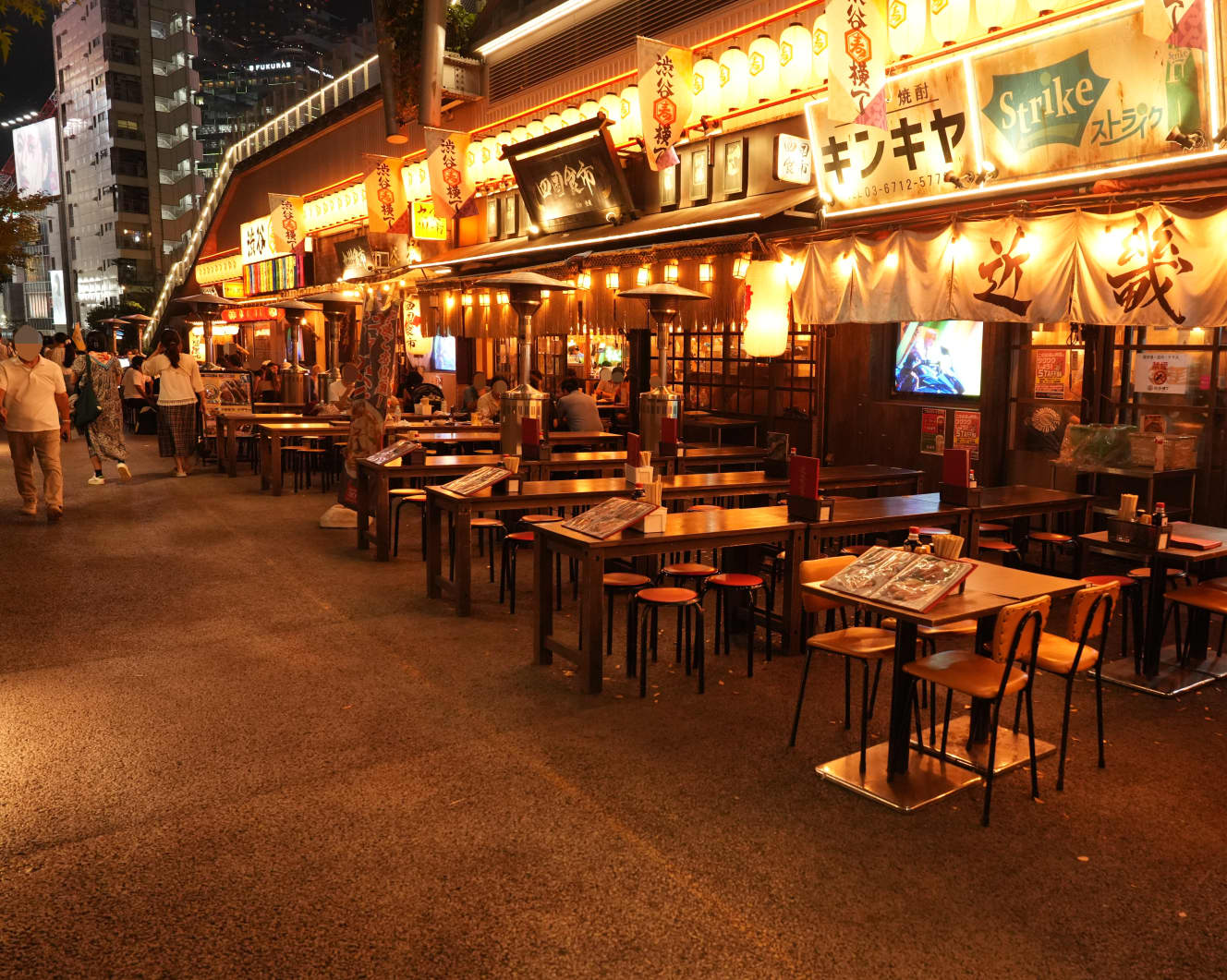
No one’s at Shibuya Yokocho!?
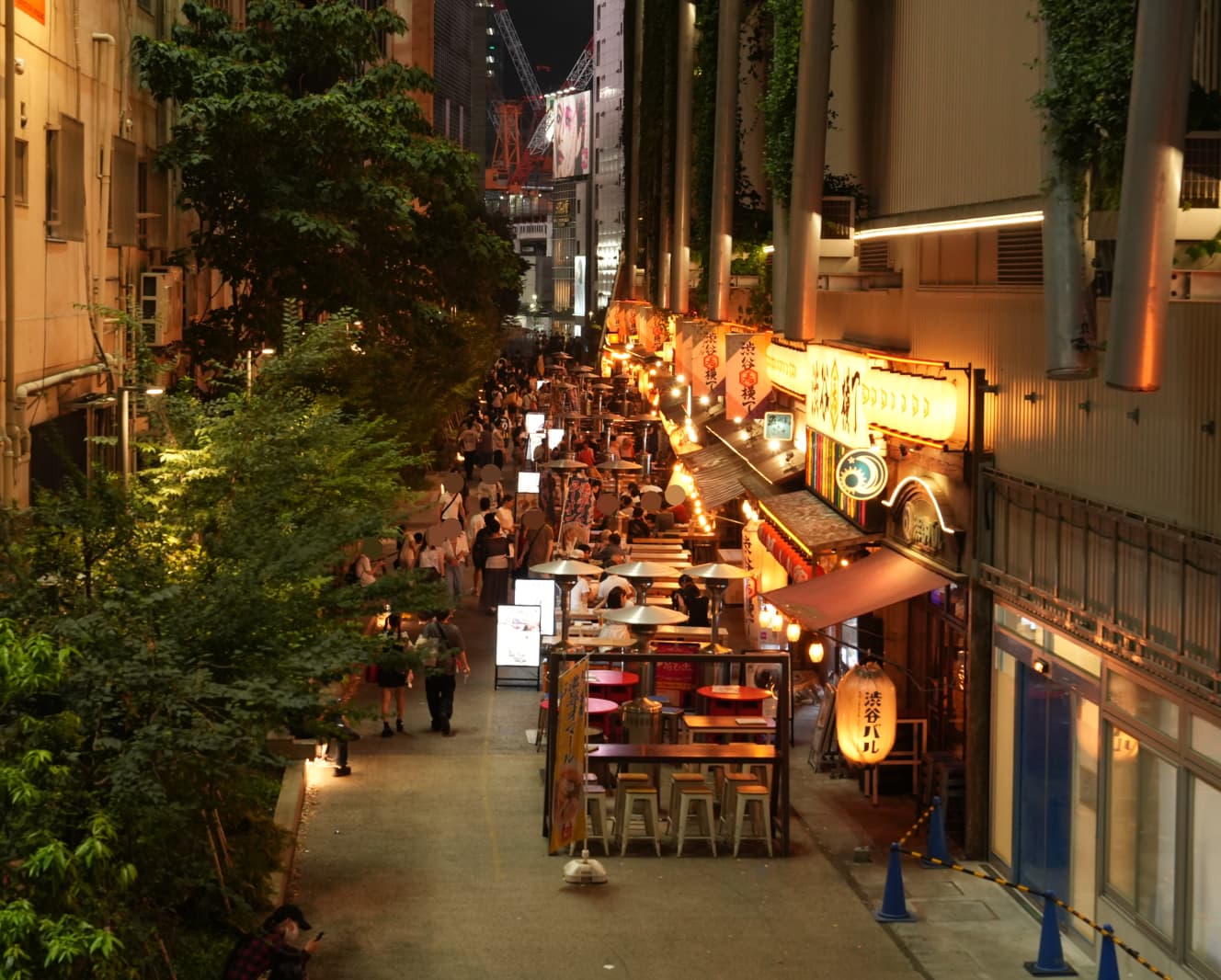
MIYASHITA PARK, built on the site of the former Miyashita Park in Shibuya, Tokyo, is a 330-meter-long mixed-use commercial complex. Since its opening in 2020, it has drawn many visitors and become a new tourist spot in Shibuya. However, Shibuya Yokocho, which opened on the same day within the facility, has reportedly seen a decline in popularity recently.
Online criticism includes comments such as: “Nearly 90% of the customers are inbound tourists”, “The food is overpriced and portions are small”, “The retro aesthetic feels cheap and artificial”
To see what’s really happening, we visited the facility and spoke with patrons.
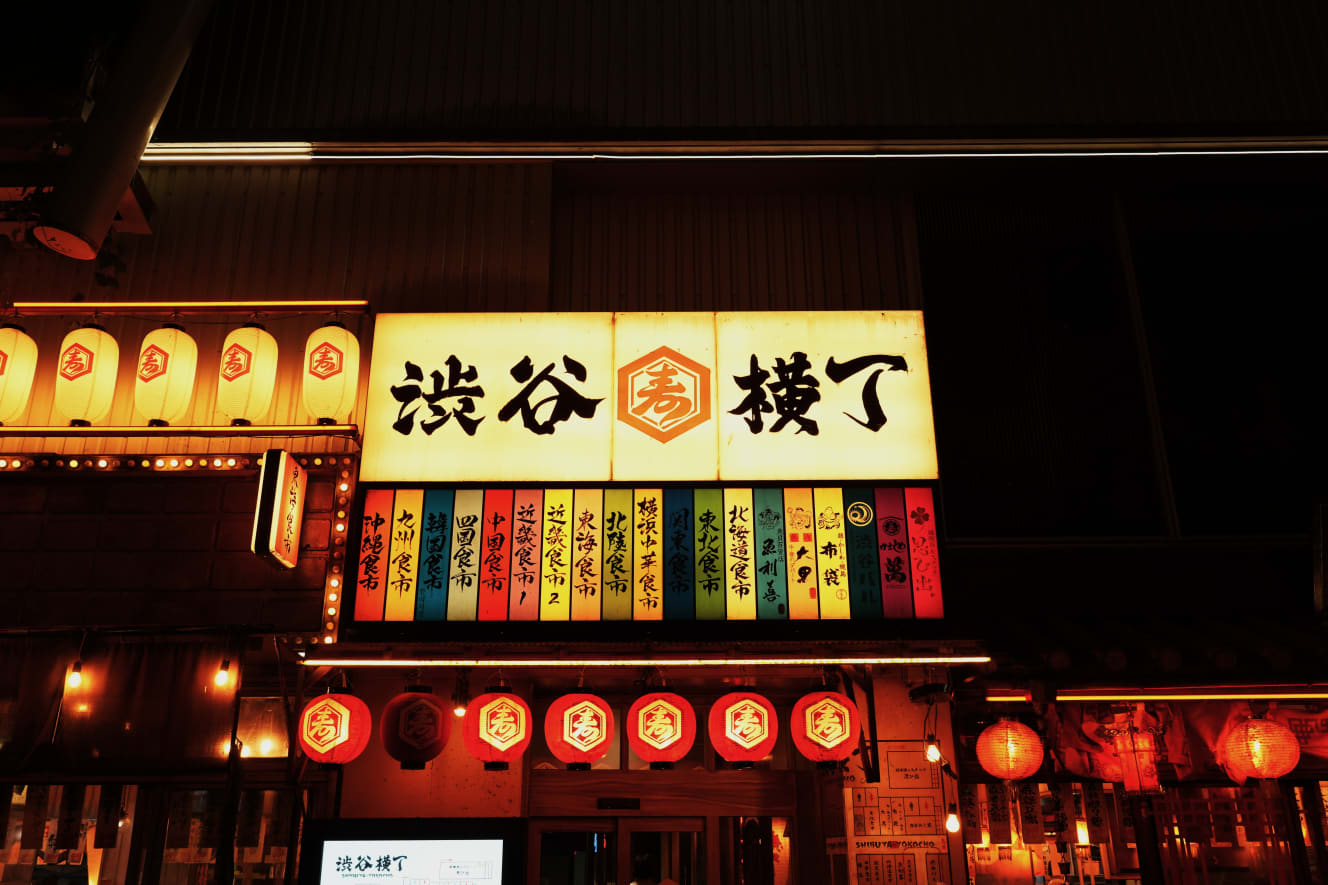
Shibuya Yokocho, planned and operated by Hamakura-tekishoten Seisakusho Co., Ltd., spans 100 meters with a total floor area of 1,000㎡, hosting 19 shops and 1,500 seats. The company is also known for Shinjuku Kabuki Hall in Tokyu Kabukicho Tower. The facility recreates a nostalgic “yokocho” atmosphere, offering cuisine from across Japan and entertainment including DJ performances and table magic shows. It won the 2020 Foodservice Award from the Japan Foodservice Journal.
At its opening, it attracted many young visitors despite the COVID-19 pandemic. A nearby 30-year-old office worker recalled:
“I once stopped by after work. Even though COVID risks in restaurants were widely discussed, a lot of young people were enjoying themselves without masks. I think there was high anticipation for Shibuya’s redevelopment at the time.”
Today, however, Shibuya Yokocho is mostly visited by foreign tourists, with very few Japanese customers. One staff member estimated that 70% of visitors are foreigners.
“Even on weekends, there are more foreign visitors than Japanese. Of course, the increase in inbound tourism means more foreigners are coming to Shibuya, but locals usually prefer their regular spots,” explained the employee.
While foreign visitors are positive, Japanese customers are less enthusiastic
While foreign visitors are positive, Japanese customers are less enthusiastic.
When speaking with foreign patrons, the feedback was largely favorable. An American family enjoying a meal on the terrace said, “Our children are delighted with how delicious the Japanese food is.” One of the great things about Japan is that it’s safe, so we can go out for dinner at night with the family. And unlike in the U.S., everything tastes good. Our kids are especially impressed—they’ve fallen in love with okonomiyaki and other uniquely Japanese dishes. We’re having a wonderful time, said the mother of the family. Many also praised the dishes themselves, commenting that they were delicious and varied, so enjoyable.
On the other hand, a group of Japanese men in their 20s, chatting over beers, said they chose Shibuya Yokocho mainly by default: “We couldn’t get into other restaurants, but here at Miyashita we’re guaranteed a spot.” “I often eat around Shibuya, but some restaurants are so popular that you can’t get in. Shibuya Yokocho is always open, so we come here to pass the time waiting for other restaurants or just to sit and relax. We come because it’s empty,” explained one Japanese customer.
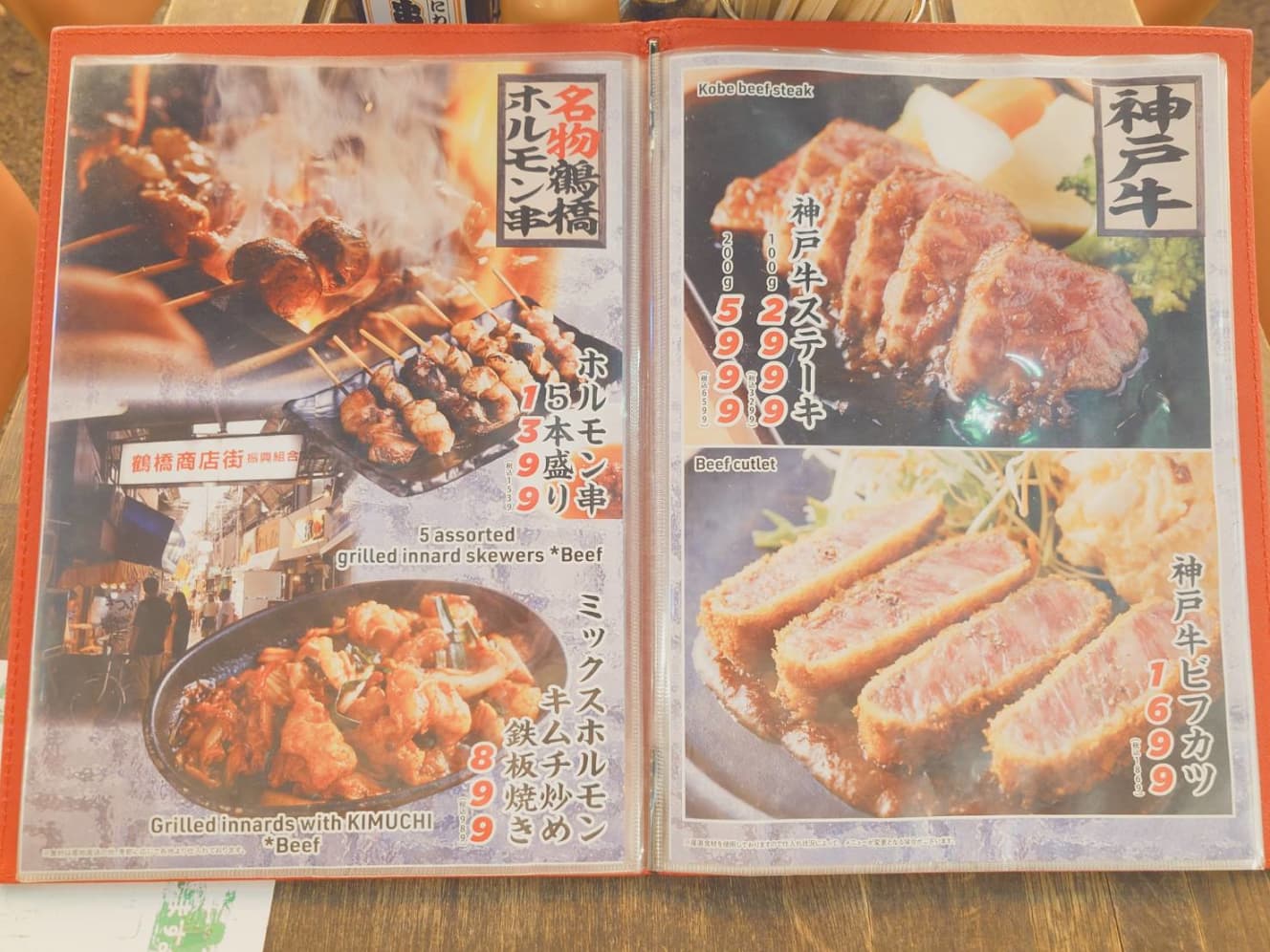
Price may also be a factor keeping Japanese visitors away, as the menu seems aimed at inbound tourists. Dishes like 100g Kobe beef steak for ¥2,999 or beef tongue for ¥2,999 appear prominently, giving an impression of being expensive and targeted at foreign visitors. “Even though it’s expensive, nothing really stands out. They claim to offer gourmet foods from all over Japan, but if that’s the case, I’d rather go to a local izakaya specializing in that region’s cuisine. We just want to drink with friends normally, so the entertainment elements feel overwhelming,” the same customer said.
Other comments included that once is enough, it feels alienating because it’s mostly foreigners, it’s noisy and hard to enjoy, and it’s a place for young people, so they don’t really go there. Overall, it seems Shibuya Yokocho is less favored as a place for regular drinking gatherings among Japanese patrons.
Even some foreigners give harsh reviews
Also, some foreign customers expressed blunt opinions. A man in his 30s who came to Japan from the U.S. with friends said it was different from the image of Japan he had expected.
“This is my third time visiting Japan. I watched beautiful Japanese streets on YouTube and started researching about Japan. This place feels like the Japan imagined by foreigners in foreign movies, not real at all,” said the American tourist.
Even with these negative opinions, why do they come to Shibuya Yokocho?
“I’m not here for gourmet food, so I don’t care much about the meals. On this trip, I want to focus on sightseeing rather than food, so I came here for now. I could have gone to a convenience store, but this place was empty, so I’m having a meal here,” he added.
Also, a Chinese man in his 40s visiting in a group was critical of the prices.
“The other places were cheaper. All the food served at Japanese izakayas is delicious and varied. So I’d rather eat somewhere cheap. Japan is attractive because it has lots of cheap and tasty food, so it’s disappointing that the prices are high.”
It’s possible that Shibuya Yokocho doesn’t align with the needs of foreign tourists who want to “experience authentic Japanese culture” or “enjoy food at reasonable prices.”
Facilities like Shibuya Yokocho, which incorporate entertainment elements to appeal to inbound tourists, are generally well-received by foreigners. However, many Japanese people said they would not return due to high prices relative to value, quality of customer service, or food quality. While it might be easiest to accept it as a facility intended for inbound tourists, there remains a sense of unease for some.


Interview, text, and photos: Blank Green