Ramen for 1,000 Yen? The Social Media Critics Who Haven’t Got the Memo


Is the ¥1,000 barrier disappearing?
For a long time, a ¥1,000 barrier existed in the restaurant industry. During lunchtime, if a meal cost more than ¥1,000 and change wasn’t given, customers felt it was expensive, and it deterred them from visiting. Ramen, traditionally considered a casual meal, was said to struggle to surpass this threshold. In June of this year, a survey by the gourmet site Gurunavi found that 90% of respondents considered the appropriate price for ramen to be under ¥1,000.
In the early 2000s, deflation was severe: beef bowls cost ¥280, and McDonald’s hamburgers were ¥65. Perhaps these prices have left a lasting impression on middle-aged and older consumers. Japan has also seen the growth of chain restaurants compared to other countries, with fierce competition that has made cheap and tasty the norm.
However, the costs of ingredients, labor, utilities, and rent have all risen. With a weaker yen, the number of inbound foreign tourists has increased. Many popular shops listed in the Michelin Guide Tokyo’s Bib Gourmand now charge over ¥1,000 even for a basic bowl of ramen.
As the “¥1,000 barrier” begins to disappear, ramen writer Taichō Ide (44), who has sampled ramen all over Japan and authored “What is the Correct Price for a Bowl of Ramen?” (Hayakawa Shinsho), shares his perspective.
While soba and sushi have become tri-polarized, ramen is evolving differently
“When a lunch exceeds ¥1,000, diners tend to feel it’s somewhat expensive, and on the other side, restaurants worry that raising prices will drive customers away. For over 30 years, this mutual concern prevented significant price increases. However, ramen has developed its own trajectory: shops now charge nearly ¥2,000 per bowl, sell paid reservation tickets, or operate as completely reservation-only with undisclosed addresses—many no longer pay attention to the ¥1,000 barrier.”
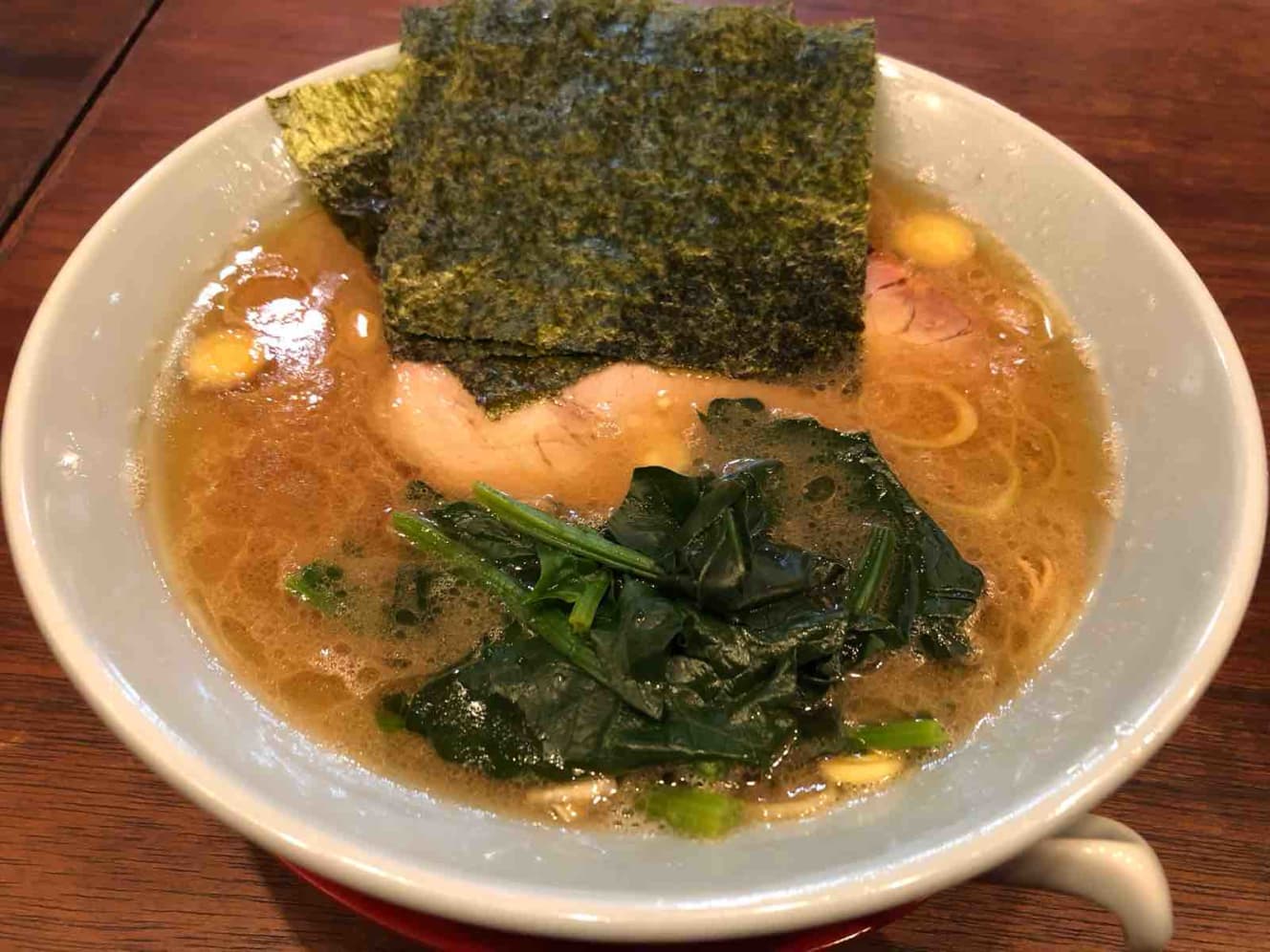
For example, Iida Shoten in Yugawara, Kanagawa, charges ¥1,800 for a bowl of ramen. Yet, Ide says he does not consider it expensive. Beyond the obvious quality of the food, the shop is impeccably clean and offers outstanding service.
Iida Shoten does not serve three bowls simultaneously to a family with a small child. From an efficiency standpoint, serving them all at once would make sense, and parents wouldn’t complain. But they stagger the servings: the parent lets the child eat first before starting on their own bowl. If all bowls were served together, the noodles would overcook and the soup would cool while the parent helps the child. The shop aims to serve the meal fresh and at its best, putting itself in the customer’s shoes. Shops like this retain customers even when raising prices.
With soba, there are inexpensive standing soba shops, neighborhood soba restaurants, and high-end soba establishments. Sushi follows a similar pattern: conveyor-belt sushi chains, local sushi shops, and premium sushi restaurants. Each has its own appeal, and diners naturally choose according to their purpose and budget.
“Soba and sushi have this tri-polarization, and diners accept each style naturally. But with ramen, there is still a sense that it should remain a casual food. When I write about high-priced ramen, social media is flooded with comments like, ‘Too expensive! I’d go to Hidaka-ya five times instead,’ which is disrespectful to both sides. Would those same people comment ‘I’d go to Saizeriya five times instead’ on an article reviewing a famous Italian restaurant?”
Even cutting-edge ramen shops are not properly recognized
Like traditional neighborhood Chinese restaurants, it is possible to make soup from low-cost ingredients such as chicken or pork bones and vegetable scraps. However, even if the ingredient cost for a bowl of ramen is kept low, hours of gas are used to simmer the soup, and there is also the value of the chef’s daily dedication in perfecting its flavor. These invisible costs are reflected in every bowl.
Former Japan national soccer team player Keisuke Honda (39) caused a stir in January 2023 when he posted on X:
“Ramen shops. That delicious ramen for ¥730 is too cheap. They should raise the price a bit. Actually, many industries should raise prices. Prices have become too polarized—either too high or too low. Next time I eat ramen, I will pay ¥2,000. Absolutely.”
“From the Heisei to the Reiwa era, ramen has evolved dramatically, with new styles appearing almost every year for the past 20 years. The Michelin Guide added a ramen category in 2014, and more shops are now focusing on quality ingredients and preparation. Some ramen today rivals high-end Japanese, French, and Italian cuisine. Yet the old image of ramen as cheap, casual food persists, and cutting-edge ramen shops are often lumped together without proper recognition.”
With the tri-polarization of ramen, shops can be categorized as cheap chains, casual neighborhood ramen, and premium innovative shops. Among these, the most vulnerable are mid-range shops without deep capital, which must work hard to attract customers. Can they survive in an era of inflation?
“Ramen shops have the advantage of opening in locations other restaurants might avoid. Rent is cheaper farther from the station, reducing setup costs. Even if only 20–30% of 100 customers become loyal fans, the shop can thrive.
However, unlike typical restaurants, ramen shops cannot rely on high-margin alcohol sales. They must survive on ramen alone, covering costs for ingredients, labor, and rent.
For example, ‘Chuka Soba Hirai,’ which opened in Fuchu in 2021, is 1.5 km from the nearest station, yet it became successful. In February 2024, the owner announced plans to expand overseas to the Netherlands. Interesting, evolving shops like this continue to emerge every day.”
Ramen, along with sushi, is becoming a world-renowned Japanese cuisine. Whether it’s a chain ramen under ¥500 with change, a casual everyday bowl, or a premium ramen for special occasions, diners can enjoy ramen according to the occasion and preference.



Interview, text, and photos by Captain Ide: Daisuke Iwasaki