Ongoing Japan–China Standoff Raises Concerns Over Potential Worst-Case Scenarios
The "January Dissolution" is becoming more and more realistic.


Rapidly deteriorating Japan–China relations
“I regret it.”
The G20 Summit, which concluded on November 23, saw Prime Minister Sanae Takaichi (64) frequently flashing smiles, including during a passionate hug with Italy’s Prime Minister Giorgia Meloni (48).
However, those smiles may have been masking anxiety. The opening line above was written in an email Takaichi sent around that time to a Liberal Democratic Party official.
“The regret of course refers to her remarks about a potential survival-threatening situation regarding a Taiwan contingency. People around her have been offering various strategies on how to respond, but when it comes to China, Takaichi becomes stubborn. It’s like some strange switch flips in her.” (Veteran LDP staff member)
Japan–China relations have rapidly chilled following Takaichi’s statement at the November 7 House of Representatives Budget Committee, where she said that a Taiwan emergency could become a situation threatening Japan’s survival, allowing the exercise of collective self-defense. The next day, November 8, Xue Jian (57), Consul General of China in Osaka, posted on his social media:
“That filthy neck that recklessly stuck itself in—I’ll sever it without a moment’s hesitation.”
China then announced a travel advisory discouraging trips to Japan, as well as a ban on Japanese seafood imports.
Journalist Kota Takaguchi, who had been reporting in China until November 19, explains:
“There are countless online posts saying things like ‘Sanae Takaichi is an idiot’ and ‘Why is Japan trying to start a fight it can’t possibly win?’ I even heard about people canceling trips to Japan because their company supervisors told them to.
The reason China is reacting so strongly is simple: President Xi Jinping (72) is furious. He had already expressed strong concern about Japan shifting further to the right under the new Takaichi administration. Since Takaichi is refusing to retract her statement, it’s highly likely that Chinese sanctions will expand into multiple areas.”
The gap continues to widen with no strategy in sight
At the G20, much attention was focused on whether Prime Minister Takaichi would have any contact with Chinese Premier Li Qiang (66), but no dialogue took place. International journalist Toshihiro Yamada analyzes that a prolonged Japan–China Cold War may be emerging.
“On November 24, China announced it would refuse to participate in the Japan–China–South Korea leaders’ summit. The next international conference where the two leaders are scheduled to meet won’t be until the APEC summit in Guangdong, China, next November. China’s countermeasures are likely to continue until then.
Inside China, a public sentiment of patriots should not go to Japan is forming. Even during the peak travel season of next year’s Lunar New Year, a slowdown is expected. According to estimates from the Nomura Research Institute, the impact on the Japanese economy over the coming year could reach 1.79 trillion yen.”
Takaichi’s own verbal misstep has now become an international issue. She must take swift action, but the fragility of her administration weighs heavily.
“There is no strong right-hand man like Moriyama Hiroshi (80), who served as Secretary-General under the Ishiba administration and had a pipeline to China and the ability to negotiate. Cutting ties with Komeito—which has deep knowledge of China—also backfired. Inside the party, the mood is one of we have no moves left, with everyone watching and waiting,” says journalist Tetsuo Suzuki.
While Japan hesitates, China’s stance keeps hardening. Foreign Minister Wang Yi (72) suggested strengthening countermeasures, stating that Japan had crossed a red line. The worst-case scenario for Japan is becoming a reality.
“If China, which controls 90% of the world’s rare earth supply, bans exports, Japan’s semiconductor and advanced technology industries will take a devastating hit. It’s also possible that Japanese citizens could be detained in China. Back in 2010, when a collision occurred between a Chinese fishing boat and a Japan Coast Guard patrol vessel near the Senkaku Islands, four employees of the construction firm Fujita were detained just for recording video,” Yamada explains.
Along with trade sanctions, the danger of physical harm is increasing.
Within the LDP, the idea of dissolving the House of Representatives in January—while approval ratings are still high—has long been whispered. The proposal was said to come from Takaya Imai, former aide to Shinzo Abe, with Vice President Tarō Asō (85) also supporting it. However, this international crisis has affected election strategy as well.
“Takaichi may be popular, but the LDP’s party support rate isn’t rising. In the October 26 Miyagi gubernatorial election, the LDP-backed incumbent won, but only narrowly. In the November 9 Katsushika Ward Assembly election, 7 out of 17 LDP candidates lost. Public distrust from the politics and money scandals remains unresolved, and if economic deterioration from the conflict with China is added on top, party approval will stagnate even more. Even if they dissolve the Lower House, gaining seats will be difficult,” Suzuki says.
Only one month after its launch, the Takaichi administration is already facing a critical test.
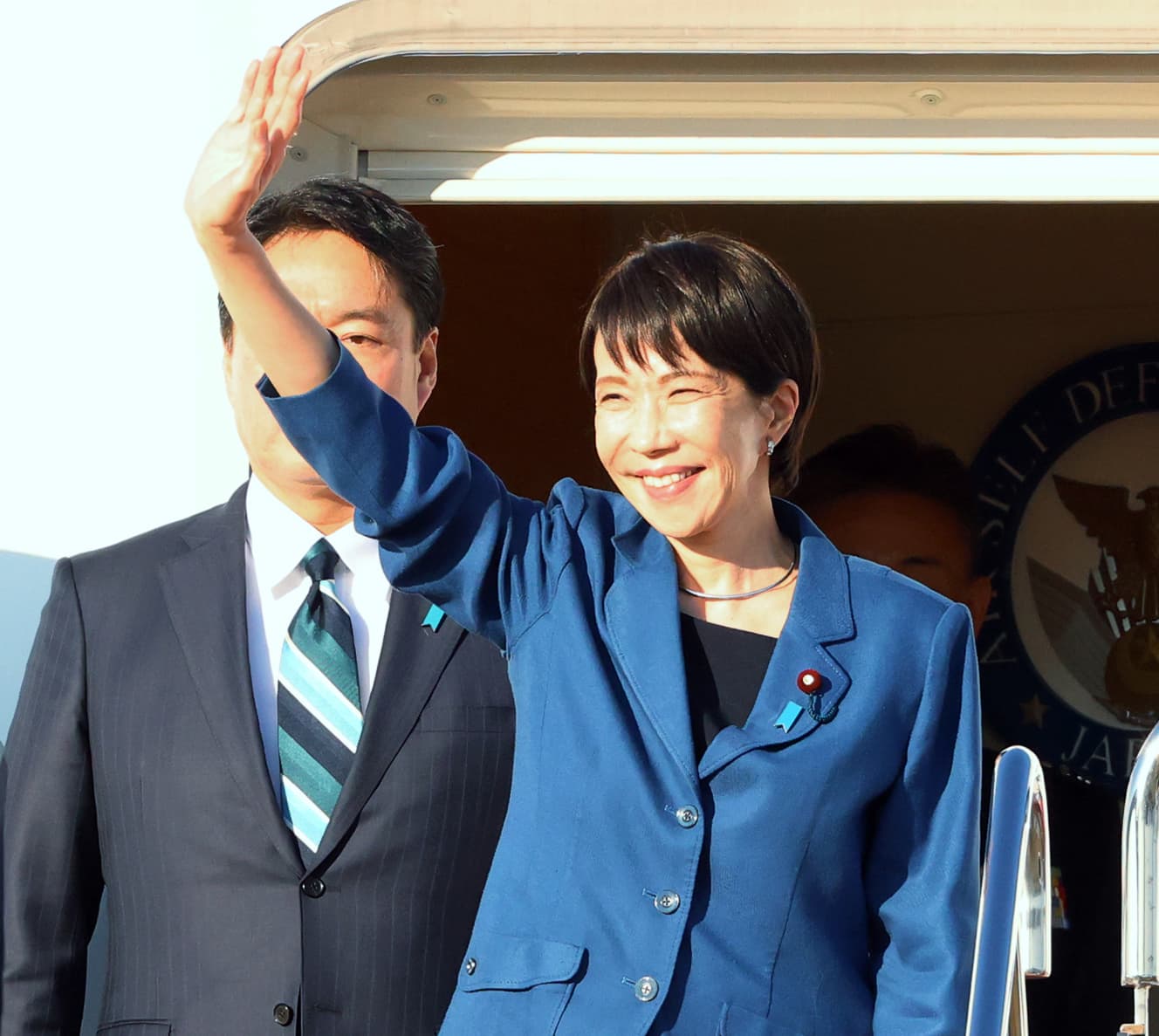
From the December 12, 2025 issue of “FRIDAY”
PHOTO: AFRO