Street Solicitation Declines on Osaka’s American Street Due to Unique Local Factors


Streetwalkers are decreasing in Osaka
On November 26, three women aged 24 to 37 were arrested in the hotel district of Taiyūji-chō in Osaka’s Kita Ward on suspicion of violating the Anti-Prostitution Law for soliciting customers for prostitution.
The prostitution problem is not limited to Ōkubo Park in Shinjuku. There are areas in Osaka where streetwalkers wait for customers, and prostitution takes place. One such area is the Toganochō district in Osaka’s Kita Ward. In an alley just a few minutes’ walk from Umeda Station—an area also known as “American-dōri”—streetwalkers regularly stood waiting for clients. The women arrested this time were also from this “Toganochō” area.
However, the number of streetwalkers on American-dōri had significantly decreased recently. We investigated what was happening among Osaka’s streetwalking community.
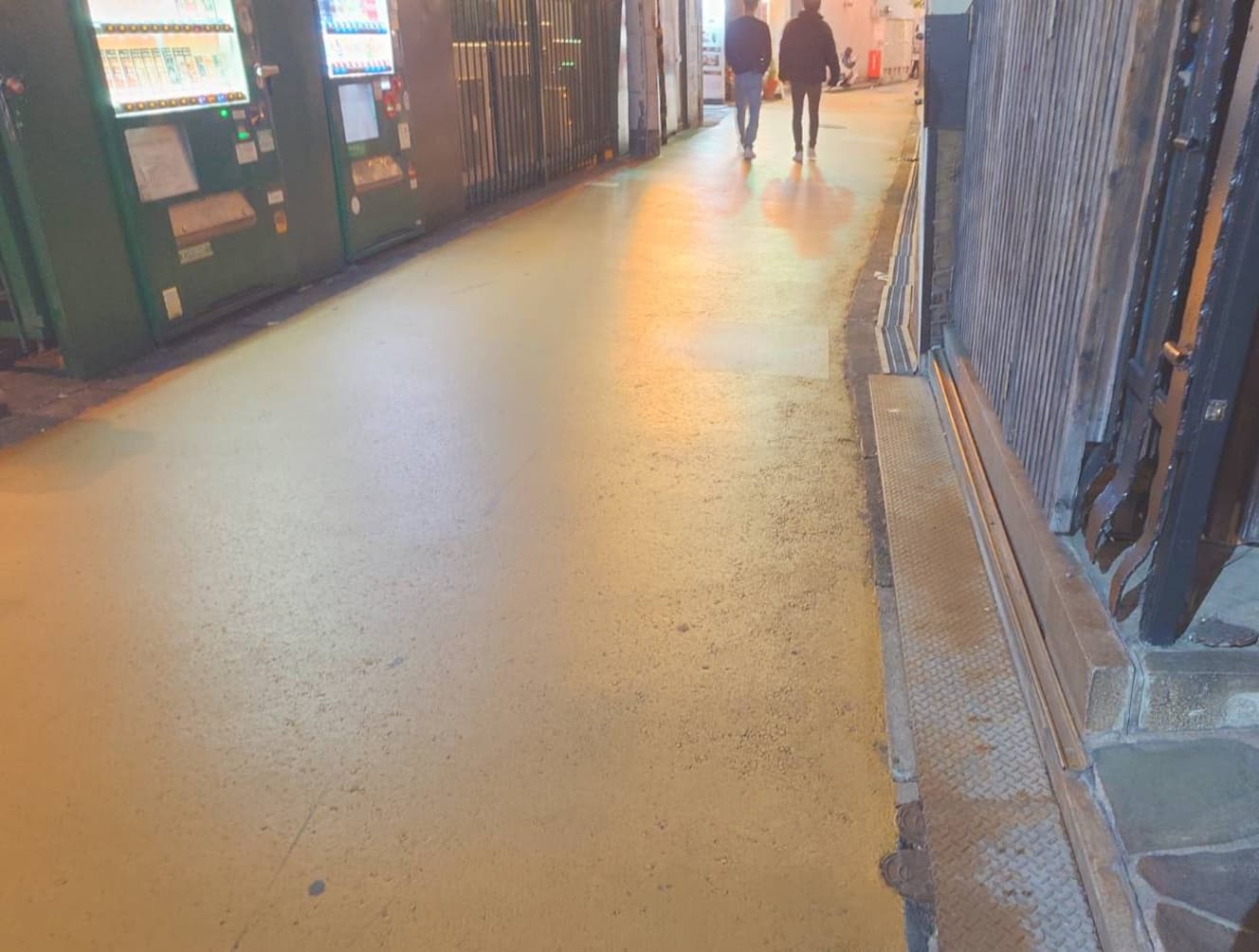
In December of last year, American-dōri underwent a crime-prevention measure aimed at women soliciting customers for prostitution: the street surface was painted yellow to brighten the area. The 100-meter stretch of the city road painted yellow became known as the “Yellow Road,” and based on behavioral economics, it was believed to make people less likely to linger. In fact, it was announced that the number of streetwalkers decreased by 90% within three months, indicating the measure had an effect.
However, from around May and June, the number of streetwalking women began to increase again. On July 29, five women aged 19 to 23 were arrested for violating the Anti-Prostitution Law, marking the first large-scale crackdown since the Yellow Road was completed.
I visited this location around January 2024. At that time, there were 10 to 15 women sitting on the street waiting for customers, and men watching them from nearby. But when I visited again in November, I did not see any women who appeared to be streetwalkers.
A man who works near Umeda said that although the number of streetwalkers has greatly decreased since the Yellow Road was completed, public safety remains poor.
“My workplace is nearby, so I pass through here every day. Compared to their peak, the number of streetwalkers has certainly decreased—now you might see one or two at most. Before, once the sun set, women would line up at regular intervals, and men would wander around watching them. It was a strange scene. Since the Yellow Road was created, the number of streetwalkers has fallen, but there are still men roaming around looking to buy sex, so ordinary people avoid the area.”
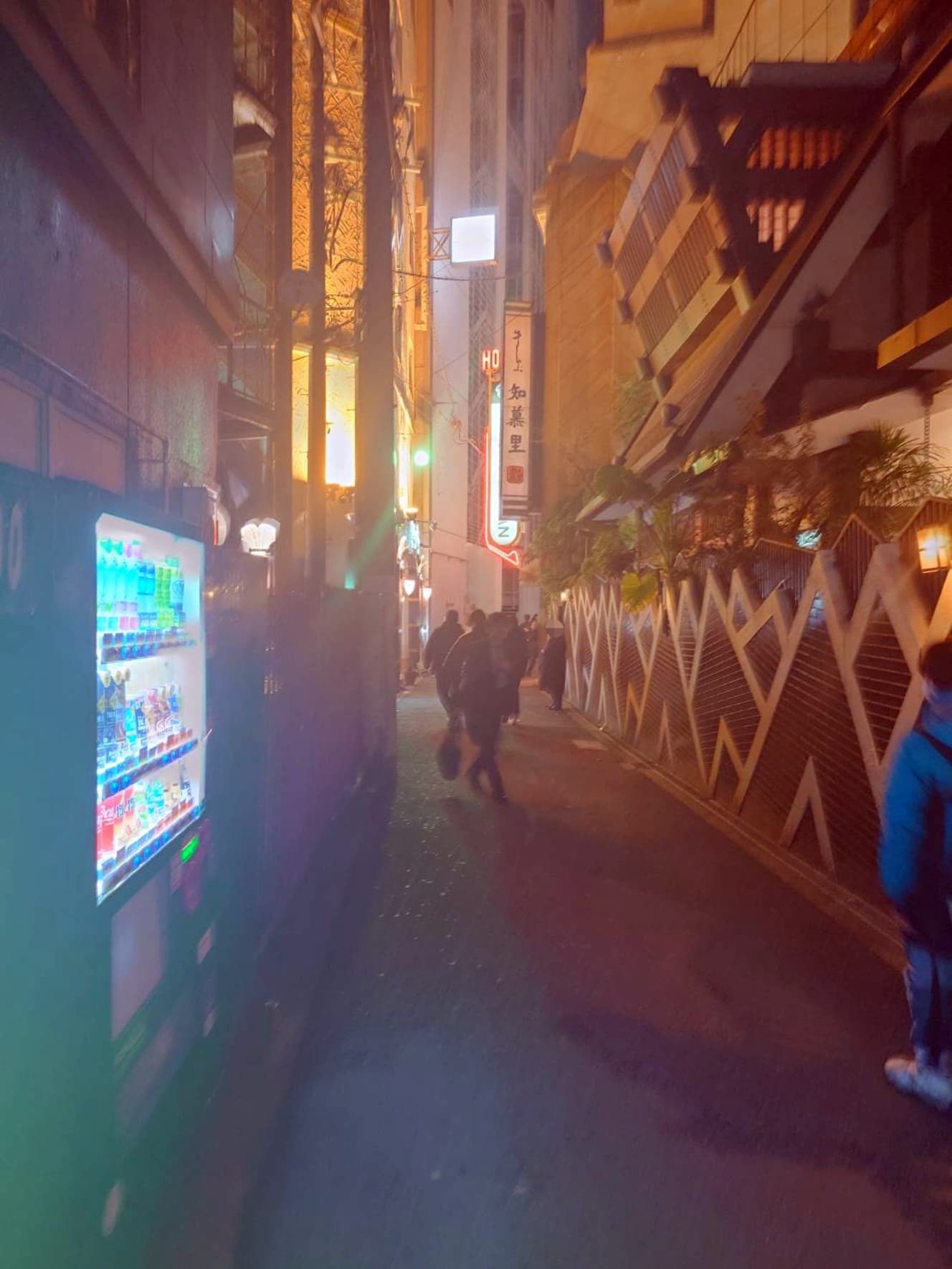
Around the Yellow Road are numerous love hotels, girls’ bars, cabarets, and Chinese massage parlors. For people not seeking adult services, it remains an area that is difficult to approach.
Women who moved to inbound-focused sex businesses
I was able to speak with a woman who used to solicit customers around the Yellow Road. According to her, streetwalking is high-risk and not worth it, and she has since found a different line of work.
“In June, the Entertainment Business Law was revised, and it caused a stir in Osaka too. Prostitution brings in money, but I thought it might be better to work in a regular sex industry shop. Osaka is booming with inbound tourism right now, so there are sex businesses that target foreign customers.”
Sex businesses targeting inbound tourists are plentiful in entertainment districts. Even shops that previously refused foreign customers have recently begun accepting them more and more.
“For shops aimed at foreigners, the fees are originally set higher than those for Japanese-targeted delivery health services. On top of that, when full-service (sex) is involved—which is basically standard—the rate increases further, so the earnings are higher. Also, foreigners will pay even if you charge them a bit extra.
The going rate for streetwalking is around 20,000 yen, but inbound-focused sex work brings in around 30,000 yen including full service. There’s also a waiting area, the shop brings customers to you, and with options and negotiating full service, you can earn quite a bit. I once made over 100,000 yen in a single shift. Even if the shop takes half of the play fee, you can earn about the same as streetwalking, and since staff are around, it feels safer to work,” she said.
I spoke with this woman around September, but the delivery health service “S,” where she said she had worked, was later busted. The operator was arrested for violating the Anti-Prostitution Law for making Japanese women engage in prostitution with Chinese customers.
Going all the way to Umeda is just meh
There was also a woman among the group of young people who gather around Dōtonbori—known as the “Gurishita Kids”—who said she had once engaged in prostitution in Toganochō. According to her, the area around Umeda is inconvenient because there are few places to hang out.
“Around here (near Dōtonbori), if I feel like it, I can quickly go to Shinsaibashi where there are host clubs and men’s concept cafés (men-con). But if I go all the way to Umeda, there aren’t many places to have fun, so I’m like, ‘Ugh, going to Umeda, no thanks.’ Also, Osaka guys who think they’re handsome are actually ugly, so spending money on men feels stupid. So there’s no need to work hard at streetwalking.”
In Kabukichō, Ōkubo Park and the host club district are practically next door. But even if someone engages in prostitution in Umeda, they can’t immediately go hang out in Shinsaibashi where young people gather. The physical distance is about 4 km, but it feels like traveling far just to earn money. Combined with crime-prevention measures making it harder to earn, many have drifted away from the area.
In Shinjuku’s Kabukichō, many streetwalkers still engage in prostitution, with arrests and detentions continuing regularly. Meanwhile, in Osaka’s Umeda, the number of visible streetwalkers has sharply declined thanks to effective security measures. However, in some cases, women have simply moved into illegal sex businesses, and as seen on the 26th, arrests still occur. It seems that a fundamental solution is still far off.



Interview, text, and photos: White Paper Green