Bear sightings slash local sales, highlighting major economic losses


38 free-range chickens eaten by a bear
Bear attacks on people continue to occur one after another.
On November 17, the Ministry of the Environment announced that from April to the end of October this year, there were 176 bear-related incidents involving injuries, with 196 victims—the worst numbers since record-keeping began in 2006.
The situation is especially severe in the six prefectures of the Tohoku region, including Akita. Reporting from the area reveals not only human casualties but also staggering economic losses.
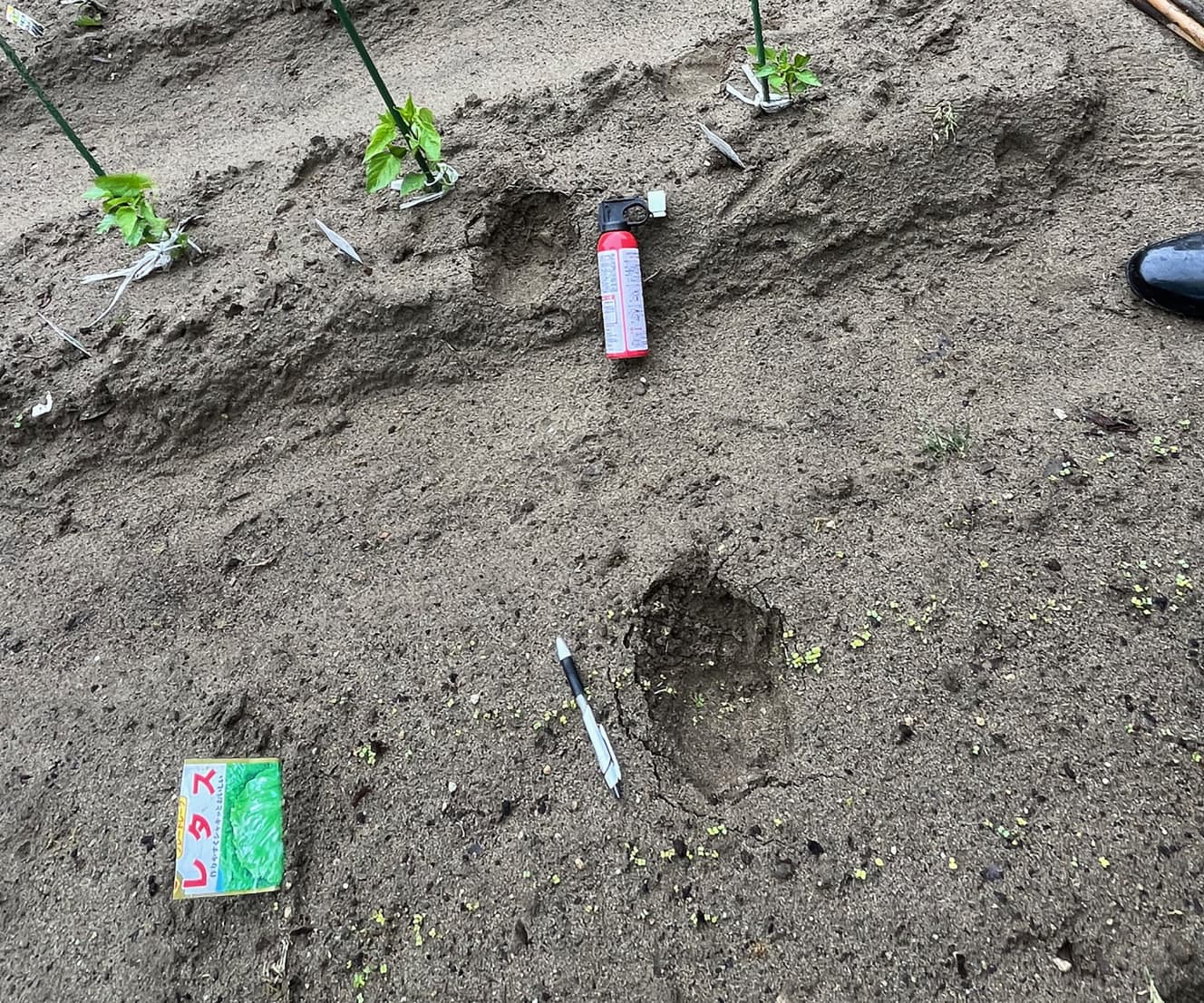
Bear sightings in populated areas have been far more frequent than in normal years. Regarding crops, in Kazuno City in northern Akita Prefecture, cases of bears devouring apples in orchards occurred repeatedly in early November. A man who runs an apple orchard in the city said:
“Half-eaten apples were scattered all over the ground, and we found several piles of bear droppings. A fellow farmer I know had 3,000 apples eaten by bears.”
Kazuno City is also notable as the first municipality in Japan where the Ground Self-Defense Force was dispatched due to frequent bear sightings. The SDF is scheduled to operate through the end of this month, installing and transporting box traps but not using firearms for bear culling.
The damage goes beyond crops. On October 29, 38 chickens, including the premium “Hinai-jidori,” one of Japan’s top three branded chicken breeds, were eaten by a bear.
Residents of Kazuno are deeply anxious. An elderly man from the city said:
“Just recently, a man in his 80s was attacked by a bear. He happened to encounter it coming out of the woods and suffered injuries to his face and right leg. His life isn’t in danger, but the wounds are said to be very deep. Bears go for the face first, and if you’re unlucky, they tear off flesh from your face. That’s how powerful bears are. They say on TV you should bend forward and cover the back of your neck with your hands—but for elderly people, a bear would kill them before they could even get into that posture.”
Kazuno City continues to see frequent bear sightings, and local elementary and junior high schools now require children to commute with parental pickup and drop-off.
In Noshiro City, also in northern Akita, a bear entered the Aeon Noshiro shopping mall on November 16. Fortunately, no one was injured, but the area around the Aeon store is the city center, packed with restaurants and homes. The bear was killed about three hours after the initial report.
He paid 350,000 yen out of his own pocket to install a fence
In Sannohe Town, Aomori Prefecture, on November 9, a male employee of a ramen shop was attacked by a bear, suffering injuries including trauma to his right eye. At around 6:20 a.m., a 119 emergency call was made:
“I was attacked by a bear.”
A reporter from a local newspaper’s social affairs section explains:
“Around 5 a.m., the employee arrived at the shop to begin preparations. As he went to open the gas valve behind the store, he unexpectedly encountered a bear about one meter long. The bear, upon coming face to face with him, immediately attacked his face. He suffered injuries near his right eye and later fractured his left rib area. Fortunately, he fought back—punching the bear in the face and hooking its leg, managing to throw it aside. The bear fled, and his life was saved. However, the injuries were severe, and he was taken to the hospital where he needed ten stitches near his right eye.”
The fact that he threw the bear made nationwide news, covered by TV, newspapers, and weekly magazines.
According to the local reporter, after the attack the shop owner arrived. Despite his injuries, the employee reportedly said:
“I have to get the shop ready.”
He tried to go back to work but was persuaded by the owner to call 119.
“He was likely running on adrenaline at first, but the pain gradually hit him, and blood wouldn’t stop flowing from his head. The wound that required ten stitches was deep enough to see the bone,” says the local journalist.
Meanwhile, the ramen shop owner suffered a different kind of damage.
Because of the attack, he had to install a protective fence at the back entrance to keep employees safe.
A magazine reporter who interviewed the owner says:
“There’s a noodle-making area behind the shop, and employees frequently go in and out. This time the victim was a man, but if it had been a woman, the result could have been fatal. So the owner decided to install a bear-protection fence at a cost of about 350,000 yen. While the fence is being installed, the shop cannot open, causing 150,000 yen in losses per day. The work is still unfinished, and total losses are expected to exceed 2 million yen. There is no system to compensate such losses, and even the local chamber of commerce turned him down. He was really at a loss.”
The economic damage caused by bears isn’t limited to this.
A snack bar owner in Kitaakita City says:
“A bear passed right in front of my shop in early November, and after that, none of my regular customers came anymore. Sales have dropped to one-third. I survived until now thanks to my regulars. Honestly, the financial blow is huge.”
Prime Minister Sanae Takaichi (64) has emphasized that bear attacks on people are:
“A serious situation that threatens the safety and peace of the public.”
In its upcoming economic measures to be approved by Cabinet soon, the government plans to add reserve funds to address bear-related damage.
Will rapid support actually reach those suffering because of bears?
PHOTO: Japan Ground Self-Defense Force Akita Camp/AP/Afro