Is the Takaichi Administration’s Support Surge About to Collapse?


A major uproar over flip-flopping
It was a historic launch.
In an early-November JNN poll, the approval rating for the Sanae Takaichi (64) Cabinet hit an astonishing 82%. This is the second-highest figure in the 21st century, behind only the Junichiro Koizumi Cabinet.
“A first-ever female prime minister gives off a fresh impression, and her clear, outspoken manner contrasts sharply with former PM Shigeru Ishiba (68), whose statements often lacked clarity. Her stance of aggressive fiscal spending—issuing deficit-financing bonds to expand public investment and stimulate money flow—has boosted expectations in the stock market. The Nikkei Average is hovering around ¥50,000, far above the bubble-era high of 38,915 yen. Public expectations for economic recovery are rising.” —National newspaper political reporter
The future looked bright. It seemed the voyage would continue smoothly but in her first Diet session, Takaichi was immediately caught in a storm. She faced heavy fire from the opposition during the November 7 Budget Committee meeting over inflation countermeasures. In particular, her cautious stance toward legally implementing a two-year 0% consumption tax on food products caused a major stir. This was because Takaichi herself had sharply criticized former PM Ishiba, saying, “As a matter of national dignity, the tax rate on food should be 0%.” Her sudden reversal caused heated debate.
“During her answers, the Prime Minister said the word register five times, insisting that changing tax settings in cash registers would take a year. This is the exact same excuse Ishiba used—classic wording to delay policy.
The food-tax reduction had originally been considered under Ishiba as part of negotiations with the Komeito party. Since the coalition has now dissolved, Takaichi fears angering Aso (Taro Aso, Vice President, 85), who has deep ties to the Ministry of Finance, far more than she fears betraying Komeito. She cunningly adjusted her position to match the person whose favor matters most.
This was also the day of the much-talked-about 3 a.m. arrival. Cabinet ministers and staff were forced to prepare overnight, yet she dodged questions in the committee with stock phrases—hardly fair to those who worked for her.” —Veteran opposition party secretary
Meanwhile, there’s still no stopping the yen’s depreciation, one of the main causes of rising prices. Before the LDP leadership election, the yen was around ¥147 per dollar, but as of November 12, it had fallen to the ¥154 range—about ¥7 weaker in just three weeks.
“The Bank of Japan wants to raise interest rates to correct the weak yen, but the government won’t allow it because a rate hike could dampen the booming stock market. And without taking any yen-stabilizing measures, the government has agreed—under pressure from President Trump (79)—to raise defense spending to 2% of GDP. That means Japan will now purchase huge amounts of U.S. weaponry.
Takaichi has also accepted opposition proposals such as eliminating the provisional gasoline tax and approving high-school tuition-free policies championed by Ishin, but where is the funding supposed to come from? If she continues these populist giveaways without a plan, she risks repeating the fate of former U.K. Prime Minister Liz Truss, who triggered a collapse of the pound with a reckless tax-cut policy and was forced to resign after just 49 days.” —Political journalist Koichi Kakuya
Strange anonymous documents demanding a dissolution
If the government continues to neglect the weak yen, rising prices will not stop, and the strong tailwind of high approval ratings will inevitably turn into a powerful headwind.
And those who are preparing earliest for the collapse of this approval-rating bubble are none other than the Liberal Democratic Party lawmakers who should be supporting the prime minister. On November 6, the day before the budget committee meeting, a mysterious document titled “Year-End/New-Year Dissolution / General Election and Precedents for Budget Passage and House of Representatives Seat Reduction” circulated in Nagatachō. It listed three past cases in which dissolving the Diet for a general election around the New Year had led to success.
A mid-level LDP lawmaker whispers:
“Given that cracks are already showing right after the government’s launch, next year’s ordinary Diet session in January will almost certainly be even rougher. It’s obvious that approval ratings are at their peak right now. Many lawmakers believe that before the ‘Takaichi Fever’ ends, we should call a general election early next year to recover seats. That document is meant to argue exactly that. But Takaichi-san won’t listen. I want her to realize that the support she’s getting now is not due to achievements—because she hasn’t accomplished anything yet—but due to expectations.”
Support within her own LDP is already starting to wobble. To avoid capsizing, the captain of the ship must show leadership and deliver results—quickly.
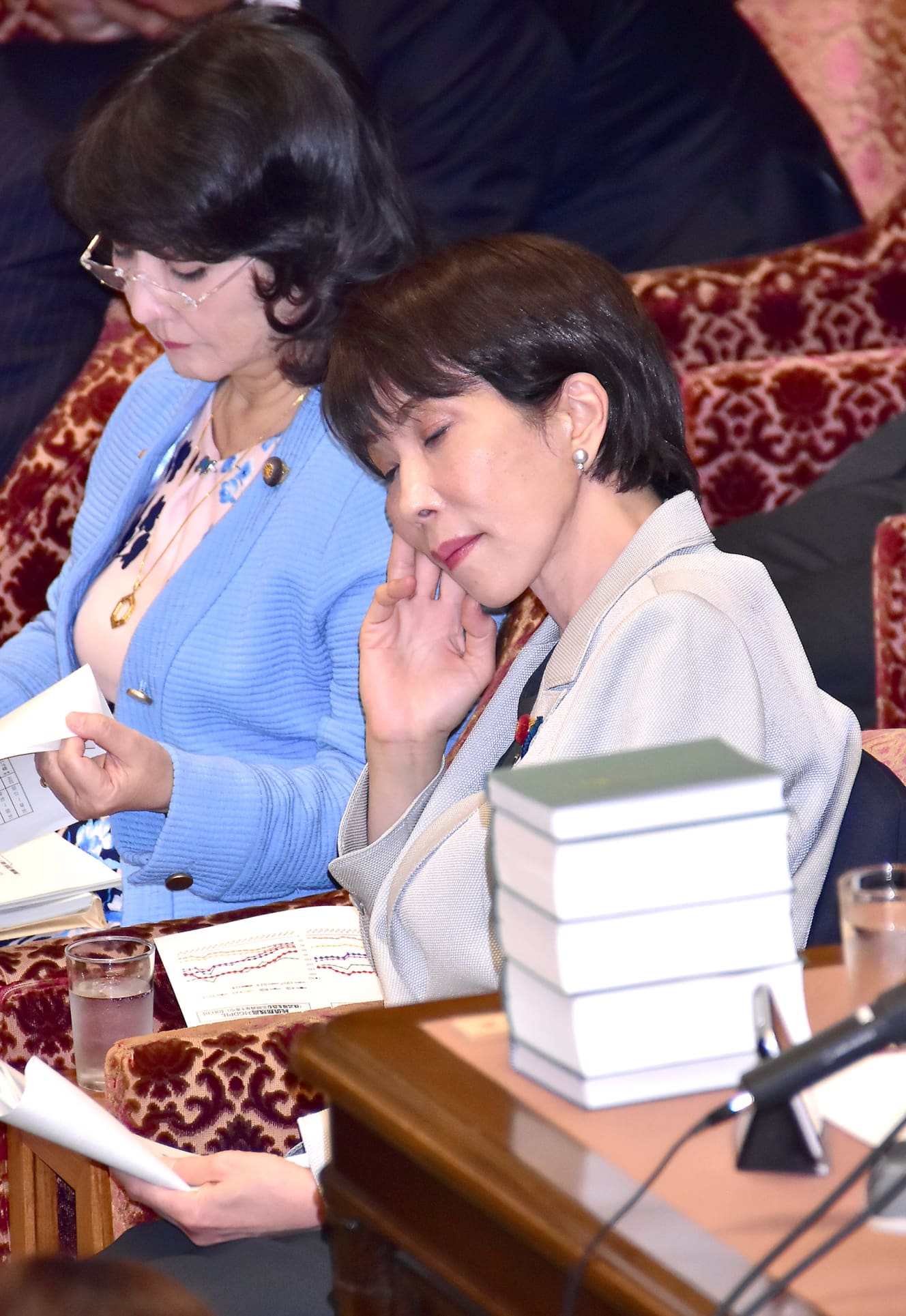
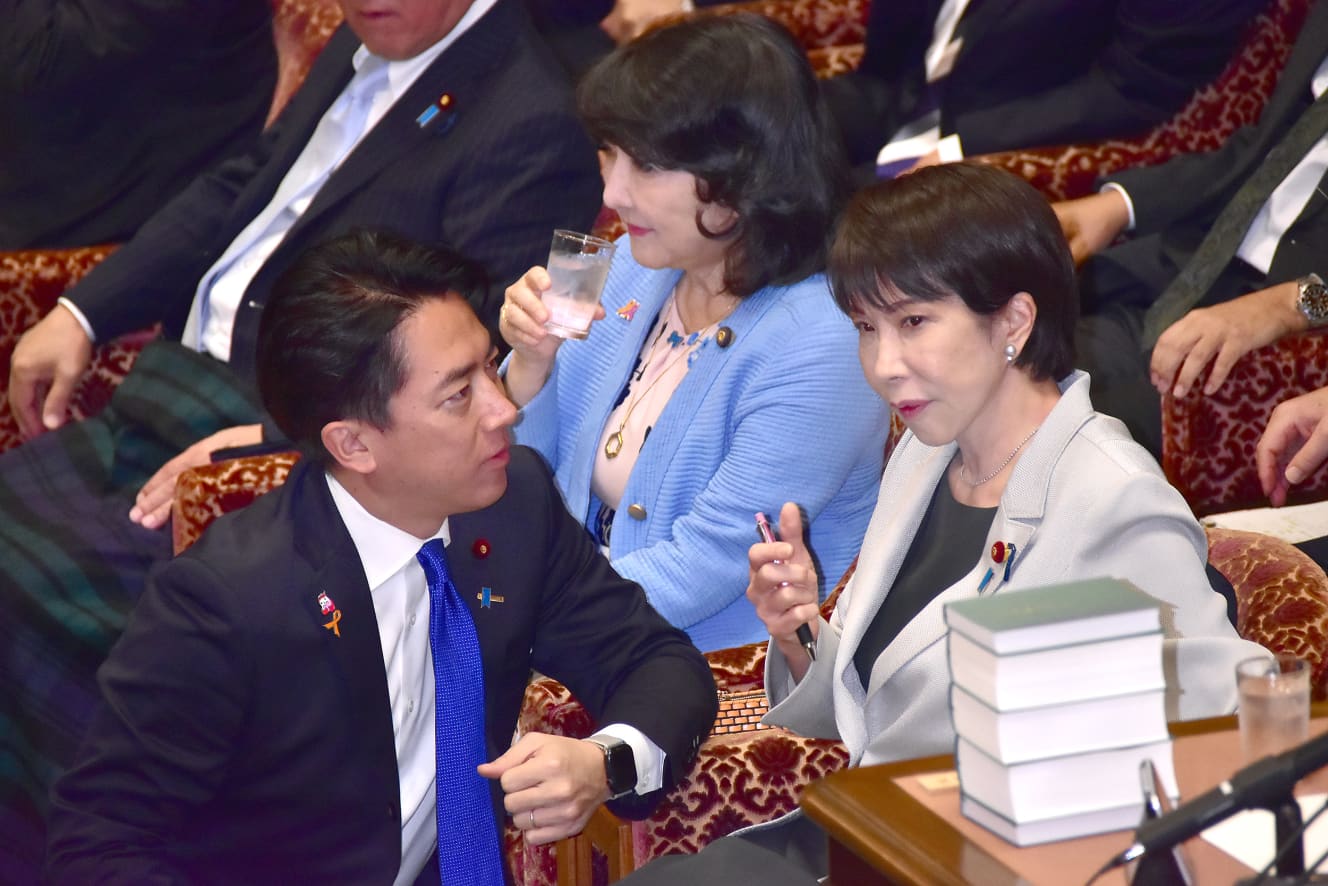

From the November 28 and December 5, 2025 issue of “FRIDAY”
PHOTO: Takeshi Kinugawa