Gold Prices Surge—And Foreign Customers Pack Japan’s Bargain Pawn Fair


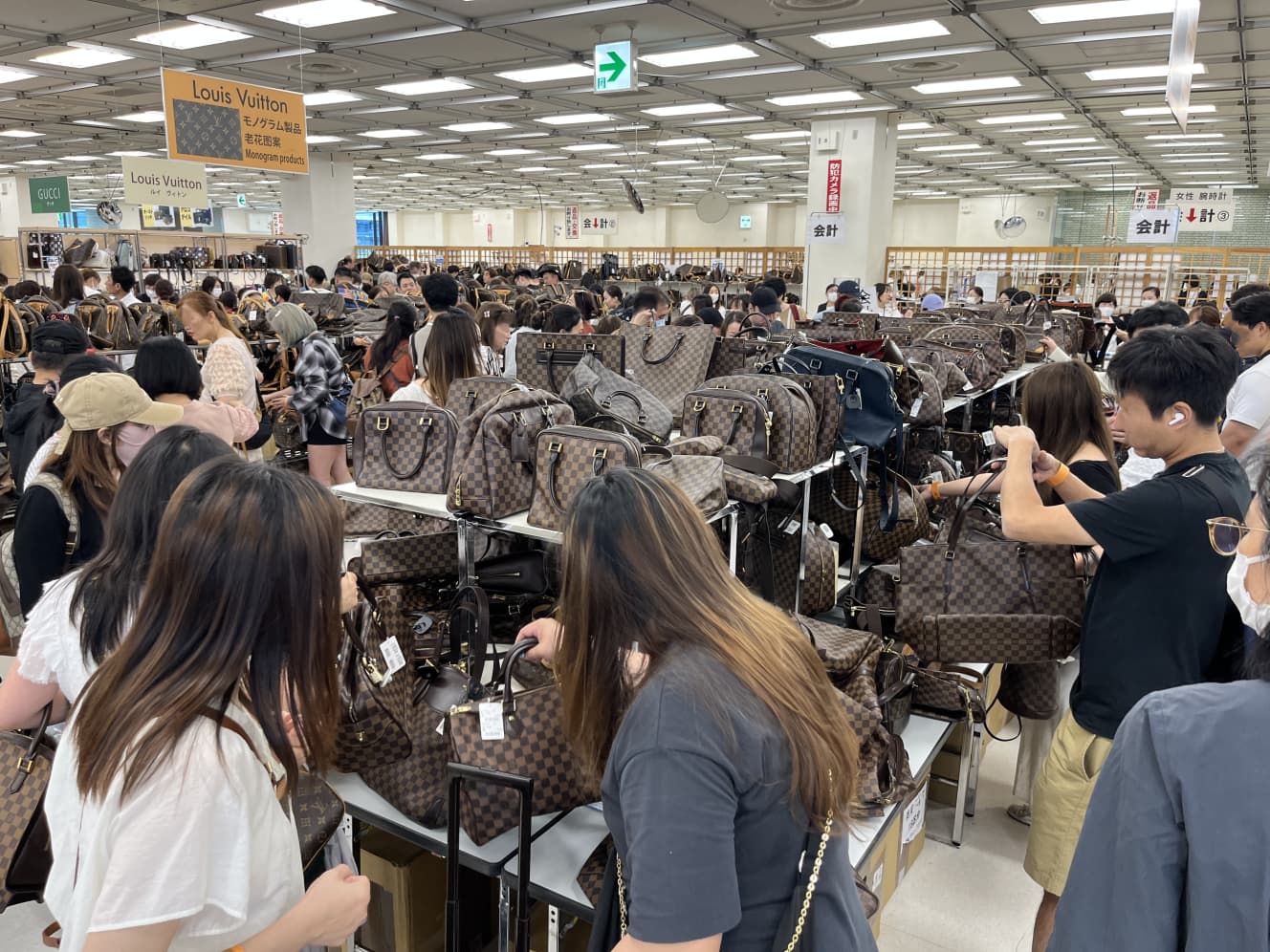
Foreign customers flock in search of great-value Japanese quality!
“About 70% of our customers are foreigners. Until recently, most were from China, but their numbers have dropped sharply. In their place, visitors from Taiwan have noticeably increased. People seem to value the sense of security and status that comes with buying it in Japan.
While most customers are from Asia, in recent years we’ve also been seeing many from Europe, including France and Spain.”
So says Toyoaki Fukushima, chairman of the Jonan Pawnbrokers Cooperative Association and one of the founding members of the “Shicchi Charity Fair,” organized by the pawnshop union.
This year, the fair will be held for three days from November 28–30, 2025, in Tokyo’s Ōta Ward.
The event brings together 50 pawnshops from the Greater Tokyo area, as well as Hokkaido, Osaka, and more. A wide range of items—precious metals, designer bags, and other so-called “shichinagare” (forfeited pawn items)—are gathered in one place.
The fair first launched in 1972 and has been held twice a year, with the November 2025 event marking its 90th edition.

At this long-running event, the star attraction in recent years has been precious metals, especially gold. Prices have continued to rise even over short periods, yet some of the gold items sold here still carry price tags from several months earlier. Finding these hidden gems is one of the fair’s biggest thrills.
“What’s great about this fair is that bags, brand-name goods, watches— all kinds of items are gathered in one place. Each category is sold in its own section, so customers can compare items while choosing exactly what they want.
As for the gold products everyone’s watching, the organizers set a price ceiling, and sellers must price items within that limit.
Some do update prices to reflect current market rates, but others put items out with price tags from months ago.
Even among precious metals, some customers prefer to pay a little more for something in pristine condition, while others want the lowest price and don’t care about appearance.
We hope visitors enjoy finding bargains—it’s like a treasure hunt.”
(Fukushima)
Another major highlight of this fair is that each pawnshop conducts its own expert appraisal, making the risk of ending up with a counterfeit item extremely low. This exceptional level of Japanese quality is a big reason why so many visitors now come from overseas.

During the bubble era, some customers bought 30 million-yen diamonds in cash
This fair attracts everyone from individual shoppers to professional buyers, and in the past, tour groups from overseas even arrived by sightseeing bus. Its recognition and popularity in neighboring countries have long been high. With each era, the products offered and the trends have shifted—another hallmark of this long-running event. Yoshimi Tanaami, a board member of the association and part of the planning/PR department, recalls the changing times:
“These days, a single event brings in about 500 million yen, but during the bubble period the sales were 700–800 million yen per event. We were donating more than 10 million yen annually.
Some customers traveled from Osaka with backpacks full of cash and bought 30 million-yen diamonds.
About 50 years ago, most of the items auctioned were kimono and men’s suits, but as the times changed, so did the items being pawned. Now we mostly see brand-name bags—Louis Vuitton, Chanel, Hermès, Gucci— and brand-name jewelry like Tiffany and Bulgari.
Home-appliance showroom items and wristwatches are also popular.
Because they’re second-hand, they’re usually priced at one-third to one-quarter of the retail price.” (Tanaami)
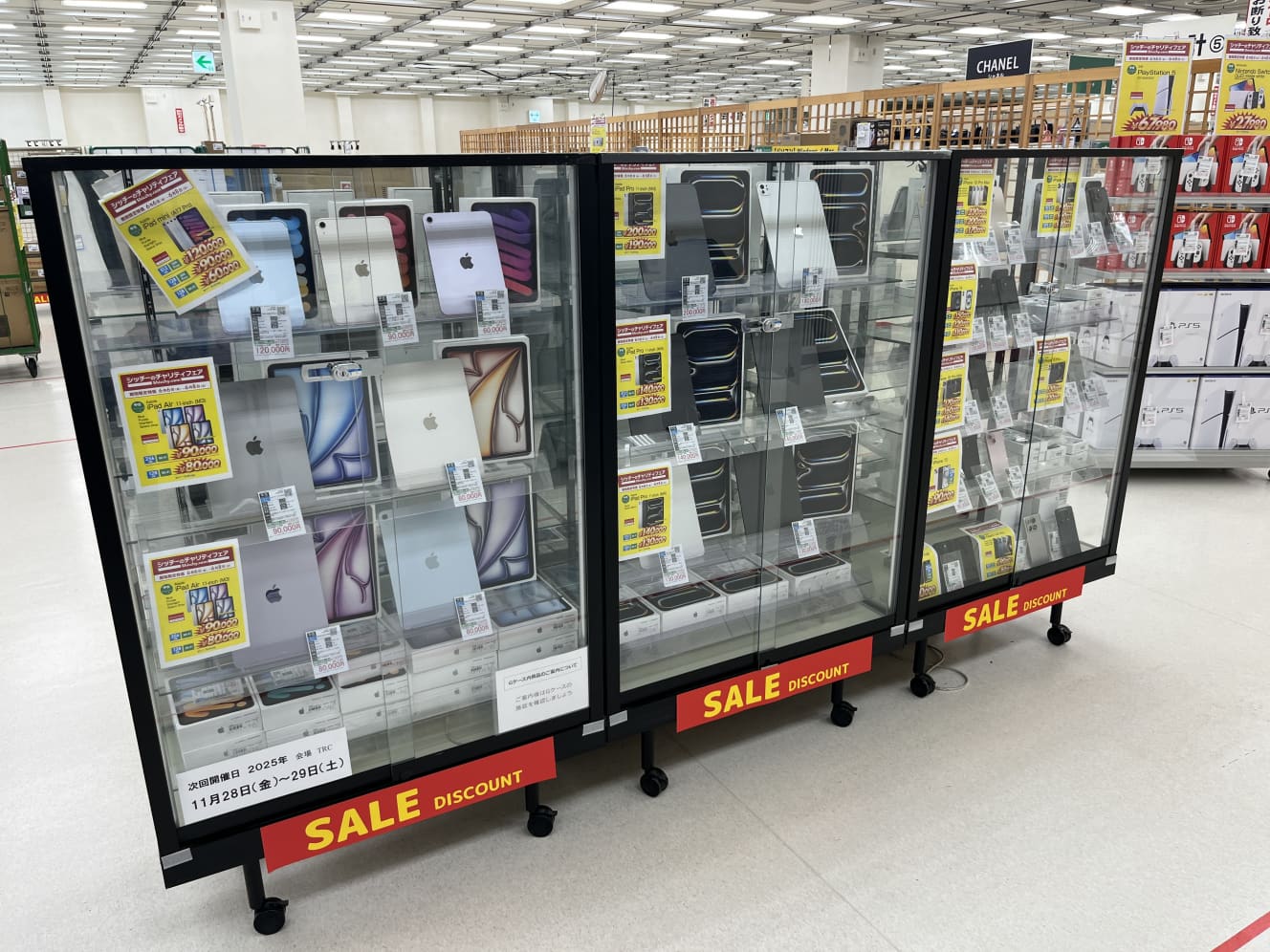
With over 50 years of history—and even after the frenzy of the bubble era—the fair continues to attract great interest because of its low prices and guaranteed quality. In addition, the cooperative’s approach has played a major role in building strong trust with both exhibitors and visitors.
“Pawnshops used to have the image of being places people visited secretly to borrow money.
So we wanted to brighten that image and promote what pawnshops actually do. That’s why we started holding this charity fair, partly as advertising and PR. We asked participating pawnshops to offer items at discounted prices.
Normally they’re business rivals, but everyone was happy and excited to participate, and the event kept growing in scale. Since the fair originally started as PR, we never aimed to make huge profits.
We’d cover the expenses, add a little extra, and donate the rest. At first, donations were 500,000 yen or 1 million yen.
Eventually they increased to 10 million yen during the bubble. Now we donate about 5–6 million yen per event, totaling over 200 million yen so far.” —Fukushima
Tanaami adds:
“Pawnshops mainly earn income by loaning money against pawned items and collecting interest. So the idea of making big profits from unclaimed items isn’t really our style. That’s why we can price things cheaply.
Normally, unredeemed items are sold in the wholesale antique market, but selling them directly to general customers yields a bit more profit, so it benefits both sides.”
With its clear policies, reliable quality, fair pricing, and the expertise of seasoned pawnbrokers, “Shicchi’s Charity Fair”continues to thrive. About 6,000 visitors are expected over the three-day event— and the best finds go fast.
If you’re hunting for precious metals or luxury goods, don’t miss it.

Reporting and writing: Diesuke Takahashi