Even after complete loss of the lawsuit, the company remains in a confrontational posture… NewJeans” lawsuit symbolizes the “distorted structure” of the K-pop industry


The barrier of a seven-year contract
No breakdown of trust can be recognized.
On October 30, the Seoul Central District Court made a calm and clear decision.
In a lawsuit filed by the popular Korean girl group NewJeans over their exclusive contract with their agency ADOR, the court fully upheld ADOR’s claim. A reporter in charge of entertainment at a sports newspaper explains.
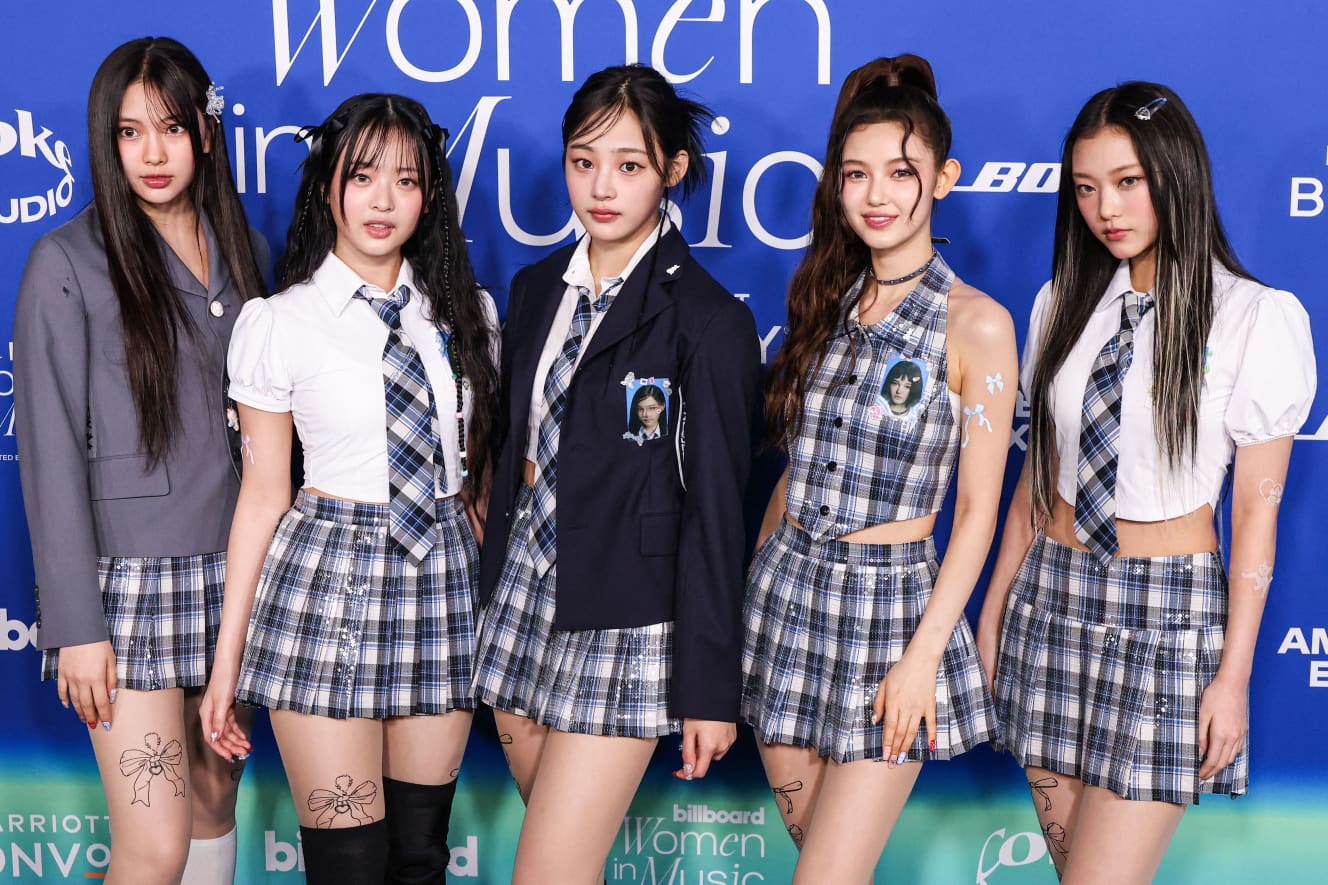
In the spring of ’24, Mr. Min Hee-jin (45), the producer of NewJeans and the representative of ADOR, was dismissed due to a conflict with the parent company, HYBE, which triggered the uproar. The members protested against Min’s dismissal. They claimed that they would cancel their exclusive contract with ADOR, saying that ‘the relationship of trust has been broken.'” In February 2013, they independently changed the group’s name to ‘NJZ’ and began their activities.’
The relationship between the two groups remained unresolved, and the dispute moved to the courtroom.
“The court ruled that ‘it is difficult to view ADOR as having breached the contract simply by dismissing Mr. Min,’ and that ‘Mr. Min was not trying to protect NewJeans, but to set up a public opinion battle for independence.’ Even though there was an emotional rift between the two parties, there was no problem under the contract – a decision that made that clear.
The Seoul Central District Court rejected the abstract argument of a breakdown of trust,
The Seoul Central District Court rejected abstract claims of a breakdown of trust, stating, “There is nothing in the contract that obliges Mr. Min to be involved in the group’s activities.
The Seoul Central District Court rejected the abstract argument that there was a breakdown of trust. The court clearly stated that it is not a question of “who you believe,” but rather “what you agreed to. There is no room for sentiment in the logic of the judiciary, which calmly accumulates only the facts. Despite the “family-like relationship,” the world of K-pop is based on contracts. The court’s decision has brought this reality home to the public.
Behind the lawsuit lies the structure of long-term exclusive contracts unique to the K-pop industry. In the past, unfair long-term contracts known as “slave contracts” became a problem, and in 2009 the Fair Trade Commission introduced a standard contract system with a maximum term of seven years. In fact, many idols and artists have signed contracts up to the maximum limit, and the “seven-year contract” still persists as a practice in the industry. Mr. Matsumoto believes that “the court ruling will not have a significant impact on the system itself.
I can’t go back to ADOR.”
When signing a contract, it will be necessary to make more detailed confirmation and adjustments to the duration and content of the contract in order to prevent problems from developing. In the case of minors, the presence of their parents is a must” (Mr. Matsumoto, above).
In addition to the length of the contract, many other issues remain to be resolved.
Including the practice period before their debut, teen idols spend most of their adult life under the supervision of an agency. Contracts are signed in the presence of their parents, but it is difficult for them to fully understand the specialized and complex details. Even after their debut, earnings are distributed only after expenses such as costumes, housing, and advertising have been reimbursed, making it difficult for them to earn sufficient income in the early stages of their career.
(A source from a Korean entertainment production company) Even though the contract allows for freedom of termination, in reality, the payment of penalties and “training expenses” is an obstacle. The K-pop industry has developed as a national industry, but industry practice stands as a major obstacle to the healthy growth and development of those involved.
Even after the court ruling, the conflict between ADOR and NewJeans shows no sign of abating, with ADOR commenting that it will “do its best to return to its fans through discussions with the artists,” but NewJeans immediately announced that it “cannot return to ADOR” and will immediately announce an appeal.
Hashtags such as “#FreeNewJeans” and “#ADORisOver” spread on social networking sites, and fandom (a dedicated fan community) showed widespread support for the NewJeans. In today’s K-pop industry, the fandom’s actions determine the fate of a company more than judicial decisions, and the relationship between NewJeans and ADOR is also based on public opinion in the fandom.
‘Frankly, I can’t read where this is going. Fandom is essential for the growth of the K-pop industry. Even if there is no legal remedy, if the fandom will not allow it, further confrontation will be negative for both sides. I think there is a possibility that ADOR will seek a compromise while watching the reaction of the fandom,” said Matsumoto.
If ADOR were to allow the contract to be terminated on the grounds of “trust,” the order of the industry would be shaken. The Seoul Central District Court merely held the line. But K-pop culture is in an area that cannot be measured by the law alone. Will NewJeans be able to overcome this “seven-year contract barrier”? This will be a touchstone for the future of the industry.
Interview and text by: Dai Matsumoto PHOTO: Afro