The author, who has visited 3,000 restaurants that have been in business for more than 100 years, describes the “charm” of this restaurant as “like the Rosetta Stone.


The “oldest sushi restaurant” that has been in business for more than 800 years
This year, Reiwa 2025, marks the 100th anniversary of the Showa Era (1925-1989). 100 years is a period of time during which society and lifestyles have changed so drastically that many things cannot remain unchanged. However, there are still many food shops in Japan that have been in business for more than 100 years.
Tomoteru Aikawa has published a book titled “Japan Old Restaurant Compendium” (Tatsumi Shuppan), which introduces long-established restaurants that have kept their curtains for more than 100 years since their establishment. Mr. Aikawa is also the manager of the website “Meibo Shokudo: A Journey through the History of Food,” which features local cuisine from various regions of Japan, and is an expert who has visited more than 3,000 long-established restaurants in various regions of Japan.
Aikawa says that his inspiration for running a website introducing long-established eateries came from his “original love of regional food.
“When I wanted to go around to long-established restaurants to find local cuisine, no one had put it all together for me to look up. I thought, “I’ll be in trouble if there are people with the same interests as me,” so I decided to create a dictionary of long-established restaurants, and that’s how I started the site. The idea was to cover stores that have been in business for more than 100 years. In this book, I introduced restaurants that I hope readers will visit.
The book includes information on 88 famous long-established restaurants, including cafes, bars, and take-out stores. Each has its own interesting history and specialties, but we asked Mr. Aikawa to introduce some of his most memorable stores.
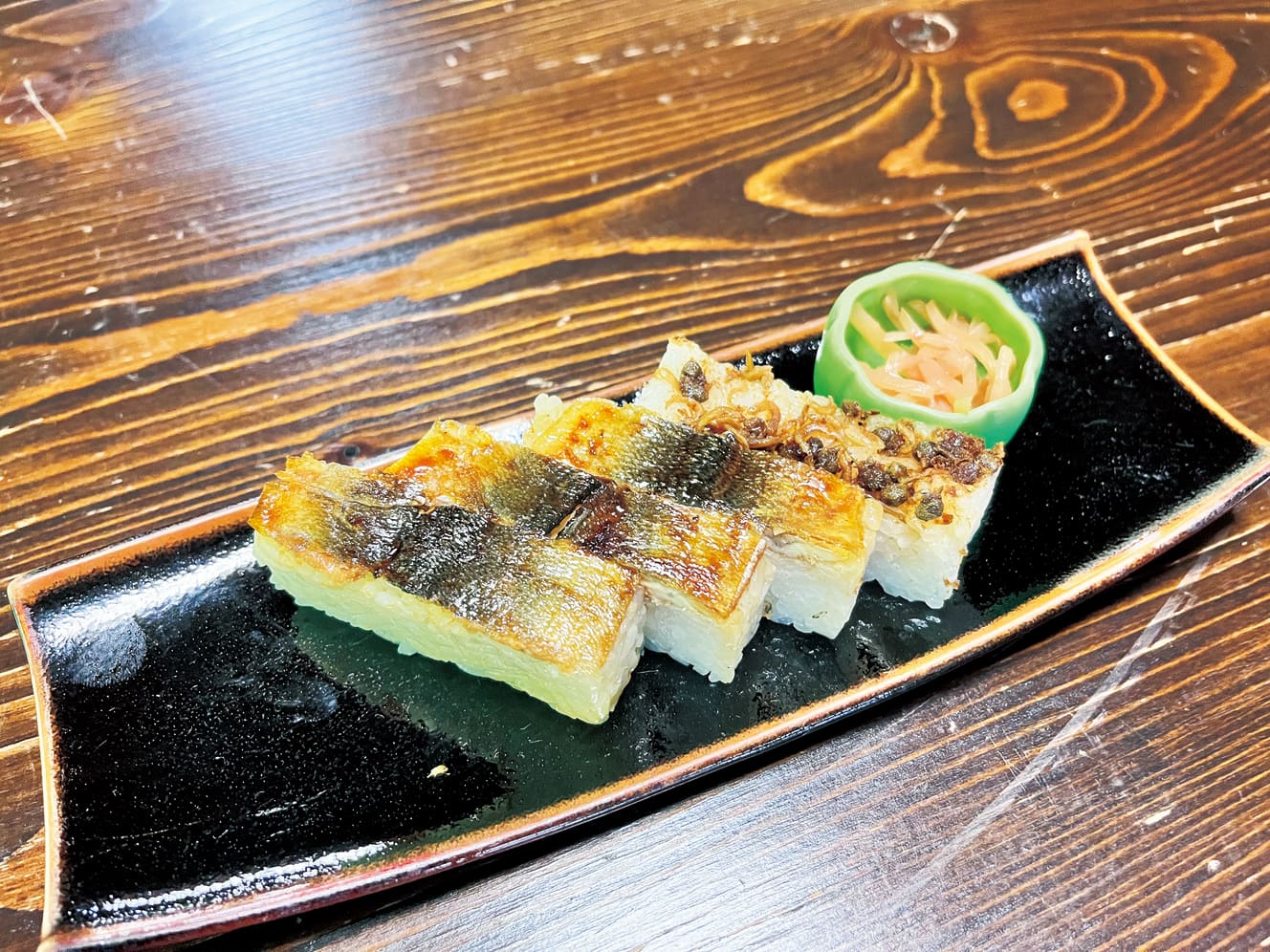
The restaurant that left the greatest impression on me was Tsurube Sushi Yasuke in Yoshino, Nara, which is famous for its cherry blossoms and sweetfish. It is the oldest restaurant introduced in the book. Founded in the Bunji era (1185-1189), it is the oldest sushi restaurant in Japan, having been in business for more than 800 years.
First of all, I was surprised that a restaurant that has been in existence for more than 800 years exists in this world. I was aware that sushi had been around since the Edo period (1603-1867). Today, they serve pressed sushi with ayu fish.”
800 years ……. Moreover, the restaurant is said to have appeared in the famous Kabuki play “Yoshitsune Senbonzakura” (Yoshitsune’s Thousand Cherry Trees). Kabuki fans may be able to make what is now called a “pilgrimage to a sacred place.
When I first visited the restaurant five years ago, I was told by the previous owner that he had not decided whether his successor would return, but the successor has successfully replaced him. What impressed me was that the current owner said, “I think it is better to pass on the values that were born in this land,” and he was making an effort to return to the original roots of his business, which was before his predecessors and the generations before him. I believe that in the past, while suffering from a lack of successors, each husband would have continued to update the business, repeating updates from generation to generation. And yet, this time, they are still making efforts, saying, ‘As much as possible, we will go back to our roots at …….'”
Some things need to change with the times.
I think it is necessary not only to follow in the footsteps of the past, but also to update to keep up with the times, and “Tsurube Sushi Yasuke” is attempting to do the opposite: to return to its previous form. Change and maintenance. How should a long-established restaurant survive?
There are two main types of long-established restaurants: those that truly follow tradition and those that repeatedly update it. Ingredients and seasonings change, so they also have to change with the times. Even if it is not visible to customers, I think all stores basically make changes.
In order to continue for a long time as a long-established shop, it is necessary to have a good balance between “areas to protect and areas to change.
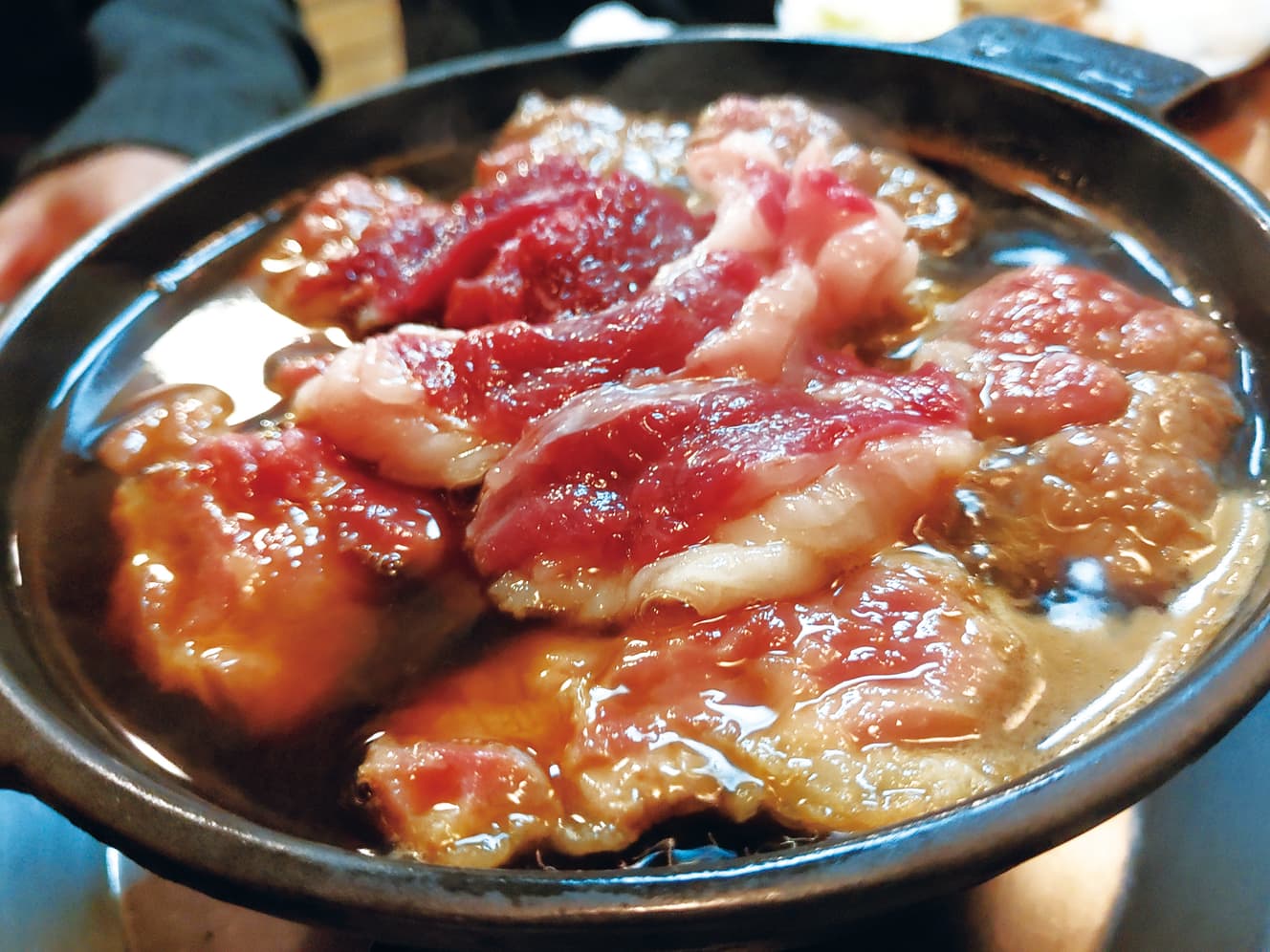
In terms of change, I would like to introduce Sakuranabe Nakae (established in 1905), which serves horse meat. It is a restaurant with delicious horse meat. It is located right in front of the Yoshiwara Daimon gate, which is known for its brothels, and horse meat was eaten there for various reasons due to the nature of the area. I think this restaurant protects what it protects and changes what it changes well. We have not changed the fact that we deal in horse meat, but the value of horse meat itself has changed over time.
In the early Showa period, chicken was more expensive than beef or pork because there were no broilers at that time, and horse meat was the most popular meat for the common people.
Nowadays, horse meat is more expensive than other meats. As Yoshiwara has changed, so has the value of its ingredients, and the restaurant has been able to successfully change its clientele in the midst of the changing situation. Nowadays, the restaurant is attracting tourists by presenting local cuisine, which is rare in Tokyo, and is successfully changing its target customers. There used to be a lot of horse meat shops near Yoshiwara, but now there are only a few left, and we are the oldest of them.
One hundred years is a long enough period of time for even the value of foodstuffs to change drastically. The stores that serve it must change as well.
Long-established shops that are “community-based” and loved by locals
According to Mr. Aikawa, who has visited many long-established restaurants, there are some “common problems” with long-established restaurants. One of them is the problem of the original. There is a restaurant that is called “the original” for each dish, but in the course of visiting long-established restaurants, one may find a dish that actually existed before the “original”… In fact, there are many dishes that seem to have existed before the “originals.
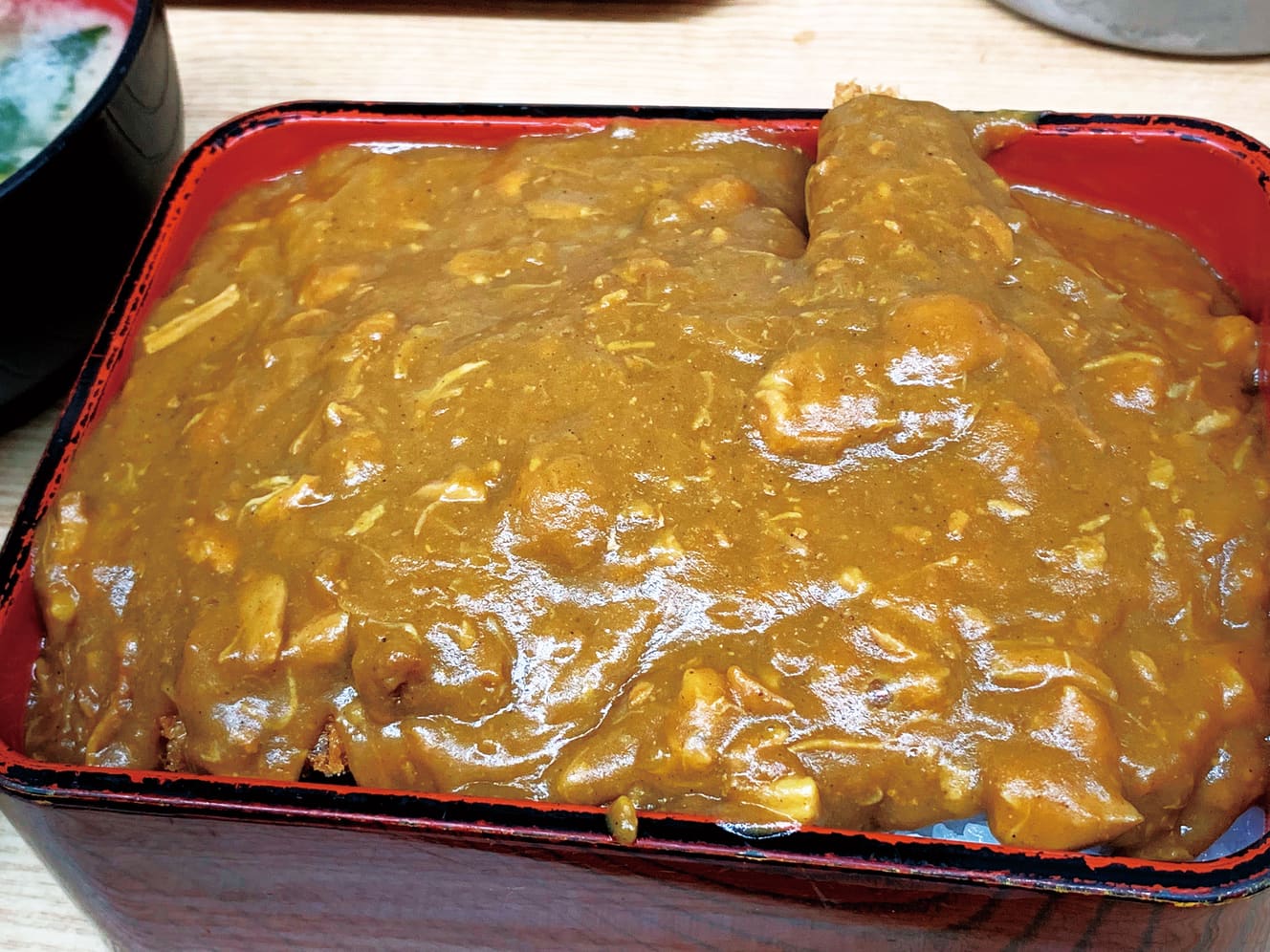
In fact, one of these two restaurants is actually the “original” of the two restaurants. In fact, it is possible that one of these two restaurants is the originator of ‘katsu curry. It is widely known that Shigeru Chiba, a former Yomiuri Giants player, asked for it to be made at Ginza Swiss in the 1950s, and it is generally believed that he is the originator.
But although it is not called “Katsu Curry,” a similar dish has certainly been served since the Taisho era, even earlier, as “Ton-don” at Oh Roji-san and “Kawakin-don” at Kawakin-san. I was surprised to find that they were served by completely different restaurants. This kind of thing is quite common.
Speaking of “long-established restaurants,” there are also restaurants that have long been loved by local citizens and place importance on being close to the local community.
Fujimori” in Obihiro (established in 1899) is one such restaurant that I would like to mention. Since the time of the previous owner, the owner has been trying to make the restaurant the best in hospitality, and as a result, when a customer takes a seat, a melon soda is served with cold water. One customer who was almost 70 years old on the day I visited said, “I’ve been coming here since I was in high school, but this melon soda makes me so happy! He said, ‘I’ve been coming here since high school, but this melon soda makes me so happy! I think, “This is what an old shop should look like.
A spin-out from this restaurant called “Curry Shop Indean” has multiple locations in Obihiro and Kushiro, and is so popular that everyone brings a pot and buys it home. We developed a frozen packaged version of that curry at the time of the COVID-19 crisis. But because of our policy of staying local and not serving out of our hometown, we don’t do mail order even though they are frozen packs. So for family members far away, locals buy it at the store and send it to family and friends away from their hometown.”
Because Mr. Aikawa has taken it upon himself to explore long-established shops, he says that he is not able to eat what he would like to eat at the places he visits. He says, “Since I’ve come all the way to Hokkaido, I want to eat seafood, but when I look for long-established restaurants, all I end up with are soba restaurants. I realized that because of Hokkaido’s cold climate and the lack of rice cultivation in the past, the only long-established soba shops with a history of more than 100 years were all buckwheat noodle shops. The same is true of the udon culture that flourished in Kagawa due to the Seto Inland Sea climate, which has little rainfall.
I think of long-established shops as being like the Rosetta Stone. When you look at a place through the presence of an old shop, you can see its geography and history. That’s what makes it interesting. Originally, my main goal was to discover the local cuisine of each region, but recently I’ve been going there to find out ‘what kind of place is this? I feel that nowadays I go there to find out what this place is like.
If you are going to go on a trip, why not taste the local cuisine at a long-established restaurant? By getting to know the area as well as the long-established restaurant, you are sure to have an experience unlike any other.