Perfect Taste or Full Body? The Great Non-Alcoholic Beer Debate
Special Research Project [Part 2


What is the ultimate drink carefully chosen by experts who know every nuance of flavor?

Non-alcoholic beers let people enjoy a real beer moment while staying mindful of their health, whether they have a meeting the next day or are taking medication. Once considered merely a substitute drink, these beers have evolved, with many now rivaling regular beer in taste and drinking experience, and are increasingly embraced by consumers.
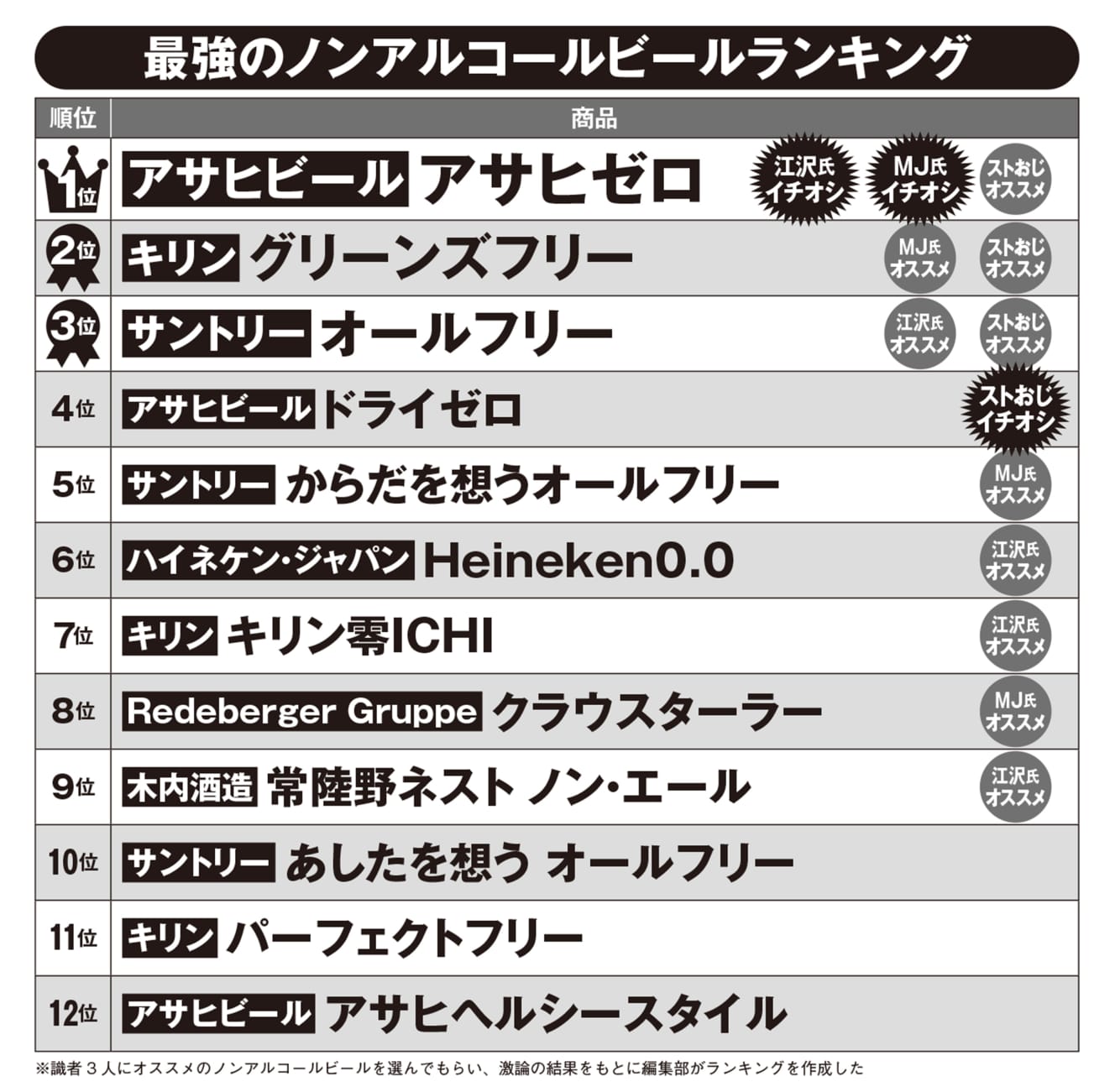
Three experts—beverage specialist Takahiro Ezawa, Strong Uncle, a canned chuhai researcher who says he drinks non-alcoholic beer like barley tea in the summer, and beer journalist MJ—share their thoughts on the strongest non-alcoholic beer.
Spotlight on Non-Alcoholic Beers from Abroad
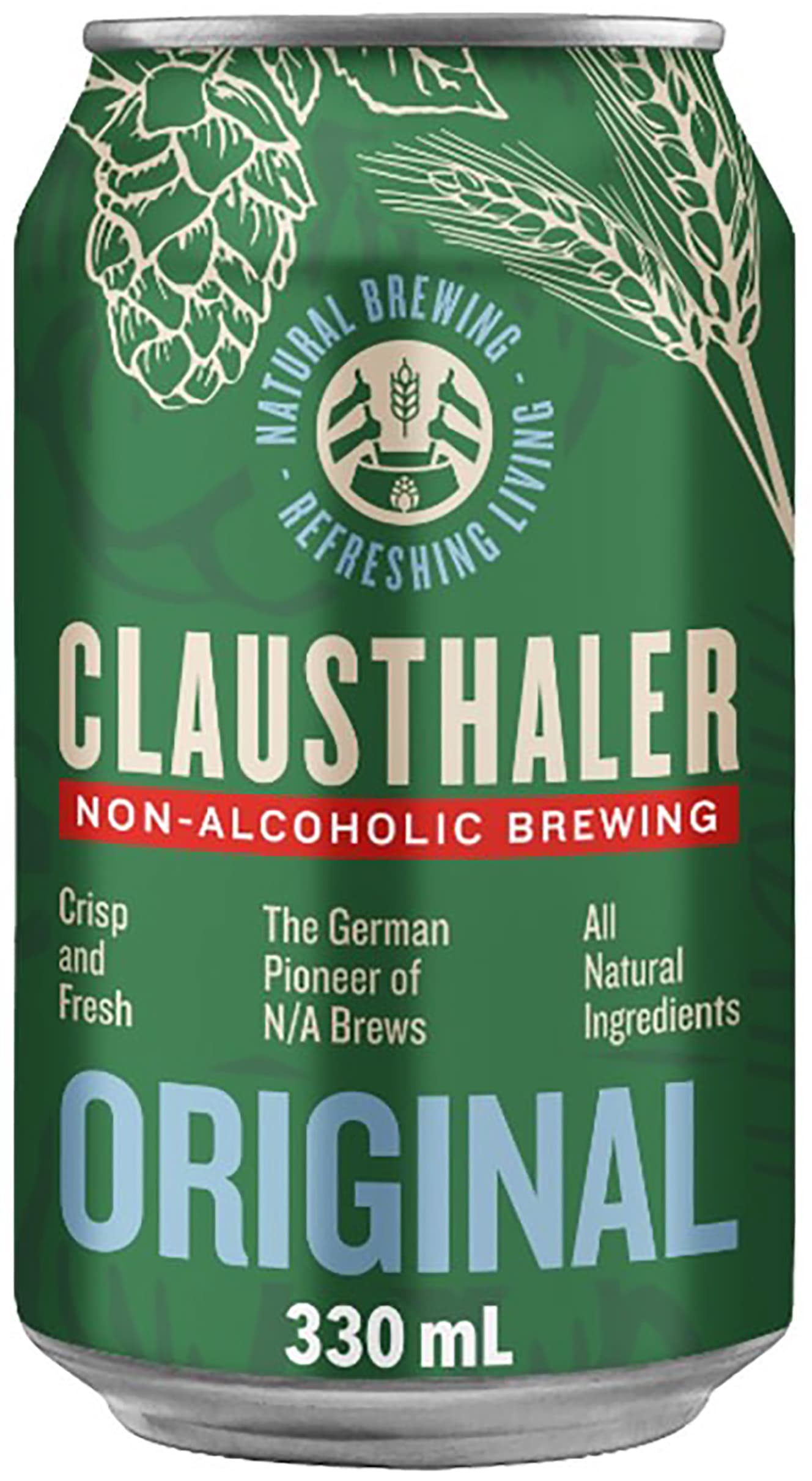
MJ: “’Klausthaler’ from Germany, made using a dealcoholization method by Radeberger, is so good it can replace regular beer. Its alcohol content is below 0.5%, so legally it’s not considered alcohol under Japanese liquor laws, but it still contains some alcohol, so you should avoid driving after drinking it.”
Ezawa: “Overseas, the dealcoholization method is more common, and many products retain the true fermented beer taste. In Japan, 0% alcohol is generally preferred, but abroad, there’s a tendency to leave a small amount of alcohol to preserve flavor and richness. Even under 0.5%, the presence of alcohol makes the taste much closer to real beer.
My recommendations are ‘Budweiser Zero’ (Anheuser-Busch InBev, headquartered in Belgium) and ‘Heineken 0.0’ (Heineken, headquartered in the Netherlands), both marketed as 0.0% alcohol, yet containing less than 0.05% alcohol. They both provide a genuine beer-like drinking experience.”
Strong Uncle: “Non-alcoholic beers from abroad can taste quite different even when they share the same brand as regular beer. For example, standard Budweiser has a clean, light taste compared to typical Japanese beers, so you might expect Budweiser Zero to taste equally light. In reality, it’s richer and fuller than Japanese non-alcoholic beers, and that contrast can be surprising.”
After a heated debate, the ultimate choice was
—Here’s the conclusion.
Ezawa: “After all this discussion, I think we probably agree on one choice.”
Ezawa & MJ: “Asahi Zero!”
Ezawa: “It’s a national brand, easy to buy at supermarkets and convenience stores, uses the dealcoholization method, and still retains that fermented beer aroma. Hard to find any faults, right?”
Strong Uncle: “I’d like to recommend Asahi Dry Zero!”
MJ: “What!? You were just praising Asahi Zero so much!”
Strong Uncle: “I’m concerned about the sugar content in Asahi Zero. It has 6.9 g per 100 ml, more than double the 3.0 g in Asahi Super Dry. One of the big attractions of non-alcoholic beer is being able to drink it freely without thinking, but with that sugar, it could be a problem if you drink a lot.”
Ezawa: “Asahi Zero is undeniably delicious. But if you’re drinking multiple cans every day, health considerations do come into play. Asahi Dry Zero, on the other hand, delivers that great taste with zero sugar and zero calories.”
MJ: “So even the seemingly perfect Asahi Zero has its drawbacks.”
Ezawa: “That’s understandable. But not everyone drinks several cans every day. If you were just picking one non-alcoholic beer to enjoy today at the supermarket, what would it be?”
Strong Uncle: “Agreed. No question that it’s the tastiest. Just be mindful of the sugar if you drink too much.”
After more than two hours of heated debate, the ultimate non-alcoholic beer chosen by the trio of beer—or rather, non-alcoholic beer—experts was Asahi Zero. Its authentic flavor, achieved through the rare dealcoholization method among Japanese brands, was the deciding factor. This discussion can serve as a guide for picking up a non-alcoholic beer to enjoy during long autumn evenings.

From the September 26, 2025 issue of “FRIDAY”