Surprising Caffeine Levels in Popular Drinks — Too Much Can Be Dangerous


Irregular heartbeat, panic attacks treated as acute caffeine intoxication at emergency centers
Sometimes people feel the need for a quick fix with coffee or tea. Both contain caffeine, which can help sharpen the mind and reduce sleepiness.
According to Toshihiko Matsumoto, head of the Substance Dependence Research Department at the National Center of Neurology and Psychiatry (Kodaira, Tokyo), caffeine is a relatively safe dependence-inducing substance if taken within certain limits. He adds that small amounts can even stimulate bowel activity in the morning and improve digestion.
However, exceeding a certain intake can lead to dizziness, increased heart rate, and other health problems. The threshold for this safe limit varies between individuals.

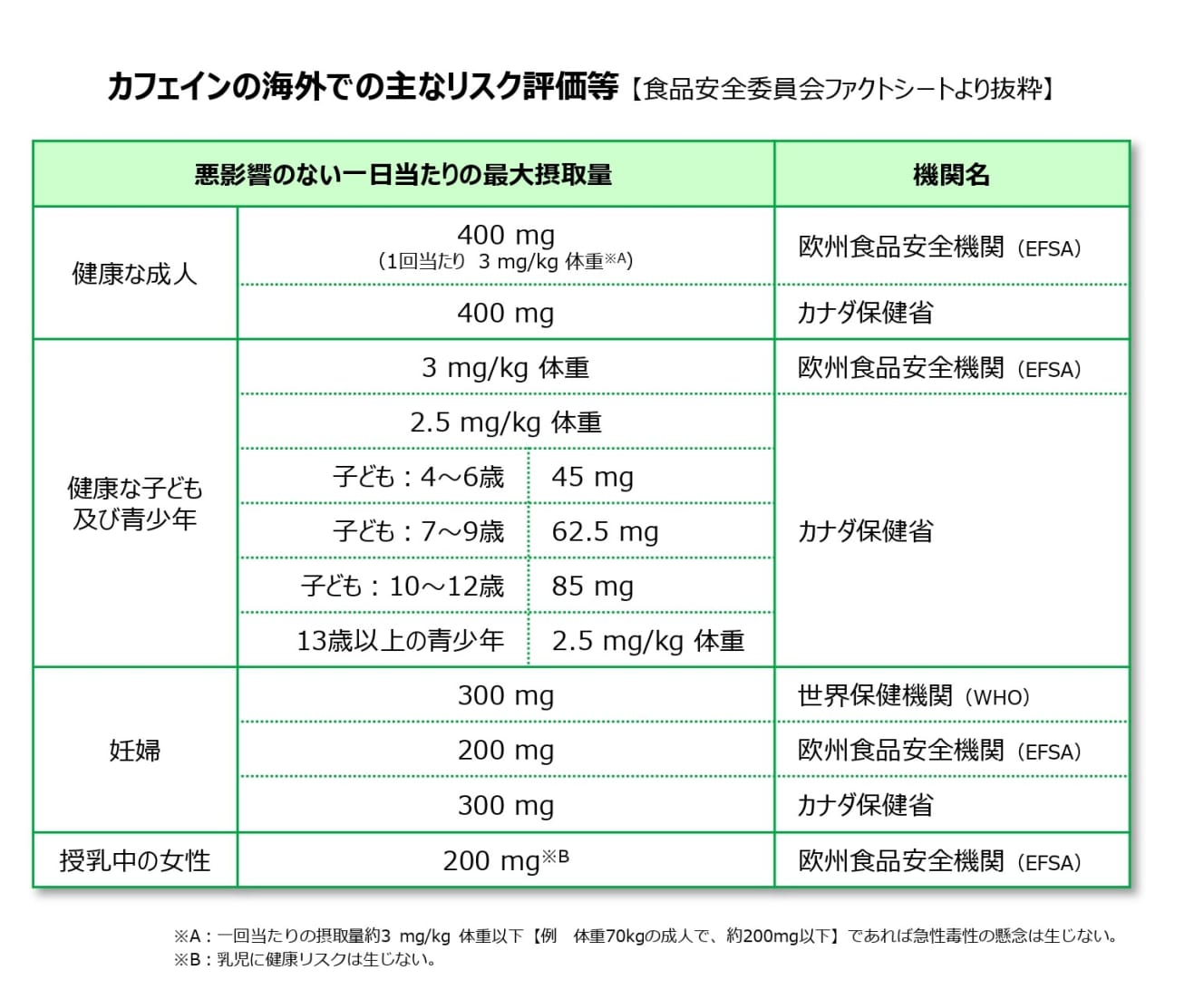
According to the Japanese Ministry of Health, Labour and Welfare, the safe daily intake of caffeine varies widely among individuals. There is no universally agreed international limit. Effects differ depending on age, pregnancy status, and personal sensitivity.
For reference, coffee contains roughly 60 mg of caffeine per 100 g (≈100 mL), though this varies with brewing method and strength. Since a typical mug holds 250–400 mL, one cup can contain approximately 150–240 mg of caffeine.
If daily caffeine intake exceeds 1,000 mg (1 g), the risk of irregular heartbeat or panic attacks increases. Matsumoto warns that intakes over 5 g can be fatal. Consuming large amounts in a short time can lead to acute caffeine intoxication, sometimes requiring emergency treatments like dialysis.
How Much Can You Consume Per Day?
How much caffeine can be safely consumed in a day? According to Matsumoto, “If you use coffee as a guideline, about 400 mg for adults, roughly three cups, is the upper limit.”
It’s also important to pay attention to the time of day when consuming caffeinated beverages such as coffee. Matsumoto raises the point, “It might be a good idea to limit it to around 3 p.m. at the latest.”
Some people drink coffee after dinner, but Matsumoto questions whether this habit is appropriate, since it takes time for caffeine to leave the body. The half-life of caffeine is generally about four hours, but it varies by individual depending on metabolism, ranging roughly from three to eight hours. This is why many people find it harder to fall asleep if they drink coffee at night.
For those struggling with insomnia and using sleeping pills, Matsumoto also notes, “Using sleeping pills is fine, but it might also be good to reconsider how you drink tea or other beverages.” There is a possibility that people fall asleep with sleeping pills, wake up feeling groggy, and continue drinking multiple cups of caffeinated tea or coffee, creating a lifestyle dependent on both caffeine and sleeping pills.
Caffeine is present not only in foods but also in over-the-counter medicines in amounts that are far from negligible
Caffeine is found not only in beverages but also in various foods and over-the-counter medicines in amounts that are far from negligible. This means that simply counting cups of coffee or tea is not enough to control intake, as chocolate-flavored snacks and other products also contain caffeine. “Caffeine is addictive and may lead to continued product purchases,” warns Toshihiko Matsumoto.
The National Consumer Affairs Center of Japan has issued a caution and published detailed information on a website titled “We Investigated: Caffeine Content in Beverages” (March 2022). According to the site, there is no obligation to label caffeine content in beverages, and many products do not display it. This can lead consumers to unintentionally ingest large amounts of caffeine.
The Center also pointed out that tea beverages advertised as having low caffeine did not necessarily contain less than other brands.
The Ministry of Health, Labour and Welfare cites the World Health Organization (WHO), stating that black tea, cocoa, and cola beverages contain roughly the same amount of caffeine, while coffee contains about twice as much. Additionally, some energy drinks contain caffeine equivalent to two cups of coffee per can or bottle.

The National Consumer Affairs Center of Japan warns that there have been cases of fatal poisoning due to excessive consumption of energy drinks high in caffeine. Energy drinks are popular among students and workers, consumed to combat fatigue and boost concentration.
Cases of acute caffeine poisoning have been increasing since around 2013, coinciding with the period when major beverage companies began licensed sales of internationally popular energy drinks in Japan.
In Europe, coffee houses—precursors to modern cafés—emerged in the Middle Ages as social hubs. According to Dr. Matsumoto, caffeine in coffee helped accelerate human intellectual abilities, and he notes that coffee houses contributed in part to the modernization of Europe.
Regarding caffeine intake, it is important to know your limits. Being aware of how much caffeine is contained in common beverages, foods, and over-the-counter medicines, and taking the time to check for yourself, can help prevent excessive consumption
Interview and text by: Hideki Asai PHOTO: Afro