Terry Ito & Takahashi Ganari Open Up About the Chaotic Secrets of Iconic Variety Show
Master and Disciple Dialogue [Part 2


The two looked back on the chaotic variety shows of the ’80s—
“Terry Ito, the genius director,” and “Takahashi Ganari, the Money Tiger.” These two once had a superior-subordinate relationship at the influential TV production company IVS Television. Their first meeting dates back to the legendary variety show Tensai Takeshi no Genki ga Deru Terebi!! (Nippon TV), which began airing in 1985.
Genki ga Deru Terebi!! gave birth to numerous legendary segments.
For example, Early Morning Bazooka involved sneaking into a sleeping celebrity’s bedroom and blasting a giant noise cannon. The idea came from Terry spotting a three-line ad in his favorite newspaper, Tokyo Sports, about early-morning soap. Combining the wholesome image of early morning with the risqué connotation of soap sparked the concept.
Another segment, The Miracle of Gandhi Othello, was inspired by a movie Terry saw while driving through Ginza called The Road to India. The idea of a 200-year-old ascetic walking on water led to the creation of Gandhi Othello—whose true identity turned out to be an Indian man from Yokohama Chinatown.
The Fun of Using Amateurs
Ganari: “Mr. Ito once said it would be interesting if there were a university where any of our requests would be granted. He told me, ‘Masaya, go convince that Business University,’ so I went there.
It was tough to persuade them. In the end, the campus was divided between supporters and opponents, and we negotiated right up to the edge of failure. About three months later, the university president gave a single decisive approval.
But during the first broadcast, we ended up making jokes about the university’s low academic ranking. As expected, the alumni association lodged huge complaints and said they could no longer cooperate. From that point, we couldn’t film there anymore.”
Terry: “That was a failure (laughs). We could have done it differently. The real goal was to raise that business school’s reputation. But in the end, it just ended halfway through”
Ganari: “Back then, production budgets were low, so we couldn’t afford high-paid talents. Mr. Ito always thought about how to make the most of amateurs, which is why they appeared so often on the show.”
Terry: “One amateur alone isn’t funny, but when you have 100, it becomes entertaining—that’s how the ‘100-person squad’ was created.”
Ganari: “Exactly. For example, the punch-perm army. We’d gather around 40 people with punch-perm hairstyles on a bus. Even those without a perm were made to get one (laughs). They were normally cheerful, but we forced them to look tough. From that group, a president was chosen—the so-called Chairman Aizawa. He always looked grumpy, though.”
Terry: “In reality, he’s actually a cheerful guy (laughs).”
Ganari: “The term ‘a-yakusoku’ (a given convention or running gag) also comes from Mr. Ito. During a look-alike show of Aikawa Kinya, in a meeting, Aikawa said, ‘Ito, don’t you think this doesn’t really look like me?’ Mr. Ito replied, ‘This is an oyakusoku.’ That’s how it started.
Even if it didn’t look like the real person and people poked fun at it, he’d turn it into a laugh. I thought it was such a clever way to dodge it (laughs).”
Terry: “You remember that well. ‘Oyakusoku,’ if used the wrong way, could be called ‘staged.’ He’d say, ‘No, no, this isn’t staged. It’s an oyakusoku’ (laughs).”
Genki ga Deru Terebi!! thrived on a thin line between reality and staged content. Viewers laughed uproariously while thinking, ‘That could never really happen!’ It changed the way people watched TV. Freshly filmed segments, pushed to the last minute, appeared every week, captivating the audience.
Ganari: “Almost every month, I have nightmares about Mr. Ito. I really do, almost monthly. In my dreams, I feel myself being excluded from the Ito team, or that he won’t respond to me. The fear builds so much that I wake up. Even now, I still have these dreams. This interview made me really nervous, too.”
Pioneers of the Talent Shop
Terry: “But when we opened the beach house in Enoshima, that was amazing. I thought Masaya has a talent I don’t have.”
Ganari: “It was a live New Year’s special. The production budget was 65 million yen, but no matter how we calculated it, with Mr. Ito supposedly destroying a house on the program or something, it ended up costing over 70 million yen.
So we set up food stalls using students at a 2,000-tsubo vacant lot in Enoshima as an event space. I managed it, thinking we could make a profit of around 20 million yen, and they let me do it.
The result was a huge loss—about 10 million yen in the red. The day after the broadcast, we sold everything from the program script to props at the stalls. The network producer said, ‘Masaya, you can sell the scripts, but leave the staff alone.’ That’s how they let us off (laughs).”
Terry: “That was impressive. I’m the type who, once work is done, just says good job and leaves. But Masaya actually went to the store and ran the business.”
Ganari: “Because the Enoshima beach house succeeded, we opened more— ‘Genki ga Deru House’ and ‘Valentine House’ in Harajuku. Customers came one after another, and it became a boom. We basically kicked off the talent shop trend.”
Terry: “Exactly. That’s a talent I don’t have. You could see that Masaya would continue succeeding after that.”
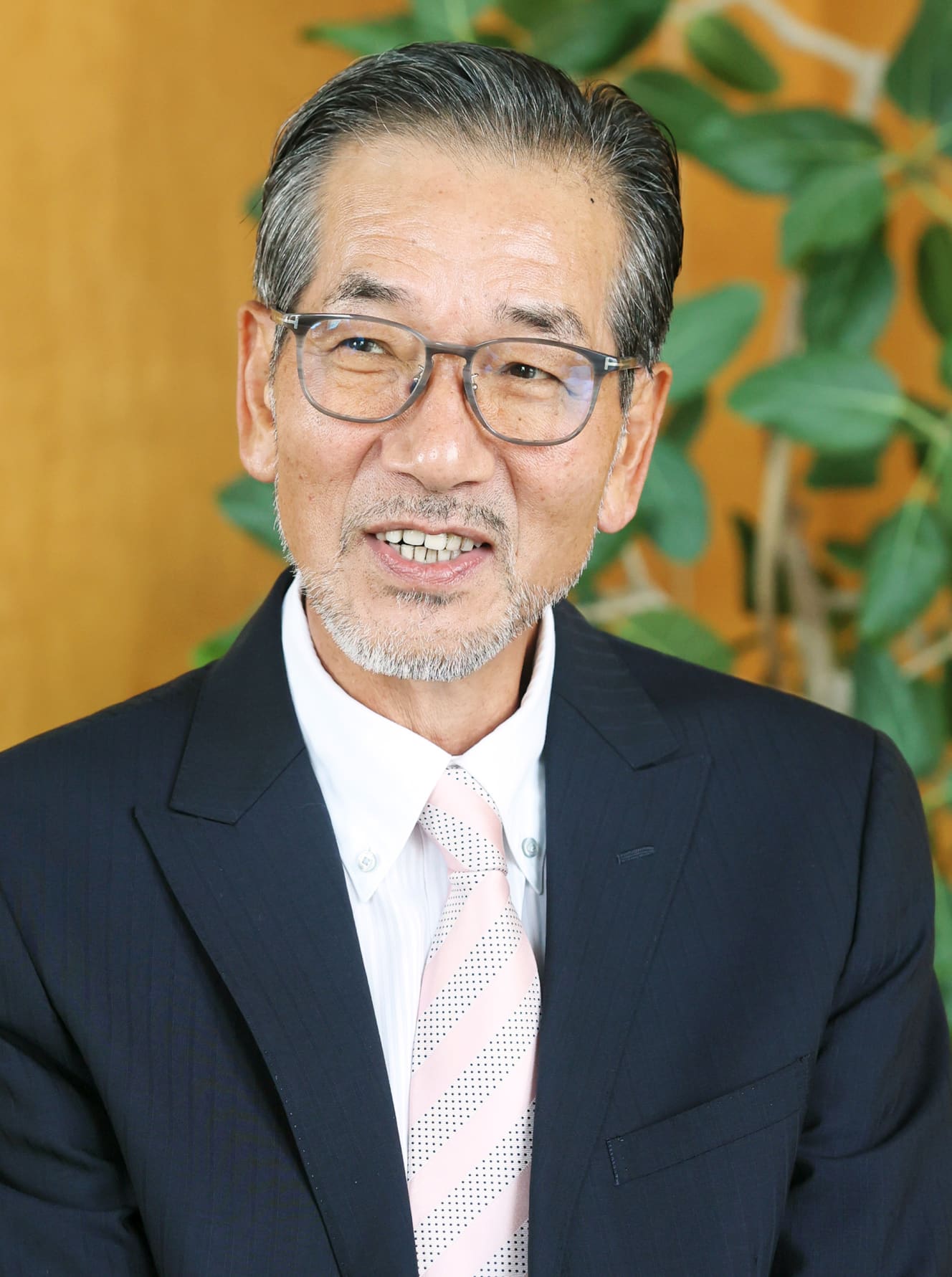
Terry and Ganari. The era when they thrived on TV was a time when concepts that would be impossible today aired every Sunday night—a period when television was truly full of energy. At this long-awaited reunion, the two began sharing fresh excitement once again.
Note: Tensai Takeshi no Genki ga Deru Terebi!! aired on the Nippon TV network from 1985 to 1996 and was a popular variety show starring Beat Takeshi. Terry Ito was the overall director. Its highest viewership rating was 25.9%. The show produced hit segments such as Early Morning Bazooka, Find the Young Lady, The 100-Person Squad, and Dance Koshien. Other regular cast members included Hiroki Matsukata and Junji Takada.


From the September 5, 2025, issue of “FRIDAY”
Composition: Nobuhiro Motohashi PHOTO: Takehiko Kohiyama (1st photo)