Gasoline Tax Abolition Sparks “New Tax” Talk, Backlash Hits Ishiba Administration


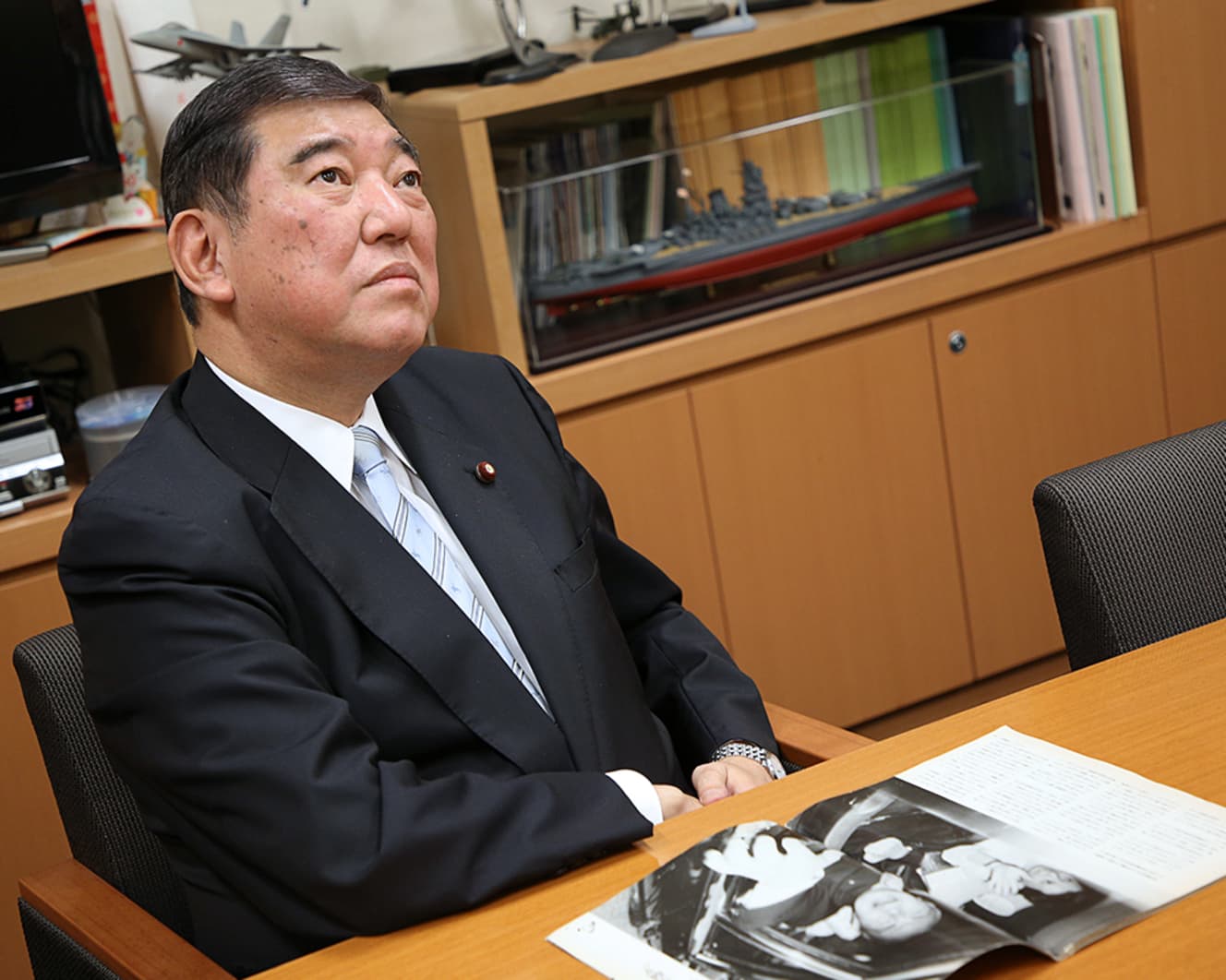
Japanese drivers bear 23.4 times the tax burden of their American counterparts
In 1974, then–Prime Minister Kakuei Tanaka introduced the “provisional gasoline tax rate” for a planned period of two years. Now, 51 years later, just as it seemed it would finally be abolished, reports emerged that a new tax is being considered.
On August 24, the Asahi Shimbun ran the headline: “New tax instead of gasoline tax cut? Government considers plan to collect from car users.” The same article was posted on Yahoo! News, drawing about 12,000 comments as of the 28th.
Criticisms poured in, such as:
“Do they only ever think about taking more taxes from the people instead of cutting wasteful expenses?”
“Replacing the provisional tax rate with another revenue source just means changing the name—our burden doesn’t change at all.”
“They have no hesitation in handing out money overseas, yet when it comes to their own citizens, they’re stingy and won’t spend.”
The backlash was intense.
It is true that Japan’s infrastructure, such as the damaged sewer pipes in Yashio City, Saitama Prefecture, is facing an urgent need for renewal. But it is also a fact that Japan imposes an excessively heavy tax burden on drivers.
According to estimates by the Japan Automobile Manufacturers Association (JAMA), the total automobile-related tax burden for using a standard car priced at 3.08 million yen over 13 years amounts to 656,000 yen. In contrast, the United States is only 28,000 yen—meaning Japan’s burden is 23.4 times higher.
Even in Europe, Japan’s level far exceeds others: 3.4 times Germany’s (191,000 yen) and 9.5 times France’s (69,000 yen). The extent of the tax burden and vested interests is clear at a glance.
The Ministry of Finance’s “Zero Deduction” Policy
In the first place, gasoline is subject to consumption tax on top of the gasoline tax, making it double taxation. Even with the provisional tax rate abolished, a new tax is still being pushed onto drivers.
“After losing their majority in the House of Councillors election, the Liberal Democratic Party is in decline. Yet, for some reason, public opinion hasn’t turned against Ishiba—instead the trend is ‘don’t let Ishiba resign.’ According to the latest poll published by the Yomiuri Shimbun on August 25, the cabinet’s approval rating jumped 17 points from July’s survey to 39%. Prime Minister Shigeru Ishiba may believe he can gain public understanding even if he proposes a tax increase, but as a minority government, the administration cannot function without cooperation from the opposition. Whether the opposition will support a ‘new tax’ is doubtful.” (TV political reporter)
Not only the new gasoline tax, but the LDP has also hinted at reviewing the campaign pledge made during the Upper House election of providing “20,000 yen to everyone.” It’s a parade of “this wasn’t the deal.” Will the Ishiba administration, doing as it pleases, continue on like this?
“As for the new tax, it’s less about Prime Minister Ishiba himself and more being directed by Yoichi Miyazawa, chairman of the LDP’s Tax System Research Commission,” said political journalist Harumi Arima.
“With the provisional tax rate abolished, they’re trying to recoup the lost revenue elsewhere, which is why this new tax idea has come up. The opposition has always argued that since it’s ‘provisional,’ it should end. But Miyazawa says, ‘Bring us an alternative proposal.’ The opposition is demanding the end of the provisional tax rate because people’s lives are tough—they at least want gasoline to be cheaper. But if they’re just going to impose a tax in another form, it’s the same thing. It cancels out, leaving no benefit for the people. The reason this is happening is Miyazawa’s stubborn insistence that a substitute revenue source must be found at any cost. Miyazawa’s mindset is completely that of the Ministry of Finance.” (Arima)
It is extremely puzzling that a government’s approval rating rises even after suffering a crushing election defeat, moving toward tax hikes, and breaking campaign promises. What will happen to the price relief measures that the public truly wanted?
PHOTO.: Shinji Hamasaki