Cute but Deadly: Tick-Borne Infection With 27% Fatality Rate Spreads


A few squirrels dash about in the treetops. When they come down to the ground, they nibble away at what looks like fallen nuts. Some even show no fear of passersby, approaching with charming little gestures — undeniably cute.
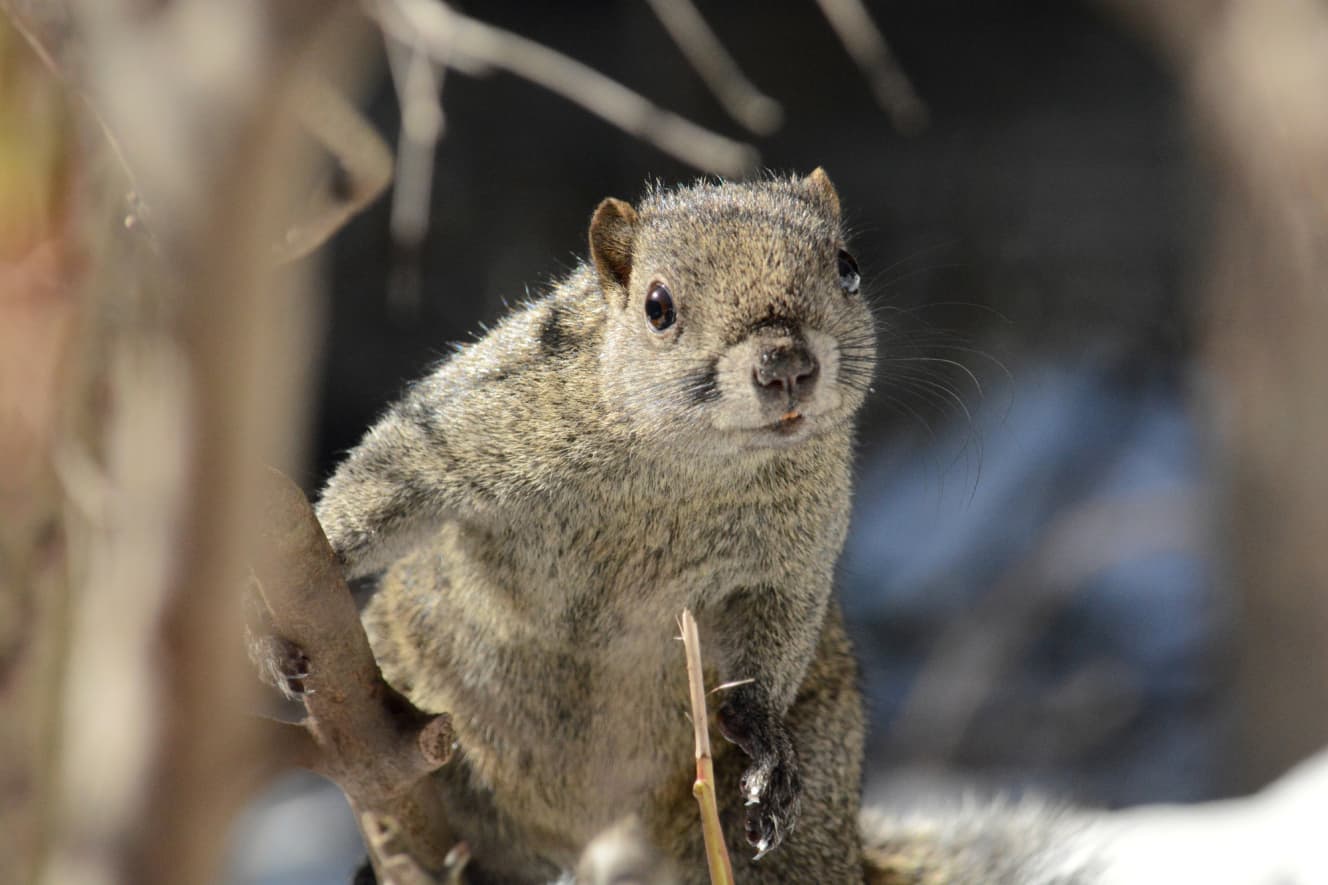
The reporter visited an ordinary public park near a private railway station in Yokohama, Kanagawa Prefecture. Because it was a holiday, families with young children stood out. And in this park, open for anyone to use, the adorable figures spotted were several Taiwan squirrels — a species designated as a specified invasive alien.
“Originally, Taiwan squirrels kept in zoos or as pets escaped, and from the 1980s they began gradually multiplying in Kanagawa Prefecture. Today they’ve been confirmed in Tokyo, Osaka, Shizuoka, Gifu, and other areas. It’s estimated that around 100,000 live in Kanagawa alone.
Their body length, including the bushy tail, is about 40 cm. They reproduce at a high rate, about three times a year, with roughly two offspring each time. Because Japan has few natural predators like hawks or large snakes, their range has expanded. They’re also known to build nests on the eaves of houses and to show little fear of humans.” (National newspaper social affairs reporter)
The bleeding never stops, and the animals are not afraid of people
Despite their endearing looks, Taiwan squirrels are also called “cute devils.” Numerous reports describe the damage they cause — eating fruit and other crops, gnawing on electric wires, and more.
And the damage could extend to humans. As of August 10, cases of severe fever with thrombocytopenia syndrome (SFTS) reached a record high of 135. Spread by ticks, SFTS causes high fever and abdominal pain upon infection, and in severe cases unstoppable bleeding. The fatality rate is said to reach as high as 27%. Dr. Masahiro Kami, former special professor at the University of Tokyo’s Institute of Medical Science and director of the Medical Governance Research Institute, explains:
“Previously, cases were concentrated in western Japan, but recently infections have also been reported in eastern Japan. One factor is that wild animals carrying ticks have shifted their habitats due to global warming and other effects. This year, cases have even been confirmed in Hokkaido.”
The Taiwan squirrel is thought to be a carrier of these dangerous ticks. Fleas also parasitize them. Dr. Kami continues:
“Ticks infest many animals, but Taiwan squirrels live within human residential areas and show no fear of us. If you pet one carelessly because it seems ‘cute,’ you risk contracting SFTS. It is believed SFTS does not spread through air or droplets. The basic measure is simply to avoid contact with wild animals.”
Touching them is dangerous! Even if a cute squirrel approaches, feeding it or making contact should be strictly avoided.