Ex-Manager Who Took ¥8 Million from Kin’niku-nin Nakayama Now Faces New Alleged Offenses


When we asked him to pay us back, we couldn’t get in touch with him.
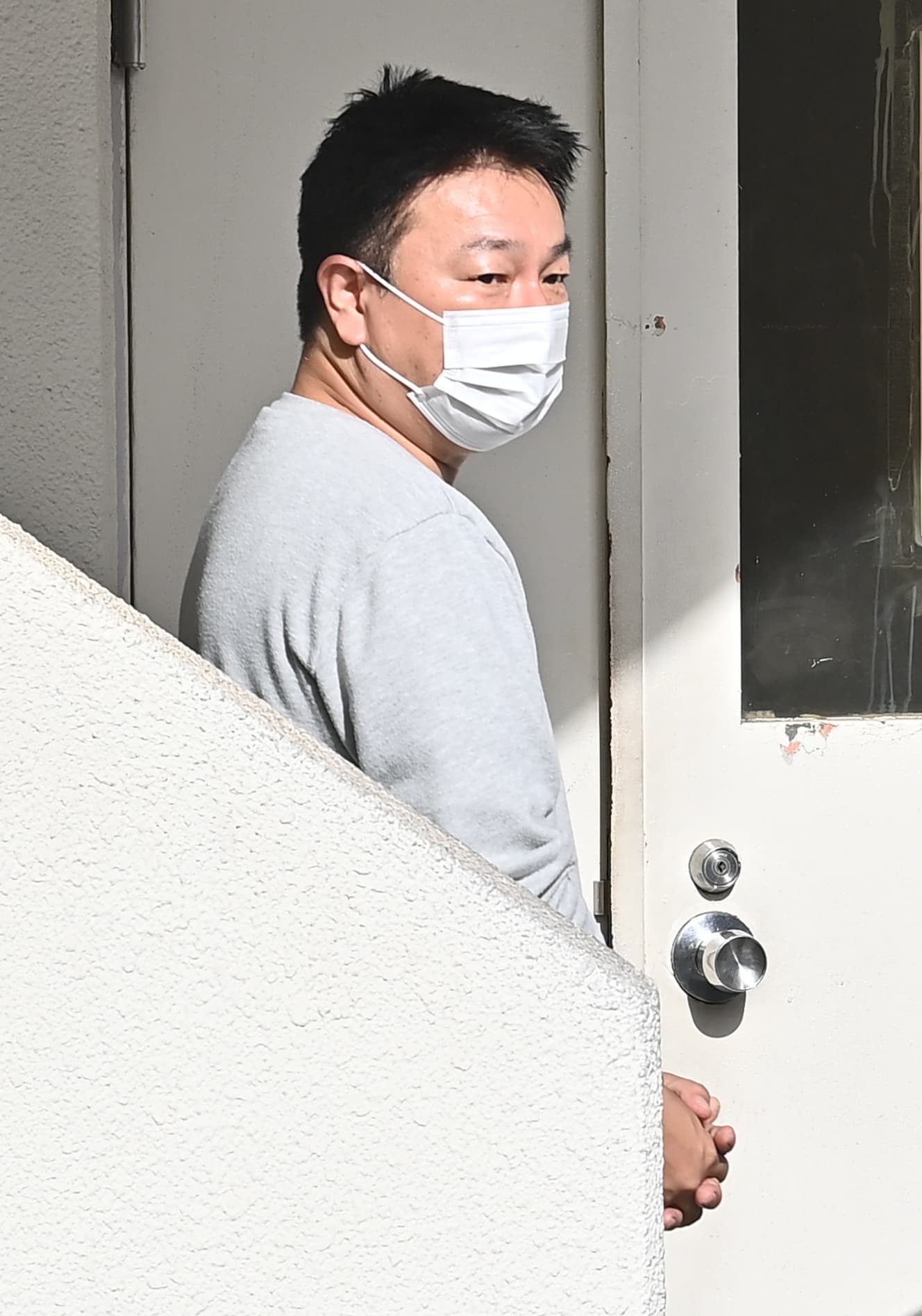
A man walking with a stern expression, prompted by police—Yuichi Iio (51), a former manager, was arrested by the Tokyo Metropolitan Police on suspicion of fraud for swindling 8 million yen in cash from Kabushiki Kaisha 333 (Sasami), a company represented by comedian Kin’niku-nin Nakayama (46). This was the scene on August 13 when he was sent to prosecutors.
“According to the allegations, last April, Iio approached Nakayama claiming he needed money for a clothing e-commerce business he was running, and managed to defraud him of the funds. When Nakayama later requested repayment, Iio became unreachable, prompting Nakayama to file a police report in June last year. Police investigations revealed that Iio had no actual e-commerce business operations.
Iio remains silent during questioning, but authorities are investigating possible additional offenses.”
Nakayama and Iio met about 10 years ago. When Nakayama went independent in 2022, Iio contacted him and became his manager. Following the arrest, Nakayama commented:
“I am extremely shocked that a trusted former staff member would engage in such behavior.”
The additional offenses the police plan to pursue likely relate to financial troubles at Kabushiki Kaisha 333 reported by Shūkan Bunshun last August.
The report detailed two main issues: alleged “slush funds” and investment fraud. The slush fund allegation claims the company made contracts with multiple firms without real operations, transferred money, and then received most of it back as kickbacks, possibly to create hidden funds for tax purposes.
The investment fraud allegation centers on Iio, who reportedly solicited funds from multiple investors under the pretense of producing protein products “produced by Nakayama.” Iio allegedly promised high interest returns and claimed Nakayama was aware, which led many investors to trust him. Around 10 investors were involved, with total investments exceeding 300 million yen. The troubles surfaced after Iio suddenly disappeared in May of last year.
According to the article, funds totaling 37.6 million yen were transferred from Kabushiki Kaisha 333 to multiple companies as part of the slush fund scheme. Nakayama told Bunshun at the time that the payments were made under contracts and had not been returned. Authorities believe Iio, who orchestrated these activities, holds the key to the money’s whereabouts.
Additionally, Iio had reportedly been involved in similar investment-related troubles in the past, further complicating the case.
Close relationship makes it easy for major financial troubles to occur.
Entertainment reporter Takayuki Shiroshita commented on the typical dynamics between talent and managers in private agencies:
“The bigger the talent, the more they leave financial matters entirely to their manager, and many don’t even know how much money is coming in or going out. This level of trust is necessary, but monetary troubles are not uncommon. For example, in 1999, when Marian released a hair-nude photo book that drew attention, most of the earnings were lost because her manager at the time ran off with the money.
Also, even if the money was spent for the talent’s benefit, some managers have been accused by the talent’s relatives of misusing funds and were subsequently fired. Because it’s such a close relationship where outsiders cannot intervene, financial problems can quickly escalate.”
After going independent from Yoshimoto Kogyo in 2022, Kin’niku-nin Nakayama achieved major success. His YouTube channel now has 2.71 million subscribers, he has over 20 commercial contracts, and his annual income is reportedly over 200 million yen—compared with a monthly salary of 300,000–400,000 yen during his Yoshimoto days. With such a busy schedule, it may have been difficult for him to track everything, and Iio’s scheme appears to have been sophisticated.
“Even before the 8 million yen fraud that led to Iio’s arrest, Nakayama had lent him money several times, and it was repaid promptly. Between the managerial trust, the promise of quick repayment, and the history of repayments, Nakayama likely trusted him and handed over the money.
This is a classic fraud scheme: the con artist provides multiple assurances to get the victim to part with money. Claiming ‘I’m short on funds for the e-commerce business’ is very plausible and makes it easy for someone to lend money. It seems Iio acted with malicious intent from the start.” (Crime reporter)
Nakayama’s bright and healthy persona has earned him widespread support from children to the elderly, fueling his breakout success. With this incident, there is concern not only about the financial loss but also about potential damage to his public image.


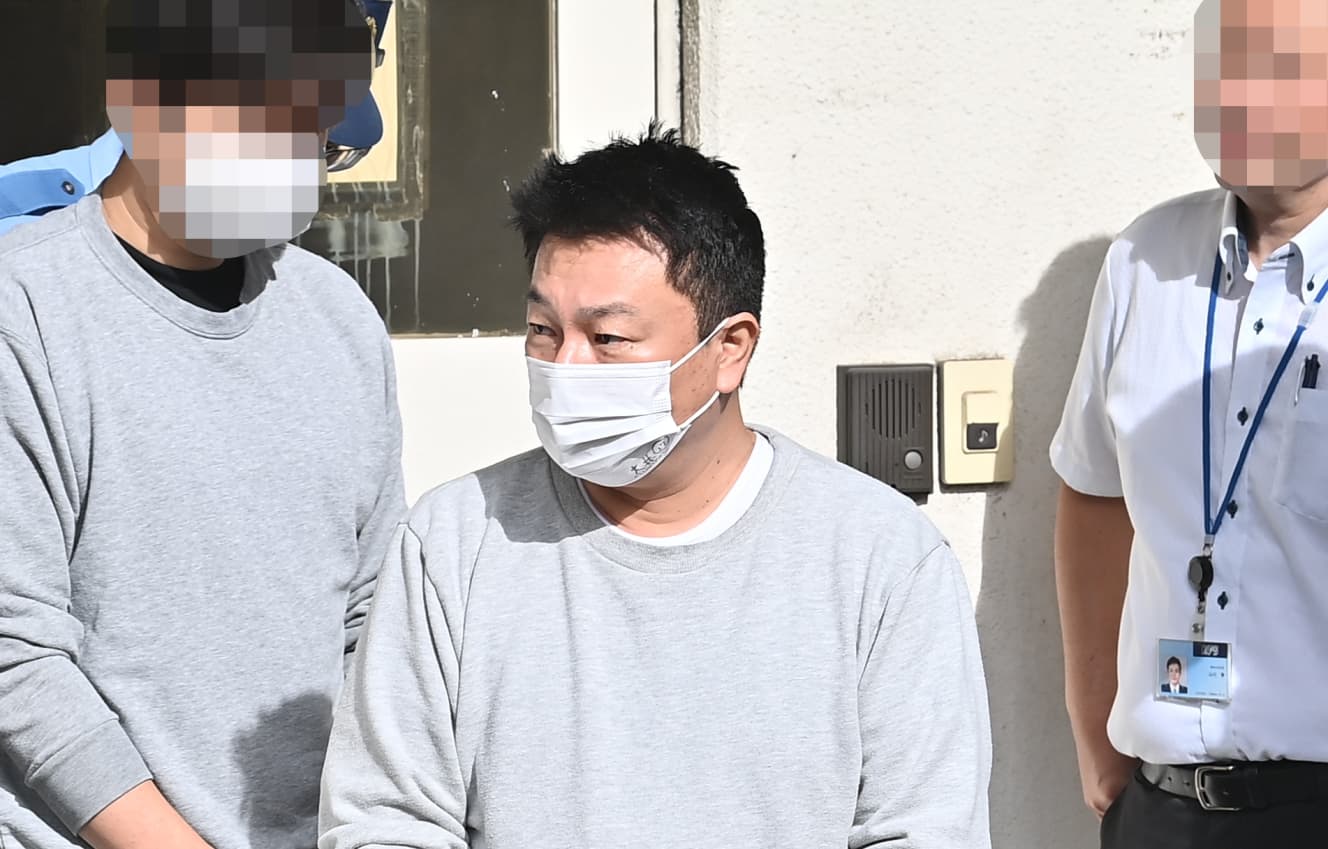
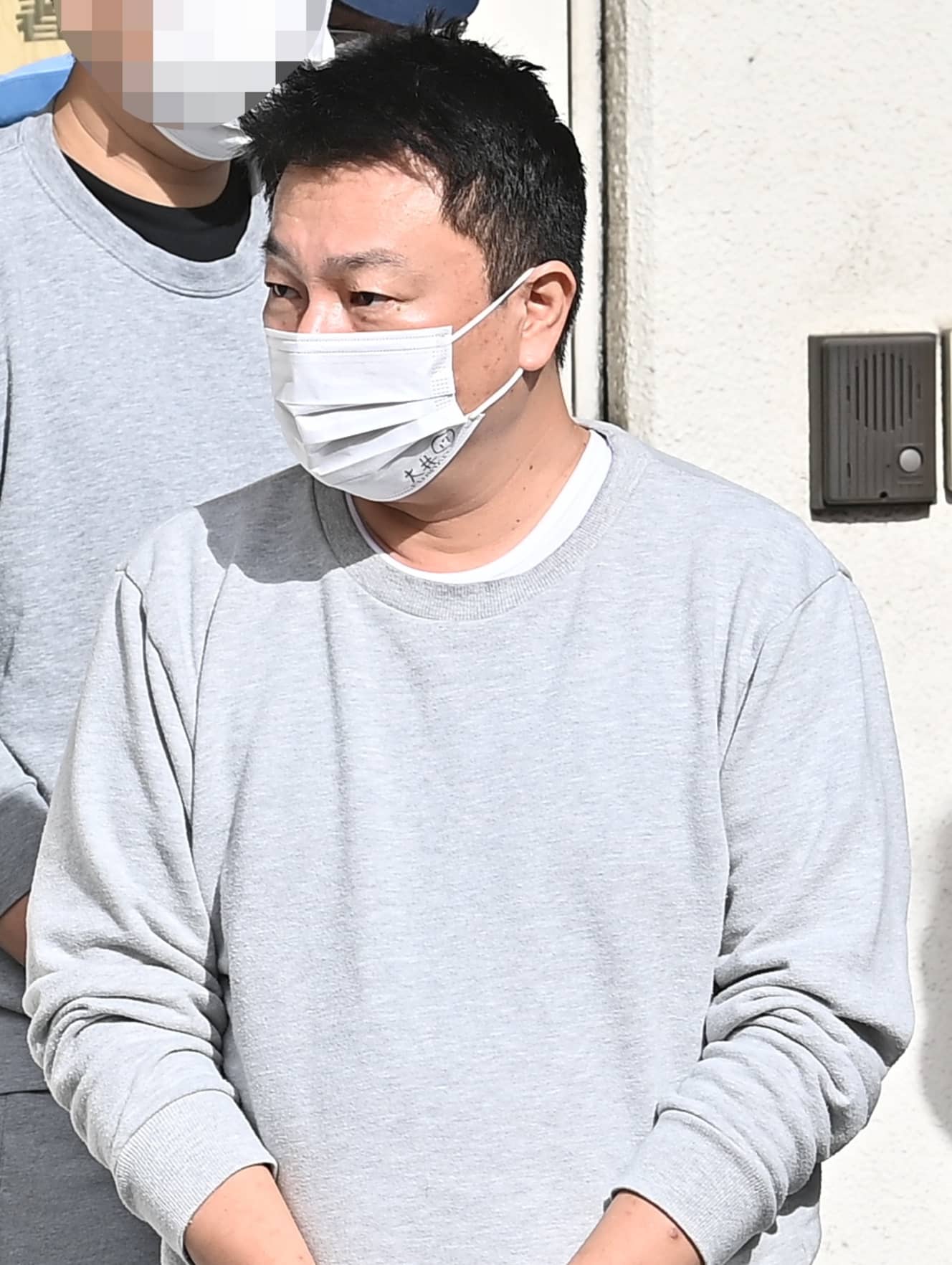

PHOTO: Shinji Hasuo