[Exclusive] Kamakura Kokomae Station Plagued by Trespassing, Illegal Taxis, and Misuse of Delivery Boxes


A Major Problem Left Unaddressed at an Asian Sacred Spot Experiencing Explosive Popularity
With the deep blue sea as a backdrop, a retro green train passes by—the railroad crossing at Kamakura Kōkōmae Station in Kamakura City, Kanagawa Prefecture, is famous for this nostalgic scenery. However, this once-peaceful seaside town is now shaken by overtourism caused by foreign visitors.
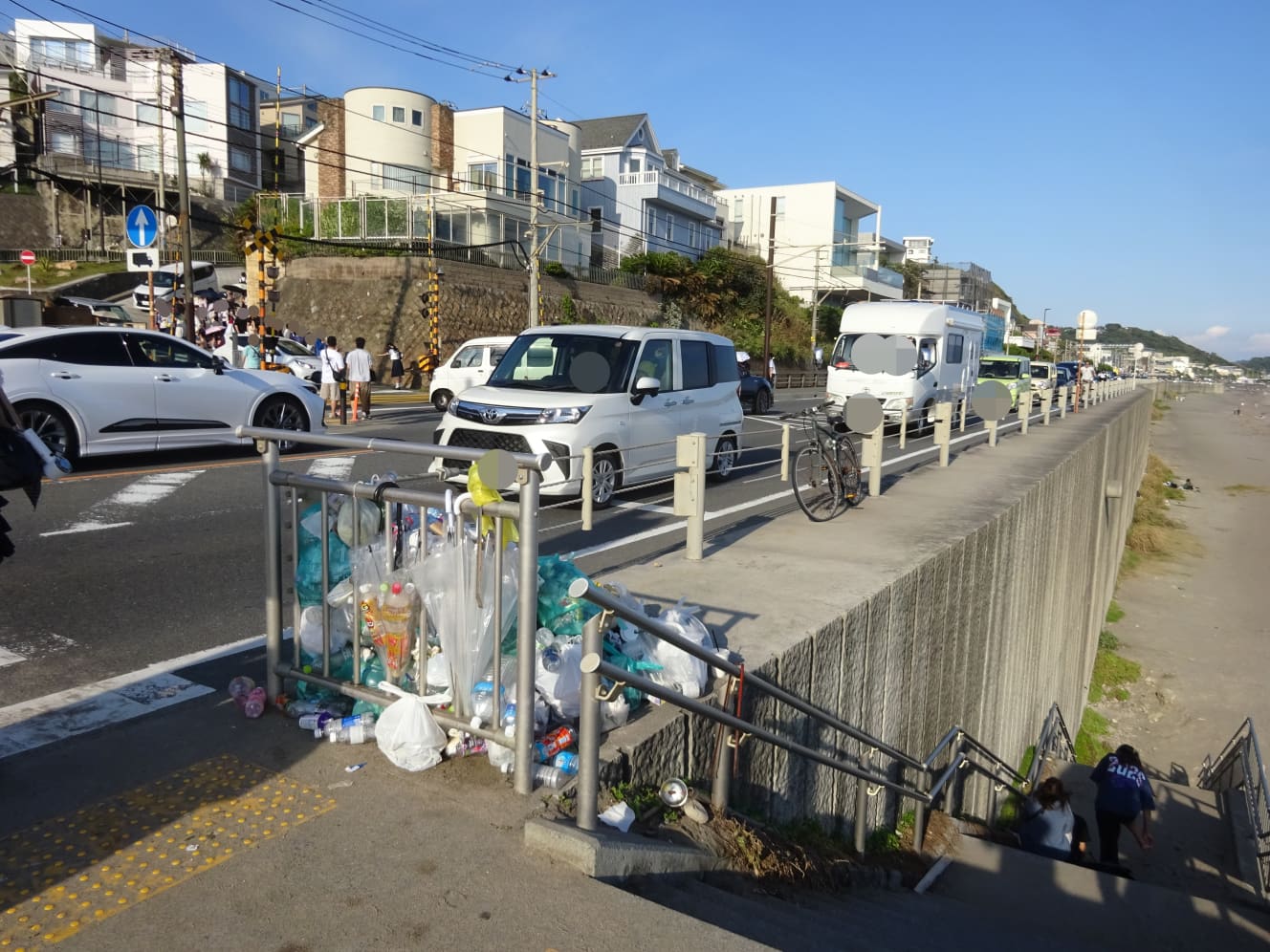
Traffic disruptions from tourists gathering for photos have become an everyday occurrence. On top of that, since the station’s restroom was closed, there has been a surge in foreign tourists engaging in outdoor defecation around the area.
On August 13, FRIDAY Digital reported on such nuisance behavior—including outdoor defecation—by foreign tourists around Kamakura Kōkōmae Station, a site known as a sacred spot for the popular manga Slam Dunk.
Further investigation revealed an even worse reality: some foreign visitors illegally dump garbage, trespass onto private property, and even operate unlicensed white taxis. Meanwhile, the Enoden railway is at breaking point, threatening the daily lives of local residents. The overtourism problem has grown so severe that some residents have begun moving away.
“I’ve lived here for over a decade, but the situation has gotten terrible in recent years. Tourists pour in not only on weekends but even on weekdays. The quiet environment is gone. At least two of my neighbors have moved out because they couldn’t stand it anymore,” lamented a local resident near Kamakurakōkōmae Station.
Why does this otherwise ordinary railroad cross draw so many visitors? The answer lies in two popular anime series.
The first is SLAM DUNK, the basketball manga sensation of the 1990s. In the anime’s opening, protagonist Hanamichi Sakuragi waits with his bag slung over his shoulder as the Enoden passes by—right at the Kamakurakōkōmae crossing. Although the manga ended in 1996, the 2022 film The First Slam Dunk became a massive hit across Asia, especially in China, where it achieved record-breaking box office success. Fans soon began flocking to this pilgrimage site.
The second is the Rascal Does Not Dream (Seishun Buta Yarō) series, which portrays the mysterious everyday lives of teenagers grappling with adolescent struggles. The story is set around Kamakurakōkōmae and the nearby Shichirigahama Station. With a passionate fanbase in China, Taiwan, South Korea, and beyond, this area has become a sacred place for Asian youth, thanks to the dual influence of Slam Dunk and Seishun Buta Yarō.
Running Wild on Hospital Grounds
But what has been unfolding at this sacred spot has become a disturbing sight. The office manager of Suzuki Hospital, located right near Kamakura Kōkōmae Station, expressed his dismay:
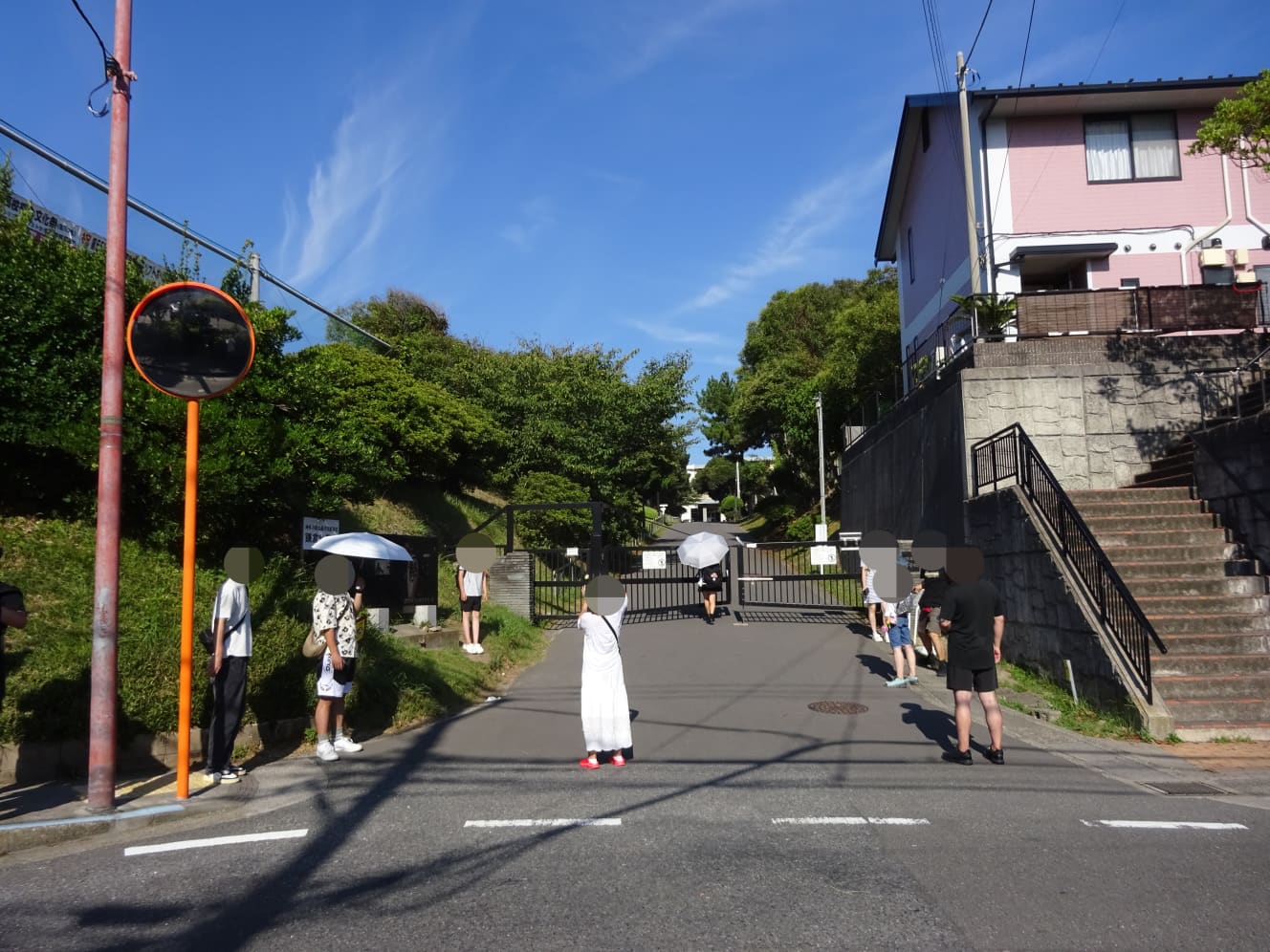
“Within the hospital grounds, there’s a spot where you can get a clearer view of the Enoden and the sea than at the crossing itself. Apparently, someone uploaded photos taken there to Chinese social media, and they went viral. Since then, quite a number of Chinese tourists have been sneaking in just to capture that view. They take photos, smoke, and even rest there.
They leave all their trash behind. And the spot is dangerously close to an area where open flames are strictly prohibited. Even when we rope it off and mark it as off-limits, they climb over without hesitation. When we ask, ‘Why did you enter?’ they just make excuses like, ‘It’s less crowded here than at the crossing.’ It’s unbelievable.”
Illegal trespassing isn’t limited to the hospital. At a nearby condominium, residents have reported tourists misusing facilities meant exclusively for tenants. A local resident shared what they had heard directly from the building’s manager:
“The condo clearly posts ‘No entry for non-residents’ and ropes it off. But tourists still come inside and even use the delivery lockers as if they were coin lockers. They put their luggage inside, set their own passcode, go sightseeing, and then pick it up later as if nothing’s wrong.”
Other cases include broken suitcases dumped in condo garbage areas, or convenience store trash being discarded improperly.
But the most serious problem is the rise of “shiro-taku” (illegal taxis).
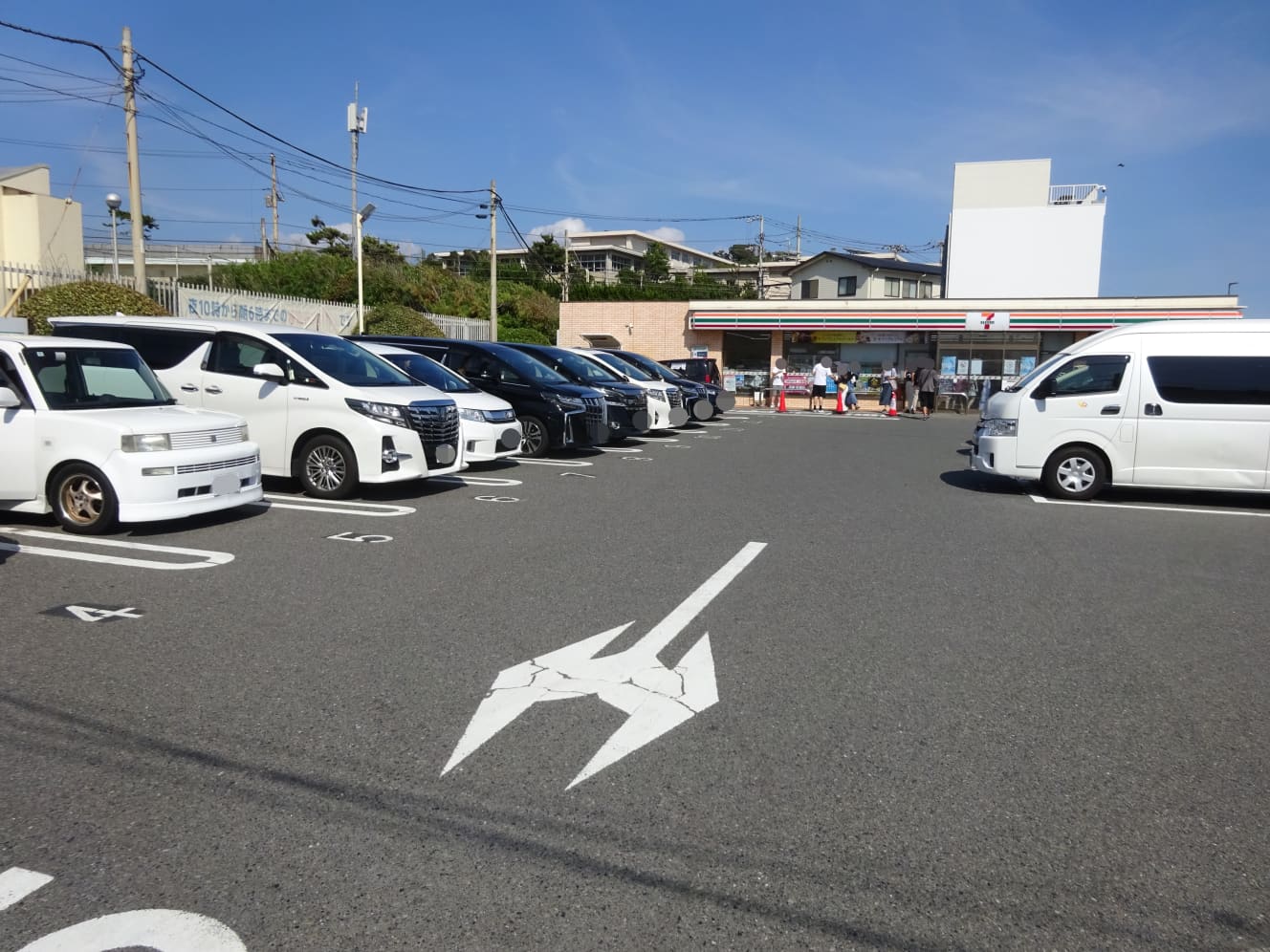
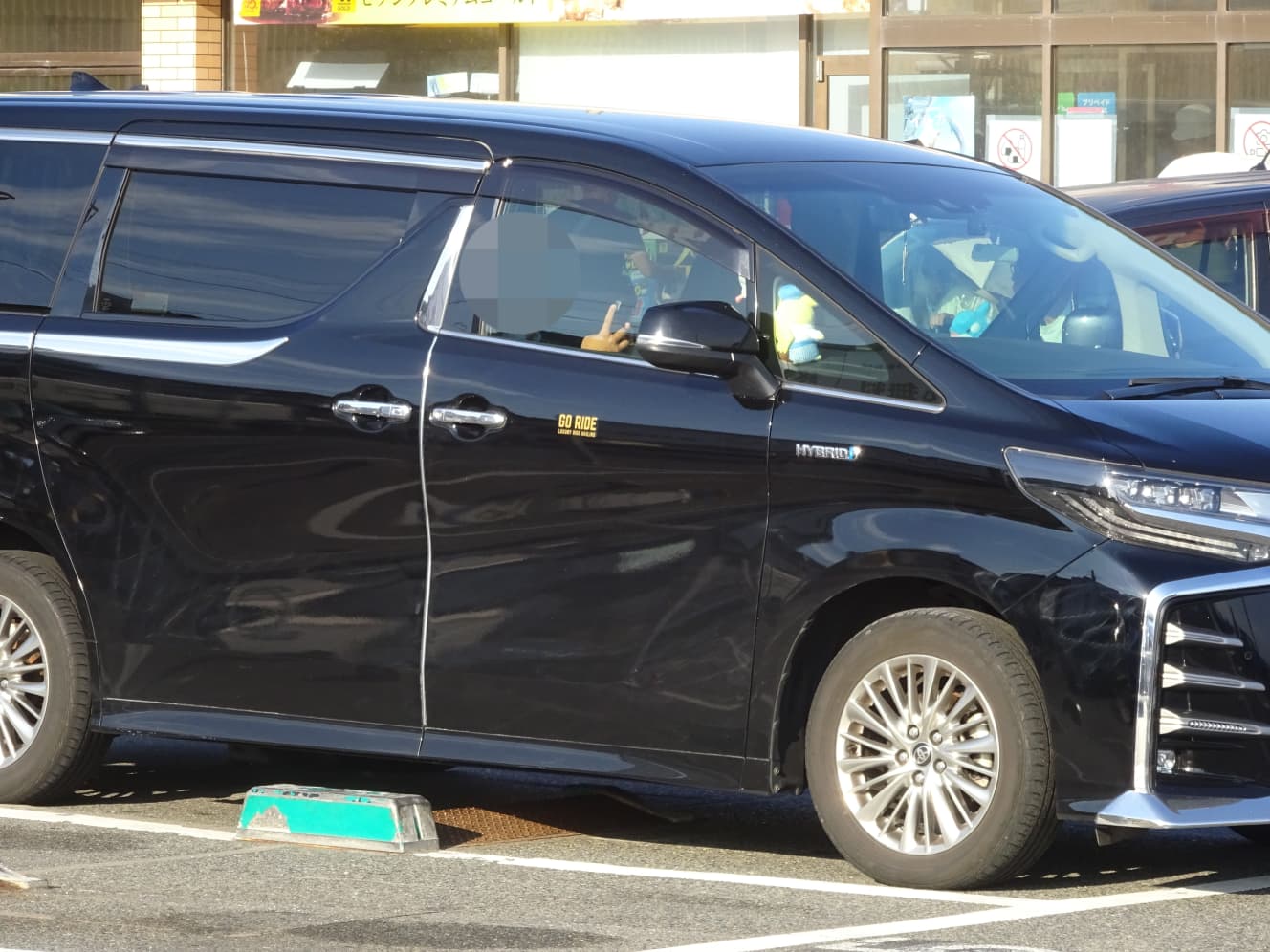
Shiro-taku refers to unlicensed drivers operating private vehicles with white license plates—accepting payment from passengers without official taxi permits. In the Kamakura area, there has been a surge in illegal van-type vehicles, like Alphards, ferrying tourists. According to locals, many of the drivers appear to be of Chinese origin.
“After dropping off passengers, they just park illegally anywhere while waiting for the next pick up call. They ignore no-parking poles, and I’ve even seen them repeatedly park without permission in monthly rental lots contracted by private individuals. When confronted, they pretend to be on their phones to avoid answering. If you say, ‘Move your car now or I’ll call the police,’ they reply in broken Japanese, ‘Hai, hai. After I finish this call, I move,’ but they don’t actually move right away.” (local resident)
The Cunning and Malicious Tactics of White Taxi Drivers
A former employee at the 7-Eleven in Shichirigahama revealed the sly tricks of the illegal taxi operators:
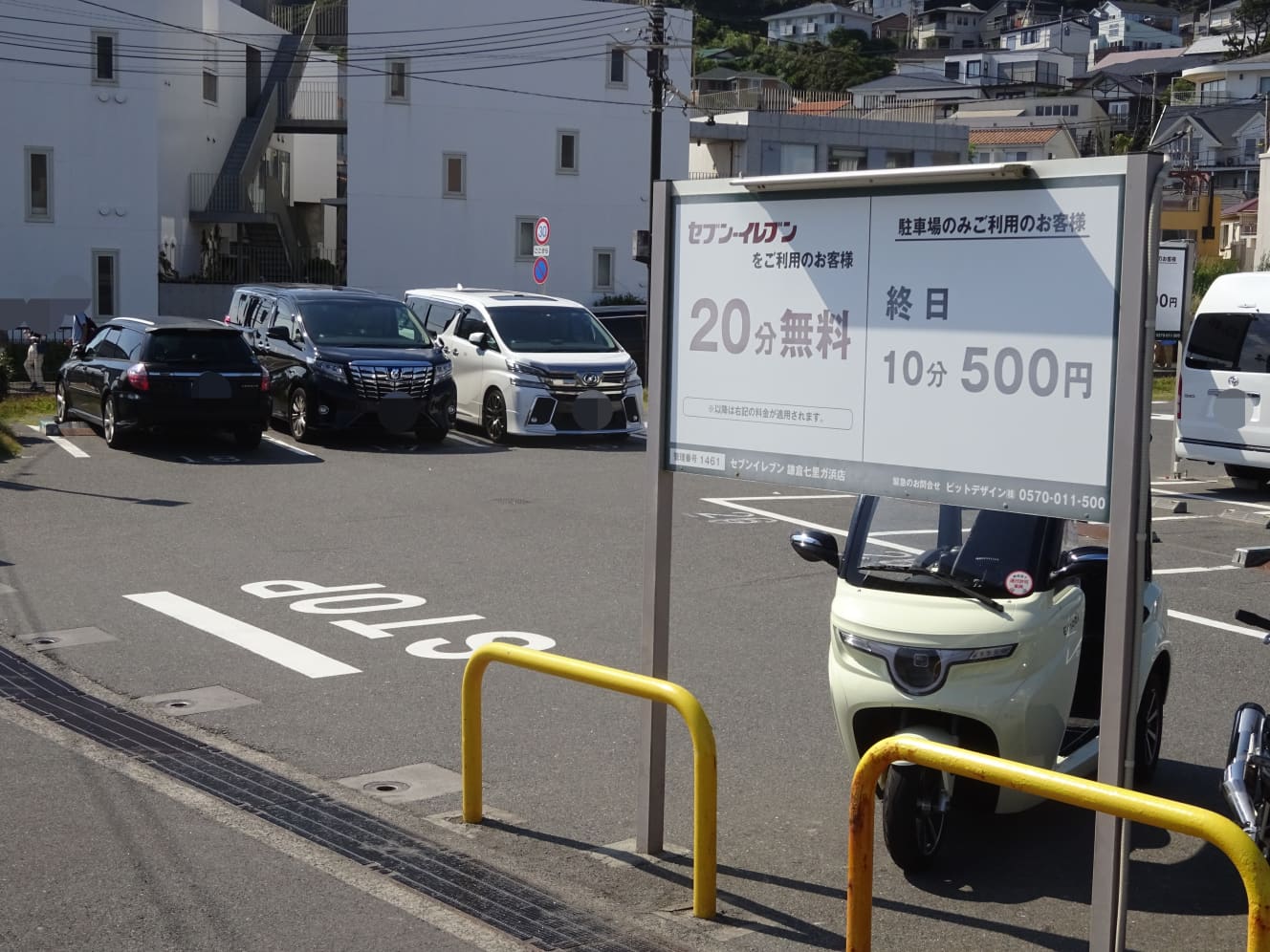
“Here, the parking lot is free for the first 20 minutes. What they do is pull their car out right before the 20 minutes are up, then back in again to reset the machine. That way, they get another 20 minutes for free. They keep repeating this and end up staying for hours without ever paying a fee. The store staff can’t strongly confront them because they’re afraid of causing trouble. Originally, a few Japanese drivers started doing this, but now the white taxi drivers have copied it—basically all of them avoid paying for parking this way.”
But the problem goes beyond unpaid parking. In addition to the long-standing illegal use of private white-plate cars as taxis, the past year and a half has seen a rise in organized transport businesses using green-plate vehicles.
Green plates are issued for commercial vehicles like hired cars, and drivers are supposed to hold a special second-class license. Yet many are believed to be unqualified. The administrative director of Suzuki Hospital recounted his own experience:
“One day, a green-plate car (a commercial vehicle) was parked illegally in our hospital lot. I told the driver I’d call the police, and he started begging me not to. When I pressed him, it turned out he was a Chinese exchange student who only had an ordinary (first-class) license. In other words, he wasn’t qualified to drive that vehicle at all. In the end, he just hurried off.”
This suggests it’s not only individual drivers breaking the law, but also operators behind the scenes knowingly allowing unlicensed driving. Why, then, are such systematic violations allowed to persist?
A local business leader points to the police’s reluctance:
“A police officer I know told me it’s extremely troublesome to go after them. First of all, interrogations require an interpreter, but interpreters aren’t always available at the station. Many Asian foreigners who are caught quickly admit fault, but Chinese drivers in particular tend to stubbornly deny everything.
Then, even if they’re indicted and the case goes to trial, they often claim things like, ‘What the interpreter said isn’t what I actually said.’ That makes the credibility of the transcripts a major issue, and proving the case becomes difficult. For that reason, unless it’s an especially egregious violation, the police often just look the other way.”
Enoden Overwhelmed Even High Schoolers’ Daily Lives Affected
The surge in tourism has had a serious impact on the Enoden railway, the essential lifeline for locals. With only two- or four-car trains, the line is overwhelmed even on weekdays, leaving residents unable to board at times. Among those most affected are students at Kamakura High School. One male student confessed:
“In the morning, I can usually get on. But going home is really tough. The platform is packed with tourists, and sometimes the trains are so full I just can’t get on. Among us, we call missing a train a penalty. One penalty is normal, but on bad days we face a ‘two-penalty’—missing two trains in a row. When I’m carrying a big sports bag, I feel really out of place in the packed cars.”
Residents are voicing frustration that borders on desperation:
“The manners are just awful. Groups block the sidewalks to take photos, forcing us to walk in the road. Trash is thrown everywhere. People trespass into private yards as if it were nothing. Of course, I know most tourists are polite. But a handful of thoughtless visitors are causing trouble for the whole town.” (Local woman)
Another neighbor lamented:
“This used to be a quiet residential area. But everything has changed in the past few years. We’re not saying we don’t want tourists to come. We just want them to learn Japan’s rules and show some respect. Every morning, residents here voluntarily pick up trash along the beach and streets. That’s why it looks clean during the day. But if you come early in the morning, you’ll see garbage scattered everywhere.”
The picturesque scenery and the peaceful lives of the people who live here—both are now at risk under the banner of promoting tourism.
Interview, text, and photographs: Shinsuke Sakai